

You can fly your drone in a variety of locations, but it’s essential to adhere to local regulations and safety guidelines to ensure a safe and enjoyable experience. Popular areas for drone flying include national parks, beaches, and designated drone zones, each offering unique landscapes and opportunities for aerial photography or recreational flying. In this article, we’ll delve into the best locations to fly your drone, the rules you need to consider, and practical tips for safe operation.
Understanding Drone Regulations
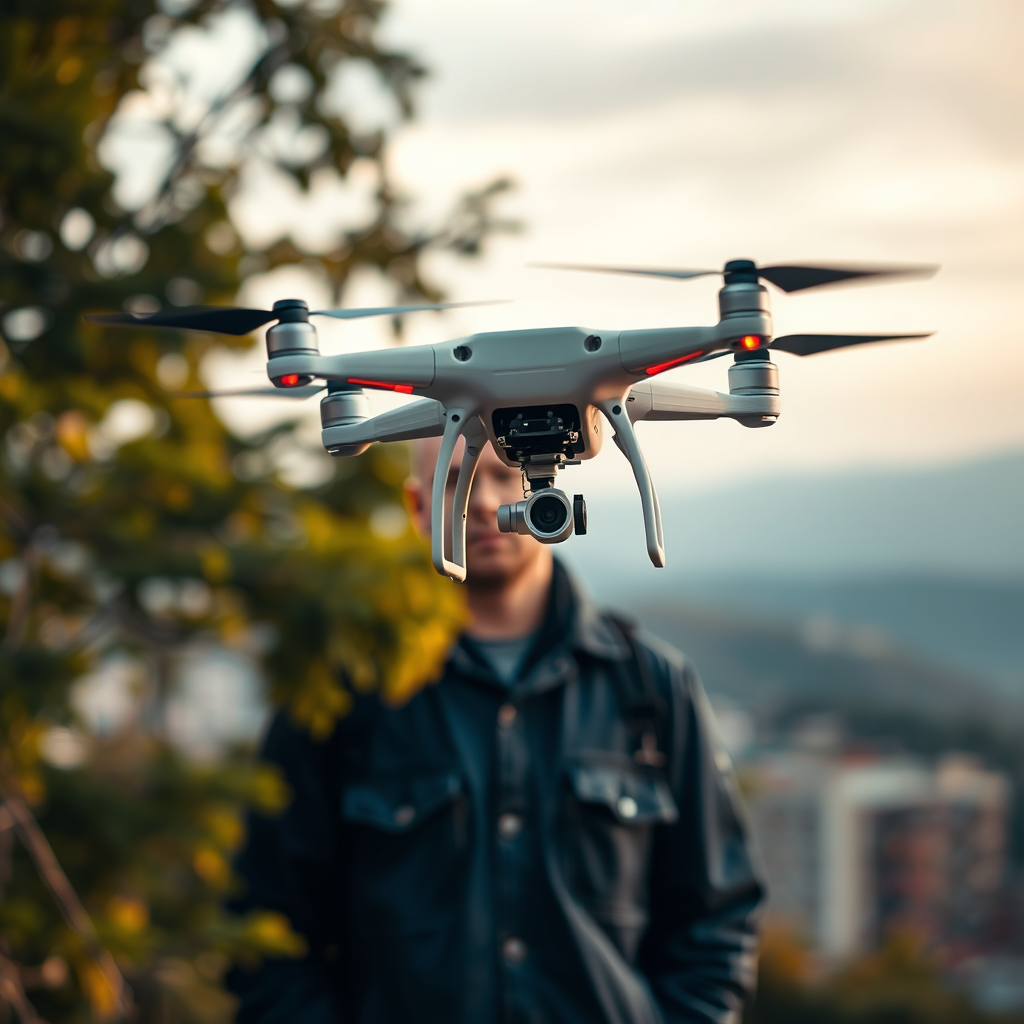
Drone regulations vary significantly from one country to another, and even within regions of the same country. In the United States, the Federal Aviation Administration (FAA) governs drone operations, setting clear rules for both recreational and commercial use. For instance, drones must be flown under 400 feet, kept within the operator’s visual line of sight, and not flown over people or moving vehicles without permission. Internationally, countries like Canada, the United Kingdom, and Australia have their own sets of regulations that can include mandatory registration and certification for drone pilots.
Before planning a flight, it’s crucial to familiarize yourself with local regulations in the area you intend to fly. Many municipalities have specific bylaws that may restrict drone use in certain public places or at specific times. For example, some cities may prohibit drone use in urban parks or near large events. Resources such as government websites and local drone associations can provide up-to-date information on the laws applicable in your flying location.
Popular Locations for Drone Flying
When considering where to fly your drone, there are several popular locations that are generally more accommodating to drone enthusiasts. National and state parks often allow drone use in designated areas, although many require a permit or prior notification for recreational flights. Parks like the Grand Canyon and Yellowstone have specific zones where drone flying is permitted, enabling enthusiasts to capture breathtaking landscapes from above.
Beaches and rural zones are also excellent options for drone pilots. These locations typically offer vast, open spaces with minimal obstacles, making it easier to fly safely. For example, the Outer Banks in North Carolina is a favored destination for drone pilots due to its expansive shoreline and scenic vistas. Rural areas, away from urban congestion, can also provide unique opportunities for aerial photography of farmland, forests, and lakes.
However, it’s crucial to remember that even in these open areas, drone operators must respect wildlife and adhere to local laws, particularly regarding protected areas and species.
Urban Flying Considerations
Flying a drone in urban environments presents unique challenges and restrictions. Many cities have designated no-fly zones, especially near airports, hospitals, and crowded venues where safety is a priority. For instance, flying a drone over major sporting events or concerts is often prohibited to prevent interference with public safety measures.
Despite these challenges, there are urban parks and open spaces that are drone-friendly. For example, places like Central Park in New York City have specific areas where drone flying is allowed, provided operators follow the necessary guidelines. Before flying in an urban setting, it’s essential to research your location thoroughly and ensure compliance with all local regulations to avoid fines or other legal repercussions.
It’s also advisable to fly during off-peak hours when there are fewer people around, minimizing the risk of accidents and enhancing the overall flying experience.
Safety Tips for Drone Flying
Safety should always be the top priority when flying a drone. Here are several essential tips to maintain safe operation:
1. Maintain Visual Line of Sight: Always keep your drone within your visual line of sight, which allows you to monitor its position and avoid obstacles.
2. Be Weather Aware: Check weather conditions before flying. High winds, rain, and low visibility can significantly impact your ability to control the drone safely.
3. Avoid Crowded Areas: To minimize risks, steer clear of crowded places. Always respect the privacy of others and avoid flying over private property without permission.
4. Pre-Flight Checklist: Before taking off, conduct a pre-flight check. Ensure that your drone’s battery is fully charged, propellers are secure, and the GPS signal is strong.
5. Educate Yourself on Emergency Procedures: Familiarize yourself with your drone’s fail-safe mechanisms and what to do in case of signal loss or low battery.
By adhering to these safety tips, drone pilots can significantly reduce the risk of accidents and enjoy a more rewarding flying experience.
Using Drone Apps and Resources
Leveraging technology can greatly enhance your drone-flying experience. Several apps and resources are available to help drone pilots navigate legal flying zones and stay updated on airspace conditions. Apps like AirMap and DroneBuddy provide real-time information about no-fly zones, weather conditions, and other essential data relevant to drone operation.
Additionally, government websites often offer maps and resources detailing specific regulations for drone use in various areas. Local drone clubs and online communities can also be invaluable, providing insights into popular flying spots, tips, and support. Engaging with these resources not only enhances safety but also enriches your overall understanding of drone operations.
Joining a Drone Community
Becoming part of a drone community can significantly enhance your flying experience. Connecting with other drone enthusiasts allows you to share tips, experiences, and knowledge about flying in various locations. Many cities have local drone clubs that organize meet-ups and events, offering opportunities to learn from more experienced pilots.
Online forums and social media groups dedicated to drone flying also provide platforms for asking questions, sharing experiences, and discovering new flying locations. Engaging with a community can help you stay informed about the latest regulations, technology advancements, and best practices in drone flying.
Participating in community events, such as drone racing or photography contests, can also be a fun way to improve your skills and make new connections in the drone flying world.
In summary, knowing where to fly your drone is essential for a safe and enjoyable experience. Always check regulations, choose suitable locations, and consider joining a community to enhance your flying skills. By following safety guidelines and utilizing available resources, you can ensure a rewarding experience while exploring the skies. Happy flying!
Frequently Asked Questions
Where can I legally fly my drone?
You can legally fly your drone in various locations, including designated parks, open fields, and rural areas, as long as you adhere to local regulations. It’s crucial to check the Federal Aviation Administration (FAA) guidelines in the U.S., which prohibit flying within five miles of an airport without notifying air traffic control. Additionally, many states and municipalities have specific laws governing drone use, so always verify local rules before taking off.
What are the restrictions on flying drones in urban areas?
Flying drones in urban areas comes with several restrictions due to higher population density and potential safety risks. Most cities have regulations that prohibit flying over people, crowded gatherings, and critical infrastructure, such as schools and hospitals. Always check local laws and ordinances, as many cities also require permits for drone operations in public spaces.
How do I find drone-friendly locations near me?
To find drone-friendly locations, you can use various online resources and apps, such as AirMap or DroneDeploy, which provide maps indicating where drones can be flown legally. Additionally, community forums and local drone clubs often share insights about safe flying spots. Always double-check the airspace classification and any temporary flight restrictions (TFRs) when planning your flight.
Why is it important to check airspace regulations before flying my drone?
Checking airspace regulations before flying your drone is crucial for ensuring safety and compliance with the law. Different airspaces, such as controlled and restricted zones, have specific rules that may limit or outright prohibit drone operations. Ignoring these regulations can lead to severe penalties, including fines or confiscation of your drone, and poses risks to manned aircraft and public safety.
Which apps can help me plan my drone flights effectively?
Several apps can assist in planning your drone flights effectively, such as DJI Fly, Airmap, and Skyward. These apps provide real-time information about airspace restrictions, weather conditions, and optimal flight paths. They also include features for filing necessary flight plans and checking for temporary flight restrictions, helping ensure a safe and legal flying experience.
References
- https://www.faa.gov/uas/getting_started/where_to_fly
- https://www.dronezone.com/where-can-i-fly-my-drone
- https://www.nasa.gov/feature/nasa-uses-drones-to-advance-aviation-safety
- https://www.ama-flights.com/
- https://www.bbc.com/future/article/20220207-what-are-the-rules-for-flying-drones-in-the-uk
- https://www.faa.gov/uas/
- https://www.nparks.gov.sg/gardens-parks-and-nature/parks-and-nature-reserves/drone-flying-in-parks
- https://www.dronepilotgroundschool.com/drone-flying-rules-and-regulations/
- https://www.theguardian.com/technology/2021/jan/27/drone-use-covid-19-privacy-concerns
