

To register your drone, you can visit the Federal Aviation Administration (FAA) website, where you can complete the registration process online. This quick and straightforward method ensures you comply with federal regulations regarding drone use. As drone technology continues to evolve and soar in popularity, understanding the registration process is crucial for both hobbyists and commercial operators alike. In this guide, we’ll delve into the details of drone registration, including requirements, options, and valuable tips for a hassle-free experience.
Understanding Drone Registration Requirements
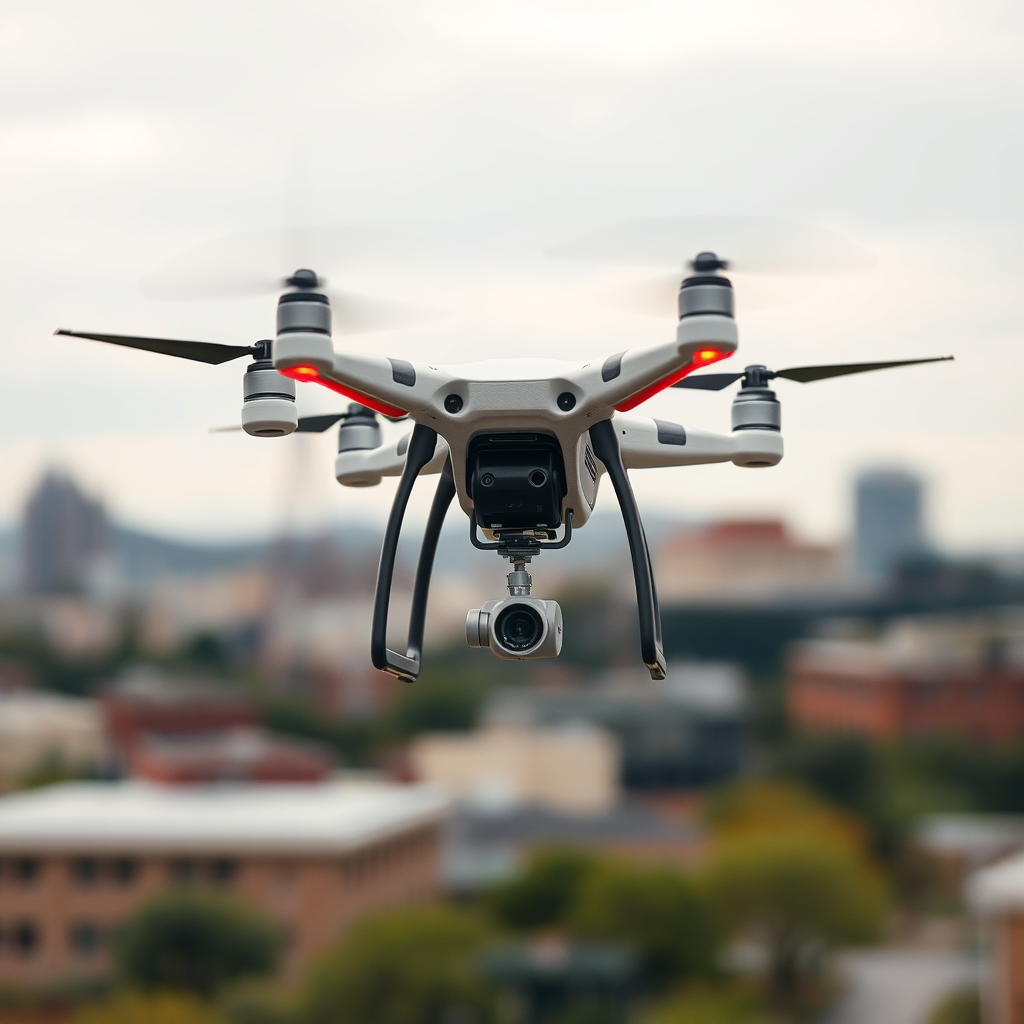
Before diving into the registration process, it’s vital to understand the specific requirements set forth by the FAA. Registration is mandatory for drones weighing more than 0.55 pounds (approximately 250 grams). This weight threshold applies to the total weight of the drone, including any additional equipment such as cameras or payloads. Failure to register a drone that meets this weight requirement can lead to significant fines and legal repercussions.
Additionally, you must be at least 13 years old to register a drone on your own. For those under 13, a parent or guardian can register the drone on their behalf. This age limit ensures that younger users are adequately supervised and educated about safe flying practices. It’s crucial to remember that proper registration not only fulfills legal obligations but also promotes responsible drone use, contributing to safer airspace for everyone.
Steps to Register Your Drone Online
The online registration process through the FAA’s official website is designed to be user-friendly and efficient. Here are the steps you need to follow:
1. Visit the FAA’s Official Registration Website: Go to the FAA’s drone registration page at [faadronezone.faa.gov](https://faadronezone.faa.gov). This website serves as the gateway to the registration process, offering all the necessary tools and information.
2. Create an Account or Log In: If you are a new user, you will need to create an account by providing your email address and creating a password. If you already have an account, simply log in using your credentials. Be sure to use a secure password to protect your information.
3. Provide Required Information: Once logged in, you will need to enter basic information, including your name, address, and email. If your drone weighs more than 0.55 pounds, you will also need to provide the drone’s make, model, and serial number.
4. Review and Submit: After entering all required information, review your details for accuracy. This step is crucial to avoid any potential issues with your registration. Once confirmed, submit your application.
5. Receive Your Registration Number: After processing, you will receive a unique registration number via email. This number must be marked on your drone, as it serves as proof of registration.
Following these steps ensures a seamless registration process, allowing you to focus on enjoying your drone flying experience.
Alternative Registration Methods
While online registration is the most convenient option, the FAA also provides an alternative for those who prefer not to use the digital system. You can register your drone by mail. Here’s how to do it:
1. Obtain FAA Form 4050-1: This form is specifically designated for drone registration by mail. You can download it from the FAA website or request a hard copy.
2. Fill Out the Form: Complete the form with the necessary information, including your name, address, and the drone’s details. Be thorough and accurate to prevent delays in processing.
3. Include Payment: Along with the completed form, include a check or money order for the $5 registration fee, made out to the FAA.
4. Mail Your Application: Send your completed form and payment to the address specified in the instructions. Keep a copy of your application for your records.
This method may take longer than online registration due to postal service delays, so factor that into your planning if you have upcoming flights.
Registration Fees and Duration
The registration fee for your drone is a nominal $5, which covers the processing of your application. This fee is valid for three years from the date of registration, making it an affordable option for drone enthusiasts. It’s important to keep track of your registration’s expiration date, as flying an unregistered drone can lead to penalties.
To maintain compliance, you should renew your registration before it expires. The renewal process is similar to the initial registration, and you can complete it online. Keeping your registration current not only ensures legality but also allows you to fly without the worry of potential fines.
Additional Resources and Support
Navigating the registration process may raise questions or concerns. Fortunately, the FAA offers a comprehensive FAQ section on their website that addresses many common queries related to drone registration and regulations. This resource is invaluable for both new and experienced drone operators seeking clarity on specific issues.
If you encounter any challenges during the registration process or have unique questions that the FAQ does not cover, you can contact FAA support directly. Their representatives are trained to assist with various inquiries and can provide the necessary guidance to resolve any issues you may face.
Keeping Your Registration Updated
After registering your drone, it’s essential to keep your registration information updated. If you change your address, you must update your registration to reflect your new location. Similarly, if you sell your drone or transfer ownership, the new owner must register the drone in their name.
Regularly checking for updates on FAA regulations is also advisable, as changes in laws can impact your registration status or flying privileges. Staying informed helps ensure that you remain compliant and can enjoy flying your drone without interruptions or legal concerns.
In summary, registering your drone is a simple process that can be completed through the FAA’s online portal or by mail. By understanding the requirements, following the appropriate steps, and keeping your registration updated, you can fly your drone legally and responsibly. For more detailed information, visit the FAA website today, and elevate your drone flying experience with peace of mind.
Frequently Asked Questions
Where can I register my drone online?
You can register your drone online through the Federal Aviation Administration (FAA) website if you’re in the United States. The registration process is straightforward and requires you to provide your name, address, and email, along with details about your drone, such as its weight. Once completed, you’ll receive a unique registration number that must be displayed on your drone, allowing you to legally operate it in U.S. airspace.
What are the requirements for drone registration in the U.S.?
To register your drone in the U.S., it must weigh between 0.55 pounds and 55 pounds, and you must be at least 13 years old. You need to provide your name, address, and the make and model of your drone during the registration process. Additionally, a registration fee of $5 is charged, and your registration will be valid for three years. For drones weighing less than 0.55 pounds, registration is not required.
How do I register my drone if I’m a foreign national?
Foreign nationals can register their drones in the U.S. by visiting the FAA’s registration website. You will need to provide the same information as U.S. citizens, including your name and contact details. Keep in mind that you must have a valid visa or be a resident of the U.S. to register a drone with the FAA. It’s essential to comply with local regulations in your home country as well, as registration processes may vary.
Why is it important to register my drone?
Registering your drone is crucial because it helps promote safety and accountability in the airspace. It allows authorities to trace drones back to their owners in the event of accidents or violations, which can help prevent misuse and ensure compliance with aviation laws. Moreover, having your drone registered can also help reduce the risk of fines and legal issues, as unregistered drones can incur penalties under FAA regulations.
Which drones require registration and which do not?
In the U.S., drones that weigh between 0.55 pounds (250 grams) and 55 pounds (25 kilograms) must be registered with the FAA. This includes most consumer drones available on the market. However, drones that weigh less than 0.55 pounds are exempt from registration. It’s important to check the weight of your drone before assuming registration is not necessary, as many popular models fall within the registration weight range.
References
- https://www.faa.gov/uas/getting_started/register_drone
- https://www.faa.gov/uas/registration/
- https://www.nasa.gov/aeroresearch/programs/airmobility/faq/drone-registration
- https://en.wikipedia.org/wiki/Drone_registration
- https://www.nrc.gov/reading-rm/doc-collections/fact-sheets/drone-safety.html
- https://www.usa.gov/drone-registration
- https://www.reuters.com/technology/drone-registration-what-you-need-know-2021-05-03/
