
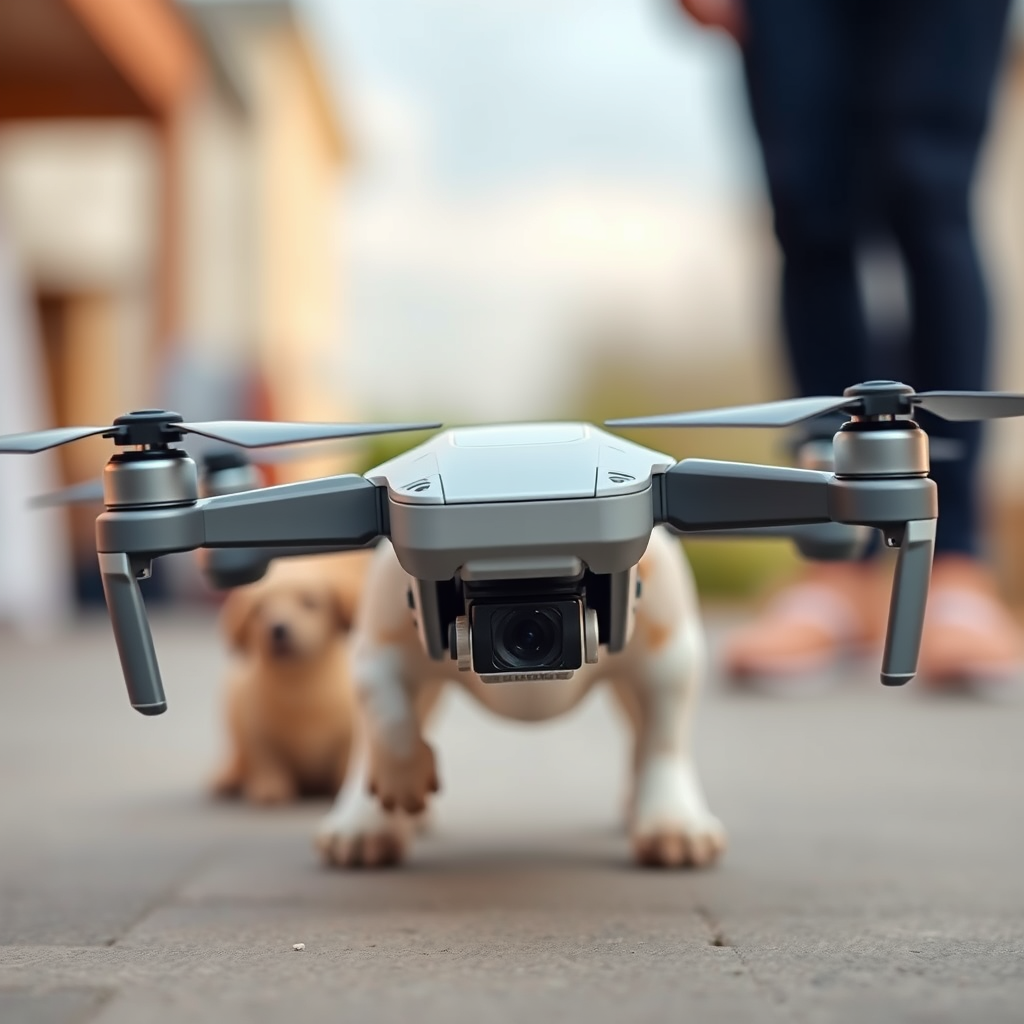
Flying a drone is permitted in various locations, but it’s crucial to understand the regulations that apply. Whether you’re looking to capture stunning aerial photography or simply enjoy the hobby, knowing where you can legally operate your drone is essential for a safe and enjoyable experience. Understanding the rules not only ensures compliance with the law but also enhances the safety and enjoyment of your flying experience.
Understanding Drone Regulations
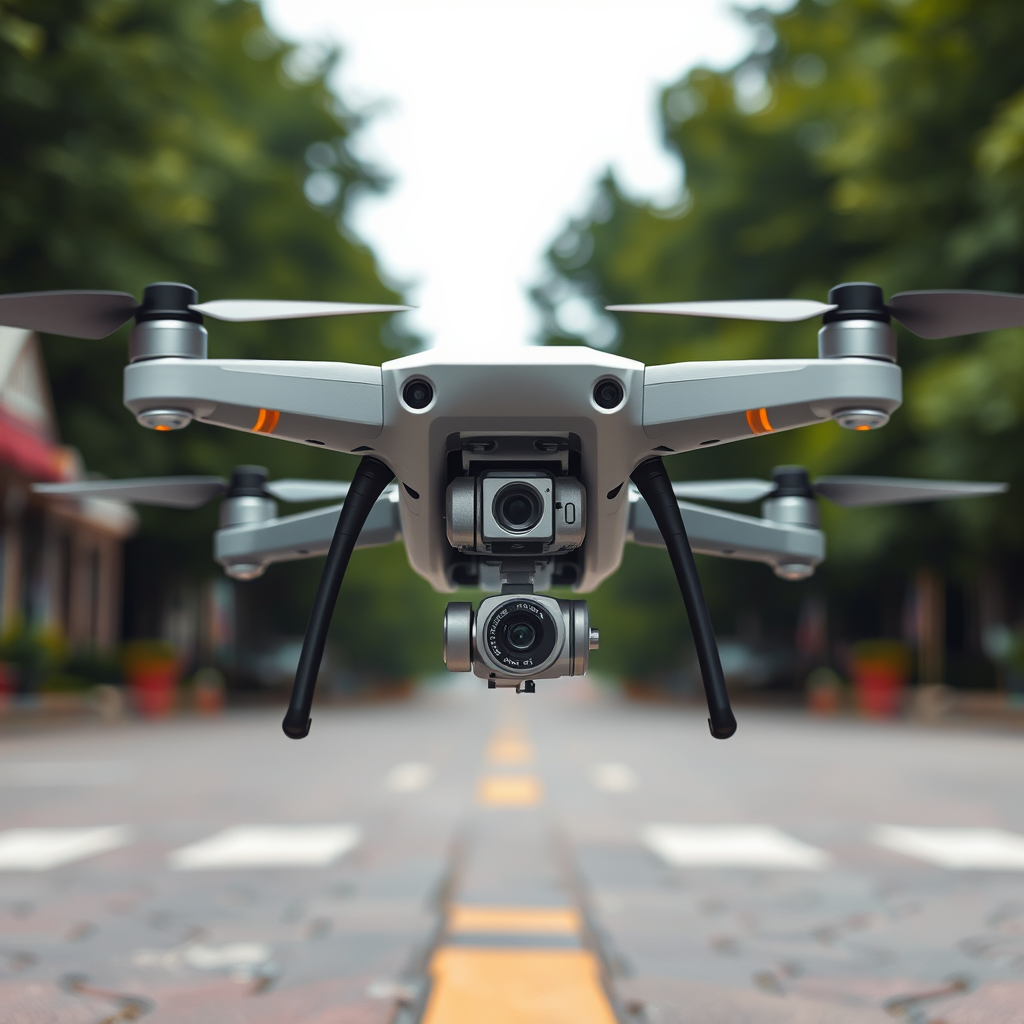
Familiarizing yourself with the Federal Aviation Administration (FAA) regulations for drone flight is imperative for both novice and experienced drone operators. The FAA has set forth guidelines that govern the use of unmanned aerial vehicles (UAVs) in the United States. These regulations include requirements for drone registration, restrictions on flying near airports, and altitude limits, typically capped at 400 feet above ground level.
Moreover, different countries and states may have specific laws regarding drone use. For instance, in Canada, the rules laid out by Transport Canada differ significantly from those in the U.S., with additional stipulations for flying near populated areas. Therefore, before embarking on your drone-flying journey, it is critical to consult local laws and regulations to ensure compliance, as penalties for violations can be severe, including hefty fines or confiscation of the drone itself.
Public Parks and Recreational Areas
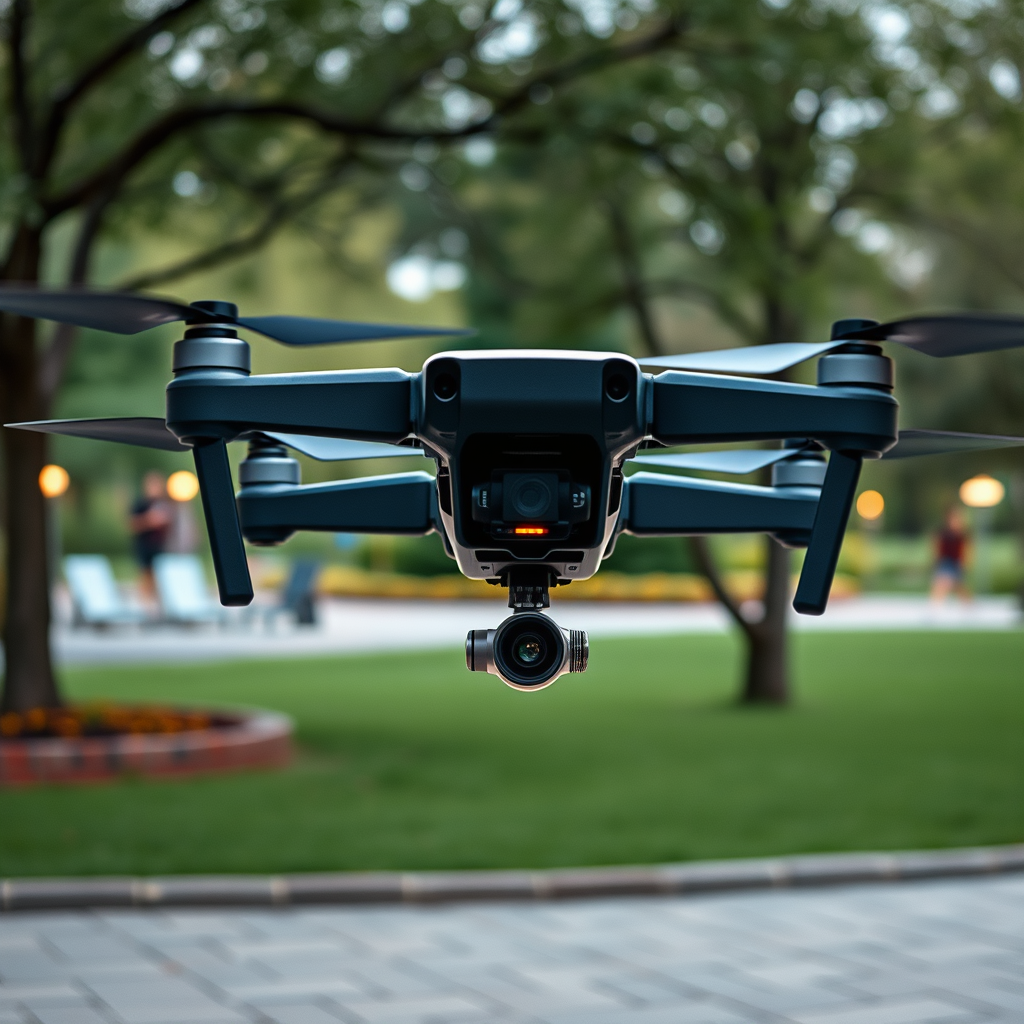
Many public parks across the United States allow drone flying; however, the regulations can vary significantly from one jurisdiction to another. It is crucial to check for local rules as some parks may have designated areas or specific timeframes set aside for drone activities. For instance, in California, the popular Golden Gate Park has areas where drone flying is allowed under certain conditions, while other parks may prohibit it altogether.
Additionally, many parks require drone operators to maintain a safe distance from other visitors, particularly in areas where people congregate, such as playgrounds or picnic areas. To avoid conflicts, it is advisable to look for designated flying zones or inquire at local park offices for information on drone policies. Engaging with park rangers can provide clarity on local regulations and enhance your flying experience.
Private Property
Operating a drone on private property comes with its own set of rules and responsibilities. Always obtain permission from property owners before flying on private land. Failure to do so can lead to legal repercussions and damage relationships with neighbors. Many drone enthusiasts have found that asking for permission can lead to positive interactions, with property owners often being excited to witness drone technology in action.
Moreover, it is essential to respect neighbor privacy and boundaries to maintain good relations. Flying a drone too close to someone’s home or invading their personal space can lead to complaints and potential legal issues. To avoid misunderstandings, consider establishing a clear communication line with neighbors about your drone activities, ensuring they feel comfortable with your presence.
Urban Areas and Cities
In urban environments, regulations governing drone use can be particularly stringent. Many cities have enacted laws that limit or entirely prohibit flying in certain areas, especially around critical infrastructure, such as airports, government buildings, and schools. Before taking to the skies in a city, it is imperative to research local laws thoroughly.
For example, New York City has strict regulations that effectively ban drone flying in most areas due to safety and security concerns. Conversely, some urban parks may have designated drone zones where enthusiasts can gather to fly. Utilizing online resources and local government websites can provide updated information on drone regulations within urban areas, ensuring compliance and safety.
Beaches and Coastal Areas
Beaches and coastal areas are often popular spots for drone enthusiasts, providing stunning landscapes ideal for aerial photography. However, many beaches permit drone flying only under specific conditions, particularly during peak tourist seasons. For example, in Florida, while many public beaches allow drone use, restrictions may apply during the summer months when beachgoers are at their highest.
Additionally, it is crucial to be aware of wildlife and environmental protections in coastal regions. Many areas have regulations in place to protect nesting birds or sensitive ecosystems, which can restrict drone flying in certain locations. Always check local guidelines and respect any posted signs regarding drone use to ensure both environmental protection and your safety.
Events and Gatherings
When it comes to flying drones at special events or public gatherings, there are often specific rules in place. Always ask for permission from event organizers before attempting to fly your drone in these settings. Whether it’s a concert, festival, or sports event, organizers may have established no-fly zones to ensure the safety of attendees and to comply with local regulations.
If you plan to capture video or photographs at a public gathering, consider applying for a permit. Some municipalities require permits for commercial drone use, while others may have specific guidelines for recreational flying at events. Being proactive about obtaining necessary permissions can save you from unexpected legal troubles and enhance your overall experience.
Drone Flying Clubs and Communities
Joining local drone clubs can be an excellent way to enhance your flying experience. These clubs often provide access to designated flying areas, where members can practice their skills without the restrictions that come with public spaces. Additionally, participating in community events allows enthusiasts to learn best practices, share tips, and gain insights from more experienced pilots.
Engaging with a community can also foster relationships with other drone operators, leading to collaborative opportunities such as group flying events or competitions. Many clubs offer workshops and training sessions, which can be invaluable for beginners looking to improve their skills and understanding of regulations.
In conclusion, while there are numerous locations where you can fly a drone, it’s essential to stay informed about the regulations and guidelines that govern these areas. Understanding FAA regulations, respecting private property, and being aware of local laws can enhance your drone-flying experience. Additionally, joining clubs and communities can provide both support and shared knowledge. By prioritizing safety and respect for others, you can ensure a positive flying experience that not only meets your goals but also contributes to the broader acceptance of drone technology in society.
Frequently Asked Questions
Where can I legally fly my drone?
You can legally fly your drone in several locations, provided you adhere to specific regulations. In the United States, the Federal Aviation Administration (FAA) allows drone flights in uncontrolled airspace, away from airports and populated areas. Always check local laws and regulations, as some states and cities have additional restrictions, and remember to maintain a visual line of sight and fly below 400 feet.
What are the best places to fly a drone for photography?
The best places to fly a drone for photography include scenic landscapes, national parks, and coastal areas. Locations such as the Grand Canyon, Yosemite National Park, and coastal beaches often provide stunning backdrops. However, ensure you are aware of any drone regulations specific to these sites, as some may require permits or have temporary flight restrictions.
How do I find drone-friendly locations near me?
To find drone-friendly locations near you, utilize apps and websites like Airmap, Drone Anywhere, or the FAA’s B4UFLY app. These resources provide information on airspace classifications, no-fly zones, and local regulations. Additionally, joining local drone enthusiast groups can help you discover popular flying spots and share experiences with fellow drone pilots.
Why are certain areas restricted for drone flight?
Certain areas are restricted for drone flight due to safety, privacy, and security concerns. Locations near airports, military bases, and critical infrastructure often have regulations to prevent accidents and protect sensitive areas. These restrictions help maintain safe airspace and ensure that drone operators can enjoy their hobby without endangering others.
Which drone flying regulations should I be aware of before taking off?
Before taking off, familiarize yourself with key drone flying regulations, including altitude limits, no-fly zones, and registration requirements. In the U.S., drones must be registered with the FAA if they weigh more than 0.55 pounds. Additionally, you must adhere to visual line-of-sight rules and avoid flying over people unless you have a specific waiver. Always stay informed about changes in regulations to ensure safe and responsible flying.
References
- https://en.wikipedia.org/wiki/Drone_flight
- https://www.faa.gov/uas/getting_started/where_to_fly
- https://www.nasa.gov/ames/research/faq/faq_drone_flying.html
- https://www.theguardian.com/technology/2021/mar/15/drone-flying-tips
- https://www.nps.gov/subjects/drones/index.htm
- https://www.suasnews.com/2021/06/where-can-i-fly-my-drone/
- https://www.faa.gov/uas/resources/policy_library/
- https://www.usgs.gov/mission-areas/natural-hazards/science/drones
- https://www.nationalgeographic.com/science/article/the-future-of-drones-in-the-skies
- https://www.nrc.gov/reading-rm/doc-collections/fact-sheets/drone-operations.html
