
You can fly a drone in New Jersey in various locations, including parks, beaches, and rural areas, as long as you adhere to FAA regulations and local laws. Understanding where it’s permissible and what guidelines to follow is essential for safe and responsible drone flying. Whether you are a seasoned drone pilot or a novice exploring the skies, knowing the right spots and rules is crucial for an enjoyable experience.
Understanding FAA Regulations
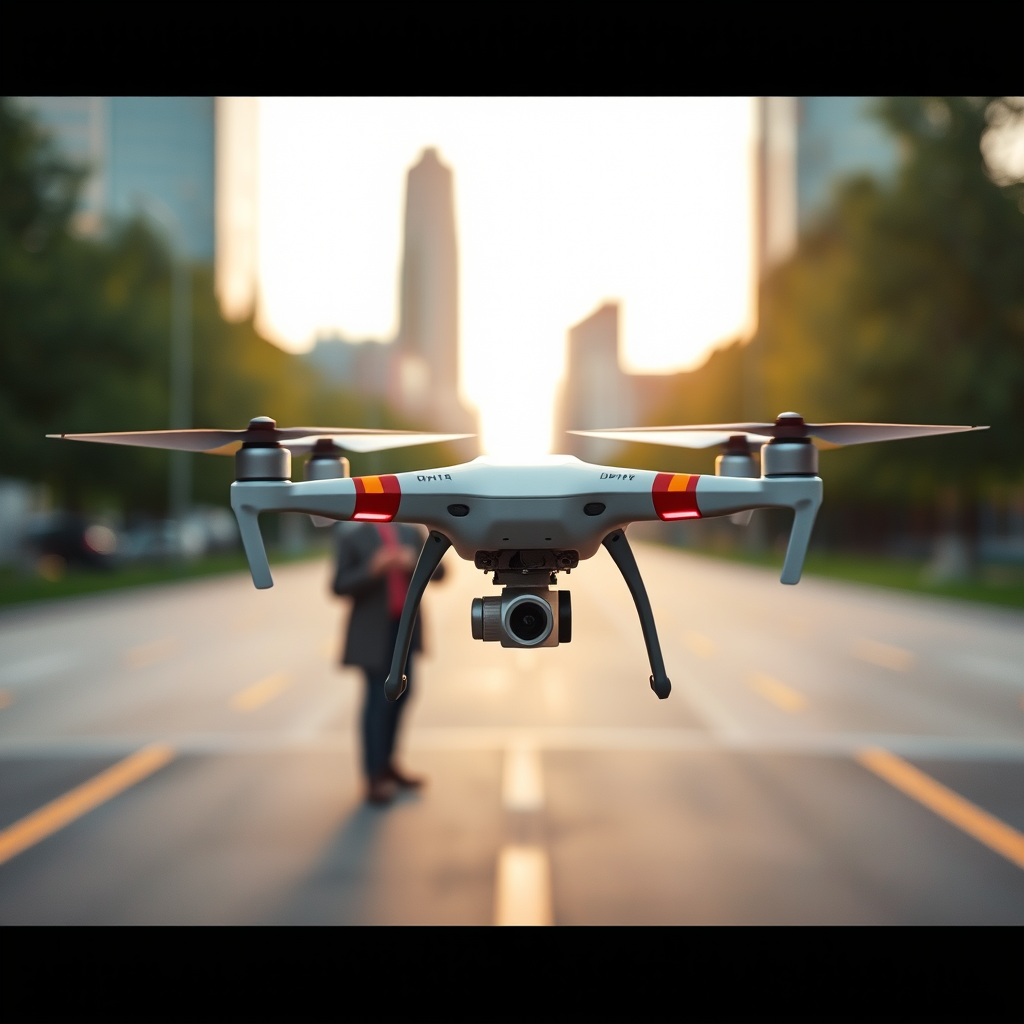
The Federal Aviation Administration (FAA) governs all drone operations in the United States, establishing rules that all drone operators must follow to ensure safety in the airspace. One of the primary regulations is that drones must be flown below 400 feet. This altitude restriction is designed to prevent interference with manned aircraft, which typically fly at higher altitudes. Additionally, drone operators must maintain visual line of sight with their drones at all times, meaning you should be able to see your drone without the assistance of binoculars or other devices.
Another essential regulation is the requirement for drone pilots to register their drones if they are above 0.55 pounds. Registration can be done online through the FAA’s website, and it involves providing basic information about the drone and the pilot. Furthermore, it is important to be aware of Temporary Flight Restrictions (TFRs) and No Fly Zones, which can be established around events or sensitive areas. For example, flying near airports or military bases is strictly prohibited unless you have specific permissions. Understanding and following these regulations is not only a legal obligation but also a fundamental aspect of responsible drone operation.
Popular Parks for Drone Flying
New Jersey is home to numerous parks that provide breathtaking landscapes and ample space for drone flying.
– Liberty State Park: Located in Jersey City, this park offers stunning views of the Manhattan skyline and the Statue of Liberty. With its expansive open spaces, operators can capture breathtaking aerial shots of the New York Harbor. It’s advisable to fly during weekdays to avoid crowds and ensure a safer flying experience.
– Spruce Run Recreation Area: Situated in the picturesque Hunterdon County, Spruce Run features a large reservoir surrounded by natural beauty. The park is less congested compared to others, allowing drone enthusiasts to enjoy the serene environment while capturing the diverse wildlife and lush landscapes. The ample space and minimal air traffic make it an ideal spot for both casual flyers and serious photographers.
When flying in these parks, it is essential to check for any specific rules or restrictions that may apply. Some parks may have designated areas for drone flying, while others might prohibit it entirely. Therefore, it’s wise to research beforehand or consult park rangers to ensure compliance with all regulations.
Beaches Ideal for Drone Use
New Jersey’s coastline is dotted with beautiful beaches that are perfect for drone enthusiasts.
– Cape May Beach: Known for its Victorian architecture and beautiful sandy shores, Cape May is an excellent location for aerial photography. The beach is often less crowded early in the morning or during weekdays, providing an ideal opportunity for capturing stunning coastal imagery without disturbances. However, it’s important to be mindful of local beach regulations, especially during the summer months when beachgoers are plentiful.
– Island Beach State Park: This park is a hidden gem for drone pilots. With its remote sections and unspoiled natural beauty, including dunes and marshlands, it allows for peaceful flying and stunning aerial views. The park’s vast open spaces mean that drone operators can take advantage of the stunning scenery while adhering to local guidelines. As always, be sure to respect any wildlife habitats and adhere to park rules.
Flying at the beach can present unique challenges, such as high winds and ocean currents. Pilots should ensure their drones are equipped for such conditions and be prepared to handle them safely.
Rural Areas and Open Spaces
Many rural regions in New Jersey provide vast, open spaces that are perfect for drone flying. Areas such as Sussex County and parts of Warren County are known for their expansive farmlands and scenic views, making them ideal locations for both recreational flying and aerial photography.
However, when flying in rural areas, it is critical to check local zoning laws to ensure compliance with any restrictions that may exist. Some municipalities may have specific ordinances regarding drone flights, especially near residential areas or wildlife habitats. Engaging with local drone communities can provide valuable insights on preferred flying spots and any regulations that apply.
Moreover, rural areas often have less air traffic, allowing for a more relaxed flying experience. Pilots should still be cautious and aware of their surroundings, as agricultural activities or wildlife can pose unexpected challenges.
Local Drone Clubs and Communities
Joining local drone clubs can significantly enhance your flying experience. These communities often provide valuable resources, including information on flyable locations, safety tips, and the latest drone technologies. Local clubs may organize events, competitions, and group flying sessions that can help you refine your skills and meet fellow enthusiasts.
For instance, clubs like the NJ Drone Users Group and the Tri-State Drone Club offer opportunities for networking and collaboration. Members often share insights about the best places to fly, upcoming events, and local regulations. Many clubs also provide workshops on drone maintenance, flying techniques, and photography tips, making them an excellent resource for both beginners and experienced pilots.
Engaging with these communities not only fosters a sense of camaraderie but also promotes safe and responsible flying practices, which is essential for the longevity of the drone flying hobby.
Safety and Etiquette Guidelines
Safety and etiquette are paramount when flying drones, not only for the operator but also for the surrounding community and environment. Here are some essential guidelines to follow:
– Respect Privacy: Always avoid flying over private property without obtaining permission from the owner. This respect for privacy is crucial in maintaining good relations within the community and adhering to legal standards.
– Mind Wildlife: Be particularly cautious when flying in areas known for wildlife. Avoid sensitive habitats, especially during nesting seasons, to prevent disturbing local fauna. Many parks and natural reserves have specific guidelines regarding wildlife protection that should be respected.
– Stay Informed: Stay updated on any changes in drone regulations or local laws that may affect your flying. This awareness not only helps you stay compliant but also ensures that you are flying safely and responsibly.
– Fly Responsibly: Always maintain control of your drone and be aware of your surroundings. Avoid flying in crowded areas or near people, and be mindful of the weather conditions that can affect your drone’s performance.
By adhering to these guidelines, drone pilots can contribute to a positive flying culture and ensure that drone operations remain safe and enjoyable for everyone involved.
Resources for Drone Pilots in NJ
Various resources are available to assist drone pilots in New Jersey. Websites like the NJ Division of Fish and Wildlife provide insights on regulated areas and potential flying restrictions. Additionally, state parks often have specific guidelines for drone usage that can be found on their official websites.
Utilizing apps like AirMap or B4UFLY can help pilots check airspace restrictions before flying. These apps provide real-time information about airspace classifications, temporary flight restrictions, and weather conditions, ensuring you are well-informed before taking to the skies.
Furthermore, local government websites and the FAA’s resources can offer valuable information regarding registration and compliance. Engaging with online forums and social media groups dedicated to drone flying can also provide support and share experiences with fellow pilots.
In conclusion, New Jersey offers a variety of locations where you can safely fly your drone, from parks and beaches to rural expanses. By understanding and adhering to FAA regulations and local laws, you can enjoy a positive flying experience. Engaging with local communities and utilizing available resources will further enhance your skills and knowledge as a drone pilot. Remember to prioritize safety and etiquette, ensuring that your drone flying is both enjoyable and responsible. Happy flying!
Frequently Asked Questions
What are the legal regulations for flying a drone in New Jersey?
In New Jersey, drone operators must adhere to both federal and state regulations. According to the Federal Aviation Administration (FAA), drones must be registered if they weigh over 0.55 pounds. Additionally, pilots are required to fly below 400 feet, keep their drone within visual line of sight, and avoid flying over people or moving vehicles. It’s also essential to check for local laws or park rules that may impose additional restrictions.
Where can I find designated places to fly my drone in NJ?
There are many designated areas for flying drones in New Jersey, including state parks, recreational fields, and designated drone parks. Popular locations include the Liberty State Park for scenic views of Manhattan, and the Assunpink Wildlife Management Area, which offers spacious open areas. Always check local regulations and obtain any necessary permits before flying, especially in crowded or sensitive areas.
How do I ensure I am flying my drone safely in New Jersey?
To fly safely in New Jersey, always follow FAA guidelines and local regulations. This includes avoiding restricted airspace near airports, schools, and emergency response areas. Additionally, check the weather conditions before flying, ensure your drone is in good working order, and respect the privacy of others by not flying over populated areas or private property without permission.
Why is it important to know the no-fly zones in New Jersey?
Understanding no-fly zones in New Jersey is crucial to ensure safety and compliance with legal regulations. These zones are typically established around airports, military bases, and densely populated areas to prevent accidents and maintain airspace security. Flying in restricted areas can result in severe penalties, including fines and the potential for criminal charges, so always verify the airspace restrictions before flying.
What are the best practices for flying a drone in New Jersey’s parks and recreational areas?
When flying a drone in New Jersey’s parks, adhere to best practices such as checking for specific park regulations regarding drone usage, maintaining a safe distance from people and wildlife, and respecting the environment. Always obtain any required permits, avoid flying during peak visitor times to minimize disturbances, and ensure you have the appropriate insurance coverage. Engaging in responsible flying enhances safety and ensures a positive experience for all park visitors.
References
- https://www.faa.gov/uas/getting_started/where_to_fly
- https://www.nj.gov/transportation/business/drones/
- https://www.wildlife.nj.gov/education/drones.htm
- https://www.nj.gov/dep/parksandforests/parks/drones.html
- https://www.nj.gov/dep/parksandforests/parks/drones.html
- https://www.faa.gov/uas/recreational_fliers/
- https://www.nj.gov/dep/parksandforests/parks/documents/DronePilotGuide.pdf
