
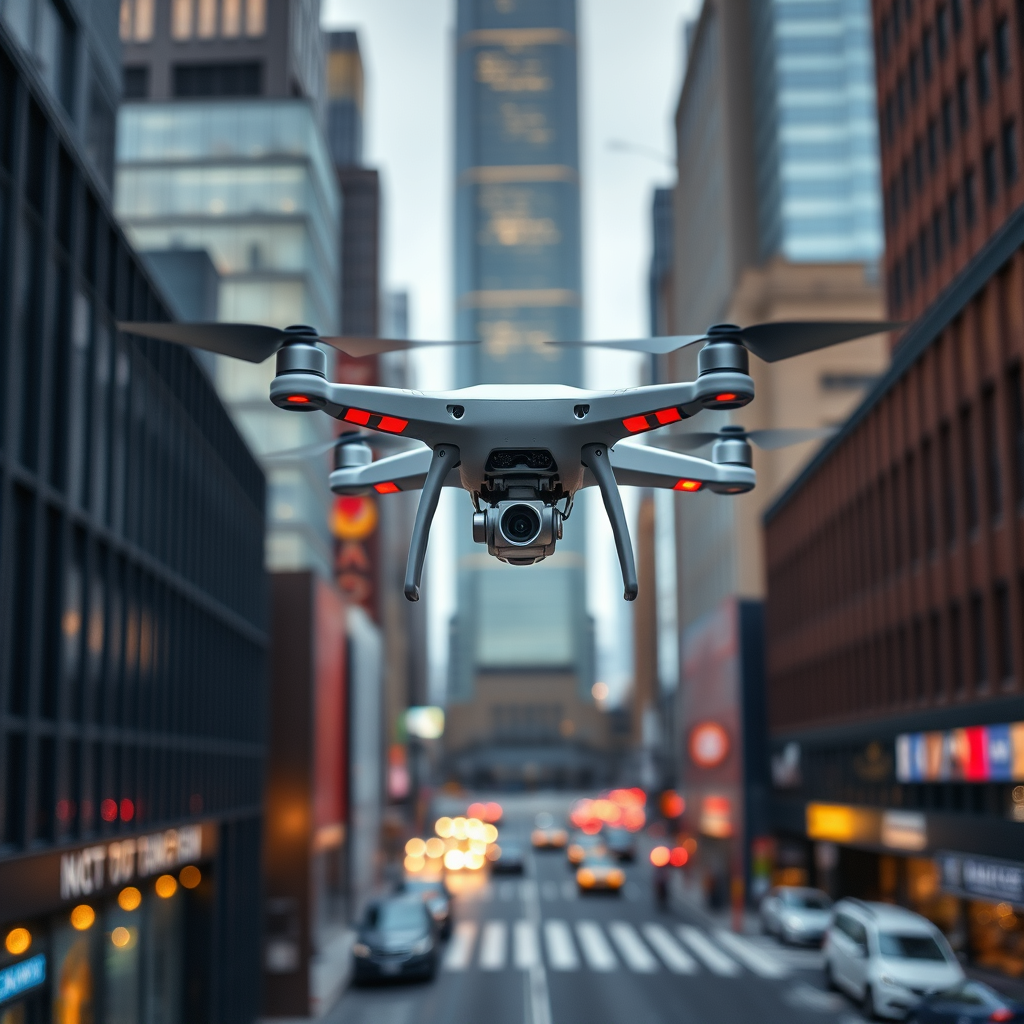
Flying a drone in New York City is possible, but it comes with specific regulations and designated areas. Understanding where you can legally operate your drone is essential for both safety and compliance with local laws. This guide will pinpoint the best locations and important rules to consider, ensuring you can enjoy your drone flying experience without the risk of penalties or safety hazards.
Understanding NYC Drone Regulations
When operating a drone in New York City, it is crucial to adhere to both federal and local regulations. The Federal Aviation Administration (FAA) governs drone usage across the United States, mandating that all drones weighing over 0.55 pounds be registered. This registration process is straightforward and can be completed online, providing essential accountability for drone operators. Additionally, NYC has implemented local laws that further restrict drone flying in certain areas. For instance, using drones in public parks is often subject to additional regulations, and flying near critical infrastructure—such as bridges, tunnels, and government buildings—is prohibited to protect public safety and privacy.
Moreover, New York City has designated specific no-fly zones, which are essential to understand for anyone looking to operate a drone in the city. Compliance with these regulations is not just a legal obligation; it also contributes to the safety of the public and the successful integration of drones into urban environments.
Designated Areas for Drone Flying
Despite the regulations, there are designated areas in NYC where drone flying is permitted. Several parks, such as Flushing Meadows-Corona Park and Marine Park, allow drone enthusiasts to take to the skies. However, even in these parks, it is important to check local rules and obtain any necessary permits, as regulations can change frequently. Each park may have its own set of guidelines regarding the time of day drones can be flown, the maximum altitude, and the required distance from people and property.
Another potential area for drone operation is rooftop spaces in commercial areas. Some property owners may allow drone flights on their rooftops, provided that you have obtained prior permission. This creates opportunities for unique aerial photography and surveying, but it is imperative to ensure that you have written consent and that your flying does not interfere with the surrounding environment or violate any local laws.
No-Fly Zones in NYC
Understanding no-fly zones is essential for all drone operators in NYC. One of the most critical areas to avoid is all airports within the vicinity, including JFK and LaGuardia. The FAA enforces strict regulations around these airports due to the potential risk drones pose to manned aircraft. Flying within a five-mile radius of these airports without prior notification is illegal and can lead to severe penalties.
In addition to airports, there are numerous restricted areas throughout the city. Government buildings, such as the United Nations headquarters and various city agencies, are classified as no-fly zones. Large public events, such as parades, concerts, and sporting events, are also off-limits for drone operators to respect the safety and privacy of attendees. Violating these no-fly zones can result in fines, confiscation of equipment, and legal repercussions.
Best Practices for Flying Drones in NYC
To ensure a safe and enjoyable flying experience, drone operators should adhere to best practices. First and foremost, always check the weather conditions before taking off. Wind, rain, and low visibility can significantly impact drone performance and safety. Understanding the forecast will help you determine the best times to fly, thus minimizing risks.
Additionally, maintaining a visual line of sight with your drone at all times is not just a best practice; it is a legal requirement under FAA regulations. This means that you should be able to see your drone without the aid of binoculars or other visual enhancement tools. Keeping your drone within sight allows you to react swiftly to any potential hazards or changes in the environment.
Lastly, it is wise to familiarize yourself with the surrounding area before flying. Understanding potential obstacles, such as trees, buildings, and other drones, will help you navigate your flight path safely.
Obtaining Necessary Permits
If you plan to use your drone for commercial purposes, obtaining the necessary permits is crucial. The FAA requires commercial drone operators to acquire a Part 107 certification, which involves passing a knowledge test covering various aspects of aviation, including airspace classifications, weather, and drone operation regulations. This certification not only legitimizes your drone flying but also enhances your credibility as a professional.
In addition to FAA regulations, local permits may be required for flying in specific areas, particularly public parks. It is advisable to contact the NYC Parks Department or the relevant authorities to inquire about any specific regulations or permit applications needed for your intended flying location. This proactive approach will help you avoid fines and ensure compliance with local laws.
Resources for Drone Operators
Staying informed is key to successful drone operation in NYC. The NYC Parks website is a valuable resource for updates on drone regulations, designated areas, and any changes in local laws. Regularly checking these resources can help you stay compliant and informed about any new flying restrictions or opportunities.
Additionally, joining local drone clubs or online forums can provide invaluable insights and tips from experienced drone operators. These communities often share their experiences, best practices, and advice on navigating the complexities of flying in urban environments. Engaging with fellow enthusiasts can also foster a sense of community and support as you explore the exciting world of drone flying.
In summary, flying a drone in New York City can be a rewarding experience, but it requires a thorough understanding of regulations and designated areas. By staying informed about no-fly zones, obtaining necessary permits, and adhering to best practices, you can ensure a safe and enjoyable flying experience. Always prioritize safety and compliance to make the most of your drone adventures in the bustling urban landscape of NYC.
Frequently Asked Questions
What are the legal restrictions for flying a drone in NYC?
In New York City, flying a drone is subject to strict regulations imposed by the Federal Aviation Administration (FAA) and local laws. Drones cannot be flown above 400 feet, within five miles of an airport, or over populated areas and gatherings. Additionally, NYC prohibits drone use in city parks, public spaces, and near landmarks, making it crucial for drone operators to familiarize themselves with these regulations to avoid fines and legal issues.
Where are the best places to fly a drone in NYC?
The best places to fly a drone in NYC are typically found outside the city limits or in designated areas where drone use is permitted. Popular spots include parks like Freshkills Park on Staten Island and the vast open spaces of Flushing Meadows-Corona Park in Queens. Always check local regulations and obtain any necessary permits to ensure compliance before flying your drone in these locations.
How can I obtain permission to fly a drone in restricted areas of NYC?
To obtain permission to fly a drone in restricted areas of NYC, you need to apply for a waiver from the FAA for operations that do not comply with standard regulations. Additionally, you may need to seek permits from city agencies, such as the NYC Department of Transportation or the Parks Department, depending on the specific location. Be prepared to provide detailed flight plans and safety measures to demonstrate that you can operate your drone responsibly.
Why is it important to register your drone before flying in NYC?
Registering your drone is crucial because it not only complies with FAA regulations but also enhances safety and accountability in the airspace. In NYC, where drone use is highly scrutinized, having your drone registered can help authorities identify you as a responsible operator and may reduce the likelihood of fines or confiscation. Plus, registered drones are easier to track in case of accidents or incidents.
Which drone models are best for flying in urban environments like NYC?
When flying in urban environments like NYC, it’s best to choose compact and lightweight drones with robust stability and good camera capabilities. Models like the DJI Mini 2 and the Autel Robotics EVO Lite are popular choices, as they are portable, easy to maneuver, and equipped with features that enhance flying in tight spaces. Additionally, look for drones with obstacle avoidance systems to navigate the complexities of urban landscapes safely.
References
- https://www.faa.gov/uas/getting_started/where_to_fly
- https://www.nyc.gov/site/sbs/nyc-business/faq-drone-usage.page
- https://www.nyc.gov/assets/planning/download/pdf/applicants/drone-facts.pdf
- https://www.nyc.gov/site/dep/environment/drone-information.page
- https://www.nyc.gov/site/parks/about/drone-policy.page
- https://www.nytimes.com/2021/10/01/nyregion/drone-nyc.html
- https://www.wired.com/story/drone-laws-new-york-city/
- https://www.nyc.gov/site/sbs/nyc-business/faq-drone-usage.page
