

If you’re looking to fly your drone in Anchorage, there are several fantastic locations that cater to drone enthusiasts. The city boasts a range of parks, open fields, and scenic waterfronts that provide excellent opportunities for aerial photography and exploration. However, it is crucial to adhere to local regulations and guidelines to ensure safety and compliance. Below, we explore the best spots and necessary rules for flying your drone safely and responsibly.
Popular Parks for Drone Flying
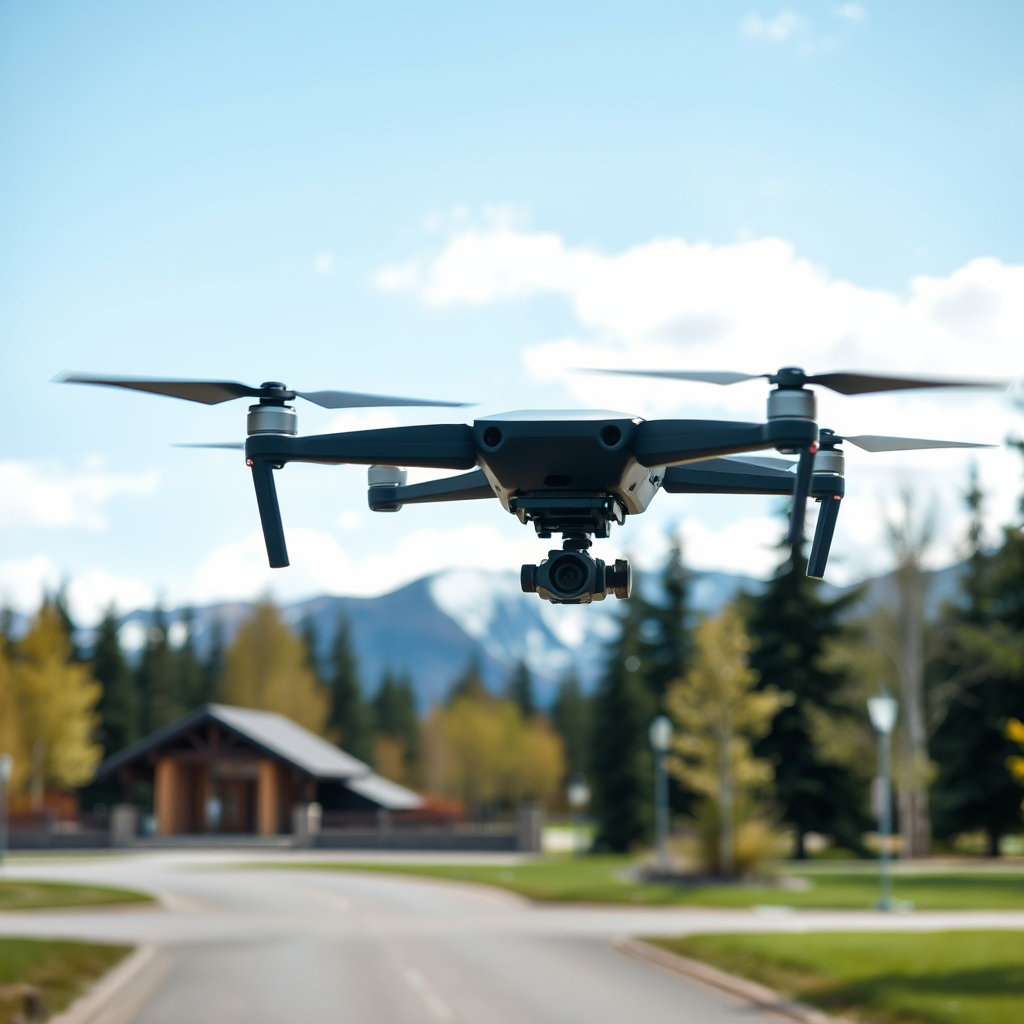
– Kincaid Park: Kincaid Park is a premier location for drone enthusiasts, offering expansive open fields and stunning views of the Cook Inlet coastline. With over 1,500 acres of wooded areas, trails, and open spaces, this park allows for ample flight opportunities while providing beautiful backdrops for your aerial shots. The varied terrain, including forests and beach access, can enhance your drone photography, making it a favorite among local pilots.
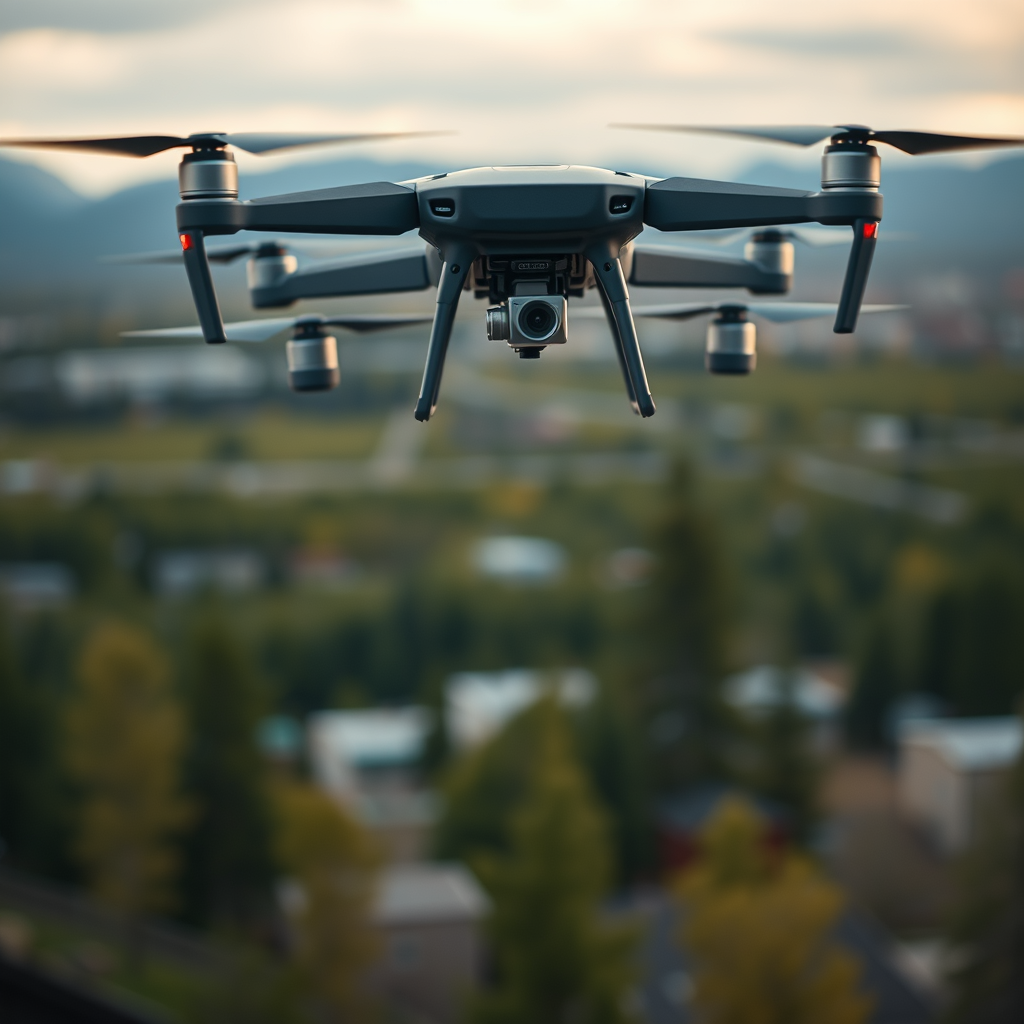
– Earthquake Park: Situated along the coast, Earthquake Park is another gem for drone operators looking to capture breathtaking landscapes. The park features large fields and well-maintained trails that facilitate unobstructed flying. The historical significance of the park, stemming from the 1964 earthquake, adds an intriguing element to your aerial adventures. The sweeping views of the Turnagain Arm provide diverse photography options, especially during sunrise and sunset.
Open Fields and Recreational Areas
– Russian Jack Springs Park: This spacious park is perfect for drone flying due to its wide-open areas with minimal obstructions. Russian Jack Springs Park provides an ideal setting for practicing your flying skills, experimenting with different maneuvers, and recording scenic videos. The park’s diverse wildlife and natural habitats offer a unique perspective for capturing nature from above, making it an excellent location for both beginners and experienced pilots.
– Campbell Creek Greenbelt: The Campbell Creek Greenbelt is another expansive area that offers plenty of room for drone activities. This greenbelt features trails along the creek, surrounded by lush vegetation, providing a tranquil backdrop for your flights. The variety of landscapes within the greenbelt, including wetlands and wooded areas, can enhance your aerial footage and make your flying experience more enjoyable.
Waterfront Locations
– Lake Hood: Known as one of the busiest floatplane airports in the world, Lake Hood is a popular destination for drone enthusiasts interested in capturing aerial views of the water and surrounding nature. The lake provides several vantage points to observe and photograph the vibrant wildlife, including birds and other aquatic species. When flying here, be mindful of the active aviation traffic and follow the necessary guidelines to ensure a safe experience.
– Turnagain Arm: For breathtaking coastal views, Turnagain Arm is an extraordinary location to fly your drone. This area is famous for its dramatic landscapes, including towering mountains and tidal flats. However, it’s important to exercise caution while flying here due to the potential presence of wildlife and rapidly changing weather conditions. The stunning vistas make it an ideal spot for capturing stunning videos and photographs, especially during the golden hours of sunrise and sunset.
Important Regulations to Know
– FAA Guidelines: Before flying your drone in Anchorage or anywhere else in the United States, it’s essential to familiarize yourself with Federal Aviation Administration (FAA) regulations. These guidelines cover critical aspects such as altitude limits (generally capped at 400 feet), no-fly zones (particularly near airports and certain public areas), and requirements for registering your drone if it weighs over 0.55 pounds. Understanding these regulations not only ensures your safety but also the safety of others in the vicinity.
– Local Laws: In addition to federal regulations, it’s crucial to research specific laws that may apply to drone flying in Anchorage. Local ordinances can dictate where drones can be flown, particularly in parks and recreational areas. For example, some parks may have restrictions on drone use during specific hours or require special permits for commercial photography. Always check the Anchorage Municipality website or consult local authorities to stay informed about any updates or changes in regulations.
Safety Tips for Drone Flying
– Pre-Flight Checklist: To ensure a safe and successful flying experience, conduct a thorough pre-flight checklist. This includes checking your drone’s battery life, calibrating GPS, and confirming that all parts are functioning correctly. Familiarize yourself with the area you plan to fly in and be aware of any potential hazards, such as power lines, trees, or wildlife. Taking these precautions can help prevent accidents and enhance your overall flying experience.
– Respect Privacy: As a responsible drone pilot, it’s essential to respect the privacy of others. Avoid flying over private property without explicit permission and be considerate of others enjoying the same outdoor spaces. If you’re capturing images or videos, ensure that you are not infringing on anyone’s privacy rights. This not only fosters goodwill within the community but also helps to maintain a positive reputation for drone operators in Anchorage.
Community Resources
– Local Drone Clubs: One of the best ways to enhance your drone-flying experience is to connect with local drone clubs. These organizations provide a platform for enthusiasts to share tips, experiences, and knowledge about the best flying locations in Anchorage. Joining a club can also offer opportunities for group flights, workshops, and access to exclusive events, helping you to improve your skills and connect with like-minded individuals.
– Online Forums: Engaging in online forums dedicated to drone flying can be incredibly beneficial for both novice and experienced pilots. These platforms allow you to ask questions, share experiences, and stay updated on local regulations and flying spots. Websites like Reddit and specialized drone forums provide a wealth of information and insights from experienced pilots, giving you access to a community of support and knowledge.
In conclusion, Anchorage offers a variety of excellent spots to fly your drone, from expansive parks to breathtaking waterfronts. By adhering to local regulations and respecting the environment and community, you can enjoy a fulfilling drone-flying experience. Whether you are capturing stunning aerial photographs or simply enjoying the thrill of piloting your drone, Anchorage provides ample opportunities for adventure. Happy flying!
Frequently Asked Questions
What are the regulations for flying drones in Anchorage?
In Anchorage, drone operators must adhere to both federal and local regulations. The Federal Aviation Administration (FAA) requires drone pilots to register their drones if they weigh more than 0.55 pounds and to fly below 400 feet. Additionally, it’s essential to avoid flying near airports, crowded areas, and restricted zones like military bases. Always check local laws and guidelines to ensure compliance, as Anchorage may have specific rules regarding drone usage in parks and public spaces.
Where are the best places to fly my drone in Anchorage?
Some of the best places to fly your drone in Anchorage include Kincaid Park, Earthquake Park, and the Tony Knowles Coastal Trail, where you can capture stunning views of the landscape and wildlife. However, be mindful of the regulations in these areas, especially regarding any no-fly zones. Always prioritize safety and be considerate of other visitors, making sure to keep your drone away from crowded areas and wildlife.
How can I find no-fly zones for drones in Anchorage?
To identify no-fly zones for drones in Anchorage, you can use the FAA’s B4UFLY app, which provides real-time information about airspace restrictions. Additionally, checking local government resources or contacting the Anchorage Parks and Recreation Department can provide insights into specific drone regulations in public parks and recreational areas. Staying informed about these zones is crucial for responsible drone flying.
Why is it important to check airspace restrictions before flying my drone in Anchorage?
Checking airspace restrictions before flying your drone in Anchorage is vital for ensuring safety and compliance with the law. Certain areas are designated as no-fly zones due to proximity to airports, military facilities, or other sensitive locations. Flying in restricted airspace can lead to fines, confiscation of your drone, or even criminal charges, which is why it’s crucial to stay informed and fly responsibly.
What should I do if I encounter wildlife while flying my drone in Anchorage?
If you encounter wildlife while flying your drone in Anchorage, it’s essential to prioritize their well-being and safety. Avoid flying too close to animals, as this can cause stress or disrupt their natural behavior. If wildlife appears to be disturbed, you should immediately maneuver your drone away and land it in a safe location. Additionally, familiarize yourself with any local guidelines regarding drone flights near wildlife habitats to minimize impact on local ecosystems.
References
- https://www.faa.gov/uas/getting_started/where_to_fly
- https://www.faa.gov/uas/
- https://www.drones.gov/
- https://www.anchorage.gov/
- https://www.nps.gov/subjects/drones/index.htm
- https://www.alaska.edu/
- https://www.droneflyers.com/
- https://www.theverge.com/2020/1/17/21070993/drone-regulations-faa-anchorage-legal-guidelines
