

To fly your drone in Canada, you must adhere to the regulations set by Transport Canada, which outline specific areas where drone flight is permitted. While drones can generally be flown in many public spaces, restrictions apply in urban areas, near airports, and in national parks. This guide aims to equip you with the necessary knowledge to navigate the best places to fly your drone across Canada while ensuring compliance with safety regulations.
Understanding Canadian Drone Regulations
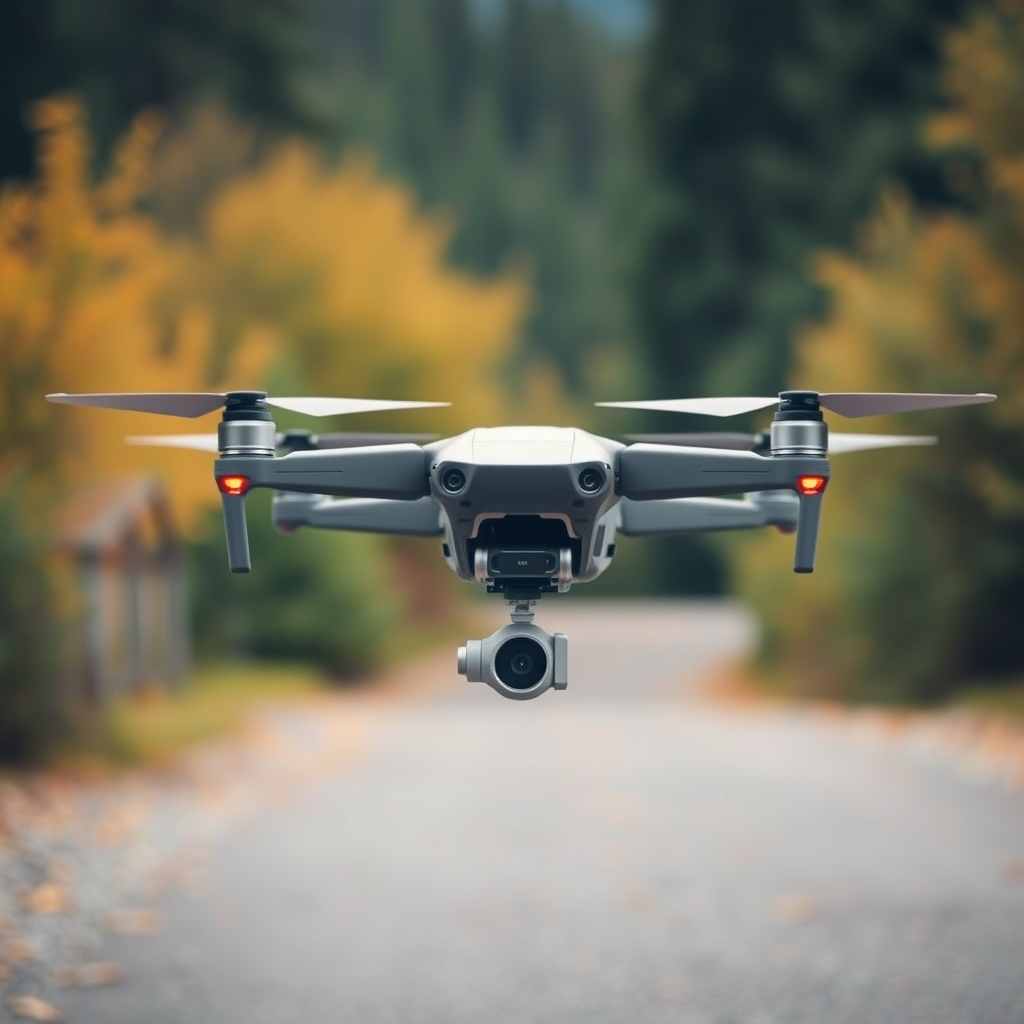
Transport Canada governs drone operations in the country, ensuring that safety and compliance standards are maintained. The regulations vary depending on the weight of the drone and the purpose of its use, which can be categorized as either recreational or commercial.
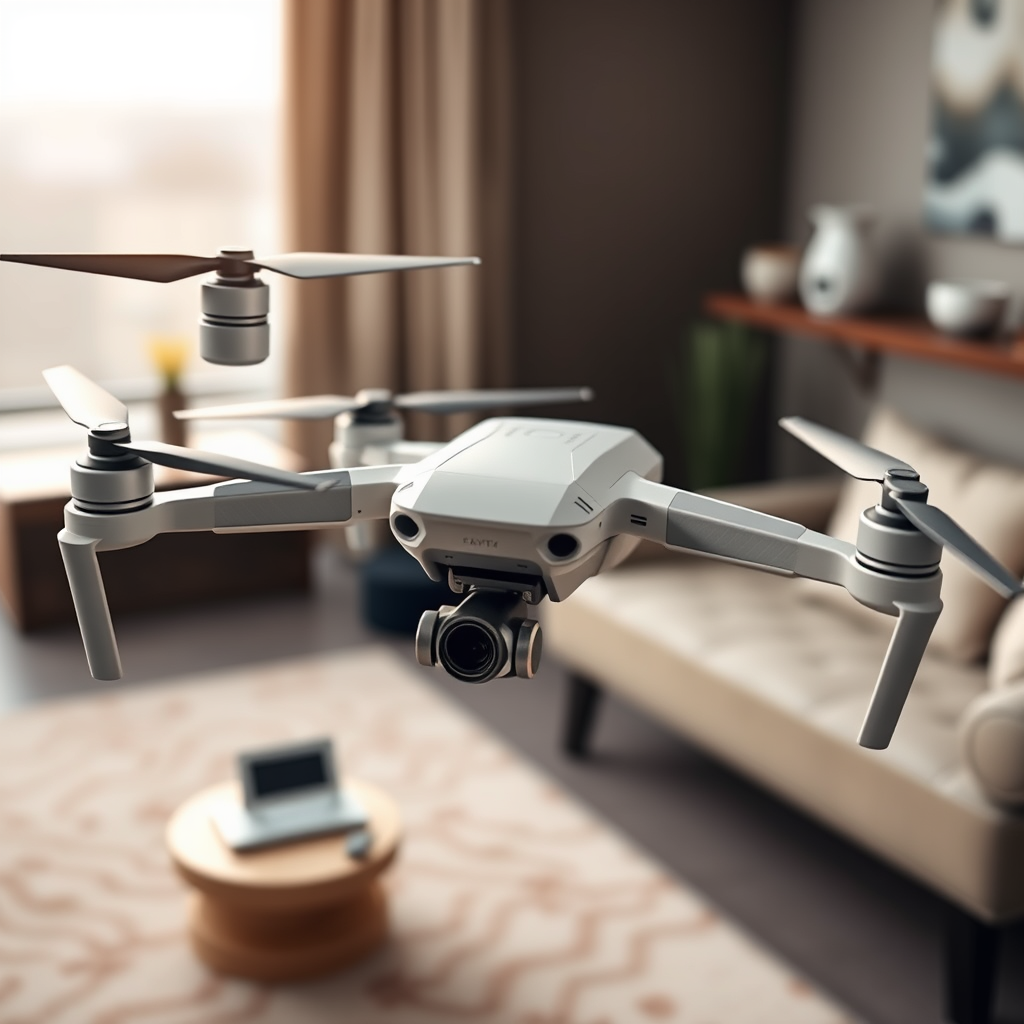
For drones weighing more than 250 grams, pilots must obtain a Certificate of Registration and a Pilot Certificate. Recreational flyers must follow the Basic Rules, which include flying below 122 meters (400 feet), maintaining visual line-of-sight, and avoiding flying within 5.6 kilometers (3.5 miles) of airports or heliports. In contrast, commercial operators must adhere to more stringent requirements, including obtaining a Special Flight Operations Certificate (SFOC) for flight in controlled airspace or beyond visual line-of-sight.
Understanding these regulations is crucial not only for legal compliance but also for ensuring the safety of yourself and others while flying your drone.
Popular Locations for Drone Flying
Canada is home to a multitude of breathtaking landscapes that are ideal for drone enthusiasts. National parks, such as Banff and Jasper in Alberta, are renowned for their stunning vistas, including majestic mountains and pristine lakes. However, it’s essential to note that these parks come with specific restrictions. For instance, flying drones in national parks often requires a special permit, as it can disturb wildlife and other visitors.
Along the coastal areas of British Columbia, drone pilots can capture stunning views of the Pacific Ocean, dense forests, and rugged shorelines. Locations such as Tofino and the Gulf Islands provide open spaces that generally allow for drone flights, but pilots should always be aware of local regulations and wildlife conservation areas.
In urban settings, while parks and waterfronts can offer picturesque backdrops, restrictions may prevent flights in certain locations. Areas such as Toronto’s waterfront or Vancouver’s Stanley Park can be suitable but require adherence to local bylaws.
Urban vs. Rural Flying
The distinction between urban and rural flying is significant when considering where to operate your drone. Urban areas are typically subject to stricter regulations due to population density, potential hazards, and safety concerns. In cities like Toronto, Montreal, and Vancouver, drone operators may encounter limitations that require permits for specific areas, particularly near large gatherings or critical infrastructure.
Conversely, rural areas generally provide a more favorable environment for drone flying. With less air traffic and fewer obstacles, pilots can enjoy greater freedom and flexibility. Regions like the Prairies or Northern Ontario offer vast open spaces, allowing for longer flight times and the opportunity to capture expansive landscapes without the constraints imposed by urban environments.
However, regardless of location, drone pilots should always prioritize safety and respect local regulations to ensure a positive flying experience.
No-Fly Zones
No-fly zones are critical areas where drone flights are strictly prohibited to safeguard air traffic and public safety. Airports and heliports are the most prominent no-fly zones, with a minimum exclusion radius of 5.6 kilometers (3.5 miles) around them. This regulation is essential to prevent any potential interference with manned aircraft operations.
Additionally, areas near government buildings, military installations, and sensitive sites may also have restrictions on drone usage. For example, flying drones near the Parliament Buildings in Ottawa or military bases like CFB Trenton is prohibited. It is crucial for pilots to familiarize themselves with these no-fly zones and to consult Transport Canada’s resources or apps that can provide real-time information on restricted areas.
Best Practices for Drone Pilots
To ensure a safe and enjoyable flying experience, drone pilots should adopt best practices that promote responsible usage. Always begin by checking local regulations, which can vary significantly from one area to another. This preparation helps avoid penalties and enhances safety.
Respecting privacy is paramount; avoid flying over private property without permission from the property owner. Moreover, always maintain visual line-of-sight with your drone and avoid flying in adverse weather conditions, such as high winds or rain, which can affect control and safety.
Additionally, consider joining local drone clubs or communities, where you can learn from experienced pilots, share knowledge, and gain insights into the best flying spots in your region. Networking with fellow enthusiasts can also provide valuable support in navigating the complexities of drone regulations.
Resources for Drone Pilots
For drone pilots seeking comprehensive guidelines and resources, Transport Canada’s website is an invaluable tool. It offers detailed information on regulations, safety tips, and maps of restricted zones across the country. Pilots can also find guidance on how to register their drones and obtain the necessary certifications.
Local drone clubs and online forums can serve as excellent resources for sharing experiences and advice. Websites like the Drone Pilot Canada community or the various Facebook groups dedicated to drone enthusiasts provide platforms for interaction and information exchange.
Additionally, mobile apps such as UAV Forecast and Airmap can help pilots check real-time airspace information, weather conditions, and no-fly zones, enhancing the overall flying experience.
In conclusion, knowing where you can fly your drone in Canada involves a thorough understanding of regulations, identifying suitable locations, and adhering to best practices. By prioritizing safety and staying informed about the latest guidelines, drone enthusiasts can enjoy a rewarding flying experience while contributing to a culture of responsible drone usage.
Frequently Asked Questions
What are the legal restrictions for flying my drone in Canada?
In Canada, drone operators must adhere to regulations set by Transport Canada. This includes flying below 400 feet, maintaining a visual line of sight with the drone, and avoiding restricted airspaces such as near airports, military bases, and populated areas. Additionally, you must not fly your drone over crowds or within 30 meters of people, and certification may be required for advanced operations.
How can I find designated areas for drone flying in Canada?
To find designated areas for flying your drone in Canada, you can utilize resources like the Government of Canada’s Drone Site Selection Tool, which provides information on where you can fly legally. Additionally, local drone clubs and communities often share spots that are safe and legal for flying. It’s also wise to check with municipal regulations as they may have their own restrictions.
Why is it important to check for airspace restrictions before flying my drone in Canada?
Checking for airspace restrictions is crucial to ensure safety and compliance with the law. Flying in restricted areas can lead to fines, confiscation of your drone, or even legal action. Moreover, awareness of airspace restrictions helps prevent accidents, especially around airports and emergency response zones, ensuring that both your drone and other aircraft remain safe.
What are the best practices for flying my drone in public parks in Canada?
When flying your drone in public parks in Canada, always obtain permission from park authorities, as many parks have specific regulations regarding drone use. Follow the basic safety guidelines, such as flying at a safe distance from people and wildlife, maintaining visual line of sight, and being aware of your surroundings. Additionally, consider the time of day and weather conditions to ensure a safe flying experience.
Which drones are best suited for flying in urban areas in Canada?
When flying in urban areas in Canada, it’s best to choose drones that are compact, lightweight, and equipped with advanced safety features such as obstacle avoidance sensors. Popular models like the DJI Mini 2 and Mavic Air 2 offer portability, excellent camera quality, and ease of use. Remember that even with the right drone, you must adhere to local regulations regarding urban flying to minimize risks and remain compliant.
References
- https://www.canada.ca/en/transport-canada/services/drone-safety.html
- https://www.tc.gc.ca/en/services/drone-safety.html
- https://en.wikipedia.org/wiki/Drone_regulation_in_Canada
- https://www.cbc.ca/news/canada/drone-regulations-1.5642116
- https://www.nrcan.gc.ca/science-data/science-research/earth-sciences/geographic-information/geomatics/drone-safety/22286
- https://www.transportation.gov/individuals/aviation-consumer-protection/consumer-protection-drones
- https://www.theglobeandmail.com/business/article-drone-regulations-in-canada/
