
You cannot fly a drone in specific areas that are restricted for safety, security, or privacy reasons. Understanding these no-fly zones is crucial for responsible drone operation. This article will explore the various locations where drone flying is prohibited and the reasons behind these restrictions, ensuring that drone enthusiasts operate within the law while respecting the safety of others.
Understanding No-Fly Zones
No-fly zones are designated areas where the operation of unmanned aerial vehicles (UAVs), commonly known as drones, is restricted or prohibited. These zones exist to protect sensitive locations, manage air traffic, and preserve public safety. They play a critical role in ensuring that drone operators do not inadvertently cause harm to people, property, or wildlife. Regulatory bodies, such as the Federal Aviation Administration (FAA) in the United States, establish specific guidelines and regulations that outline these no-fly zones. Familiarizing oneself with these regulations is essential for any drone pilot, as operating in restricted areas can lead to significant legal penalties, including fines and confiscation of the drone.
Airports and Air Traffic Areas
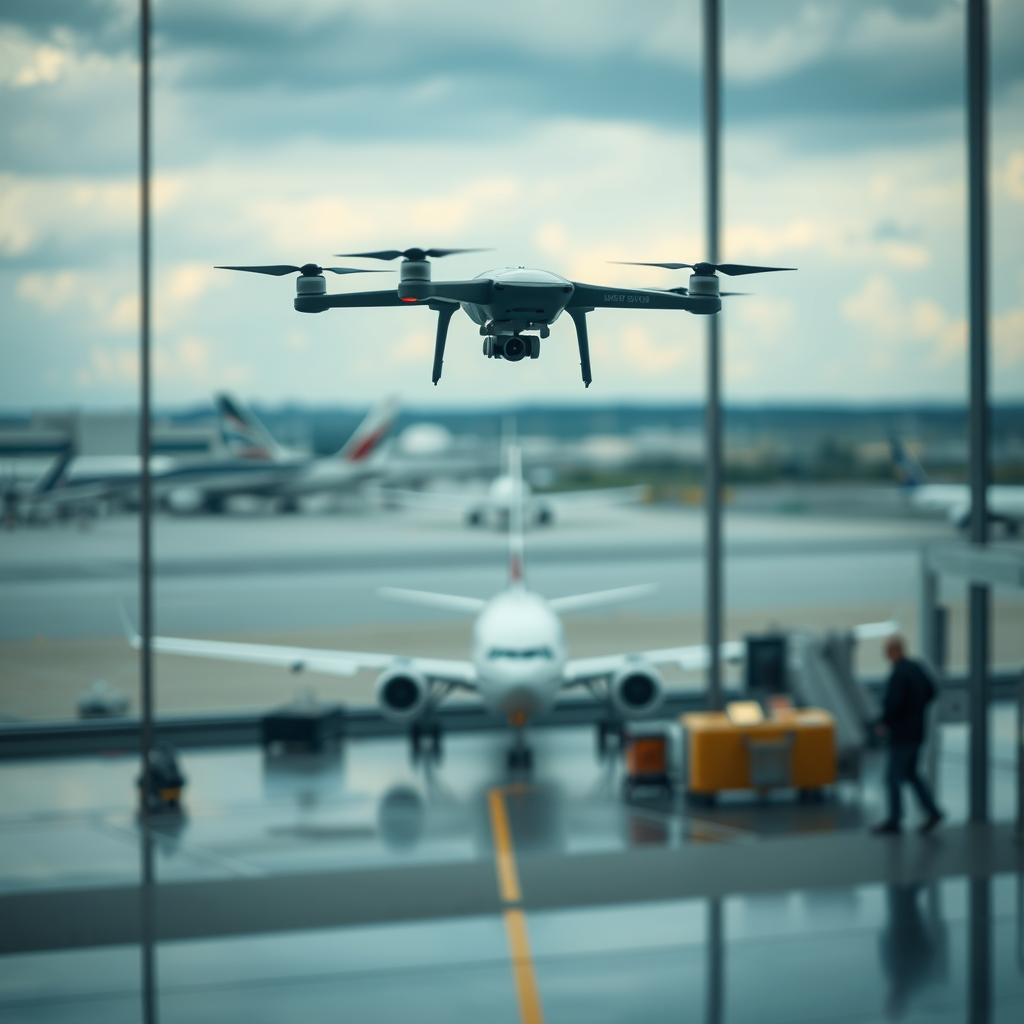
One of the most well-known restrictions for drone operators is the proximity to airports and helipads. The FAA mandates that drone pilots must remain at least 5 miles away from any airport without prior authorization. This regulation is crucial for maintaining safe air traffic management, as drones can interfere with manned aircraft operations, potentially leading to dangerous situations.
Air traffic control zones are also subject to strict regulations. These zones are designated to manage the flow of aircraft in busy airspace, and unauthorized drone flights can pose serious risks to both aviation safety and security. Drone operators must be aware of the airspace classifications in their area, such as controlled, uncontrolled, and special use airspace, to ensure compliance with the established flight restrictions.
National Parks and Wildlife Reserves
The use of drones in national parks and wildlife reserves is heavily regulated due to concerns over environmental impact. Many national parks, such as Yellowstone and Yosemite, have enacted comprehensive bans on drone usage to protect wildlife and preserve the natural landscape. Drones can disrupt animal behavior, interfere with breeding patterns, and even pose a threat to the safety of both wildlife and visitors.
For instance, the National Park Service has implemented these rules to minimize disturbances that drones can cause, such as scaring animals away from their habitats or creating noise pollution that detracts from the natural experience for park-goers. Understanding these regulations is vital for drone operators who wish to engage in aerial photography or other recreational activities in these protected areas.
Urban Areas and Crowded Places
Flying drones in urban areas and crowded places presents unique challenges and restrictions. Many cities have enacted local ordinances that prohibit drone operation in densely populated areas, especially during large public events such as concerts, festivals, or sporting events. The primary concerns here are safety and privacy.
The risk of accidents increases significantly in crowded environments, where a drone malfunction could lead to injuries or property damage. Moreover, privacy issues arise when drones are used to capture images or video footage of individuals without their consent. Urban drone pilots must remain vigilant about local laws and regulations, as violating these can lead to legal repercussions and public backlash.
Military Bases and Government Facilities
No-fly restrictions around military installations and sensitive government facilities are stringent due to national security concerns. Areas such as military bases, research facilities, and government buildings often have designated no-fly zones to protect classified information and secure sensitive operations.
The FAA and military authorities strictly enforce these restrictions, and drone pilots who inadvertently fly into these areas can face severe penalties, including fines and potential criminal charges. For instance, in 2020, a drone pilot was arrested for flying his UAV over a military base in Virginia, highlighting the serious implications of ignoring these vital regulations.
Private Property and Restricted Areas
When operating a drone, it is crucial to respect private property rights. Drone pilots must obtain permission before flying over private land, as trespassing laws apply to aerial activities just as they do on the ground. Failing to seek consent can lead to legal disputes and potential civil liabilities for damages.
Identifying restricted areas can also extend beyond private property. Event venues, such as stadiums or concert halls, often have their own rules governing drone use, particularly during events. Drone operators should always check for any posted signs or advisories that indicate restricted airspace to avoid infringing on the rights of event organizers and attendees.
Temporary Flight Restrictions (TFRs)
Temporary Flight Restrictions (TFRs) are implemented for a variety of reasons, including emergency situations, special events, or other temporary needs. TFRs can prohibit all aircraft, including drones, from flying in specific airspace for a defined period.
Drone operators should regularly check for current TFRs before flying, as these restrictions can change rapidly. The FAA provides resources and tools for pilots to stay informed about TFRs in their area, ensuring compliance with evolving regulations. Failing to adhere to TFRs can lead to severe consequences, including fines and legal action.
In conclusion, knowing where you cannot fly a drone is essential for compliance with legal regulations and for ensuring safety and privacy. Key areas of restriction include airports, national parks, urban environments, military bases, private property, and areas under temporary flight restrictions. Drone enthusiasts must take the time to familiarize themselves with these regulations and stay informed about changing laws to avoid penalties. Happy flying, and remember to respect the airspace!
Frequently Asked Questions
What areas are prohibited for flying a drone?
Drone flying is prohibited in various areas, including near airports, military bases, and other sensitive locations such as government buildings and prisons. Additionally, national parks and wildlife refuges often have strict regulations against drone use to protect wildlife and preserve natural landscapes. Always check local regulations and airspace restrictions before flying.
How can I find out if I can fly my drone in a specific location?
To determine if you can fly your drone in a specific location, use resources like the FAA’s B4UFLY app, which provides real-time information about airspace restrictions and regulations. Additionally, consult local laws and ordinances, as some states and municipalities have their own drone regulations that might restrict flying in certain areas like parks or residential zones.
Why are there restrictions on flying drones in certain areas?
Restrictions on flying drones in specific areas are primarily in place to ensure safety, privacy, and security. For instance, flying near airports can pose a risk to manned aircraft, while areas like military bases and government facilities require added security measures to protect sensitive operations. These regulations help prevent accidents and maintain public order.
What should I do if I accidentally fly my drone into a restricted area?
If you accidentally fly your drone into a restricted area, promptly and safely land it as soon as possible to minimize any potential legal repercussions or safety hazards. It’s advisable to familiarize yourself with the laws governing drone usage in your area and consider reaching out to local authorities if you have any concerns about your flight path or if you encounter issues while retrieving your drone.
Which resources can help me stay updated on drone flying regulations?
To stay updated on drone flying regulations, consider subscribing to newsletters from the FAA or checking their official website regularly for the latest guidelines. Additionally, joining drone enthusiast forums or local drone clubs can provide valuable insights and updates on regulations, as members often share experiences and knowledge about safe flying practices and changes in the law.
References
- https://www.faa.gov/uas/resources/policy_library/exemptions/
- https://www.faa.gov/uas/where_to_fly/
- https://www.nps.gov/subjects/drones/index.htm
- https://www.ama-flightschool.com/education/drone-flying-restrictions/
- https://www.ianrpubs.unl.edu/epublic/live/g1977/build/g1977.pdf
- https://www.dronelife.com/2022/01/10/drones-prohibited-places/
- https://www.nationalgeographic.com/science/article/where-you-cant-fly-a-drone
