

Flying a drone is an exciting activity, but there are specific places where it is prohibited or restricted. Understanding these areas is crucial for safe and legal drone operation. In this article, we will delve into the various locations and conditions under which drone flights are not allowed, providing you with the insights necessary to navigate the complexities of drone regulations.
Restricted Airspace
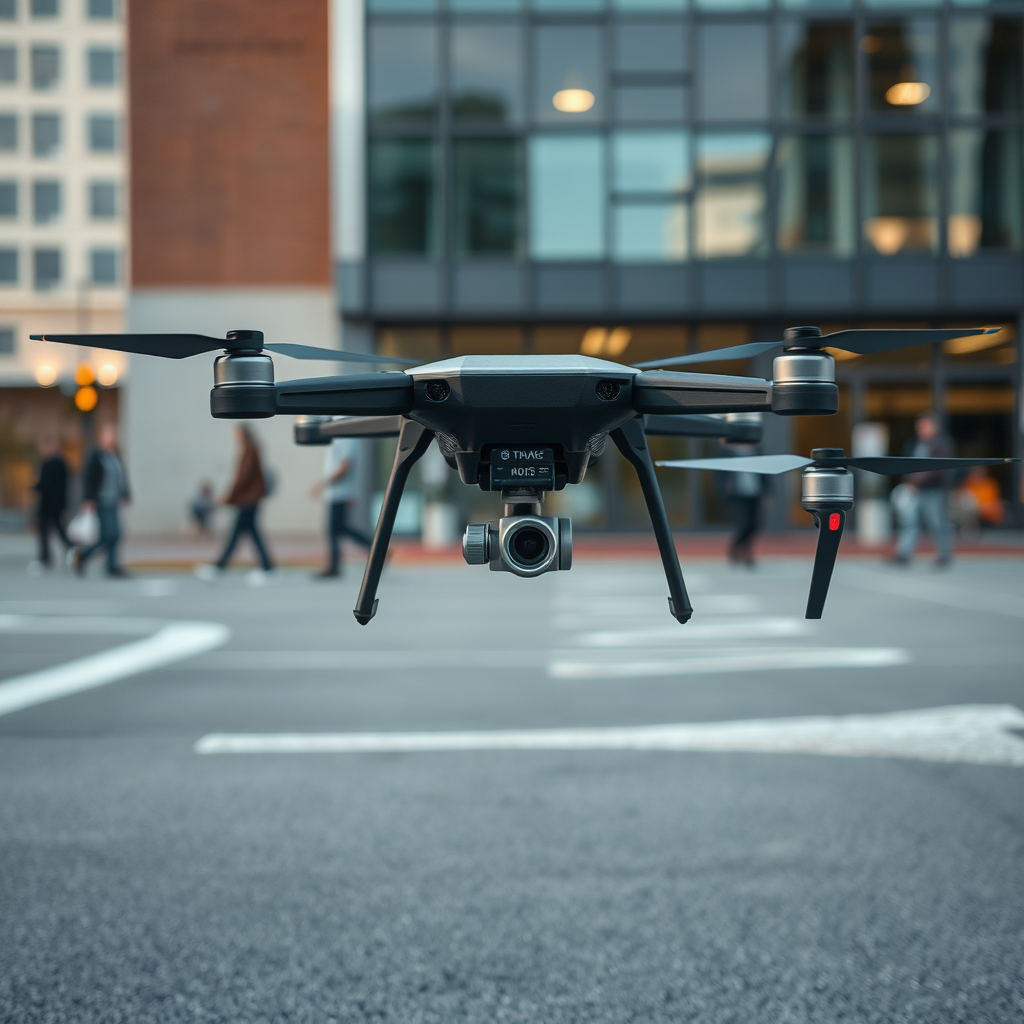
One of the most critical factors influencing drone operations is restricted airspace. This includes military bases and installations, as these locations are strictly off-limits for drone flights. The rationale behind this restriction is primarily national security; drones flying near military facilities could inadvertently capture sensitive information or interfere with military operations.
Furthermore, airports and helipads have designated no-fly zones to ensure safety. The Federal Aviation Administration (FAA) in the United States, for instance, has established a five-mile radius around airports where drones are prohibited from flying unless you have special permission. This regulation is designed to prevent potential collisions between drones and manned aircraft, which could have catastrophic consequences. Drone pilots must be vigilant and utilize tools like the FAA’s B4UFLY app to check for airspace restrictions before takeoff.
National Parks and Wildlife Reserves
Another significant area where drone flights are commonly prohibited is national parks and wildlife reserves. Most national parks have blanket bans on drone use to protect wildlife and preserve the natural environment. For example, the National Park Service has implemented these restrictions in parks such as Yellowstone and Yosemite, aiming to minimize disturbances to animals and their habitats.
Wildlife reserves often mirror these restrictions to reduce stress on animals, particularly during sensitive breeding seasons. The presence of drones can disrupt natural behaviors, leading to negative impacts on species populations. Pilots should consider the ecological implications of their flights and respect these areas to foster wildlife conservation efforts. Before planning a drone flight near these locations, always consult relevant regulations, as violations can lead to hefty fines and legal repercussions.
Urban Areas and Private Property
Flying drones over populated urban areas can lead to significant privacy violations, and many cities have enacted regulations to mitigate these issues. In densely populated regions, the risk of crashing into buildings, people, or vehicles increases substantially. Cities such as New York and Los Angeles have strict laws governing drone use, often requiring permits for operations in urban settings.
Additionally, it is crucial to seek permission before flying over private property. Drone pilots can face legal issues, including trespassing claims, if they do not have explicit consent from property owners. Engaging with local communities and understanding property boundaries can prevent disputes and foster a more positive relationship with residents. Utilizing drone mapping tools can also assist in identifying private property lines and ensuring compliance with local laws.
Events and Gatherings
Large public events, such as concerts, festivals, and sports games, frequently impose temporary no-fly zones to ensure public safety and enhance the experience for attendees. The presence of drones at these gatherings can pose risks to crowds and disrupt critical operations. For instance, the Super Bowl has seen drone restrictions implemented to maintain security and control airspace.
To remain compliant, drone operators should check with event organizers in advance to understand specific drone policies in place. Many events will post their regulations online or provide guidelines for drone use in their promotional materials. Staying informed about no-fly zones during major gatherings is essential for responsible piloting and helps to avoid legal issues or interference with event logistics.
Near Emergency Response Operations
Areas affected by natural disasters or ongoing emergency response operations typically restrict drone flights. In such situations, drones can interfere with rescue operations, hinder the work of first responders, or complicate air traffic management. For example, during the California wildfires, authorities issued temporary flight restrictions to ensure that aerial firefighting efforts were not disrupted by unauthorized drone activity.
Respecting these zones is not only a legal obligation but also a moral one. Drone pilots should always monitor news updates and heed notices from local authorities regarding airspace restrictions during emergencies. Engaging in responsible drone use during crises can help facilitate effective rescue operations and demonstrate community responsibility.
Schools and Hospitals
Many educational institutions have implemented policies against drone flights to ensure the safety of students and staff. Schools are often bustling environments where the presence of drones may pose risks, such as accidents or distractions. For example, many colleges and universities have designated no-fly zones over campus grounds, and violating these regulations can lead to disciplinary actions.
Similarly, hospitals frequently have restricted airspace to protect sensitive operations and the privacy of patients. Drones flying near hospitals can disrupt medical flights or compromise patient confidentiality. Pilots should familiarize themselves with the regulations governing drone use in these sensitive areas and avoid flying near schools and hospitals unless they have received proper clearance.
Conclusion
Understanding where you can’t fly a drone is essential for responsible piloting. By familiarizing yourself with restricted airspace, national parks, urban regulations, event guidelines, and the rules surrounding emergency operations, schools, and hospitals, you can ensure compliance with local laws and regulations. Always check local regulations and respect no-fly zones to avoid fines and ensure safety. As a drone pilot, it is your responsibility to operate within the law and contribute positively to your community. Happy flying!
Frequently Asked Questions
What are the common places where you cannot fly a drone?
You cannot fly a drone in areas such as airports, military bases, and national parks. Additionally, flying over populated areas, public events, and restricted airspace is prohibited due to safety and privacy regulations. It’s essential to check local laws and guidelines, as restrictions may vary by country and region.
How can I find out if I can fly my drone in a specific location?
To determine if you can fly your drone in a specific area, consult resources like the FAA’s B4UFLY app, which provides real-time information on airspace restrictions. Additionally, local government websites and drone community forums can offer insights into specific regulations and any temporary restrictions that may apply, ensuring compliance with local laws.
Why are some areas prohibited for drone flight?
Certain areas are prohibited for drone flight primarily to ensure public safety, protect national security, and preserve privacy. Locations like airports have heavy air traffic, making drone operations hazardous, while military bases are sensitive due to security concerns. Additionally, national parks and historical sites aim to protect wildlife and natural landscapes from disturbances.
What are the best practices to follow when planning a drone flight?
The best practices for planning a drone flight include researching airspace regulations, checking for no-fly zones, and obtaining necessary permissions for restricted areas. It’s also advisable to conduct a pre-flight check of your drone, be aware of weather conditions, and respect the privacy of others by avoiding flights over private properties without consent.
Which organizations regulate drone flights and enforce restrictions?
In the United States, the Federal Aviation Administration (FAA) is the primary body regulating drone flights and enforcing restrictions. In addition to the FAA, local governments may have their own regulations, and organizations like the National Park Service oversee drone usage in national parks. It’s important to familiarize yourself with both federal and local regulations to ensure compliance.
References
- https://en.wikipedia.org/wiki/Drone_regulations
- https://www.faa.gov/uas/getting_started/where_to_fly
- https://www.nps.gov/subjects/science/drones.htm
- https://www.ncbi.nlm.nih.gov/pmc/articles/PMC7407469/
- https://www.bbc.com/news/technology-39910400
- https://www.cnet.com/how-to/drone-laws-and-regulations-where-you-can-and-cant-fly/
- https://www.ama-assn.org/delivering-care/public-health/drone-regulations-and-what-know
- https://www.theguardian.com/environment/2021/jul/02/drone-regulations-uk-where-fly-legal-restrictions
