

Flying drones is prohibited in several areas due to safety, privacy, and legal regulations. Understanding these restrictions is crucial for responsible drone operation. Violating drone regulations can lead to serious consequences including fines, legal action, and endangerment of public safety. This article explores the key locations and regulations where flying drones is not allowed, ensuring that drone enthusiasts can operate within the law while respecting the rights of others.
Restricted Airspace
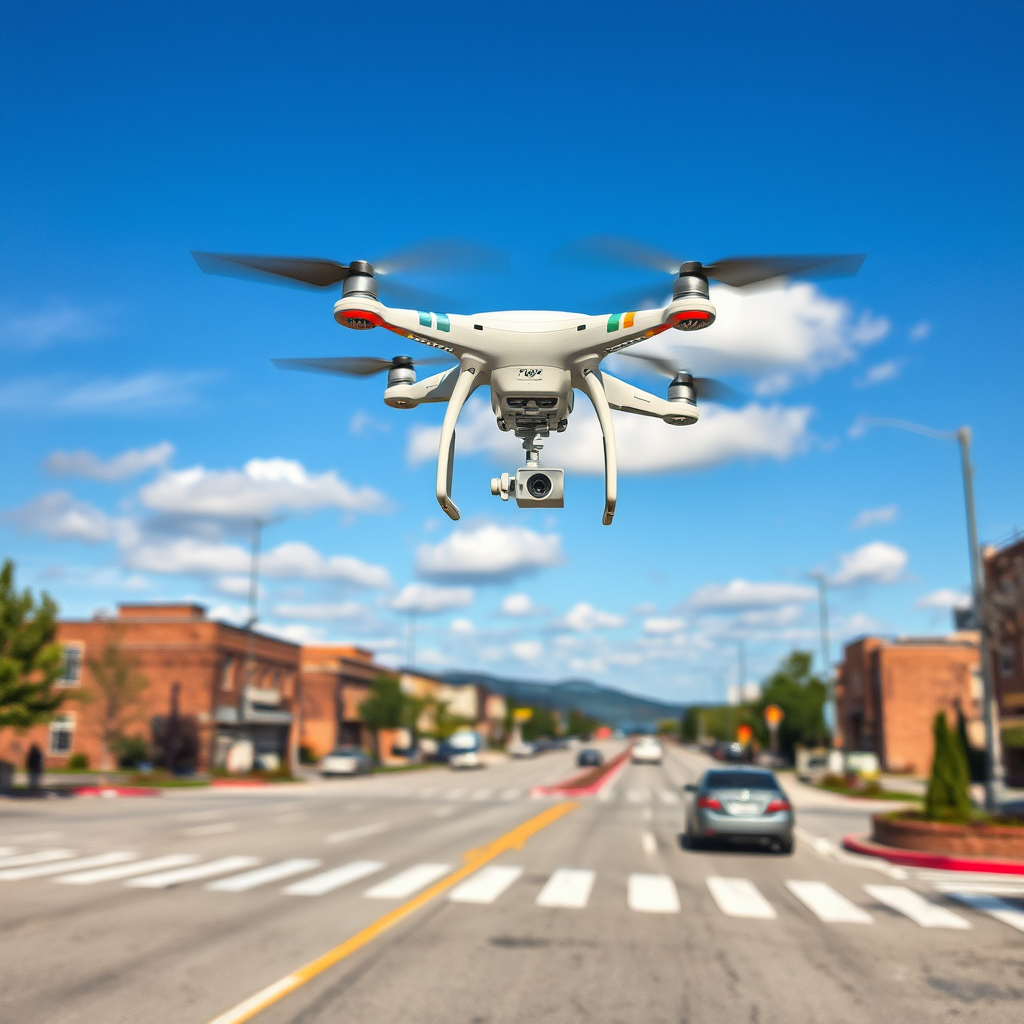
Flying drones in restricted airspace is a serious violation of aviation regulations and can pose significant safety risks. One of the most notable areas where drone flight is prohibited includes military bases. These locations are designated as no-fly zones due to national security concerns. The Federal Aviation Administration (FAA) in the United States has established restrictions around military installations to prevent any unauthorized surveillance or interference with military operations. Drone operators should be aware of these zones, which can often be found marked on aeronautical charts.
Airports are another critical area where drone operations are heavily regulated. The FAA mandates that drones must not be flown within a five-mile radius of an airport without prior notification to air traffic control. This regulation is in place to prevent drones from interfering with manned aircraft during takeoff and landing. Numerous incidents have been reported where drones have come dangerously close to commercial flights, prompting strict enforcement of these rules. Drone operators must familiarize themselves with the locations of nearby airports before flying to ensure compliance with these important regulations.
Urban Areas
Urban areas present unique challenges for drone operations, leading many municipalities to establish laws that restrict drone flights. In crowded cities, flying drones is often prohibited to ensure public safety. The presence of large crowds, tall buildings, and complex air traffic patterns increases the risk of accidents and injuries. Cities like New York and San Francisco have implemented strict regulations that limit where drones can be flown, often designating specific zones for drone operations.
In addition to city regulations, many parks and public squares also have restrictions on drone flights. Local governments may limit drone use in these areas to protect wildlife, preserve the natural environment, and maintain the tranquility expected in public spaces. For example, Central Park in New York City prohibits drone flying to safeguard both wildlife and the experience of park visitors. Drone operators should always check local ordinances before planning to fly in urban parks or similar public areas.
Sensitive Locations
Sensitive locations, such as prisons and government buildings, are among the most restricted areas for drone flights. Flying drones over correctional facilities is illegal due to heightened security concerns and the potential for smuggling contraband into the facility. The FAA has established regulations that explicitly prohibit drone flights near prisons, and offenders may face severe penalties.
Moreover, many government properties, including courthouses and federal buildings, also prohibit drone flights. These regulations are in place to protect the privacy and safety of individuals visiting or working in these locations. For example, drone operators have faced legal action for attempting to capture aerial footage of government buildings without permission. It is imperative for drone operators to respect these restrictions to avoid legal consequences.
Wildlife Reserves
The protection of wildlife and natural habitats is a significant reason for restrictions on drone use in certain areas. Most national parks in the United States ban drone flying to preserve the natural landscape and protect wildlife from disturbances. The National Park Service (NPS) has established these regulations to minimize human impact on sensitive ecosystems and ensure that visitors can enjoy the natural beauty without the disruption of drones.
Similarly, many wildlife conservation areas impose restrictions on drone flights to prevent disturbances to animals that may be nesting or migrating. For instance, the Arctic National Wildlife Refuge imposes strict regulations on drone usage to protect its fragile ecosystems. Drone operators should be aware that flying in these areas not only violates regulations but can also harm wildlife and disrupt their natural behaviors.
Private Properties
Drone operators must also be mindful of restrictions that apply to private properties. Homeowners’ associations (HOAs) in certain neighborhoods may impose specific rules against flying drones on their premises. These regulations often stem from concerns about privacy, noise, and safety. Before flying a drone in these residential areas, it is advisable to consult the HOA guidelines to ensure compliance.
Additionally, individuals should always seek permission before flying a drone over someone else’s land. Trespassing laws apply to drone flight just as they do to physical presence on private property. Respecting the privacy and rights of individuals is essential for responsible drone operation. Obtaining permission not only fosters good relationships with neighbors but also helps avoid potential legal complications.
Temporary Restrictions
Temporary restrictions on drone flights can arise due to various circumstances. Special events, such as concerts, festivals, or large gatherings, often lead to increased security measures that restrict drone operations. For example, drone flights are typically prohibited during events like the Super Bowl or major political rallies to ensure the safety of attendees and prevent potential threats.
Natural disasters also prompt temporary restrictions on drone flights. In areas affected by hurricanes, wildfires, or other emergencies, flying drones can interfere with emergency services and rescue operations. During such events, authorities often issue temporary no-fly zones to facilitate recovery efforts and ensure the safety of those involved. Drone operators should stay informed about local news and advisories to be aware of these temporary restrictions.
In conclusion, knowing where you can’t fly drones is essential for any drone operator. By understanding the various restrictions, including those in restricted airspace, urban areas, sensitive locations, wildlife reserves, private properties, and temporary restrictions, drone enthusiasts can operate responsibly and legally. Adhering to these regulations not only ensures safety but also respects the rights of others and the environment. Always check local regulations and stay informed about temporary restrictions to enjoy responsible drone flying while minimizing risks and legal issues.
Frequently Asked Questions
What are the federal regulations regarding where you can’t fly drones in the United States?
In the United States, the Federal Aviation Administration (FAA) prohibits drone flights in several areas, including near airports, over people, and in restricted airspace. Specifically, drones cannot be flown within a 5-mile radius of an airport without prior authorization, and certain areas such as military bases and national parks are also off-limits. It’s crucial to check the FAA’s UAS (Unmanned Aircraft Systems) regulations and use tools like the B4UFLY app to understand restricted zones.
How do I know if I’m flying my drone in restricted airspace?
To determine if you’re in restricted airspace while flying your drone, you can utilize several online tools and apps designed for drone pilots. The FAA’s B4UFLY app provides real-time information on airspace restrictions, while websites like DroneDeploy and AirMap offer interactive maps that show no-fly zones. Additionally, always consult local regulations, as some states and municipalities may have specific restrictions in place.
Why are there limitations on where I can fly my drone?
Limitations on drone flight locations are primarily in place for safety and security reasons. These regulations help prevent accidents involving manned aircraft, protect sensitive areas like military installations, and ensure public safety by avoiding flights over large crowds or critical infrastructure. Understanding these limitations is essential for responsible drone operation and to avoid legal repercussions.
Which locations are commonly known as no-fly zones for drones?
Common no-fly zones for drones include airports, military bases, national parks, and areas with emergency response operations, such as natural disaster sites. Additionally, certain urban areas may have local ordinances that restrict drone use, especially in densely populated neighborhoods. Always verify specific local laws and consult with local authorities before flying to ensure compliance.
What should I do if I accidentally fly my drone into a restricted area?
If you accidentally fly your drone into a restricted area, the first step is to safely land your drone as soon as possible to avoid further violations. Review the specific circumstances of your flight to understand why the area was restricted, and consider reporting the incident to the relevant authorities if necessary. It’s essential to learn from the experience to prevent future occurrences by thoroughly researching airspace restrictions and using tools like the FAA’s B4UFLY app before flying.
References
- https://en.wikipedia.org/wiki/Drone_regulations
- https://www.faa.gov/uas/getting_started/where_to_fly
- https://www.faa.gov/uas/resources/policies_regulations
- https://www.nps.gov/subjects/drones/index.htm
- https://www.aviation.govt.nz/rules/drones-in-new-zealand/where-you-cant-fly-drones/
- https://www.theguardian.com/technology/2021/aug/31/drone-flying-restrictions-what-you-need-to-know
- https://www.ncbi.nlm.nih.gov/pmc/articles/PMC7211485/
- https://www.sciencedirect.com/science/article/pii/S2352146519301573
