
DJI drones equipped with obstacle avoidance technology include several models designed to enhance safety and ease of use for both beginners and experienced pilots. This feature allows drones to detect and avoid obstacles in their flight path, making them ideal for capturing stunning aerial photography and videography without the fear of collisions. By leveraging advanced sensor technologies, these drones provide a safer flying experience, enabling users to focus on their creative endeavors rather than constantly monitoring their surroundings.
Overview of Obstacle Avoidance Technology
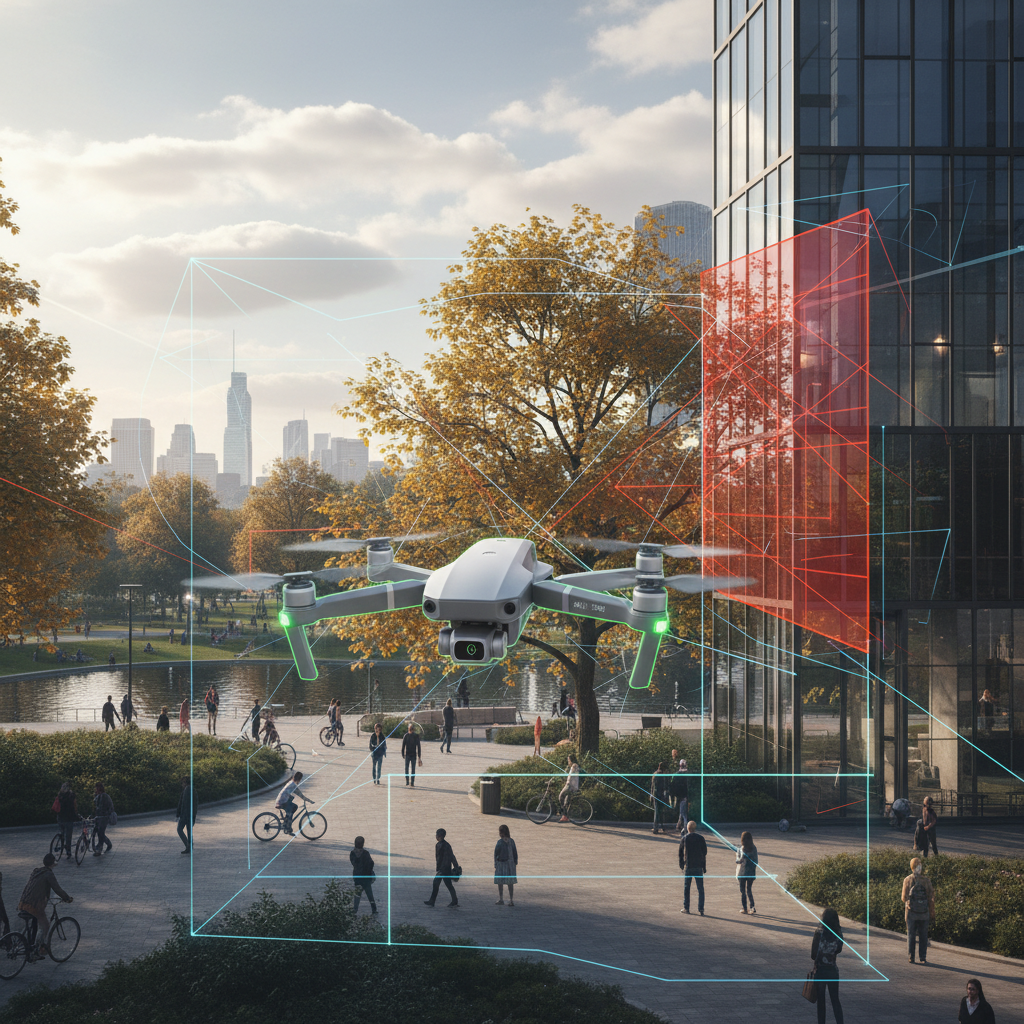
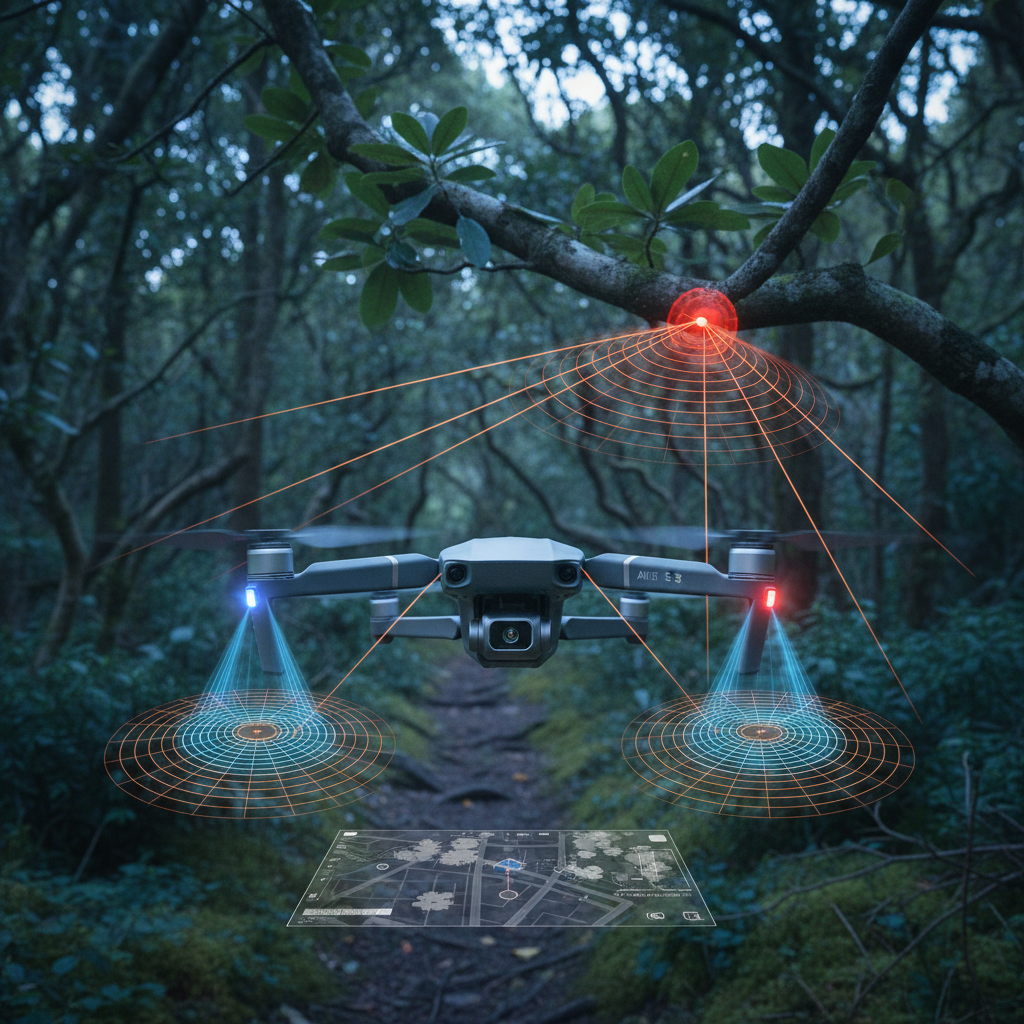
Obstacle avoidance technology in drones primarily operates through a combination of sensors that detect nearby objects and enable the drone to navigate around them. This technology typically employs a mix of ultrasonic sensors, visual cameras, infrared sensors, and sometimes LiDAR for precise distance measurement. When a drone approaches an obstacle, the system processes the sensor data to determine the proximity of the object and automatically adjusts the flight path to avoid a collision.
The importance of this feature cannot be overstated, particularly in environments where obstacles are prevalent, such as urban areas or forests. For novice pilots, the added layer of safety provided by obstacle avoidance systems mitigates the risk of crashes, which can lead to expensive repairs or loss of the drone. For experienced operators, this technology allows for more ambitious flight maneuvers and complex shots without the constant worry of hitting an unexpected barrier.
DJI Drones with Advanced Obstacle Avoidance
DJI Mavic Air 2: Features and Capabilities
The DJI Mavic Air 2 is renowned for its advanced obstacle avoidance capabilities. It features a robust system called Advanced Pilot Assistance Systems (APAS) 3.0, which enables the drone to detect obstacles in all directions. With forward, backward, and downward sensors, the Mavic Air 2 can navigate around objects while maintaining its flight path, making it particularly useful for capturing dynamic footage in challenging environments.
Additionally, the Mavic Air 2 supports a flight time of up to 34 minutes and can capture 48MP still images and 4K video at 60fps, providing both quality and safety for aerial photographers. The combination of its intelligent flight modes, like ActiveTrack and Point of Interest, allows pilots to focus on composition while the drone autonomously avoids obstacles, enhancing the overall shooting experience.
DJI Phantom 4 Pro: Enhanced Sensors and Reliability
The DJI Phantom 4 Pro is another exemplary model featuring advanced obstacle avoidance technology. It comes equipped with five vision sensors that work in conjunction with infrared sensors to create a comprehensive 3D map of the environment. This multi-directional sensing capability enables the drone to avoid obstacles from any angle, significantly reducing the likelihood of collisions during flight.
With its high-resolution 20MP camera and 4K video recording capabilities, the Phantom 4 Pro is a preferred choice among professional filmmakers and photographers who need reliability and precision. Its FlightAutonomy system not only enhances safety but also supports intelligent flight modes that improve the creative possibilities for users. The Phantom 4 Pro’s obstacle avoidance technology is particularly appreciated for its consistency, making it a trusted tool for capturing stunning aerial visuals.
DJI Drones with Basic Obstacle Avoidance
DJI Mini 2: Introduction to Its Sensor Technology
The DJI Mini 2 represents an excellent entry-level drone that incorporates basic obstacle avoidance technology. While it does not feature the advanced systems found in higher-end models, the Mini 2 comes with downward sensors that help prevent collisions during landing and low-altitude flying. This makes it an ideal option for beginners who are just starting their aerial photography journey.
Despite its limitations, the Mini 2 offers impressive flight capabilities, including a 31-minute flight time and 12MP camera with 4K video recording. The simplicity of its controls, combined with the basic obstacle avoidance feature, allows novice pilots to gain confidence while flying, ensuring a safer and more enjoyable experience.
DJI Mavic Mini: Limitations and Advantages of Its Obstacle Avoidance
The DJI Mavic Mini, like the Mini 2, also features basic obstacle avoidance technology. However, it lacks forward and backward sensors, limiting its ability to detect and avoid obstacles during flight. Instead, the Mavic Mini relies primarily on pilot awareness and manual navigation to avoid potential hazards.
Despite this limitation, the Mavic Mini offers several advantages, such as its lightweight design and user-friendly interface, making it an excellent choice for those who prioritize portability and ease of use. With a flight time of up to 30 minutes and a capable 12MP camera, the Mavic Mini remains a popular option for hobbyists who appreciate its combination of performance and convenience.
Key Features of Obstacle Avoidance Systems
Types of Sensors Used (Ultrasonic, Visual, etc.)
The effectiveness of obstacle avoidance systems varies based on the types of sensors employed. Ultrasonic sensors are commonly used for short-range detection, measuring the distance to nearby objects through sound waves. Visual sensors, like cameras, provide a broader field of view and can identify complex obstacles, such as trees or walls. Some high-end models incorporate LiDAR technology, which uses laser pulses to create detailed 3D maps of the environment, enhancing obstacle detection capabilities.
Range and Effectiveness in Different Environments
The range and effectiveness of obstacle avoidance systems depend on environmental conditions. In open areas with clear sightlines, obstacle avoidance systems perform exceptionally well. However, in cluttered or dynamic environments, such as urban landscapes with many moving objects, the effectiveness can be reduced. Pilots must remain vigilant, as certain materials or lighting conditions may interfere with sensor performance.
Benefits of Using Drones with Obstacle Avoidance
Increased Safety for Novice Pilots
One of the most significant benefits of using drones equipped with obstacle avoidance technology is the enhanced safety it provides, particularly for novice pilots. With the ability to detect and avoid obstacles automatically, beginners can fly with greater confidence, reducing the likelihood of crashes and accidents. This feature encourages new users to explore their capabilities without the constant fear of damaging their equipment.
Improved Efficiency in Capturing Complex Shots
For experienced pilots and professionals, drones with obstacle avoidance features facilitate the capture of complex shots that would otherwise be challenging or risky. With the drone autonomously navigating around obstacles, pilots can focus on creative composition and dynamic movement, resulting in more visually appealing footage. This technology also allows for smoother flight paths, which is essential for cinematic shots.
Limitations of Obstacle Avoidance
Potential Scenarios Where Obstacle Avoidance May Fail
While obstacle avoidance technology significantly enhances safety, it is not infallible. There are potential scenarios where the system could fail, such as in low-light conditions where sensors may struggle to detect obstacles or in situations where obstacles are too small or fast-moving for the sensors to identify. In addition, certain environmental factors, such as fog or heavy rain, can impair sensor functionality.
The Importance of Pilot Awareness Despite Technology
Despite the advanced capabilities of obstacle avoidance systems, pilot awareness remains crucial. Drones are not fully autonomous, and operators must continuously monitor their surroundings and be prepared to intervene if necessary. Understanding the limitations of the technology is vital for ensuring a safe flying experience. Pilots should always maintain a clear line of sight with their drone and be aware of their environment to mitigate risks effectively.
Choosing the Right DJI Drone for Your Needs
Factors to Consider When Selecting a Drone with Obstacle Avoidance
When selecting a DJI drone equipped with obstacle avoidance technology, several factors should be considered. First, assess your skill level and intended use—novice pilots may prefer models with basic obstacle avoidance, while professionals may require advanced systems for complex projects. Additionally, consider the drone’s camera capabilities, flight time, and portability, as these features can significantly enhance your overall experience.
Comparing Models and Features to Suit Different Use Cases
It’s essential to compare different DJI models to find the one that best suits your needs. For example, if you prioritize portability and ease of use, the DJI Mini 2 or Mavic Mini may be ideal. Conversely, if you’re a professional seeking advanced features, the Mavic Air 2 or Phantom 4 Pro would be more appropriate. Review specifications, user reviews, and professional recommendations to make an informed decision that aligns with your flying goals.
In conclusion, understanding which DJI drones feature obstacle avoidance technology can help you make an informed decision based on your flying needs. Whether you are a hobbyist or a professional, investing in a drone with this capability enhances safety and opens up new creative possibilities. Explore the models mentioned to find the perfect fit for your aerial adventures and ensure a safer, more enjoyable flying experience.
Frequently Asked Questions
What DJI drones feature obstacle avoidance technology?
DJI drones that come equipped with obstacle avoidance technology include the DJI Mavic Air 2, Mavic 2 Pro, Mavic 2 Zoom, DJI Mini 3 Pro, and the DJI Phantom 4 Pro V2.0. These models utilize advanced sensors to detect obstacles in their flight path, allowing for safer navigation and enhanced flying experiences, particularly in complex environments.
How does obstacle avoidance work in DJI drones?
Obstacle avoidance in DJI drones operates through a combination of vision sensors and advanced algorithms. The drones utilize cameras and infrared sensors to detect surrounding objects, allowing them to calculate their distance from obstacles in real-time. This technology enables the drone to either stop, hover, or navigate around obstacles autonomously, reducing the chance of crashes and improving flight safety.
Why is obstacle avoidance important for drone flying?
Obstacle avoidance is crucial for drone flying as it significantly enhances safety and reduces the risk of accidents. It allows pilots, especially beginners, to fly with more confidence, knowing that their drone can detect and avoid obstacles automatically. This technology is particularly beneficial in crowded environments or when flying near trees, buildings, or other structures where visibility may be limited.
Which DJI drone is the best for beginners with obstacle avoidance features?
The DJI Mini 3 Pro is often considered the best option for beginners looking for a drone with obstacle avoidance features. It is lightweight, user-friendly, and equipped with advanced obstacle detection capabilities. This model allows new pilots to learn how to operate a drone with a built-in safety net, making it easier to avoid potential crashes while honing their flying skills.
How can I enable obstacle avoidance features on my DJI drone?
To enable obstacle avoidance features on your DJI drone, first ensure that the drone is powered on and connected to the DJI Fly or GO app. Navigate to the settings menu in the app, where you can find options related to obstacle avoidance. Depending on the model, you can choose to activate or customize the obstacle avoidance settings, allowing the drone to effectively detect and respond to obstacles during flight. Always refer to the user manual for specific instructions related to your drone model.
References
- https://en.wikipedia.org/wiki/DJI_Drones
- https://www.theverge.com/2021/4/15/22384532/dji-drone-obstacle-avoidance-sensors
- https://www.techradar.com/news/best-dji-drones
- https://www.cnet.com/tech/mobile/best-dji-drones/
- https://www.digitaltrends.com/space/best-dji-drones/
- https://www.dji.com/us/technology/flight-autonomy
