
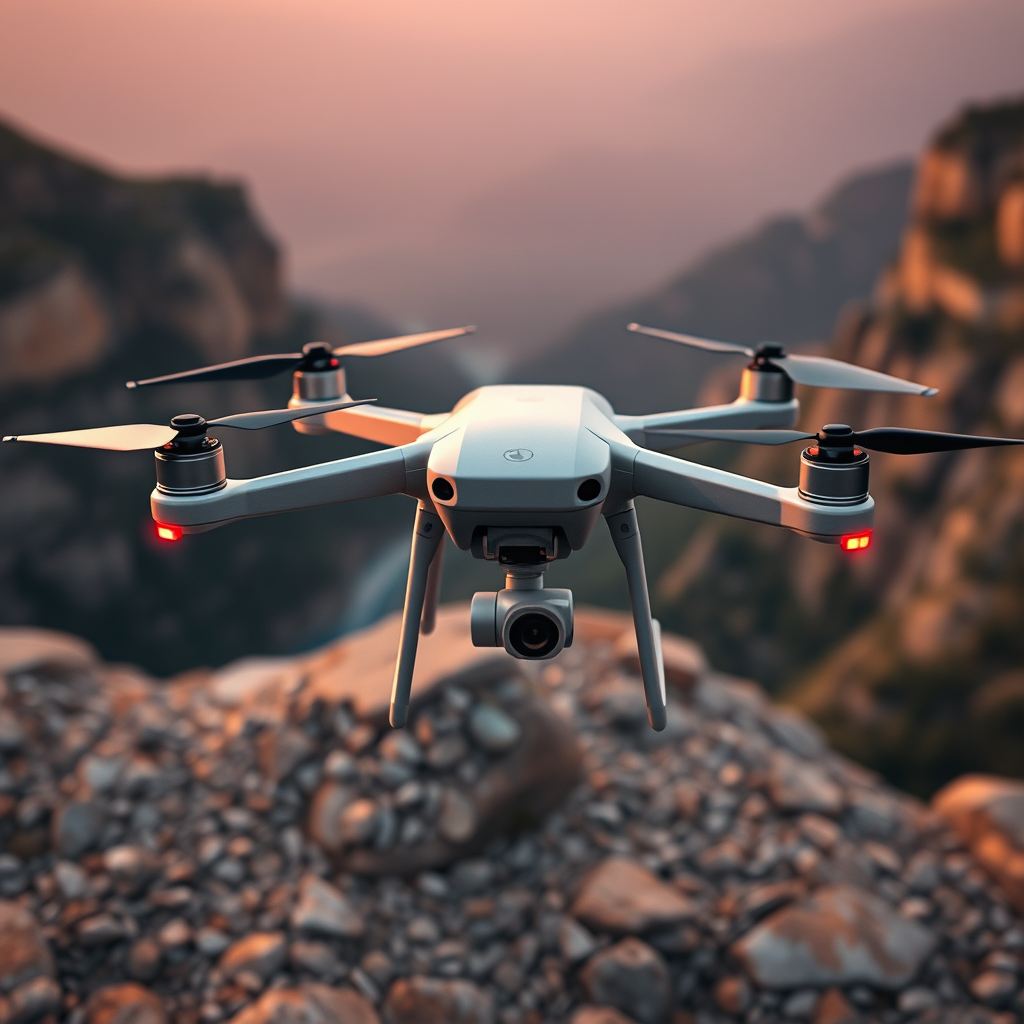
The drone that can carry the most weight is the DJI Matrice 600, capable of lifting up to 6 kilograms (13.2 pounds). This exceptional payload capacity makes it a preferred choice for professionals in various fields, including filmmaking, surveying, and industrial applications. However, the market offers a variety of drones with significant payload capabilities, each tailored for specific use cases. In this article, we will delve into the top drones known for their impressive carrying abilities, highlighting their features and applications.
Overview of Drone Payload Capacity
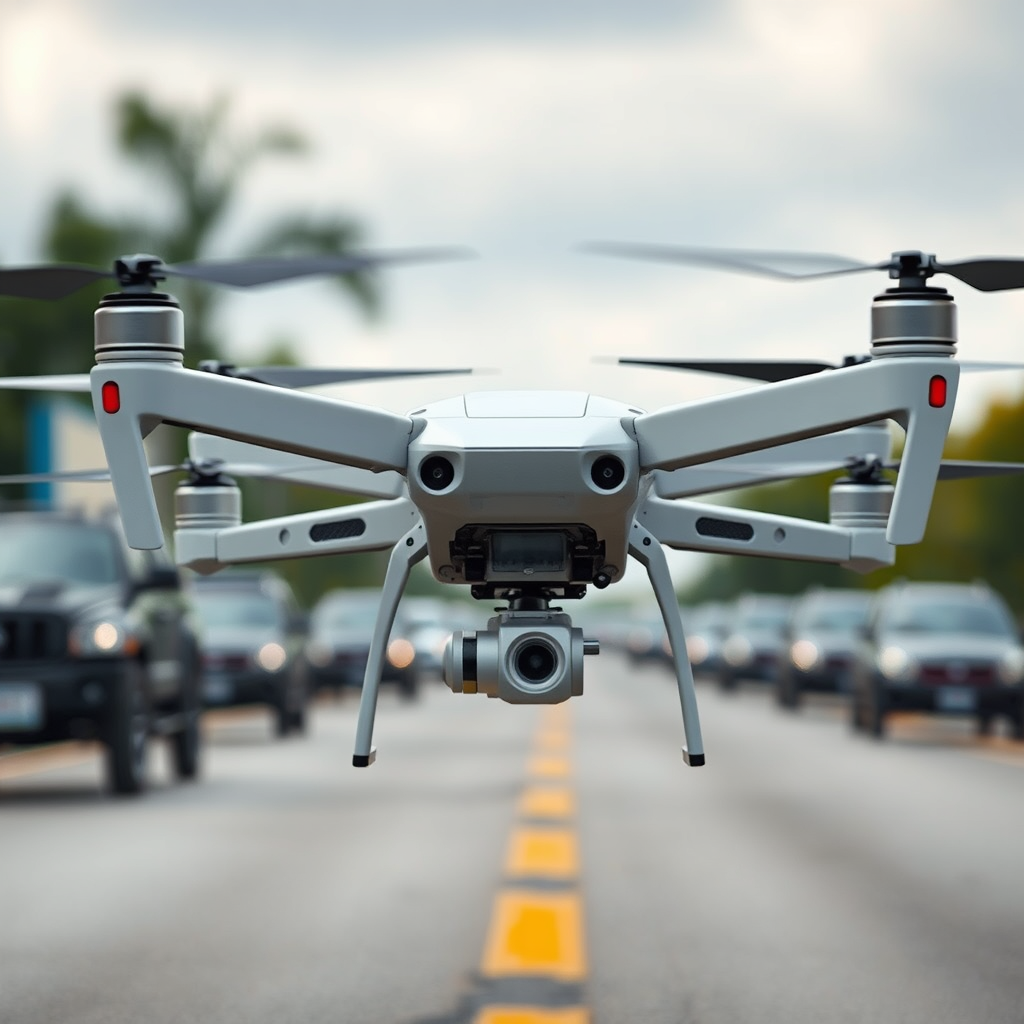
Payload capacity in drones refers to the maximum weight a drone can safely lift and transport while maintaining optimal flight performance. This weight includes not only the drone’s own structure but also any additional equipment, such as cameras, sensors, or other cargo. Understanding payload capacity is crucial for professionals and hobbyists alike, as it directly impacts the functionality and effectiveness of a drone in fulfilling its intended purpose.
For various applications, the importance of payload capacity cannot be overstated. For instance, in cinematography, a higher payload allows for the attachment of advanced camera systems, providing superior image quality and stability. In industrial settings, drones with substantial payloads can transport essential tools and equipment to remote or hard-to-reach locations. Therefore, selecting a drone with the appropriate payload capacity is a critical factor in achieving successful outcomes in these diverse applications.
The DJI Matrice 600
The DJI Matrice 600 stands out as one of the most capable drones in terms of payload capacity, boasting a maximum weight limit of 6 kg (13.2 lbs). This drone is designed specifically for professional aerial photography and industrial applications, making it a powerhouse in the drone market. Equipped with a robust six-rotor design, the Matrice 600 offers enhanced stability, ensuring smooth flight even when carrying heavy loads.
One of the standout features of the Matrice 600 is its integrated Lightbridge 2 technology, which allows for real-time HD video transmission. This capability is essential for filmmakers who require immediate feedback while shooting. Additionally, the drone supports various camera systems, including the Zenmuse series, which can further enhance the quality of aerial footage. With a flight time of approximately 16 minutes at maximum payload, the Matrice 600 strikes a balance between power and efficiency, making it an ideal choice for demanding aerial tasks.
The Freefly Alta 8
The Freefly Alta 8 is another impressive contender, with a maximum payload capacity of 4.5 kg (10 lbs). Known for its versatility, this drone is particularly popular in the cinematography industry, where it can accommodate various camera setups, including the RED Epic and Phantom Flex. The Alta 8’s unique design allows for dual operator control, enabling one person to pilot the drone while another operates the camera, which is vital for achieving dynamic shots and intricate maneuvers.
What sets the Freefly Alta 8 apart is its ability to fly in both aerial and ground modes, making it adaptable for different filming scenarios. The drone is equipped with advanced stabilization technology, ensuring that even in challenging flight conditions, it can deliver smooth and stable footage. This flexibility makes the Alta 8 ideal for both commercial productions and creative projects, providing filmmakers with the tools needed to push the boundaries of aerial cinematography.
The Yuneec Typhoon H520
The Yuneec Typhoon H520, with a maximum payload of 1.5 kg (3.3 lbs), may not top the list in terms of sheer lifting power, but it excels in versatility and user-friendly features. This drone is particularly beneficial for professionals in the inspection and surveying sectors, as it offers dual operator control, allowing for complex tasks to be performed more efficiently. One operator can pilot the drone while the other manages the camera and sensors, streamlining workflows and enhancing productivity.
The Typhoon H520 is designed with a six-rotor configuration, promoting stability and redundancy, which means that even if one rotor fails, the drone can still maintain flight. It features a variety of camera options, including 4K imaging capabilities, making it suitable for both high-resolution imaging and data collection. With a flight time of up to 25 minutes, the Yuneec Typhoon H520 provides ample time for thorough inspections and thorough aerial surveys, making it an excellent choice for commercial users.
The Vulcan UAV Raven
The Vulcan UAV Raven is a heavy-lift drone that can handle a maximum payload of 5 kg (11 lbs), positioning itself as a reliable option for demanding applications. This drone is particularly well-suited for heavy-lift operations in various environments, including agriculture, construction, and emergency response scenarios. Its robust construction and powerful flight capabilities allow it to transport significant loads over considerable distances.
One of the key advantages of the Vulcan UAV Raven is its customizable design, which enables users to tailor it to their specific needs. Whether it’s outfitting the drone with specialized sensors for agricultural monitoring or equipping it with tools for construction inspections, the Raven can adapt to a variety of use cases. Additionally, its long flight duration and advanced navigation systems ensure that it can perform efficiently even in challenging conditions, making it a valuable asset for professionals requiring heavy-lift capabilities.
Factors Affecting Payload Performance
When considering payload capacity, several factors come into play that can affect a drone’s performance. Battery life and flight time are critical considerations; as payload increases, flight time may decrease. Most drones have specifications indicating their maximum payload capacity, but real-world conditions, such as wind resistance and temperature, can significantly impact their efficiency. Therefore, it is crucial for users to assess their operational requirements and choose a drone that not only meets their payload needs but also offers reliable performance under varying conditions.
Weather conditions can also play a significant role in payload efficiency. High winds, rain, or extreme temperatures can affect a drone’s stability and battery life, making it essential to monitor environmental factors before flight. Additionally, users should consider the terrain and operational environment, as these can influence how effectively a drone can carry and deliver its payload. Understanding these factors is vital for optimizing drone performance and ensuring successful operations.
Selecting the Right Drone for Your Needs
Choosing the right drone to meet your payload requirements involves a careful assessment of your specific needs and use cases. Considerations such as the type of work you intend to perform, the weight of the equipment you need to carry, and the environment in which you will operate are all crucial in making an informed decision. For instance, if your primary focus is aerial photography, you may prioritize a drone that offers advanced stabilization and camera adaptability.
Budget is another critical aspect to consider. While higher-capacity drones like the DJI Matrice 600 and Freefly Alta 8 come with a higher price tag, their robust features and capabilities may justify the investment for professional users. Conversely, if you are operating on a tighter budget, mid-range options like the Yuneec Typhoon H520 provide excellent value without sacrificing essential functionality. Ultimately, evaluating the long-term value and return on investment will guide you in selecting a drone that aligns with your operational goals.
In conclusion, selecting a drone that can carry the most weight depends on your specific needs and the applications you intend to use it for. Whether for professional cinematography, industrial inspections, or simply recreational use, understanding the payload capacities of these top models will help you make an informed choice. By considering factors such as payload capacity, battery life, and your unique operational requirements, you can explore your options and find the right drone that meets your carrying capacity requirements.
Frequently Asked Questions
What is the maximum weight capacity of commercial drones?
The maximum weight capacity of commercial drones varies significantly depending on the model and design. High-end drones like the DJI Matrice 600 can carry payloads of up to 6 kg (approximately 13.2 lbs), while specialized heavy-lift drones, such as the Freefly Alta 8, can handle payloads exceeding 10 kg (around 22 lbs). When selecting a drone for heavy lifting, it’s essential to consider the specific requirements of your project, including the type of payload and flight time.
Which drones are best for carrying heavy payloads?
Some of the best drones for carrying heavy payloads include the DJI Matrice 600, Freefly Alta 8, and the Yuneec H520. These drones are designed with powerful motors and robust frames that allow them to handle substantial weights, making them suitable for applications like aerial photography, surveying, and industrial inspections. Always check the manufacturer specifications to ensure the drone meets your payload needs.
How do I determine the right drone for my payload needs?
To determine the right drone for your payload needs, first assess the weight and dimensions of the items you plan to transport. Next, research drones that specify a payload capacity exceeding your requirements, considering factors such as flight time, battery life, and stability during flight. It’s also advisable to look for user reviews and professional recommendations to find a drone that balances performance and reliability for heavy lifting.
Why is payload capacity important when choosing a drone?
Payload capacity is crucial when selecting a drone because it directly affects the drone’s ability to perform specific tasks. A drone with insufficient payload capacity may struggle to lift essential equipment or materials, which can lead to operational inefficiencies or even crashes. Therefore, understanding the payload requirements of your intended use, whether for photography, agriculture, or delivery services, ensures you choose a drone that can safely and effectively handle the necessary weight.
What are the safety considerations when flying drones with heavy payloads?
When flying drones with heavy payloads, several safety considerations must be taken into account. Ensure that the drone is within its weight limits, as exceeding this can lead to decreased flight stability and increased risk of failure. Additionally, conduct pre-flight checks, maintain a safe distance from people and structures, and be aware of local regulations regarding drone flights. Proper training and understanding of the drone’s capabilities are also essential for safe operation.
References
- https://en.wikipedia.org/wiki/Drone
- https://www.nytimes.com/2021/05/05/technology/drones-delivery.html
- https://www.sciencedirect.com/science/article/abs/pii/S009813542100010X
- https://www.faa.gov/uas/
- https://www.theguardian.com/technology/2021/apr/12/drones-delivery-technology
- https://www.reuters.com/business/aerospace-defense/aircraft-drones-2021-07-01/
- https://www.nasa.gov/mission_pages/drones/index.html
- https://www.mdpi.com/2504-446X/4/1/1
