
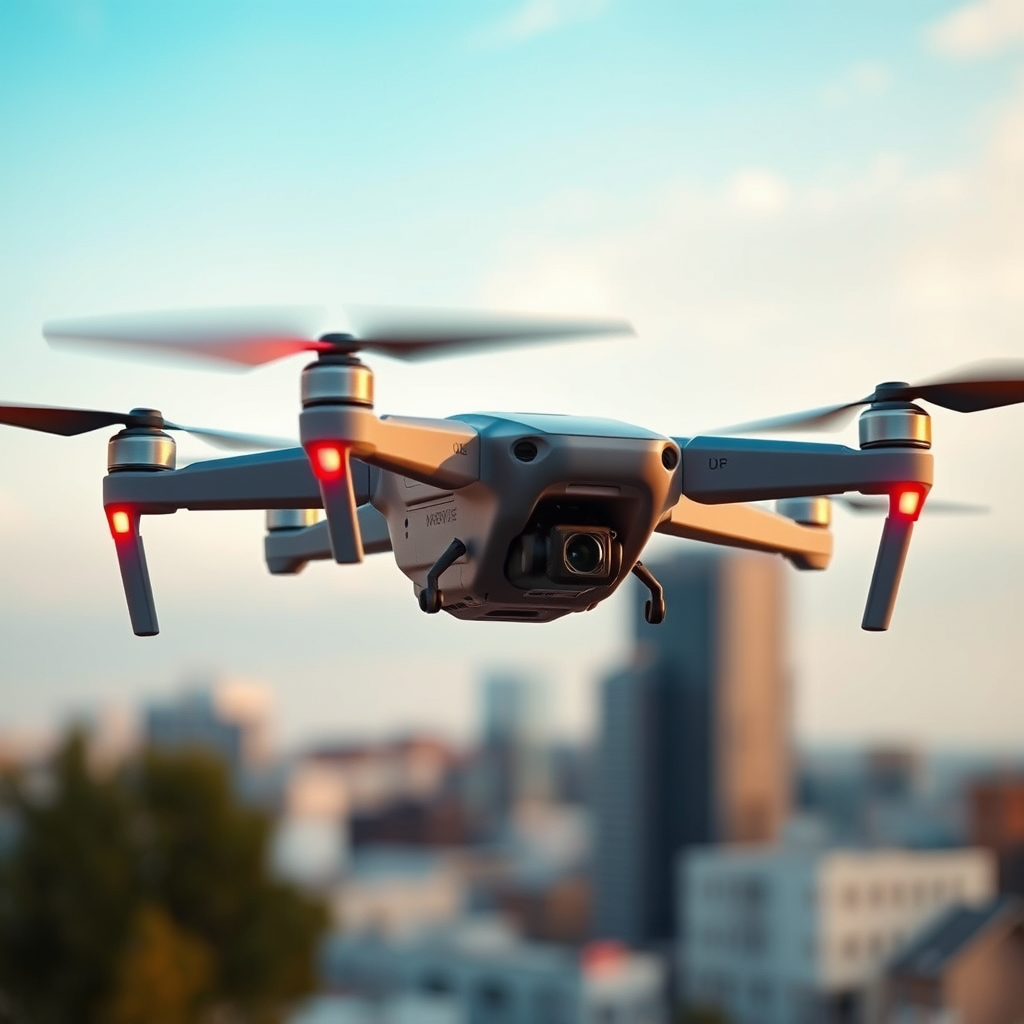
The drone that currently holds the record for the highest flight is the DJI Matrice 600, capable of reaching altitudes of around 5,000 meters (16,404 feet) under optimal conditions. This remarkable capability makes it a top choice for professionals seeking to explore aerial applications at extreme heights. In this article, we will delve into various drones known for their impressive altitude capabilities, examining their features, specifications, and suitability for different applications.
Understanding Drone Altitude Limits
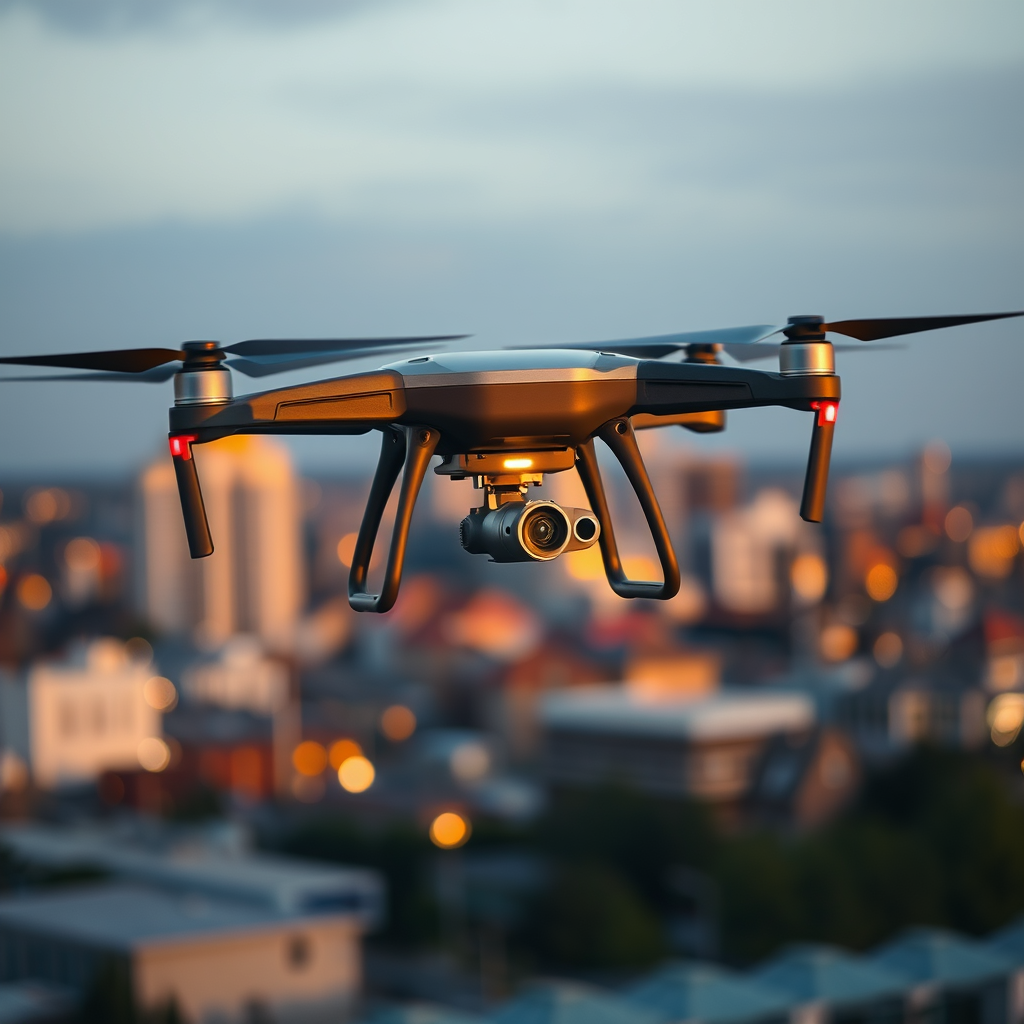
Altitude capabilities vary significantly based on drone type and design. Generally, drones are categorized into consumer, commercial, and specialized categories, each with distinct altitude performance. Consumer drones, typically designed for recreational use, tend to have lower altitude limits, often around 120 meters (394 feet) due to regulatory restrictions. In contrast, commercial and industrial drones are engineered for higher performance, allowing them to fly much higher, depending on their specifications.
Factors such as battery life, weight, and weather conditions play a crucial role in determining maximum flight height. For instance, a drone’s battery capacity influences how long it can stay airborne, and consequently, how high it can fly before needing to land. Additionally, the weight of the drone, including any payloads, can affect its ability to reach and maintain altitude. Weather conditions, such as air density and temperature, also impact drone performance. In high-altitude environments where the air is thinner, drones may struggle to generate sufficient lift, limiting their effective operational height.
Top Drones with High Altitude Performance
– DJI Matrice 600: This drone is a powerhouse in the aerial photography and filmmaking industry, capable of reaching impressive altitudes of up to 5,000 meters. The Matrice 600’s robust design accommodates a variety of payloads, including professional cameras, making it ideal for capturing high-resolution images from extreme heights. Its advanced flight features, such as GPS-assisted hovering and redundancy systems, enhance safety and reliability during high-altitude flights.
– Parrot Anafi USA: Designed for professionals, the Parrot Anafi USA offers the ability to fly at altitudes of up to 4,500 meters. This drone is equipped with advanced thermal imaging capabilities, making it a perfect tool for search and rescue missions, inspections, and surveillance tasks. Its lightweight design and compact size allow for easy transport, while its top-notch camera features provide high-quality imagery even at great heights.
– senseFly eBee X: The eBee X is a fixed-wing drone that excels in long-range missions and high-altitude flights. With a maximum service ceiling of around 3,000 meters, it is particularly suited for mapping and surveying large areas. Its extended flight time and ability to cover vast distances make it an invaluable tool for professionals in fields such as agriculture, construction, and environmental monitoring.
Factors Influencing Drone Flight Height
Environmental conditions like air density and temperature can limit performance. For example, higher altitudes generally have lower air density, which reduces lift. Consequently, drones may require more power to ascend, which can quickly deplete battery life. Temperature variations can also affect battery efficiency; colder temperatures often reduce battery performance, potentially limiting flight time and altitude.
Drone weight and payload capacity directly impact maximum altitude. Heavier drones or those carrying additional equipment may struggle to reach their intended height, while lighter drones can achieve higher altitudes more easily. Manufacturers often provide specifications regarding the maximum takeoff weight (MTOW) of their drones, which is critical for users to consider when planning flights.
Additionally, the drone’s design plays a significant role in its altitude performance. Drones with powerful motors and efficient propeller designs tend to perform better in terms of altitude and flight stability. Understanding these factors is essential for operators looking to maximize their drone’s altitude capabilities.
Regulations Surrounding High-Altitude Drone Flights
Various countries have specific regulations governing drone flight altitudes. In many places, the maximum altitude for recreational drones is limited to 120 meters (394 feet) above ground level (AGL) to ensure safety and minimize airspace conflicts. Commercial drone operators often have more flexibility but must adhere to strict guidelines set by aviation authorities, such as the Federal Aviation Administration (FAA) in the United States or the European Union Aviation Safety Agency (EASA) in Europe.
Understanding local laws is crucial for legal and safe operation at high altitudes. Operators must apply for special permits if they wish to exceed the standard altitude limits, particularly in controlled airspace. Additionally, staying informed about temporary flight restrictions, no-fly zones, and other regulations is vital for any drone pilot, especially when operating at elevated heights.
Applications of High-Flying Drones
High-altitude drones are utilized in various applications, showcasing their versatility and capability. Aerial photography and cinematography are among the most popular uses, allowing filmmakers and photographers to capture stunning images from unique perspectives. The ability to fly at significant altitudes enables the coverage of vast landscapes and urban environments, providing creative opportunities that were once difficult to achieve.
In surveying and mapping, high-flying drones play a crucial role in data collection for industries such as construction, agriculture, and mining. These drones can quickly cover large areas, capturing high-resolution imagery and generating accurate topographic maps. Additionally, their ability to operate at elevated heights allows for the inspection of infrastructure such as power lines, bridges, and buildings, ensuring safety and compliance without the need for scaffolding or ladders.
High-altitude drones are also essential for scientific research and environmental monitoring. They are used for wildlife tracking, climate studies, and assessing natural disasters. By operating at higher altitudes, researchers can gather data on hard-to-reach locations and monitor changes in ecosystems over time.
Maintenance Tips for High-Altitude Drones
Regular maintenance is crucial for ensuring the optimal performance of high-altitude drones. One of the most important aspects is to regularly check battery health and perform firmware updates. Batteries should be stored properly and cycled regularly to maintain their longevity and performance. Keeping firmware updated ensures that the drone operates with the latest enhancements and safety features.
Additionally, inspecting propellers and motors for wear and tear after high-altitude flights is essential. Propellers can become damaged due to high-speed flights or adverse weather conditions, which could compromise flight safety. Regularly cleaning these components and replacing any that show signs of wear will help maintain the drone’s performance and reliability.
Another vital maintenance practice is to conduct pre-flight checks. Ensuring that all systems are functioning correctly before each flight, particularly for high-altitude operations, can prevent malfunctions and accidents. Operators should also maintain a log of flight data, including altitude reached, flight time, and any issues encountered, which can provide valuable insights for future flights.
Future Trends in High-Altitude Drone Technology
Advancements in battery technology may allow for even higher flight altitudes in the future. Researchers are exploring new battery chemistries that promise longer flight times and improved energy density, enabling drones to fly longer and reach previously unattainable heights. This could significantly expand the operational capabilities of high-altitude drones, making them more effective for various applications.
The integration of artificial intelligence (AI) and improved navigation systems will enhance safety and efficiency in high-altitude operations. AI algorithms can analyze flight data in real time, enabling drones to make autonomous decisions to avoid obstacles or adjust their flight path for optimal performance. Moreover, enhanced navigation systems will ensure that drones can operate safely and accurately in complex airspaces.
As technology continues to evolve, we can expect the emergence of new drone models designed specifically for high-altitude performance, equipped with sophisticated sensors and capabilities tailored for niche applications. This evolution will open up exciting possibilities for both enthusiasts and professionals looking to push the boundaries of drone technology.
In conclusion, selecting the right drone for high-altitude flying involves understanding both its capabilities and the surrounding regulations. The DJI Matrice 600 stands out as a leader in altitude performance, but several other options exist for various applications. As technology advances, the options for high-flying drones will continue to expand, offering even more exciting possibilities for enthusiasts and professionals alike. By staying informed about altitude limits, maintenance practices, and emerging trends, operators can maximize their high-altitude drone experiences while adhering to safety and legal standards.
Frequently Asked Questions
What drone can fly the highest altitude?
The DJI Matrice 600 is known for its impressive altitude capabilities, reaching heights of up to 5,000 meters (16,404 feet) above sea level. This drone is designed for professional filmmakers and industrial applications, making it a popular choice for users needing high-altitude flight. However, it’s essential to consider local regulations, as many countries have restrictions on flying drones above certain altitudes.
How do I choose a drone based on its maximum flight altitude?
When selecting a drone based on maximum flight altitude, consider factors such as the drone’s intended use, battery life, and payload capacity. Review specifications provided by manufacturers, and ensure the drone is capable of flying at the desired altitude while still maintaining stability and control. Additionally, look for user reviews and expert opinions to gauge real-world performance in high-altitude conditions.
Why do some drones have altitude limits?
Drones have altitude limits due to several factors, including battery performance, motor efficiency, and regulatory guidelines. Federal Aviation Administration (FAA) regulations in the U.S. restrict most recreational drones to a maximum altitude of 400 feet to ensure safety and prevent collisions with manned aircraft. Additionally, as drones ascend, thinner air can affect their lift and performance, making it crucial to choose a drone designed for high-altitude operations if needed.
What is the best drone for high-altitude photography?
One of the best drones for high-altitude photography is the DJI Mavic 3, which boasts a maximum flight altitude of 6,000 meters (19,685 feet) and features advanced camera systems for stunning aerial shots. Its compact design, coupled with impressive flight time and stability, makes it ideal for capturing breathtaking photos from high elevations. Additionally, its intelligent flight modes enhance the photography experience, providing users with various creative options.
Which drone has the highest flight ceiling and is commercially available?
The highest commercially available drone is the DJI Matrice 300 RTK, which has a maximum flight ceiling of 7,000 meters (22,965 feet). This drone is designed for enterprise applications, including surveying, search and rescue, and infrastructure inspection. With advanced sensors and AI capabilities, it provides excellent performance at high altitudes, making it a preferred choice for professionals requiring reliable aerial data collection.
