

If you’re looking to fly a drone without the hassle of obtaining a license, you’re in luck! Many drones under a specific weight limit can be flown recreationally without formal certification. In the United States, for instance, drones weighing less than 250 grams (0.55 pounds) generally fall under the threshold that requires a license. This article will delve into the types of drones you can legally operate without a license, the regulations surrounding them, safety tips for recreational flying, guidance on choosing the right drone, maintenance advice, and resources for new drone pilots.
Understanding Drone Regulations
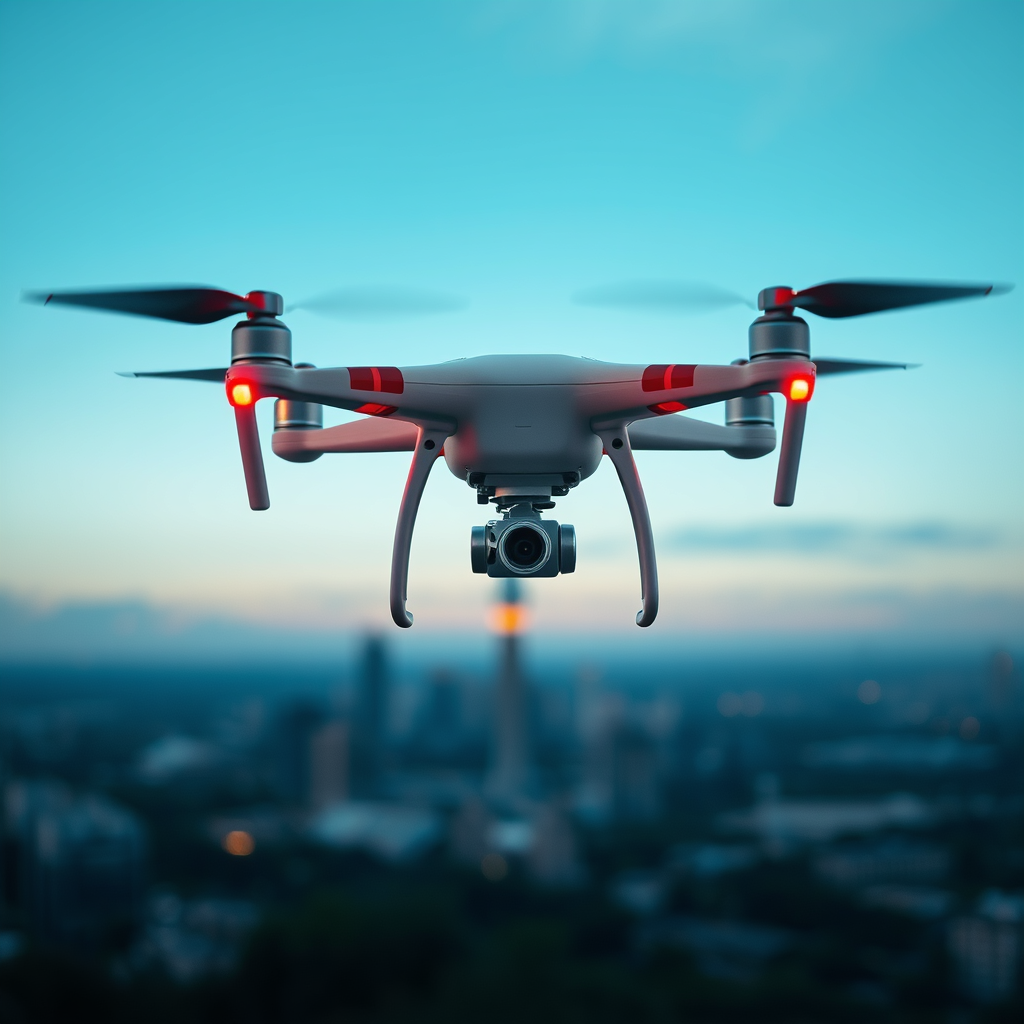
Drone regulations are critical to ensuring safe and responsible flying. In many countries, including the United States, the Federal Aviation Administration (FAA) has established clear guidelines regarding drone usage. Drones weighing under 250 grams typically do not require a license, making them accessible for beginner pilots and hobbyists alike. However, regulations may vary by country, so it is essential to check local laws before taking to the skies. For instance, in some regions, there may be restrictions on flying near certain landmarks or in specific airspace, which could affect where and how you can operate your drone. Always stay updated on the latest regulations to avoid potential legal issues.
Popular License-Free Drones
When it comes to flying without a license, there are several excellent options available:
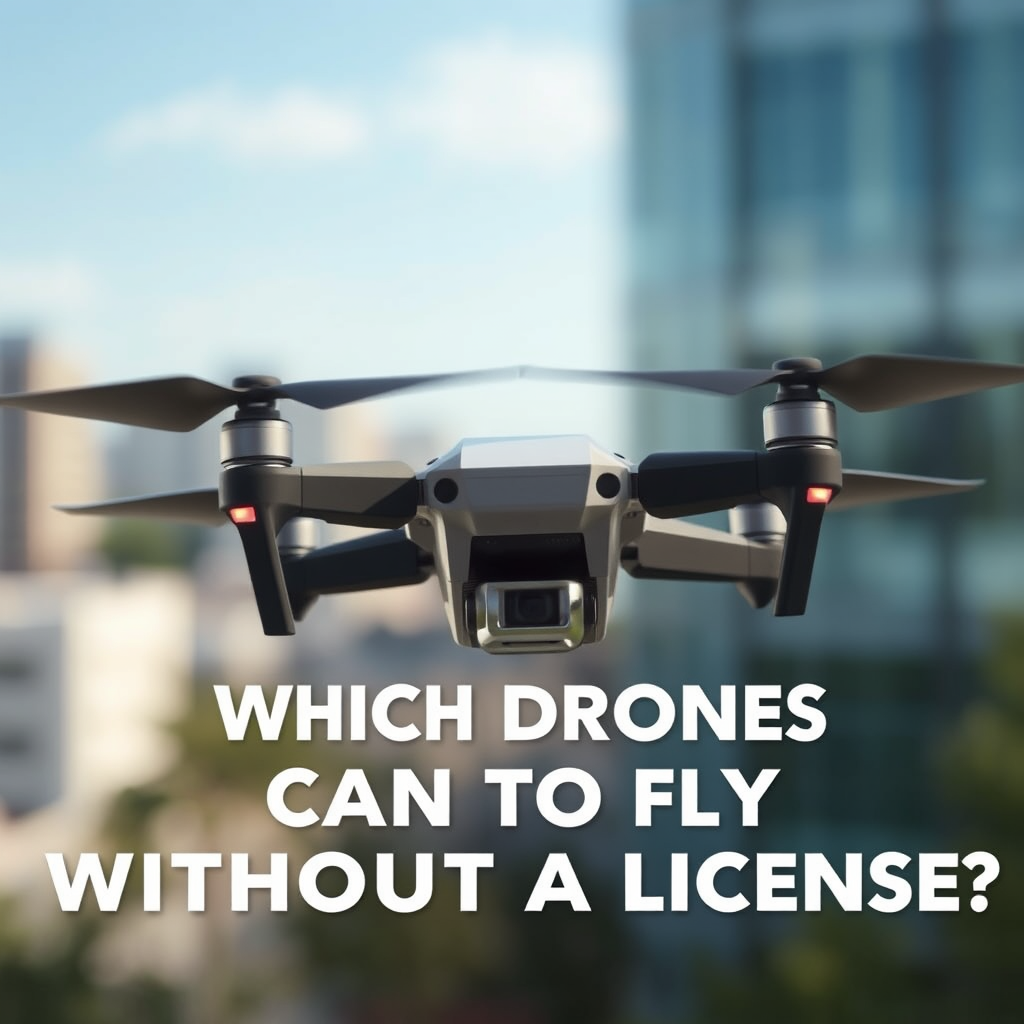
– DJI Mini 2: This drone is lightweight, compact, and user-friendly, making it a perfect choice for beginners. With a weight of just 249 grams, the DJI Mini 2 features impressive 4K video capabilities and a robust flight time of up to 31 minutes. Its intuitive controls and advanced safety features, such as GPS and obstacle detection, make it an ideal entry point for new pilots looking to capture stunning aerial footage.
– Ryze Tello: The Ryze Tello is an affordable and versatile option that caters to both educational purposes and leisurely flying. Weighing only 80 grams, it is not only easy to transport but also comes equipped with a 5 MP camera capable of recording 720p video. The Tello is programmed with various flight modes, including a “Throw and Go” feature that lets users launch the drone with a simple toss. This creativity-focused drone is perfect for those looking to learn the basics of drone flying without significant investment.
These models represent just a fraction of the license-free drones available on the market. The key is to choose a drone that suits your needs, whether for casual flying, photography, or even drone racing.
Safety Guidelines for Recreational Flying
Safety should always be a top priority when operating drones, regardless of their weight or your level of experience. Here are some essential guidelines to follow:
– Keep Your Drone in Visual Line of Sight: It is crucial to maintain visual contact with your drone at all times. This practice not only helps avoid collisions but also ensures that you can react quickly to any potential hazards.
– Avoid Airports and Populated Areas: Flying near airports poses a significant risk to manned aircraft, while flying over populated areas raises safety concerns for people on the ground. It is advisable to maintain a safe distance from both to comply with regulations and ensure public safety.
– Respect Privacy: Always be mindful of the privacy of others. Avoid flying over private property without permission and respect no-fly zones, such as schools or government buildings.
– Check Weather Conditions: Flying in adverse weather conditions can significantly increase the risk of accidents. Always check weather forecasts and avoid flying in high winds, rain, or fog.
By adhering to these guidelines, you can enjoy a safe and responsible flying experience.
How to Choose the Right Drone
Selecting the right drone can seem daunting, given the plethora of available options. Here are some factors to consider:
– Experience Level: If you are a beginner, opt for drones that are known for their ease of use and stability. Look for models that include features like GPS assistance, altitude hold, and one-button takeoff/landing.
– Intended Use: Determine what you want to achieve with your drone. If aerial photography is your goal, consider drones with higher-quality cameras and stabilization features. Conversely, if you are interested in racing, look for models designed for speed and agility.
– Battery Life: Drones with extended flight times are generally more enjoyable to fly, as they allow for longer sessions without needing to recharge. Look for drones with a flight time of at least 20 minutes.
– Portability: If you plan to travel with your drone, consider its size and weight. Compact, foldable designs are often easier to transport without sacrificing performance.
By reflecting on these aspects, you can make an informed decision that aligns with your flying goals and experience level.
Maintenance Tips for License-Free Drones
Proper maintenance is essential for ensuring your drone operates at peak performance and remains safe to fly. Here are some maintenance tips to keep in mind:
– Regularly Check for Firmware Updates: Manufacturers frequently release firmware updates that enhance performance and add new features. Keeping your drone’s software up to date ensures that you benefit from the latest advancements and fixes.
– Inspect for Physical Damage: Before each flight, conduct a thorough visual inspection of your drone. Look for any signs of wear and tear, such as cracks in the body, damage to propellers, or loose connections. Addressing any issues before flying can prevent accidents and costly repairs.
– Clean the Drone: Dust and debris can affect a drone’s performance. Regularly clean the motors, propellers, and camera lens to ensure optimal operation. Avoid using abrasive materials that may scratch the surface.
– Store Properly: When not in use, store your drone in a protective case to prevent damage. Avoid exposing it to extreme temperatures, humidity, or direct sunlight, as these conditions can affect battery life and overall functionality.
By following these maintenance tips, you can prolong the life of your drone and ensure that it remains safe and enjoyable to operate.
Resources for New Drone Pilots
As a new drone pilot, leveraging available resources can significantly enhance your learning experience. Here are some valuable resources to consider:
– Online Communities: Join forums and social media groups dedicated to drone enthusiasts. These platforms are excellent for sharing tips, asking questions, and learning from experienced pilots.
– FAA Website: The FAA provides comprehensive resources on drone regulations, safety guidelines, and educational materials. Familiarizing yourself with their resources can help you stay compliant and informed about the evolving landscape of drone laws.
– YouTube Tutorials: There are countless video tutorials available online that cover everything from basic drone operation to advanced flying techniques. Watching these videos can help you connect theory with practice.
– Local Clubs: Consider joining a local drone club where you can meet fellow enthusiasts, participate in group flying sessions, and gain hands-on experience.
By utilizing these resources, you can improve your skills and deepen your understanding of drone operations.
Flying a drone without a license is indeed possible with the right equipment and adherence to regulations. By selecting a suitable model, understanding the relevant laws, and following safety guidelines, you can enjoy the exhilarating experience of drone flying while ensuring compliance and safety. Always prioritize responsible flying practices and stay informed about the rules governing drone usage. Happy flying!
Frequently Asked Questions
What is the weight limit for drones that can be flown without a license?
In the United States, the Federal Aviation Administration (FAA) allows recreational drone pilots to fly drones that weigh under 0.55 pounds (250 grams) without needing a license. However, it’s essential to ensure that your drone complies with this weight limit, as exceeding it requires the operator to obtain a Remote Pilot Certificate under Part 107 regulations.
How can I find a drone that doesn’t require registration or a license?
To find a drone that you can fly without registration or a license, look for models that weigh less than 0.55 pounds. Many manufacturers, such as DJI, offer lightweight options specifically designed for casual users. Always check the specifications and local regulations, as laws may vary by country or region.
Why do some drones require a license while others do not?
Drones require a license based on their weight and intended use. Heavier drones or those used for commercial purposes are subject to stricter regulations to ensure safety and accountability. Recreational drones that weigh less than 0.55 pounds are considered low-risk and thus do not require a license for hobbyist use.
Which are the best drones to fly without a license?
Some of the best drones you can fly without a license include the DJI Mini SE, Holy Stone HS210, and the Eachine E010. These models are lightweight, user-friendly, and offer great features for aerial photography or simply enjoying the hobby. Always check that the specific model complies with the weight requirements to ensure you can operate it legally.
What should I know about flying a drone without a license?
When flying a drone without a license, it’s crucial to follow the FAA’s guidelines for recreational flying. This includes flying below 400 feet, keeping the drone within visual line-of-sight, and avoiding flying near airports or populated areas. Additionally, respecting privacy and understanding local laws are essential for responsible drone operation, even if a license isn’t required.
References
- https://en.wikipedia.org/wiki/Drone_regulations
- https://www.faa.gov/uas/getting_started/registration
- https://www.npr.org/sections/alltechconsidered/2020/02/14/805159812/what-you-need-to-know-about-flying-drones-in-the-u-s
- https://www.shutterstock.com/blog/drone-pilot-licensing-guide
- https://www.theguardian.com/technology/2021/jan/14/drone-licensing-uk-regulations
- https://www.abc.net.au/news/2022-02-11/drone-licensing-in-australia/100823164
- https://www.cnet.com/tech/mobile/where-you-can-fly-drones-without-a-license/
