
The primary manufacturers of military drones include major defense contractors such as General Atomics, Northrop Grumman, and Boeing. These companies create a range of unmanned aerial vehicles (UAVs) designed specifically for surveillance, combat, and reconnaissance missions. Understanding the key players in this sector not only sheds light on the technological advancements in military aviation but also reveals how these manufacturers are shaping modern warfare. This article explores the top companies involved in military drone production, their notable models, and the impact of their technologies on defense strategies worldwide.
Major Players in Military Drone Manufacturing
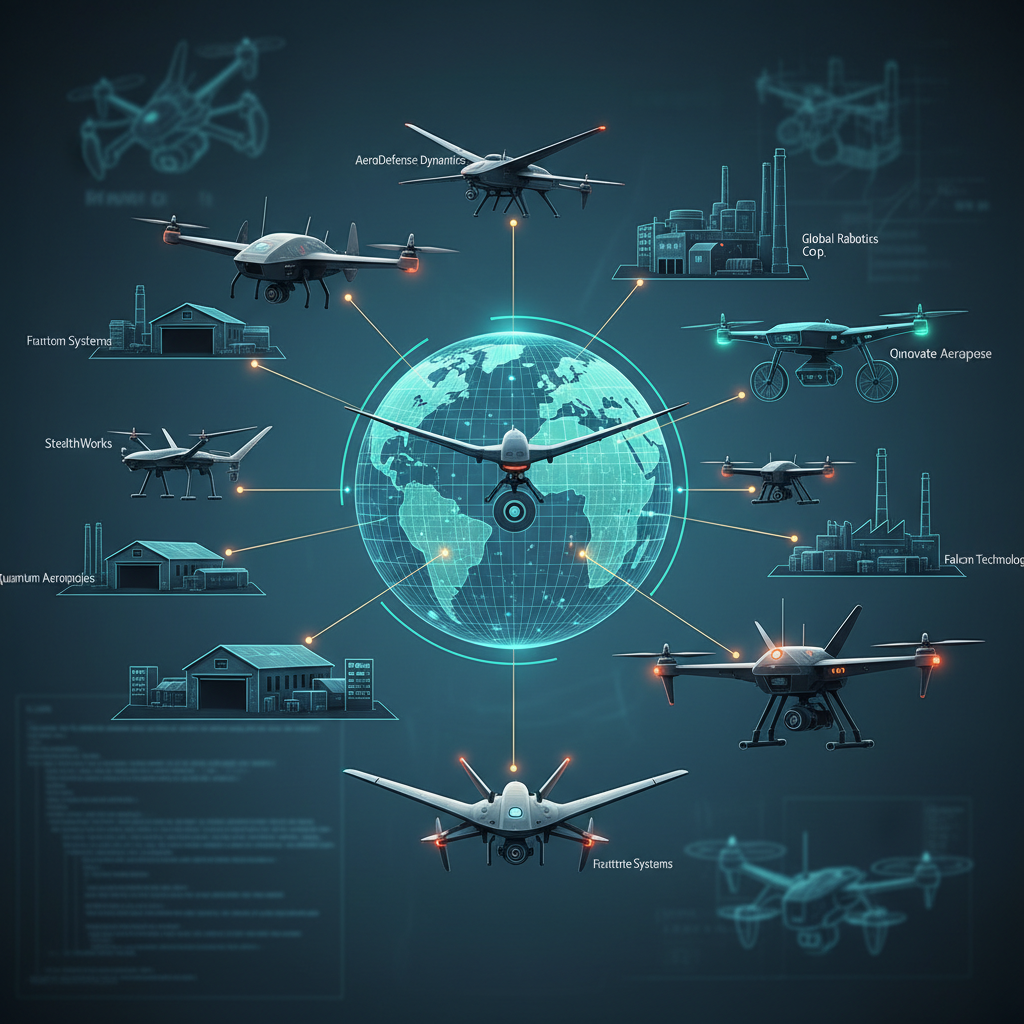
General Atomics is at the forefront of military drone manufacturing, renowned for its Predator and Reaper drones. These UAVs have become integral to combat operations, providing real-time intelligence and precision strike capabilities. The Predator, introduced in the 1990s, was one of the first drones to be used for armed conflict, and its successor, the Reaper, has enhanced capability with improved payload and surveillance technology. Both platforms are equipped with advanced sensors and weapon systems, allowing for versatile mission profiles ranging from surveillance to targeted strikes.
Northrop Grumman is another key player, primarily recognized for its Global Hawk UAV. This high-altitude, long-endurance drone is specifically designed for intelligence, surveillance, and reconnaissance (ISR) missions. With the ability to fly at altitudes of up to 60,000 feet and stay airborne for over 30 hours, the Global Hawk collects vast amounts of data, supporting military operations by providing critical situational awareness. The platform’s advanced sensors and communications systems have made it a vital asset in both military and humanitarian missions.
These major manufacturers not only compete with each other but also collaborate on various government contracts and projects, pushing the boundaries of what military drones can achieve.
The Role of Boeing in Military Drones
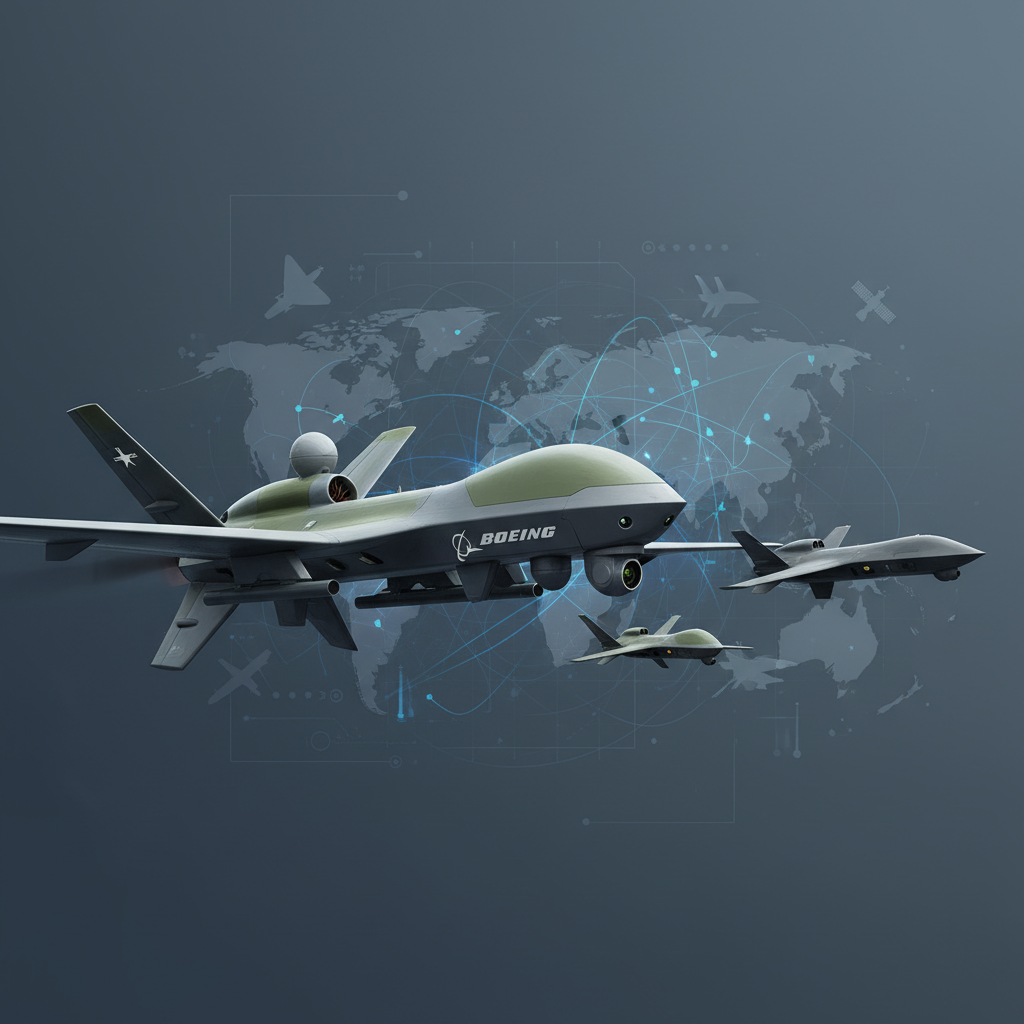
Boeing plays a significant role in the military drone market, particularly with its ScanEagle UAV. This drone is widely utilized for reconnaissance and surveillance operations, providing vital intelligence to ground forces. The ScanEagle’s compact design and long endurance make it suitable for various environments, from maritime operations to land-based missions. Its ability to operate in tandem with other military assets enhances situational awareness and decision-making on the battlefield.
Boeing’s focus on innovation has led to the development of advanced UAV systems like the MQ-25 Stingray, designed for carrier-based operations. This drone is set to transform naval aviation by refueling aircraft mid-flight, thus extending the operational range of fighter jets and other aerial assets. Boeing’s strategic investments in autonomous systems and next-generation technologies demonstrate its commitment to staying at the cutting edge of military drone capabilities.
Through partnerships with both government and private sectors, Boeing continues to explore new applications for UAV technology, making it a pivotal contributor to the evolution of military aviation.
Emerging Companies in the Drone Industry
While established giants like General Atomics, Northrop Grumman, and Boeing dominate the military drone landscape, emerging companies such as Textron and Elbit Systems are gaining traction with innovative solutions. Textron, known for its RQ-7 Shadow drone, offers a tactical UAV that provides real-time reconnaissance and surveillance. This drone is particularly valued for its modular design, allowing for quick reconfiguration to suit different mission requirements.
Elbit Systems, a key player in the defense electronics sector, has introduced the Hermes series of UAVs, which are known for their versatility and advanced capabilities. The Hermes 900, for instance, is equipped with cutting-edge sensors and can operate in a variety of roles, from combat support to border surveillance. These emerging companies are diversifying the offerings in military drones, contributing to a wider range of capabilities and applications in defense.
The presence of these new entrants is crucial as they drive competition and innovation, ultimately leading to enhanced performance and capabilities in military UAVs.
The Impact of Technology on Military Drones
Technological advancements in artificial intelligence (AI) and sensor technology are significantly enhancing the operational effectiveness of military drones. AI-powered systems enable drones to process data in real-time, making autonomous decisions during missions. This capability is particularly valuable for ISR operations, where drones can identify and track targets without human intervention, reducing the cognitive load on operators and increasing mission efficiency.
Moreover, advancements in sensor technology, such as electro-optical and infrared cameras, provide drones with superior imaging capabilities. These sensors allow for high-resolution imagery and video feeds, enabling ground commanders to make informed decisions based on real-time data. The integration of advanced communications systems further enhances the ability of drones to relay information back to command centers, ensuring that military forces have up-to-date intelligence.
The continuous evolution of these technologies not only improves the effectiveness of military operations but also minimizes risks to personnel by allowing for remote engagement in combat situations.
Future Trends in Military Drone Production
The landscape of military operations is shifting towards smaller, more versatile drones. These compact UAVs are increasingly being designed for specific roles, such as close air support, reconnaissance, and logistical support. The trend towards miniaturization allows for greater deployment flexibility and operational efficiency, enabling military forces to adapt to changing battlefield conditions swiftly.
Additionally, there is an increasing collaboration between military and technology companies, fostering innovation in UAV capabilities. Partnerships with tech firms specializing in AI, machine learning, and data analytics are driving the development of next-generation drones that can operate autonomously and make real-time tactical decisions. This collaborative approach not only enhances the technological prowess of military drones but also accelerates the pace of innovation in the sector.
The future of military drone production will likely see an emphasis on interoperability among different drone systems and joint operations between air and ground forces, further enhancing the effectiveness of military strategies.
Regulations and Ethical Considerations
The deployment of drones in military operations raises important ethical questions regarding surveillance and combat. The use of UAVs can lead to concerns about accountability, particularly in situations where unmanned systems are used for targeted strikes. Issues surrounding civilian casualties and the potential for misuse of drone technology necessitate careful consideration and transparent regulations.
Governments and international bodies are increasingly implementing regulations to ensure the responsible use of drone technology in warfare. These regulations aim to balance the operational advantages of drones with the ethical implications of their use. For instance, frameworks are being developed to govern the use of autonomous weapons, ensuring that human oversight remains a fundamental aspect of military decision-making.
As drone technology continues to evolve, it is critical to establish ethical guidelines and operational protocols that address the complexities associated with their use in military operations.
In summary, military drones are primarily manufactured by leading defense contractors like General Atomics, Northrop Grumman, and Boeing, alongside emerging companies that are reshaping the market with innovative offerings. The interplay of technology, emerging players, and ethical considerations is crucial for understanding the future of military drone production. Keeping informed about these developments is essential for grasping the rapidly evolving landscape of military technology.
Frequently Asked Questions
What companies manufacture drones for the military?
Several prominent companies specialize in manufacturing military drones, including General Atomics, Northrop Grumman, Boeing, and Lockheed Martin. These manufacturers offer a range of unmanned aerial vehicles (UAVs) designed for various military applications, such as surveillance, reconnaissance, and combat. Each company brings unique technology and capabilities to the table, contributing to the diverse landscape of military drone solutions.
How are military drones different from commercial drones?
Military drones are specifically engineered for defense purposes, featuring advanced technology such as enhanced flight capabilities, sophisticated sensors, and secure communication systems. They are often equipped with weaponry and have longer operational ranges compared to commercial drones, which are typically designed for recreational use, aerial photography, or agricultural applications. Furthermore, military drones undergo rigorous testing and evaluation to meet strict operational standards and combat requirements.
Why are drones important for modern military operations?
Drones play a crucial role in modern military operations by providing real-time intelligence, surveillance, and reconnaissance (ISR) capabilities. They allow military forces to gather critical information without risking personnel, enabling more informed decision-making on the battlefield. Additionally, drones can perform precision strikes, logistical support, and even search and rescue missions, making them indispensable assets in contemporary warfare.
What are the best military drones currently in use?
Some of the best military drones currently in use include the MQ-9 Reaper, which is known for its versatility and combat capabilities, and the RQ-4 Global Hawk, recognized for its high-altitude surveillance. Another notable mention is the MQ-1 Predator, which has been instrumental in various military operations. These drones are equipped with advanced sensors and weapon systems that enhance their effectiveness in various mission scenarios.
Which countries are leading in military drone technology?
The United States is often considered the leader in military drone technology, with extensive research, development, and deployment of UAVs. Other notable countries include China and Israel, both of which have developed sophisticated drone systems for military use. Additionally, nations like the United Kingdom, Russia, and Turkey are making significant advancements in drone technology, contributing to a competitive global landscape in military UAV capabilities.
References
- https://en.wikipedia.org/wiki/Military_drone
- https://www.bbc.com/news/world-us-canada-61037592
- https://www.reuters.com/technology/whos-building-us-militarys-drones-2021-06-23/
- https://www.armytimes.com/2021/06/04/a-guide-to-the-us-militarys-drone-programs-and-their-uses/
- https://www.nytimes.com/2021/06/23/us/politics/drone-warfare-military.html
- https://www.rand.org/pubs/research_reports/RR3084.html
