

The introduction of 360-degree drone cameras has transformed aerial photography, offering unprecedented perspectives and creative possibilities. These innovative devices allow users to capture immersive images and videos from all angles, making them essential tools for photographers, filmmakers, and businesses alike. In this article, we will explore the reasons behind their game-changing impact.
Enhanced Perspective and Immersion
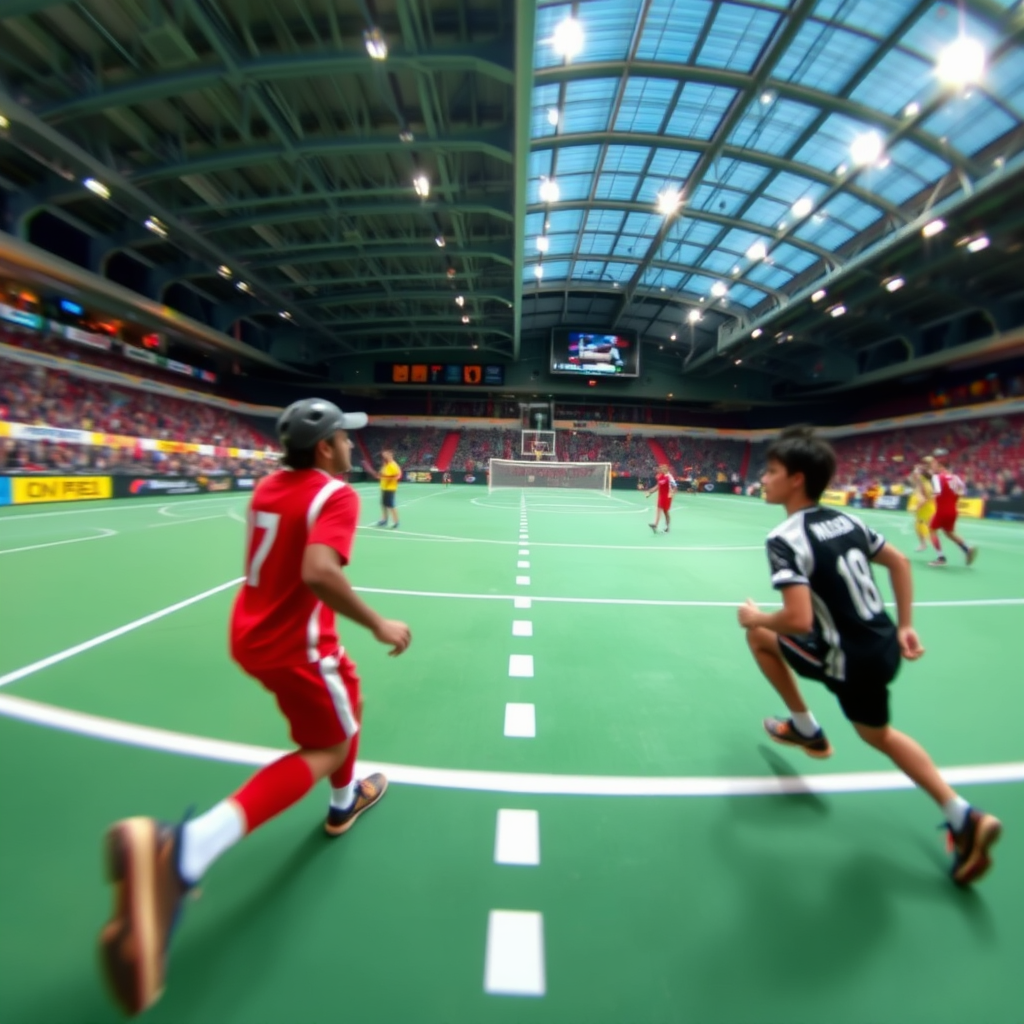
360-degree cameras provide a complete view of the surroundings, enhancing storytelling and engagement. Traditional aerial photography often limits the viewer to a single perspective, potentially missing critical details and context. In contrast, a 360-degree drone camera captures everything in its vicinity, enabling viewers to explore an environment interactively. This enhanced perspective is particularly beneficial for industries such as real estate, where potential buyers can virtually walk through properties, getting a feel for the space without being physically present.
For instance, a real estate agent can create a virtual tour of a property that includes panoramic views of each room and the surrounding landscape. This immersive approach not only engages potential clients but also establishes a deeper emotional connection, making it more likely for them to consider a purchase. By allowing viewers to control their viewing experience, the content becomes more captivating and memorable, fostering a stronger narrative that resonates with audiences.
Versatility Across Industries
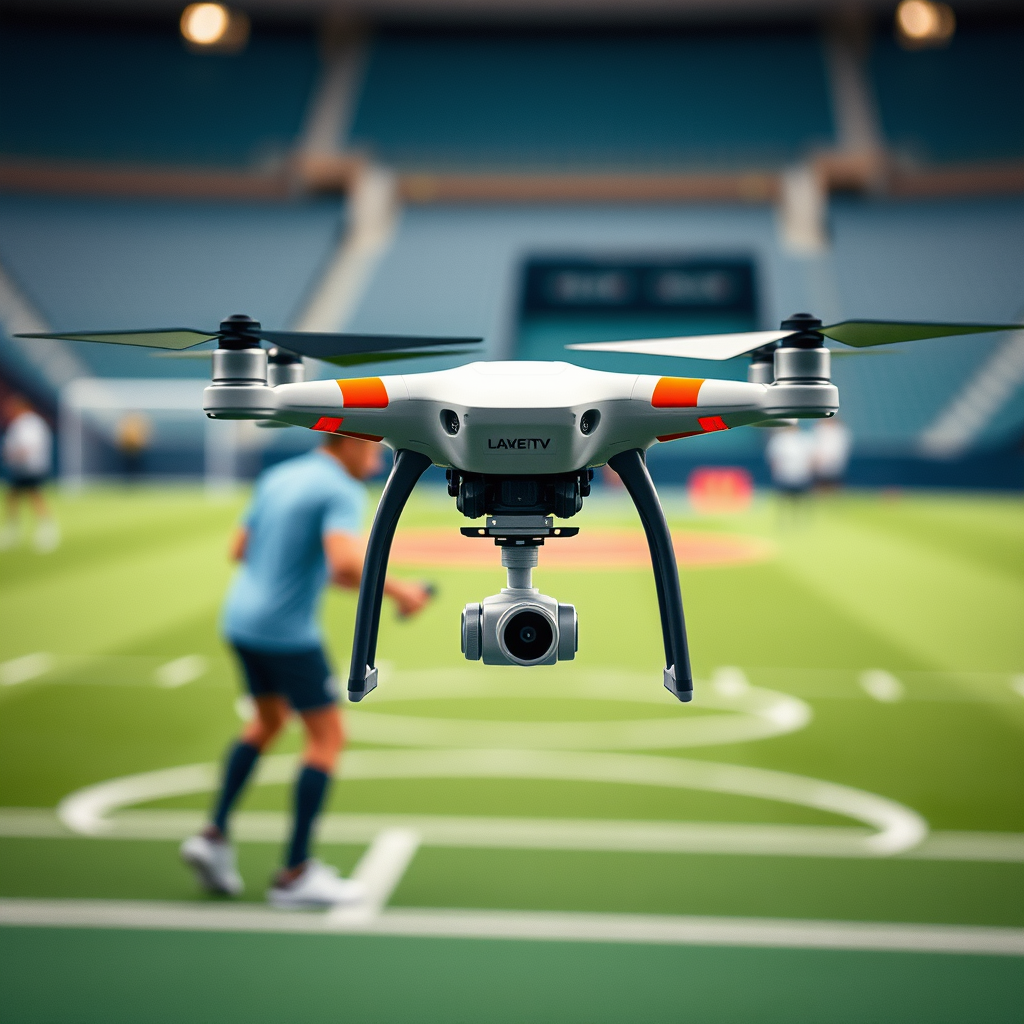
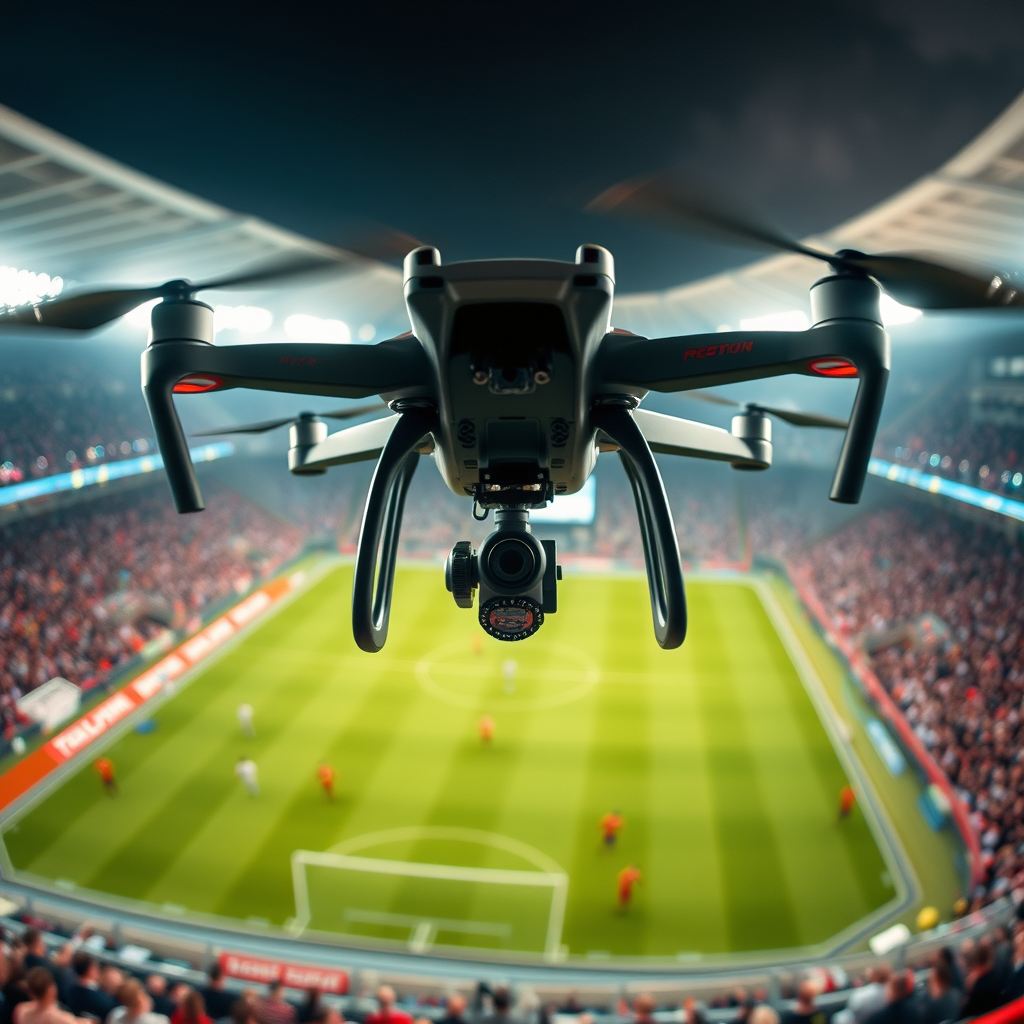
These drones are utilized in various fields, including real estate, tourism, and event coverage, showcasing properties and locations more effectively. In tourism, for example, destinations can leverage 360-degree footage to entice travelers, providing a virtual glimpse of breathtaking landscapes and attractions. A travel agency might use stunning 360-degree videos of exotic locations to create compelling marketing campaigns that draw in potential tourists.
Moreover, industries like construction and agriculture are increasingly adopting 360-degree drones for monitoring and surveying large areas. Construction firms can utilize these cameras to document project progress from multiple angles, allowing stakeholders to visualize developments in real-time. Similarly, farmers can use aerial imagery to monitor crop health and land usage, enabling data-driven decisions that enhance productivity and sustainability.
Simplified Content Creation
360-degree drones streamline the content creation process by reducing the need for multiple cameras and angles. Traditional videography often requires extensive equipment and time-consuming setups to capture various perspectives. However, with a 360-degree drone, users can capture stunning visuals in a single flight, saving time and effort during shoots. This efficiency not only lowers production costs but also allows creators to focus more on the creative aspects of their work.
For instance, a filmmaker can shoot a complex scene with multiple characters and locations in one go, rather than scheduling separate shoots for each angle. This capability is particularly advantageous for event coverage, where capturing the atmosphere and nuances in a single take can significantly enhance the final product. By simplifying the content creation process, 360-degree drones empower creators to produce high-quality content more efficiently.
Advanced Technology and Features
Many 360-degree drones come equipped with stabilization technology, ensuring smooth footage even in challenging conditions. This feature is crucial for maintaining the quality of the visuals, as shaky footage can detract from the viewer’s experience. Advanced stabilization systems, such as gimbal technology, allow drones to counteract wind and movement, resulting in steady shots that can impressively showcase dynamic environments.
Additionally, features like live streaming and easy editing tools allow for quick sharing and dissemination of content. For example, a sports broadcaster can use a 360-degree drone to provide live coverage of an event, giving viewers an unparalleled vantage point. This capability not only enhances viewer engagement but also opens up new avenues for monetization through sponsorships and advertising. The integration of user-friendly editing software further enables creators to tailor their content rapidly, responding to audience demands and trends with agility.
Cost-Effectiveness and Accessibility
The declining prices of 360-degree drones have made them more accessible to a wider range of users, from professionals to hobbyists. As technology advances, manufacturers are producing high-quality drones at more affordable price points, allowing individuals and small businesses to invest in these innovative tools. This democratization of technology encourages creativity and exploration, leading to a wealth of new applications in various sectors.
For instance, aspiring filmmakers no longer need to rely on expensive equipment rentals to create engaging content. With a modest investment in a 360-degree drone, they can produce cinematic visuals that rival those of established professionals. This increased accessibility fosters a vibrant community of content creators who contribute fresh ideas and perspectives, ultimately enriching the aerial photography landscape.
Future Trends and Innovations
The market for 360-degree drone cameras is expected to grow, with advancements in technology leading to even better image quality and functionality. As companies continue to invest in research and development, we can anticipate enhancements such as higher resolution cameras, improved battery life, and greater flight stability. These innovations will further elevate the capabilities of 360-degree drones, allowing users to capture even more stunning visuals.
Emerging trends, such as integration with virtual reality (VR), promise to enhance the user experience and expand the possibilities further. As VR technology evolves, the potential for immersive storytelling becomes limitless. For instance, imagine a travel agency offering VR experiences powered by 360-degree drone footage, allowing customers to explore destinations in a fully immersive manner before booking their trips. This synergy between 360-degree drones and VR technology will undoubtedly reshape the future of aerial photography and content creation.The rise of 360-degree drone cameras marks a significant shift in aerial photography, providing new opportunities for creativity and engagement. By incorporating these innovative tools, users can elevate their content, streamline production, and benefit from the latest technological advancements. As the industry continues to evolve, investing in a 360-degree drone camera will not only keep you competitive but also enhance your storytelling capabilities in the rapidly changing landscape of visual media.
Frequently Asked Questions
What are the key benefits of using 360-degree drone cameras?
360-degree drone cameras provide an immersive viewing experience by capturing panoramic images and videos, allowing users to see their surroundings from all angles. This capability is particularly beneficial for industries like real estate, tourism, and event planning, where showcasing spaces in a comprehensive manner can enhance marketing efforts. Additionally, these cameras often come equipped with advanced stabilization technology, ensuring smooth and professional-quality footage.
How can 360-degree drone cameras improve real estate marketing?
360-degree drone cameras significantly enhance real estate marketing by offering potential buyers virtual tours of properties, making it easier for them to visualize spaces without physically visiting. This technology allows agents to create interactive listings that engage viewers, making properties stand out in a competitive market. Moreover, high-quality aerial shots can highlight neighborhood amenities and property layouts, further attracting interest.
Why are 360-degree views essential for virtual tourism experiences?
360-degree views are essential for virtual tourism experiences as they allow users to feel as if they are physically present in a location, enhancing engagement and interest. This immersive technology provides a sense of exploration that traditional flat images cannot achieve, making it ideal for travel companies and tourism boards looking to entice visitors. By offering virtual tours, businesses can reach a broader audience and inspire future travel plans.
Which industries benefit the most from 360-degree drone camera technology?
Several industries benefit from 360-degree drone camera technology, including real estate, tourism, sports, and event management. In real estate, immersive tours enhance property visibility, while in tourism, they can showcase attractions and experiences. Sports organizations use this technology to provide unique perspectives of events, and event planners utilize it to capture and share special occasions in a captivating format, making it a versatile tool across various sectors.
What should I consider when choosing a 360-degree drone camera for my business?
When choosing a 360-degree drone camera for your business, consider factors such as image quality, battery life, ease of use, and software compatibility. High-resolution cameras with stabilization features will deliver professional-quality footage, while longer battery life ensures more extended shooting sessions. Additionally, look for user-friendly interfaces and editing software that can help streamline your workflow, making it easier to produce and share content effectively.
References
- https://en.wikipedia.org/wiki/Drone_camera
- https://www.sciencedirect.com/science/article/pii/S2212017317305932
- https://www.nytimes.com/2020/09/08/technology/drones-camera-technology.html
- https://www.theguardian.com/technology/2021/nov/09/drones-photography-360-degree
- https://www.bbc.com/news/technology-51589667
- https://www.nasa.gov/mission_pages/technology/technology_demos/360-degree-camera.html
- https://www.wired.com/story/360-degree-camera-drones/
