
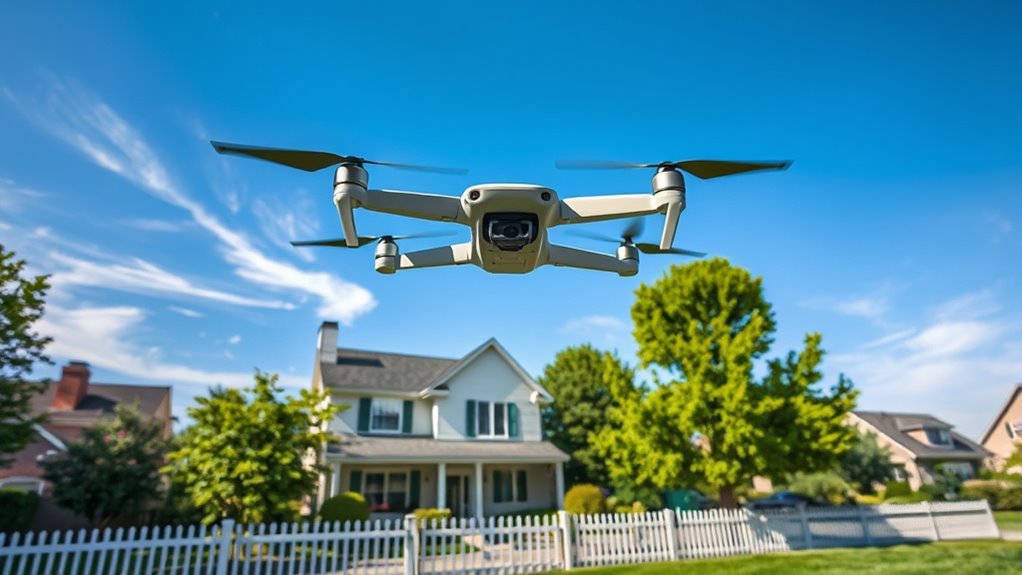
Drones are likely flying over your house for several reasons. They’re commonly used for aerial photography, surveillance, and testing delivery services. These devices can optimize operations for businesses and enhance real estate listings. However, this increased presence raises privacy concerns and potential safety issues. It’s important to understand the regulations governing drone use in your area. If you’re curious about the implications of drones in your neighborhood, there’s more to explore on this topic.
The Rise of Drone Technology
As drone technology continues to evolve, you might notice their increasing presence in various sectors, from agriculture to delivery services. These drone advancements are reshaping commercial applications, optimizing operations, and enhancing efficiency. For instance, in agriculture, drones are utilized for crop monitoring, allowing farmers to make data-driven decisions that boost yield. In logistics, companies are exploring drone deliveries, greatly reducing transportation times and costs. The integration of sophisticated sensors and AI algorithms enables these devices to traverse complex environments autonomously. This rise in drone technology reflects a broader trend toward automation and innovation, granting businesses greater flexibility and operational freedom. As these applications expand, understanding their implications becomes essential for maneuvering the evolving landscape of commercial opportunities.
Common Uses for Drones in Residential Areas
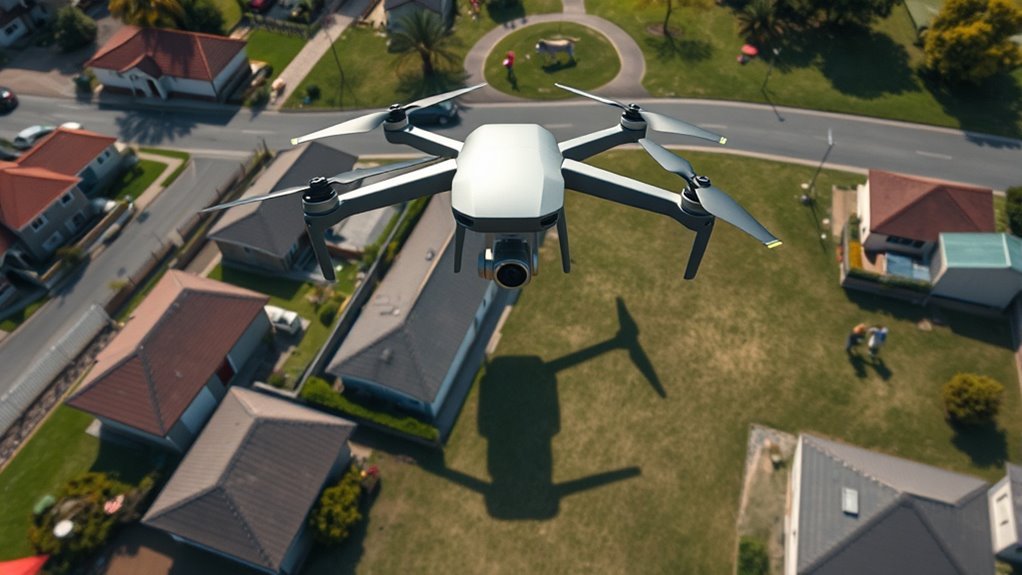
While many might associate drones with commercial applications, their utility in residential areas is rapidly gaining traction. Drones are increasingly utilized for aerial photography, allowing homeowners to capture stunning views of their properties or landscapes. This technology provides a fresh perspective, enhancing real estate listings or documenting personal milestones. Additionally, the potential for package delivery is reshaping how you receive goods. Companies are experimenting with drone delivery services, promising faster and more efficient options for getting items to your doorstep. These uses not only reflect a shift in logistics but also emphasize how drones can enhance your everyday life, empowering you with tools that simplify tasks and elevate experiences. Furthermore, drones equipped with advanced real-time data collection capabilities are being employed to monitor environmental conditions, showcasing their versatility beyond just residential applications. As drone technology evolves, expect more innovative applications to emerge, including high-resolution imaging that can improve inspection processes for infrastructure in your neighborhood.
Privacy Concerns and Regulations
With the rise of drones in residential areas, privacy concerns have intensified, prompting discussions around necessary regulations. You may find yourself questioning the implications of drone surveillance on your personal space. While drones can provide valuable services, their ability to capture images and gather data raises significant legal implications regarding your right to privacy. Current regulations are often vague, leaving gaps that can be exploited. As a homeowner, it’s vital to understand that drone operators must comply with local laws and respect your privacy. Advocacy for clearer regulations can help balance the benefits of drone technology with the need for personal freedom. Furthermore, understanding legal boundaries is key in ensuring accountability for drone operators in safeguarding your privacy in this evolving landscape. Furthermore, operators should always be aware of local regulations to ensure they are flying within legal parameters.
Safety Issues Associated With Drones
Although drones offer numerous benefits, they also present significant safety issues that can’t be overlooked. One of the primary concerns is the potential for mid-air collisions, especially in congested areas where airspace regulations are often violated. Without proper adherence to these regulations, drones can interfere with manned aircraft, posing risks to both pilots and civilians. Additionally, drone safety is compromised when operators lack adequate training, leading to accidents or malfunctions. The increasing number of drones in residential areas exacerbates these issues, as many users may not fully understand the implications of their flight paths. As a result, promoting awareness and enforcing strict compliance with airspace regulations is essential to mitigate these safety risks and guarantee the freedom to fly responsibly. Furthermore, the use of radar detection techniques can help monitor and manage drone traffic, ensuring safer integration into the airspace. Ultimately, the potential US ban on DJI may lead to a surge in new drone operators who could contribute to safety risks if not properly educated on regulations and safe practices.
The Future of Drones in Our Neighborhoods
As technology evolves, the integration of drones into our neighborhoods is poised to transform daily life markedly. You’ll likely see drones facilitating community engagement by enabling local organizations to host events and monitor resources efficiently. Imagine a drone delivering supplies for a community project or providing real-time updates during local emergencies. Additionally, drones will enhance environmental monitoring, allowing for the assessment of air quality and wildlife populations without intrusive ground methods. They’ll collect data that informs local policies, ensuring a healthier living environment. With these advancements, your neighborhood could become an exemplar of innovation, balancing freedom and responsibility while fostering a sense of community. Embracing this technology could lead to a more engaged, informed, and resilient society. Drones equipped with advanced AI and autonomous navigation will optimize their operations, ensuring efficient resource management and timely interventions. Furthermore, these drones will utilize precision planting techniques to improve resource allocation in community gardens, enhancing sustainability efforts.
Frequently Asked Questions
Can I Legally Shoot Down a Drone Over My Property?
You can’t legally shoot down a drone over your property due to drone laws. While you have property rights, using force can lead to legal consequences. It’s crucial to understand the regulations governing aerial vehicles in your area.
How Can I Identify the Owner of a Drone?
“Curiosity killed the cat,” but you can identify a drone’s owner through drone tracking technologies or by observing unique identifiers. Check local regulations for reporting and gathering information on unmanned aerial vehicles in your vicinity.
What Should I Do if a Drone Is Bothering Me?
If a drone’s bothering you, consider reviewing drone regulations to understand your rights. Address privacy concerns by documenting incidents, reporting to authorities, and discussing the issue with the drone operator, promoting respectful dialogue and potential solutions.
Are There Apps to Track Drone Flights in My Area?
Like a hawk scanning the skies, you can use drone tracking flight apps to monitor aerial activity in your area. These tools provide real-time data, empowering you with knowledge about nearby drones and their operations.
Do Drones Have to Notify Residents Before Flying Overhead?
Drones aren’t required to notify residents before flying overhead, but drone regulations vary by location. Privacy concerns arise, emphasizing the need for awareness and potential advocacy for stricter guidelines to protect individual freedoms from aerial surveillance.
