

Drones are increasingly seen flying at night due to advancements in technology, the expansion of commercial applications, and the growing popularity of recreational use. This surge can be attributed to improved night vision capabilities, regulatory changes, and the need for nighttime surveillance and delivery services. As drone technology continues to evolve, we are witnessing a transformation in how and when these aerial devices are deployed, making nighttime operations more feasible and practical.
Increased Night Vision Technology
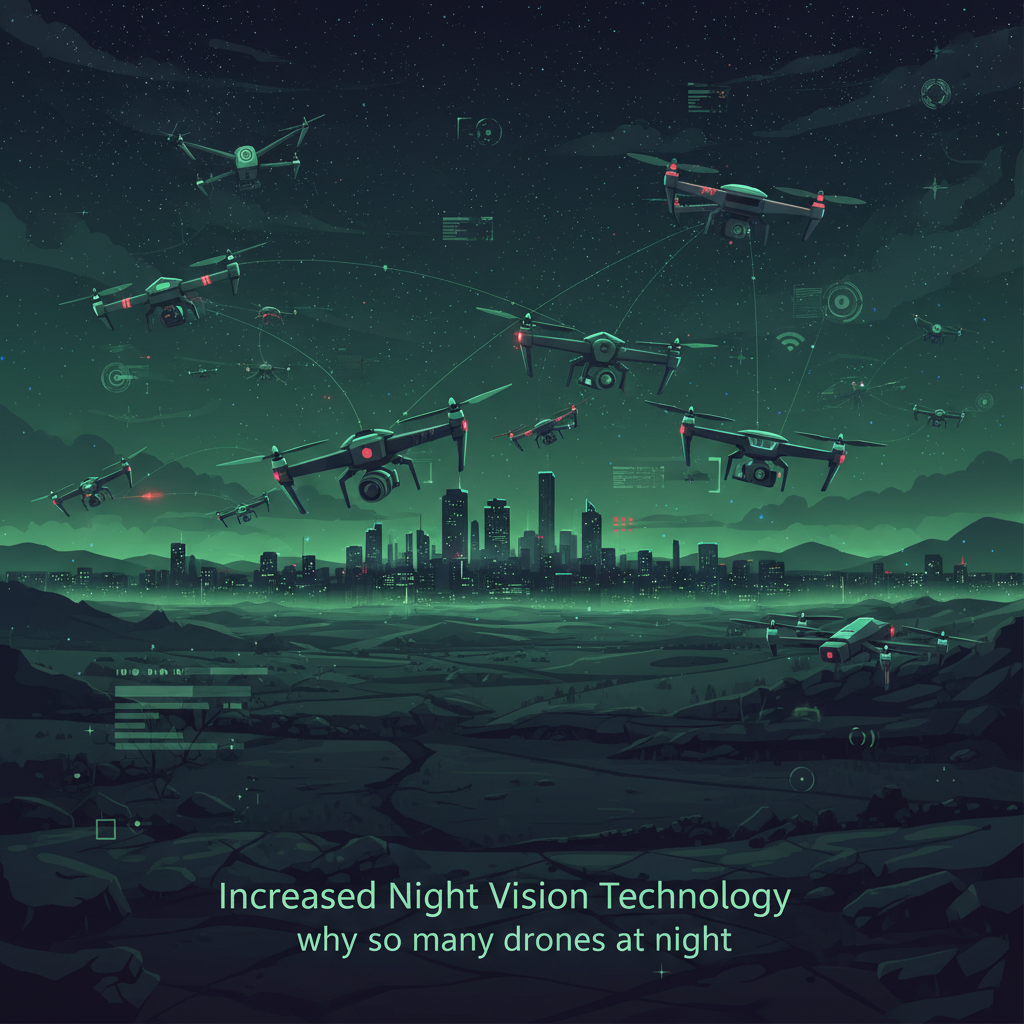
One of the primary reasons for the uptick in nighttime drone activity is the significant advancements in night vision technology. Modern drones are equipped with enhanced sensors and high-resolution cameras that can operate effectively in low-light conditions. For instance, thermal imaging cameras allow operators to detect heat signatures, making it possible to monitor agricultural fields or wildlife during the night without disturbing them.
Companies like DJI have developed drones with integrated thermal imaging capabilities that cater to various industries, including search and rescue operations, where locating individuals in poorly lit environments is critical. Furthermore, manufacturers are investing heavily in technology that enhances navigation and safety during night flights. The incorporation of GPS, inertial measurement units (IMUs), and advanced algorithms ensures that drones can navigate with precision, even when visibility is limited. As these technologies become more accessible, the barriers to flying drones at night are lowered, encouraging more operators to take to the skies after dark.
Growing Commercial Applications
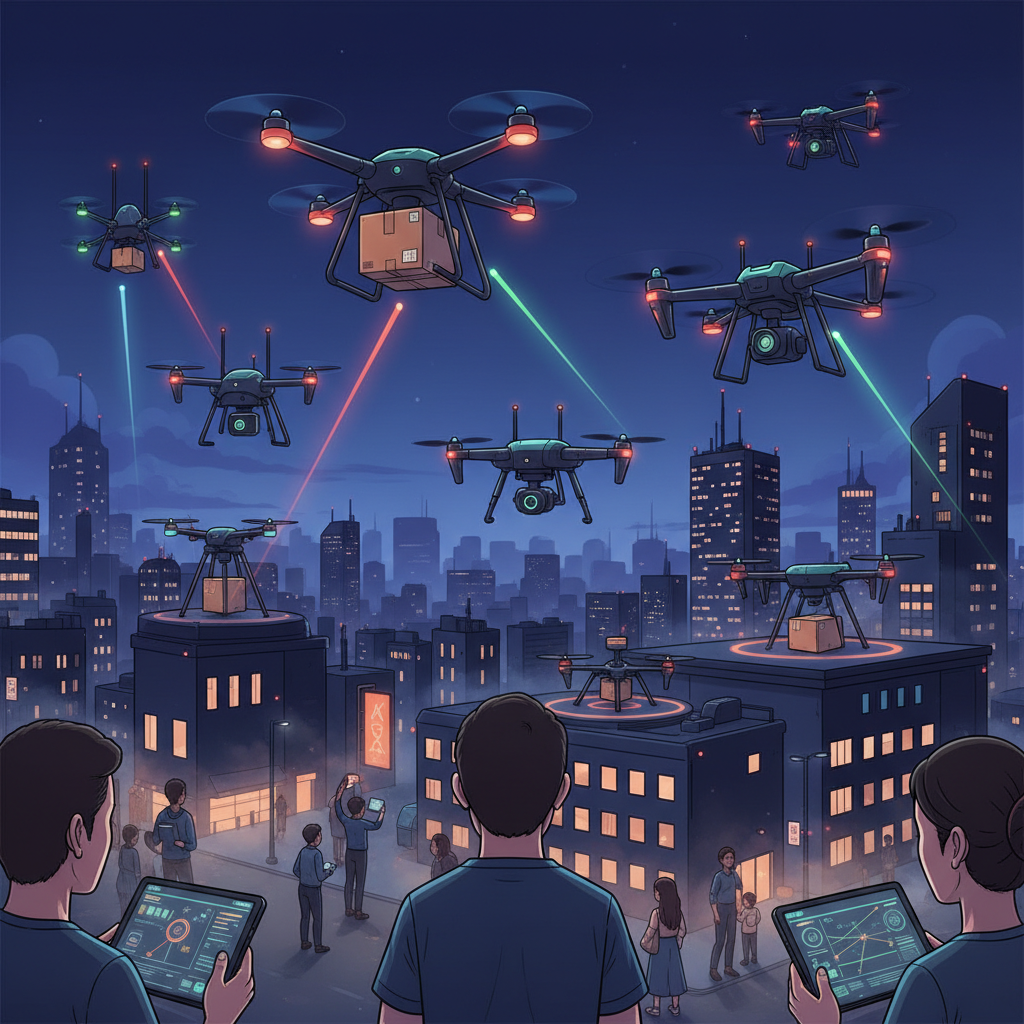
The commercial landscape for drones is rapidly expanding, and many industries are now recognizing the value of operating drones at night. For example, the agricultural sector has begun leveraging drones for nighttime monitoring of crops. This allows farmers to assess plant health and irrigation needs without the interference of daytime activities, optimizing their resources and time. Similarly, the security industry is utilizing drones for nighttime surveillance, providing a cost-effective means to monitor large areas and detect unauthorized intrusions.
Moreover, the rise of drone delivery services has necessitated nighttime operations to meet consumer demands. Companies such as Amazon and UPS are piloting drone delivery programs that aim to shorten delivery times, and evening deliveries can enhance efficiency. This push for nighttime logistics reflects a broader trend in e-commerce, where 24/7 availability is becoming increasingly expected by consumers.
Recreational Use and Hobbyist Interest
The recreational drone market is flourishing, with more enthusiasts taking to the skies at night. The availability of affordable drone options has made aerial photography and videography accessible to a wider audience, with many hobbyists eager to capture stunning nighttime images and videos. Nighttime flying offers unique perspectives and creative opportunities that are not achievable during the day, such as capturing cityscapes illuminated by artificial lights.
Additionally, nighttime drone racing has become a popular pastime, with events attracting large audiences and participants. These races often incorporate colorful LED lights, making the drones visually striking against the dark sky. Light shows featuring synchronized drone formations have also emerged as a form of entertainment, showcasing the capabilities of drones in artistic displays. As more people become interested in these activities, the number of drones flying at night continues to grow.
Regulatory Changes and Night Flight Permissions
As the demand for nighttime drone operations increases, regulatory bodies are adapting to accommodate this shift. New regulations are being enacted that allow for expanded flight hours, including at night. For instance, the FAA (Federal Aviation Administration) in the United States has streamlined the process for obtaining waivers that permit night flights, provided that operators meet specific safety requirements.
Pilots are actively pursuing these necessary waivers and certifications to operate drones after dark. This includes demonstrating proficiency in night operations, ensuring the drone is equipped with proper lighting, and adhering to safety protocols. With clearer guidelines and support from regulatory authorities, more drone operators are embracing the opportunity to fly at night, further contributing to the increase in nighttime drone activity.
Safety Measures and Technological Innovations
Safety is paramount in any aerial operation, and as drones take to the night skies, manufacturers are implementing numerous safety measures and technological innovations. Many drones are now equipped with collision-avoidance systems that utilize sensors to detect obstacles, which is crucial in low-light conditions. This technology not only enhances the safety of the drone itself but also protects people and property on the ground.
Moreover, the use of LED lights and other visual indicators has become standard for nighttime flying. These features improve visibility for both the drone and its surroundings, helping operators maintain situational awareness. For example, drones designed for nighttime use often incorporate bright, flashing lights that can be seen from considerable distances, allowing other aircraft and ground personnel to be aware of their presence. As technology continues to advance, we can expect even more innovations aimed at ensuring safe nighttime operations.
Local Events and Festivals
The growing visibility of drones at night can also be attributed to local events and festivals that incorporate drone technology. Many cities are now hosting drone light shows, where multiple drones are choreographed to create stunning visual displays in the sky. These events not only showcase the capabilities of drones but also provide entertainment for communities, encouraging public interest and participation in drone technology.
Additionally, community gatherings and celebrations often feature drones, further increasing their visibility at night. For instance, drones may be employed to capture aerial footage of events, adding a unique perspective to festivities. As cities continue to embrace drone technology in public events, the presence of drones in the night sky is likely to become even more pervasive.
In conclusion, the increase in nighttime drone activity can be attributed to technological advancements, commercial needs, and recreational interests. As night vision technologies improve, regulations adapt, and safety measures are put in place, drones are becoming a common sight in the night sky. The expansion of commercial applications and rising recreational use further reinforces this trend. As drones continue to evolve, their presence at night is likely to become even more commonplace, leading to exciting developments across various industries and communities. Stay informed about local regulations and advancements in this dynamic field!
Frequently Asked Questions
Why are there so many drones flying at night?
The increase in nighttime drone activity can be attributed to several factors. Drones equipped with advanced night vision and infrared technology allow operators to perform surveillance, search and rescue missions, or aerial photography after dark. Additionally, as drone regulations become more accommodating, businesses and hobbyists are utilizing drones for nighttime operations, enhancing their capabilities for various applications like security monitoring and entertainment.
What are the legal regulations for flying drones at night?
In many countries, flying drones at night is subject to specific regulations. In the United States, the FAA requires that drone operators have a Part 107 certification and that their drones be equipped with anti-collision lights visible from a distance of at least three statute miles. Additionally, operators must ensure they can maintain visual line-of-sight with their drone during nighttime flights. It’s crucial to check local laws and regulations, as they can vary significantly.
How do drone operators ensure safety during night flights?
Safety during nighttime drone flights is paramount, and operators employ various strategies to mitigate risks. Drones must be equipped with LED lights or other illumination devices to enhance visibility, while operators often use GPS technology for navigation and positioning. Moreover, many pilots conduct thorough pre-flight inspections and rely on automated flight modes to assist with stability and control, ensuring a safer flying experience in low-light conditions.
What are the best uses for drones at night?
Drones have a wide range of applications at night, making them invaluable tools in various sectors. Common uses include search and rescue operations, where thermal imaging can locate missing individuals; agricultural monitoring, allowing farmers to assess crop health under different lighting conditions; and entertainment, such as light shows or filming for movies and events. Each of these applications showcases the versatility and utility of drones in low-light scenarios.
Which drone models are best suited for night flying?
When selecting a drone for nighttime flying, it’s important to look for models equipped with high-quality cameras, night vision capabilities, and robust lighting systems. Popular choices include the DJI Mavic 2 Enterprise, which features excellent low-light performance and customizable lighting options, and the Parrot Anafi USA, known for its thermal imaging. Choosing a drone with these specifications ensures optimal performance and safety during night operations.
References
- https://www.bbc.com/news/technology-61080450
- https://www.nytimes.com/2021/12/21/us/drone-night-sight.html
- https://www.faa.gov/uas/recreational_fliers/
- https://www.sciencedirect.com/science/article/pii/S2352864821000885
- https://www.nps.gov/articles/drones-in-the-national-parks.htm
- https://www.abc.net.au/news/2021-12-14/drones-night-vision-technology/100699518
- https://www.nasa.gov/feature/nasa-pushing-the-limits-of-drone-technology
- https://www.wired.com/story/why-are-drones-flying-at-night/
