
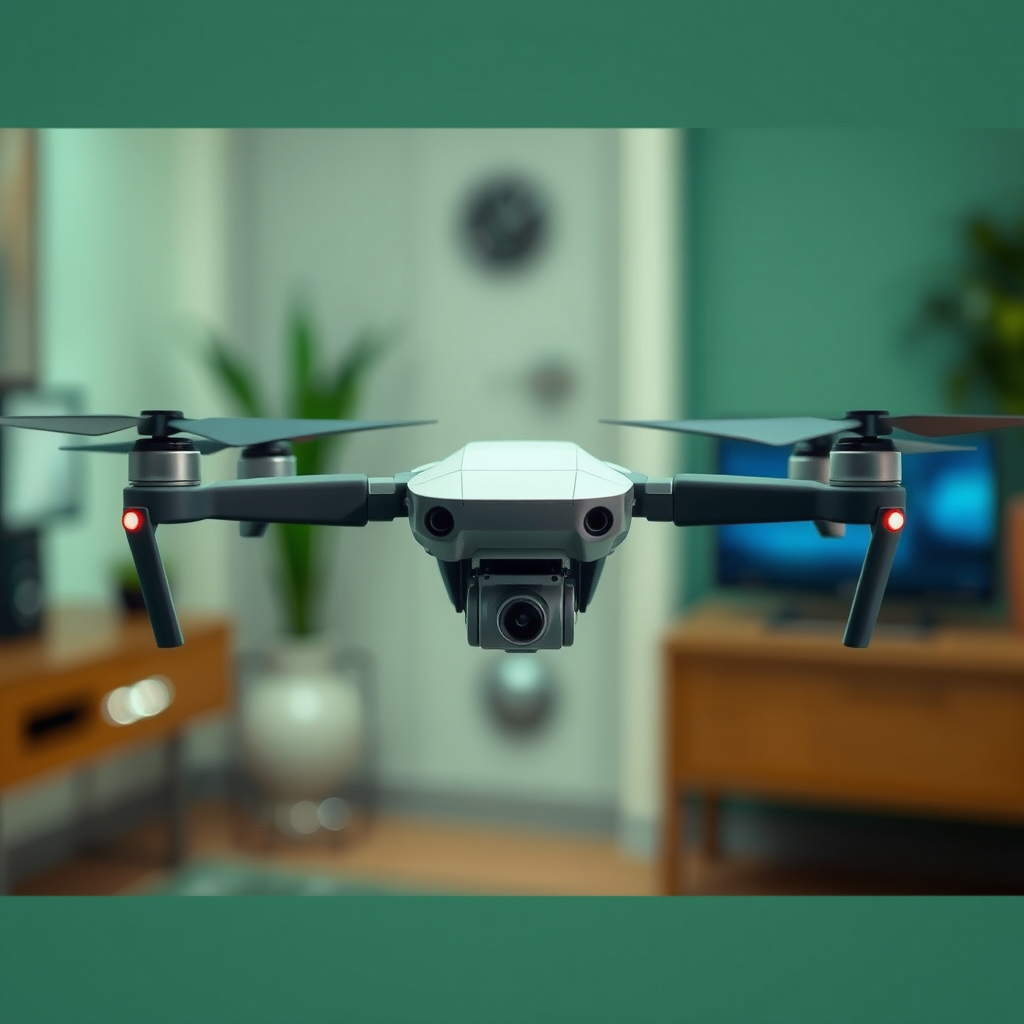
While it may seem straightforward to shoot down drones, various factors complicate this response. The challenges stem from legal, technical, and safety considerations that make downing drones a complex issue. As drone technology advances, the necessity for a nuanced approach to engage these unmanned aerial vehicles becomes increasingly essential, given the implications for privacy, security, and international law.
Legal Restrictions on Drone Engagement
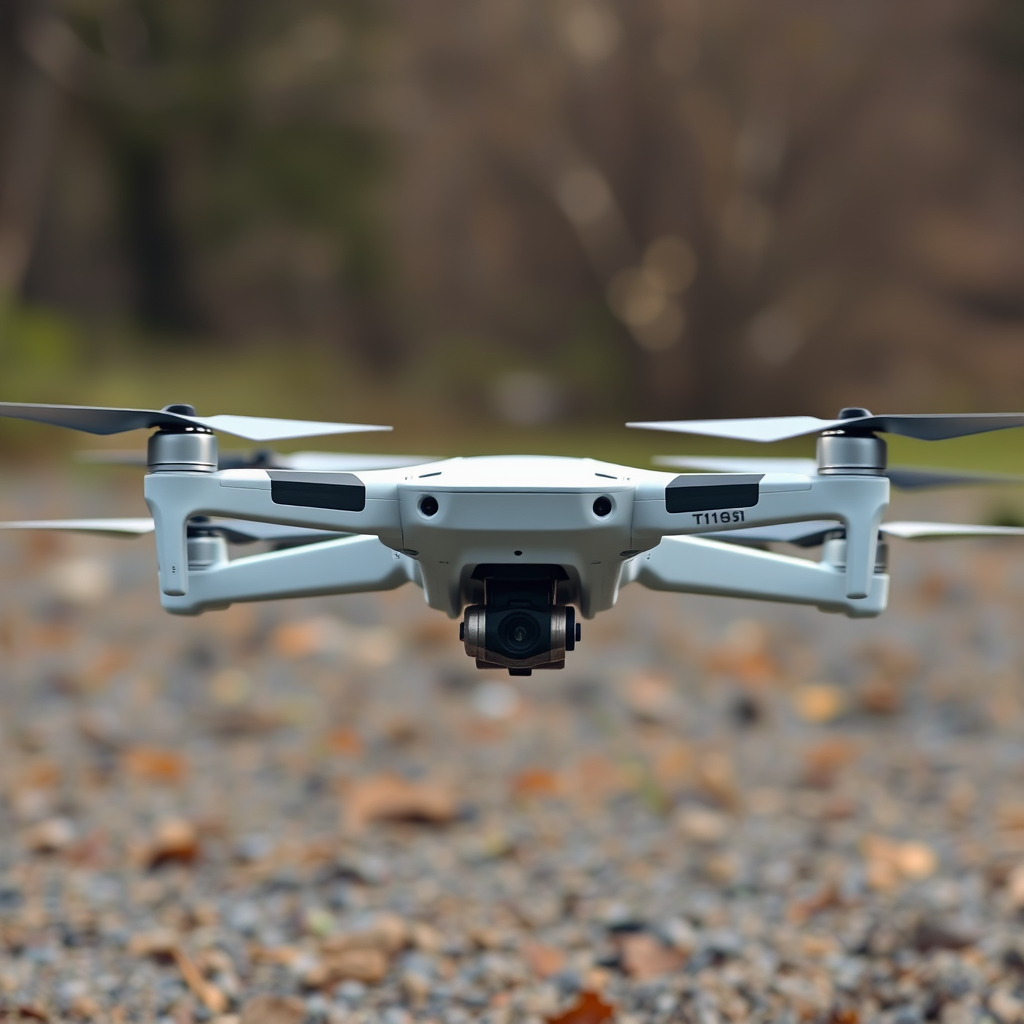
Many countries have strict laws governing airspace and military engagement, creating a significant barrier to the simple act of shooting down a drone. In the United States, for example, the Federal Aviation Administration (FAA) regulates all aircraft operations, including drones, which complicates the legal landscape surrounding drone engagement. Unauthorized engagement could result in severe legal repercussions, including fines, litigation, or even criminal charges. Moreover, such actions may provoke international incidents, particularly if a drone owned by a foreign entity is targeted. The potential for diplomatic fallout necessitates a high level of caution; governments must weigh the legality of their actions against the potential for escalation in international relations.
Additionally, the concept of sovereign airspace becomes vital. Each nation has jurisdiction over its airspace, and shooting down a foreign drone could be interpreted as an act of aggression. For instance, when tensions rose between the U.S. and Iran, the downing of an Iranian drone by U.S. forces led to a significant diplomatic crisis, highlighting how sensitive these situations can be. Thus, the legal framework governing airspace and military engagement acts as a formidable barrier to the straightforward act of neutralizing drones.
Technical Challenges in Targeting Drones
Drones can be small, fast, and difficult to detect, making them hard targets for conventional weaponry. Many drones operate at altitudes and speeds that allow them to evade radar detection, especially smaller models used for commercial or recreational purposes. This difficulty in detection is compounded by the fact that many drones can fly autonomously, utilizing GPS and other navigation systems to execute their missions without being easily intercepted.
Current technology may not be adequately equipped to neutralize drones effectively. Traditional air defense systems are designed to engage larger aircraft and may not have the precision required for smaller, more agile drones. For example, systems like the Patriot missile defense system are not optimized for low-flying unmanned aerial vehicles and could lead to wasted resources if employed against such targets. As a result, military and security forces are exploring specialized counter-drone technologies, such as radar systems that are specifically tailored to detect and track drones.
Moreover, the rapid evolution of drone technology adds another layer of complexity. With advancements in materials, battery life, and maneuverability, drones are becoming increasingly sophisticated, making them harder to target and neutralize. As such, the technical hurdles involved in engaging drones require ongoing research and development to stay ahead of these evolving threats.
Safety Concerns for Civilians
Engaging drones poses risks to nearby civilians and property, presenting a considerable challenge to decision-makers. In urban environments, the potential for collateral damage is a significant concern. Shooting down a drone in a densely populated area could result in injuries or fatalities to innocent bystanders. For example, if a drone were to be shot down over a crowded event or residential area, the consequences could be catastrophic.
Ensuring a safe engagement minimizes collateral damage and public safety issues. Military and law enforcement agencies must consider the potential fallout of their actions, including public perception and trust. Moreover, the use of lethal force raises ethical questions about the value of human life versus property. This concern necessitates a thorough risk assessment before any engagement is authorized.
In response to these challenges, many organizations are prioritizing non-lethal measures when dealing with drones. Techniques such as signal jamming, which disrupts a drone’s communication with its operator, or using specialized nets to capture drones without causing harm, are becoming more common. These methods aim to neutralize the threat posed by drones while minimizing risks to civilians.
Military and Tactical Considerations
Military protocols prioritize strategic responses over immediate action, which complicates the decision-making process regarding drone engagement. High-level military strategy often involves assessing the broader implications of downing a drone, including the potential for escalation or retaliation. For instance, targeting a drone that may be conducting surveillance could provoke a response from the entity operating the drone, leading to an unnecessary escalation of hostilities.
Engaging drones may require coordination with multiple defense systems. Effective counter-drone operations often depend on real-time intelligence and collaboration among various military branches and agencies. For example, the U.S. military employs a multi-layered approach to drone threats, integrating ground-based systems, airborne assets, and cyber capabilities to ensure comprehensive coverage and response capabilities. This coordination is essential for minimizing the risks associated with drone engagement and ensuring that actions taken are both effective and legally sound.
Alternatives to Shooting Down Drones
Non-lethal measures such as jamming signals or using net systems are often preferred as alternatives to shooting down drones. Signal jamming can effectively disrupt a drone’s communication with its operator, rendering it inoperable without causing physical damage. This method allows for the control of drone activity without escalating the situation or risking civilian lives.
Moreover, developing advanced counter-drone technologies is a growing field of interest for both military and civilian applications. Innovations such as laser systems capable of disabling drones or high-powered microwave systems that can neutralize electronic components are being tested. These technologies offer promising alternatives to traditional engagement methods, allowing for more precision and reduced collateral damage.
As the drone market continues to expand, the demand for effective countermeasures will become increasingly critical. Organizations and governments worldwide are investing in research and development to enhance their capabilities in this area, aiming to strike a balance between security and safety.
The Role of Drones in Modern Warfare
Drones are increasingly used for reconnaissance, making their neutralization complex. Their ability to gather intelligence, conduct surveillance, and engage in targeted strikes has made them valuable assets for military forces. The presence of drones on the battlefield complicates the decision-making process regarding engagement, as understanding the purpose of a drone can influence the decision to engage or not.
For example, a drone conducting reconnaissance for enemy forces may pose a significant threat to military operations, warranting a more aggressive response. Conversely, a drone used for humanitarian purposes, such as delivering medical supplies, would necessitate a more cautious approach. This complexity underscores the need for a comprehensive understanding of the operational context in which drones are deployed.
As drones become more integrated into military strategies, the implications for engagement will continue to evolve. The challenge lies not only in neutralizing potential threats but also in recognizing the dual-use nature of drone technology, balancing security needs with ethical considerations.
In conclusion, the question of why drones can’t simply be shot down involves a mix of legal, technical, and safety factors. As drone technology continues to evolve, so too will the strategies for managing them, necessitating a thoughtful approach to their engagement. Understanding the complexities surrounding drone neutralization is essential for policymakers, military leaders, and security professionals as they navigate this rapidly changing landscape.
Frequently Asked Questions
Why can’t authorities easily shoot down rogue drones?
Authorities face several challenges in shooting down rogue drones, including legal and safety concerns. Shooting down a drone can pose risks to people and property below, as well as violate aviation laws. Additionally, many drones operate in urban areas where collateral damage could harm civilians, making non-destructive methods of intervention more appealing.
What are the alternatives to shooting down drones?
Alternatives to shooting down drones include jamming their signals, using net guns, or employing drone capture systems. Jamming disrupts communication between the drone and its operator, forcing it to land. Net guns can safely ensnare drones without causing damage, while specialized capture systems can retrieve drones for investigation, minimizing risks to bystanders.
How do drone regulations affect the ability to shoot them down?
Drone regulations are designed to protect public safety and privacy, which complicates the ability to shoot down drones. Laws often prohibit actions that could endanger air traffic or civilian lives. This means that law enforcement and military personnel must operate within a strict legal framework, making shooting down a drone a last resort rather than a first response.
What technologies are being developed to counter unauthorized drones?
Various technologies are being developed to counter unauthorized drones, including advanced radar systems, anti-drone lasers, and drone detection software. These technologies enhance situational awareness and can neutralize threats without causing harm to surrounding areas. As drone usage increases, these innovations aim to provide effective solutions for safeguarding airspace and public safety.
Which organizations are responsible for managing drone threats?
Organizations responsible for managing drone threats include local law enforcement agencies, the Federal Aviation Administration (FAA), and the Department of Homeland Security (DHS) in the United States. These agencies collaborate to develop policies, enforce regulations, and implement counter-drone measures, ensuring that public safety is prioritized while addressing the challenges posed by unauthorized drone activity.
References
- https://www.bbc.com/news/technology-51489640
- https://www.theguardian.com/us-news/2020/jan/09/drone-strikes-us-military-why-not
- https://www.nytimes.com/2021/07/12/us/drones-security.html
- https://www.rand.org/pubs/research_reports/RR3033.html
- https://www.defense.gov/Explore/News/Article/Article/2208041/why-are-drones-so-hard-to-defend-against/
- https://www.c-span.org/video/?457711-1/us-ukraine-drone-strikes
- https://www.jstor.org/stable/26999153
