
The rise of compact drones in the consumer market can be attributed to their portability, affordability, and advanced technology. These small yet powerful devices offer users versatility and convenience, making them the preferred choice for hobbyists and professionals alike. As more people seek accessible ways to explore aerial photography, videography, and recreational flying, compact drones have emerged as the go-to option. In this article, we will explore the reasons behind the dominance of compact drones and what makes them stand out in a crowded marketplace.
The Appeal of Portability
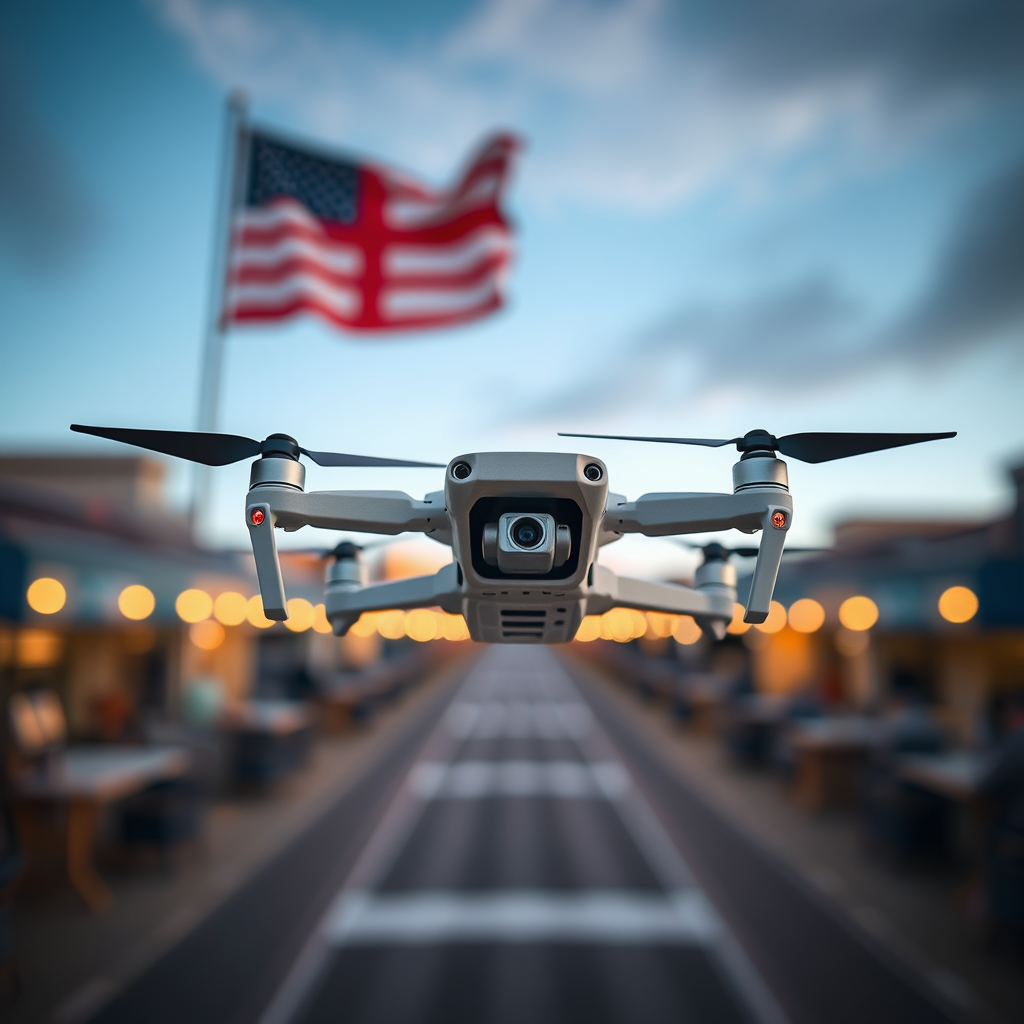
One of the most significant advantages of compact drones is their portability. These lightweight devices can easily fit into backpacks or even larger pockets, making them ideal for travel enthusiasts who want to capture breathtaking landscapes or cityscapes without the burden of heavy equipment. For instance, models like the DJI Mavic Mini weigh just 249 grams and can be taken anywhere, allowing users to enjoy spontaneous flying experiences without the hassle of cumbersome gear.
Moreover, their small size facilitates quick setup and operation. Casual users looking for immediate fun appreciate the convenience of setting up a drone that can be launched in minutes. This immediacy caters to various scenarios, whether it’s a family picnic, a beach day, or an adventurous hike. Users can quickly enjoy aerial views without sacrificing extensive time on preparation or setup, thus enhancing the overall experience.
Affordability and Accessibility

Affordability plays a crucial role in the rise of compact drones within the consumer market. Compared to larger models, compact drones come with much lower price points, making them accessible to a wider audience. For first-time buyers and hobbyists, this affordability is a game-changer. Brands such as Holy Stone and Potensic offer budget-friendly drones that still boast essential features like decent camera quality and stable flight capabilities, enabling new users to dive into the hobby without a significant financial commitment.
Moreover, the variety in price ranges ensures that consumers can find a model that fits their budget while still enjoying a quality flying experience. With more manufacturers entering the market, competition has led to the introduction of well-engineered drones at various price points, ensuring that affordability does not come at the cost of performance. This accessibility has effectively democratized the drone flying experience, attracting a broader demographic to the joys of aerial exploration.
Advanced Technology in a Small Package
Despite their compact size, many of today’s drones are equipped with advanced technology that rivals larger counterparts. High-quality cameras capable of capturing 4K video and high-resolution images are commonly found in compact models. For instance, the DJI Mini 2 not only boasts a lightweight design but also features a 12MP camera and a 3-axis gimbal, ensuring smooth footage and stunning visuals.
Additionally, smart flight features have become standard in many compact drones. Innovations like GPS for precise navigation, automatic return-to-home functionality, and obstacle avoidance systems enhance safety and ease of use. These features make it easier for novice pilots to operate drones effectively, reducing the learning curve associated with flying. Enhanced battery life and performance improvements mean that even smaller drones can operate reliably for extended periods, allowing users to enjoy longer flights and more extensive shooting sessions.
Versatility for Various Activities
The versatility of compact drones is another key factor in their appeal. These drones can cater to a variety of user needs, ranging from photography and videography to recreational flying. Whether capturing breathtaking aerial shots for a travel blog or simply enjoying a leisurely flight in a park, compact drones deliver a range of experiences that appeal to diverse interests.
Additionally, their suitability for both indoor and outdoor use further enhances their versatility. For example, drones like the Ryze Tello are designed to be flown indoors, featuring stable flight controls and user-friendly interfaces that encourage beginners to explore the hobby without needing expansive outdoor space. This adaptability allows users to engage with their drones in different environments, expanding the opportunities for creative expression and enjoyment.
Regulatory Considerations
As the consumer drone market grows, understanding regulatory considerations becomes increasingly important. Smaller drones often fall under a different set of regulations compared to larger models, which can make them easier to operate in various locations. For instance, many compact drones weigh under 250 grams, which typically exempts them from stringent FAA registration requirements in the United States. This regulatory leniency encourages more individuals to enter the hobby without the fear of navigating complex legal frameworks.
Increased awareness of drone laws and guidelines has also contributed to the popularity of compact drones. Educational resources and community support have made it easier for newcomers to understand where and how they can legally fly their drones, thereby fostering a more responsible drone culture. As more people become informed about regulations, they are more likely to engage in the hobby with confidence, further driving the compact drone market’s growth.
Community and Support
The growing community of compact drone enthusiasts plays a vital role in the proliferation of these devices. Online forums, social media groups, and local clubs provide invaluable resources, tips, and support for new users. Platforms like Reddit and Facebook host active groups where users can share experiences, troubleshoot issues, and showcase their aerial photography.
This sense of community enhances the overall experience of owning a compact drone. New users can connect with seasoned pilots who can offer insights and recommendations, helping them to navigate the learning curve associated with drone flying. Additionally, manufacturers often provide dedicated customer support and online resources, further empowering users to make the most of their drones. As the community continues to grow, it fosters a culture of sharing and innovation, making the hobby more engaging and accessible.
The increasing popularity of compact drones in the consumer market is a result of their portability, affordability, and advanced technology. With their lightweight design, budget-friendly options, and impressive features, these drones cater to a diverse range of users, from casual hobbyists to aspiring professionals. As they continue to evolve and improve, compact drones are likely to maintain their dominance, attracting more users eager to explore the skies. If you’re considering entering the world of drones, now is the perfect time to explore compact options that suit your needs and lifestyle.
Frequently Asked Questions
Why are compact drones becoming increasingly popular among consumers?
Compact drones are gaining popularity due to their portability, ease of use, and affordability. Unlike larger models, these lightweight drones can be easily carried in a backpack or handbag, making them ideal for travelers and hobbyists alike. Additionally, advancements in technology have allowed compact drones to offer impressive features such as high-resolution cameras and stable flight performance, appealing to a wider range of consumers.
What are the advantages of using compact drones over traditional models?
The main advantages of compact drones include their lightweight design, which enhances portability, and their user-friendly interfaces that cater to beginners. Many compact drones feature advanced stabilization systems and automated flight modes, making them accessible for new users. Furthermore, these drones often come at a more affordable price point, allowing consumers to enjoy aerial photography and videography without a hefty investment.
How do compact drones perform in terms of battery life and flight time?
While compact drones are smaller and may have shorter battery life compared to their larger counterparts, recent advancements have improved their flight times significantly. Most modern compact drones can fly for about 20 to 30 minutes on a single charge, depending on the model and conditions. Users can optimize battery life by minimizing heavy payloads and flying in calm weather, which enhances overall performance and allows for longer usage periods.
Which features should I look for when choosing a compact drone?
When selecting a compact drone, consider features such as camera quality, flight time, GPS functionality, and ease of use. High-resolution cameras with 4K video capabilities are ideal for capturing stunning images, while GPS ensures precise navigation and return-to-home functions. Additionally, look for drones with intuitive controls and smart modes like follow-me or waypoint navigation, which enhance the flying experience, especially for beginners.
Why is camera quality a crucial factor for consumers when choosing compact drones?
Camera quality is essential for consumers because it directly impacts the quality of photos and videos captured during flights. Many users intend to use compact drones for photography, videography, or social media content creation, making high-resolution cameras a priority. Drones equipped with features such as stabilization technology and adjustable settings allow for professional-grade results, ensuring that users can achieve their creative goals effectively.
References
- Drone
- https://www.bbc.com/news/technology-47928072
- https://www.theguardian.com/technology/2019/may/06/drones-consumer-market-growth
- https://www.nytimes.com/2021/06/15/technology/drones-consumer-market.html
- https://www.reuters.com/article/us-tech-drones-idUSKBN2B62TK
- https://www.techcrunch.com/2020/09/18/why-compact-drones-are-the-future-of-consumer-aerial-photography/
- https://www.wired.com/story/consumer-drones-2021/
- https://www.sciencedirect.com/science/article/pii/S2351978921000473
- Daniel G. Bobrow: In Memoriam | AI Magazine
- Unmanned Aircraft Systems (UAS) | Federal Aviation Administration
