
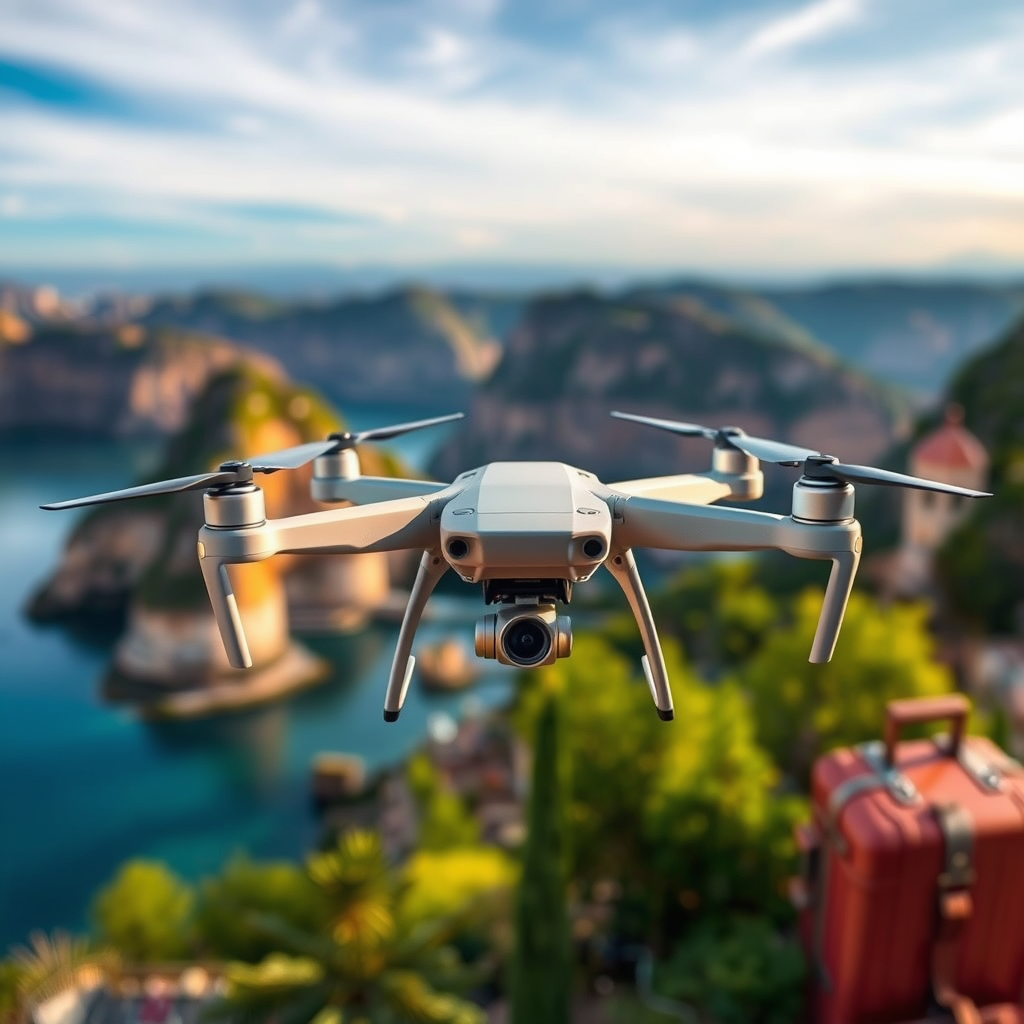
Drone calibration is essential for achieving precise flight performance and ensuring the safety and effectiveness of aerial missions. Proper calibration aligns the drone’s sensors and systems, allowing for accurate navigation and data collection. Neglecting this critical step can lead to operational failures, inaccurate data, and even accidents. In this article, you will learn the importance of calibration, the steps involved, and how it impacts overall flight accuracy.
Understanding Drone Calibration
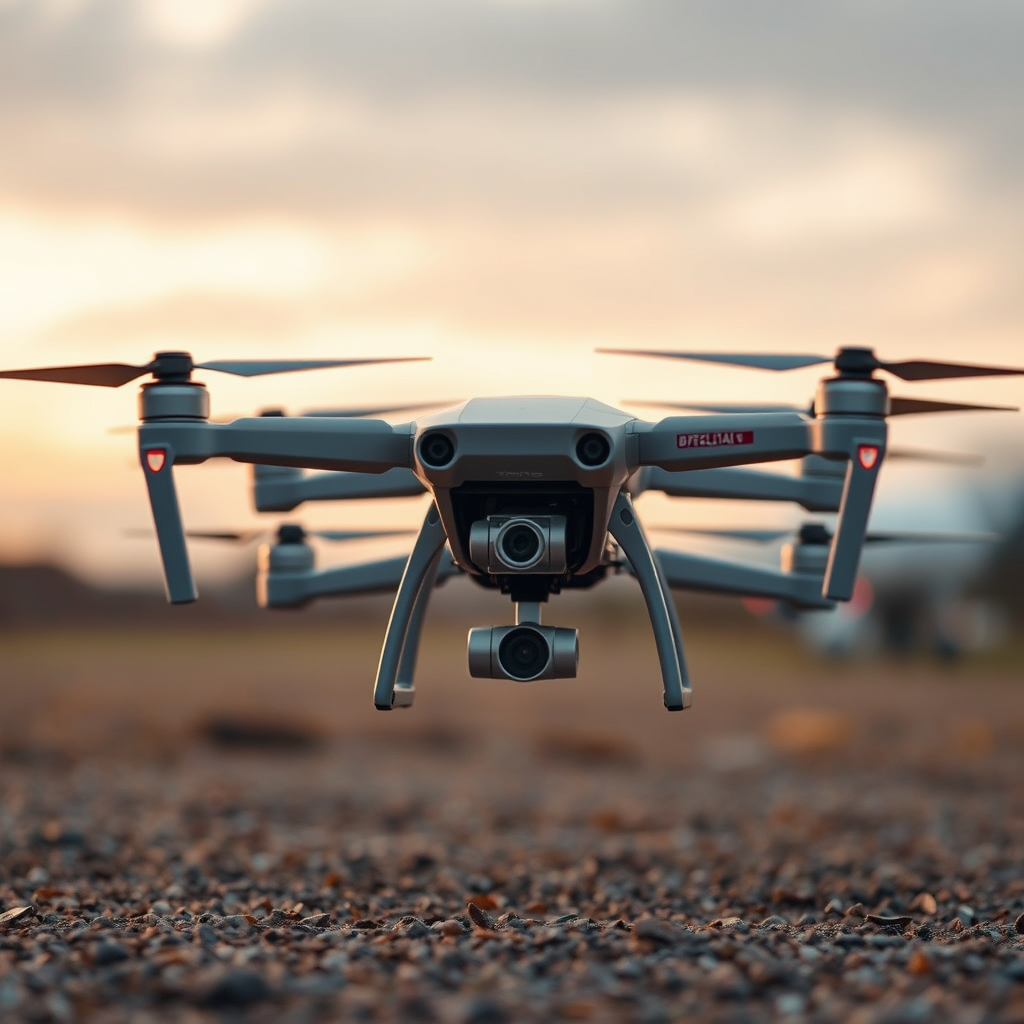
Calibration is the process of adjusting the drone’s sensors and components to ensure they operate within specified parameters. This is crucial because drones rely on a variety of sensors, including GPS, gyroscopes, accelerometers, and magnetometers, to navigate and collect data. Calibration ensures these sensors are functioning accurately and can communicate effectively with the drone’s control systems. Without proper calibration, a drone may exhibit errors in its readings, which can lead to unintended flight paths and compromised mission outcomes.
Environmental factors such as temperature, humidity, and magnetic interference can also affect sensor performance, making regular calibration essential. Furthermore, manufacturing variances can result in slight discrepancies in sensor outputs, which calibration helps to mitigate. By regularly calibrating their drones, operators can ensure that any errors introduced by external conditions or inherent mechanical variances are minimized, leading to more reliable flight operations.
The Importance of Accurate Flight Data
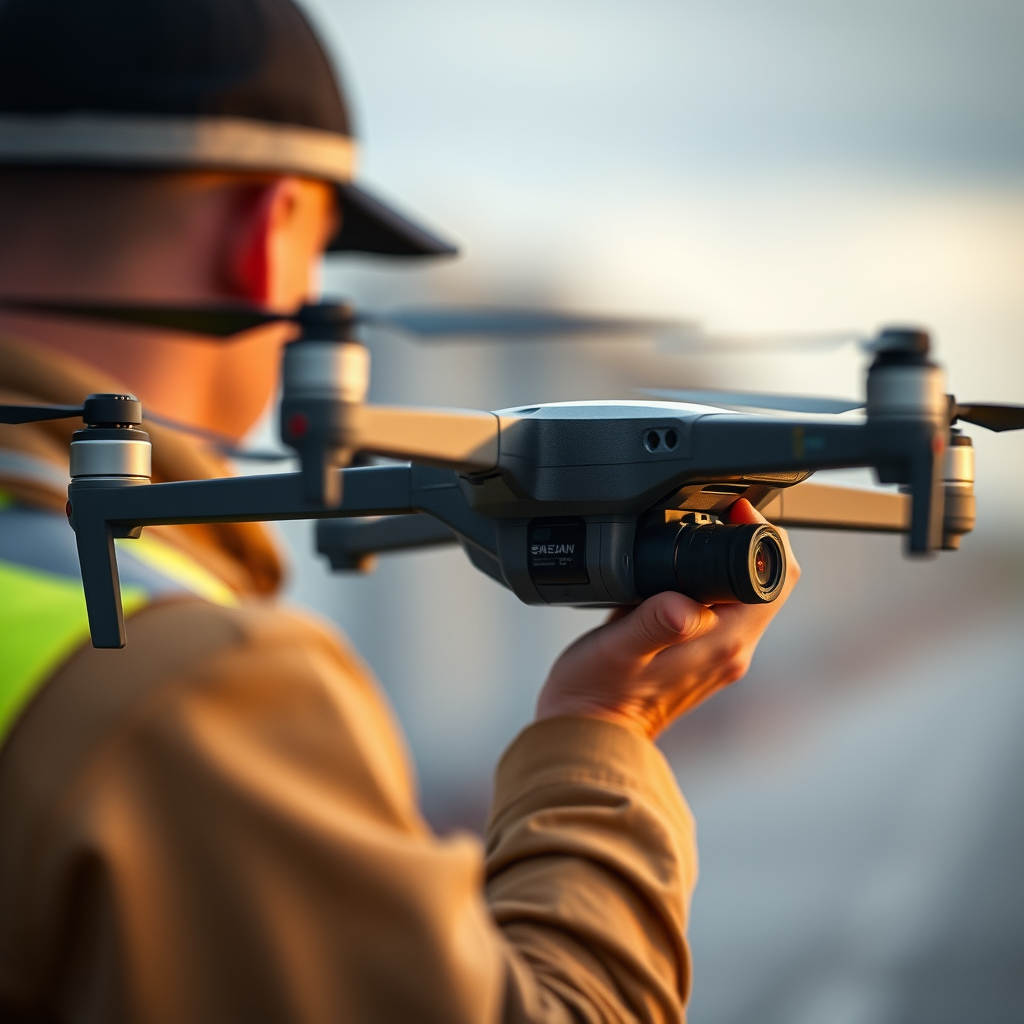
Accurate calibration is paramount for reliable data collection, especially in applications such as surveying, mapping, and agricultural monitoring. For instance, in surveying, even minor errors in GPS data can result in significant inaccuracies in land measurements, potentially costing businesses time and money. In agricultural applications, precise flight data is essential for crop health assessments and yield predictions, emphasizing the need for meticulous calibration.
Moreover, accurate calibration reduces the risk of flight failures. Drones that are not correctly calibrated may behave unpredictably, leading to crashes or mission aborts, which can have serious safety implications. By ensuring that calibration is performed regularly and correctly, drone operators can enhance the overall reliability of their aerial operations, ultimately leading to improved mission success rates and operational efficiency.
Common Calibration Methods
Several methods are commonly employed to calibrate drones, each addressing different aspects of sensor functionality.
1. Compass Calibration: This is crucial for correcting magnetic declination and ensuring that the drone understands its orientation relative to the Earth’s magnetic field. Operators typically perform this calibration by rotating the drone in various directions until the software indicates successful calibration.
2. IMU Calibration: The Inertial Measurement Unit (IMU) is vital for maintaining stability during flight. Calibration involves placing the drone on a flat surface and allowing it to gather data to correct any biases in its sensor readings.
3. GPS Calibration: This involves ensuring that the GPS module is accurately receiving signals. Operators can achieve this by flying the drone in open areas away from obstructions, allowing for a clearer connection to satellites.
Following manufacturer guidelines for calibration procedures is essential to ensure effective calibration. Each drone model may have specific calibration requirements, and adhering to these guidelines can help maintain the drone’s integrity and performance.
Frequency of Calibration
The frequency of calibration largely depends on the drone’s usage and the environmental conditions in which it operates. For commercial operators who use their drones frequently, calibrating before each flight is advisable, particularly in varying environments. For recreational users, a calibration check before extended periods of inactivity or in significantly different environments may suffice.
Specific signs may indicate the need for re-calibration, such as erratic flight behavior, unexpected altitude changes, or inconsistent data readings. If a drone begins to drift during a hover or displays unusual yaw movements, these are clear indicators that calibration is necessary to restore flight stability and accuracy.
Tools and Technology for Calibration
The calibration process can be enhanced with the use of various tools and software that assist in achieving precise adjustments. Many drones come equipped with built-in calibration tools that guide users through the calibration process step by step, ensuring consistency and accuracy.
Additionally, advancements in technology have led to the development of software applications that can analyze sensor data in real time. These tools can provide detailed insights into sensor performance, allowing operators to make informed decisions about when and how to calibrate their drones. For example, apps that utilize machine learning can predict when a drone is likely to drift out of calibration based on environmental changes, prompting users to recalibrate proactively.
Best Practices for Successful Calibration
To ensure effective calibration, drone operators should adopt several best practices. First, it is crucial to conduct calibration in stable environments, free from electromagnetic interference and extreme weather conditions. Performing calibration indoors or in open fields can help achieve more reliable results.
Pre-flight checks are also essential. Operators should verify that all sensors are functioning correctly and that the drone has a stable GPS signal before takeoff. Routine maintenance of the drone, including inspections of the propellers, batteries, and sensors, can help keep calibration in check and avoid unexpected issues during flights.
Lastly, keeping a calibration log can be beneficial. This log should document when calibration was performed, the conditions under which it was done, and any anomalies observed. This practice not only aids in maintaining calibration schedules but also enhances understanding of the drone’s performance over time.
The Future of Drone Calibration
Emerging technologies and trends hold the potential to significantly enhance drone calibration processes. The integration of artificial intelligence (AI) and machine learning could revolutionize how drones self-calibrate. These technologies can analyze large datasets to identify patterns in flight behavior, automatically adjusting calibration settings based on environmental changes and flight history.
Moreover, advancements in sensor technology are likely to produce more robust and reliable sensors that require less frequent calibration. As these technologies evolve, drone calibration may become more intuitive, requiring minimal input from operators while maximizing accuracy.
In summary, the future of drone calibration promises greater efficiency and precision in aerial operations, ultimately enhancing the capabilities of drones across various industries.
Summarizing the necessity of drone calibration reveals its critical role in ensuring flight accuracy and safety. By following best practices and staying informed about calibration methods, drone operators can enhance their aerial operations significantly. For optimal performance, make it a priority to calibrate your drone before each flight.
Frequently Asked Questions
What is drone calibration and why is it important for accurate flights?
Drone calibration is the process of adjusting the sensors and systems within a drone to ensure they provide precise data and operate correctly. This is crucial for accurate flights because poorly calibrated drones can suffer from navigation errors, unstable flight paths, and inaccurate data collection, leading to safety risks and unreliable results, especially in applications like surveying or aerial photography.
How often should I calibrate my drone for optimal performance?
The frequency of drone calibration depends on several factors, including the type of drone, usage conditions, and manufacturer recommendations. Generally, it’s advisable to calibrate your drone before each flight, particularly if it has been exposed to extreme conditions, has experienced a crash, or has had its components adjusted. Regular calibration ensures consistent performance and helps maintain accurate flight operations.
Which sensors in a drone require calibration, and how do I calibrate them?
Key sensors that typically require calibration in a drone include the accelerometer, gyroscope, magnetometer, and GPS. Calibration procedures vary by drone model but generally involve following the manufacturer’s guidelines, which often include rotating the drone in specific orientations and moving it in certain patterns to align the sensors correctly. Consulting the user manual is essential for detailed calibration instructions tailored to your specific drone.
Why does a poorly calibrated drone affect flight stability and control?
A poorly calibrated drone can lead to incorrect readings from its sensors, resulting in erratic flight behavior, loss of control, and potential crashes. For instance, an uncalibrated gyroscope may misinterpret the drone’s orientation, causing it to drift or tilt unexpectedly. This instability not only compromises flight safety but also affects the quality of aerial data captured during the flight, making calibration a critical aspect of drone operation.
What are the best practices for ensuring my drone remains properly calibrated?
To ensure your drone remains properly calibrated, follow these best practices: perform calibration before every flight, especially after changes in the environment or following a crash; keep your drone firmware updated, as manufacturers often release updates that improve sensor performance; and maintain a clean and obstacle-free calibration area to prevent interference. Documenting your calibration history can also help identify patterns or recurring issues that may need addressing.
References
- https://en.wikipedia.org/wiki/Drone_calibration
- https://www.nasa.gov/feature/nasa-s-drone-calibration
- Policy Document Library | Federal Aviation Administration
- https://www.sciencedirect.com/science/article/pii/S235286481831082X
- Modeling, Trim Analysis, and Trajectory Control of a Micro-Quadrotor with Wings
- https://www.ncbi.nlm.nih.gov/pmc/articles/PMC7341560/
- https://www.itu.int/en/ITU-T/focusgroups/drone/Pages/default.aspx
