
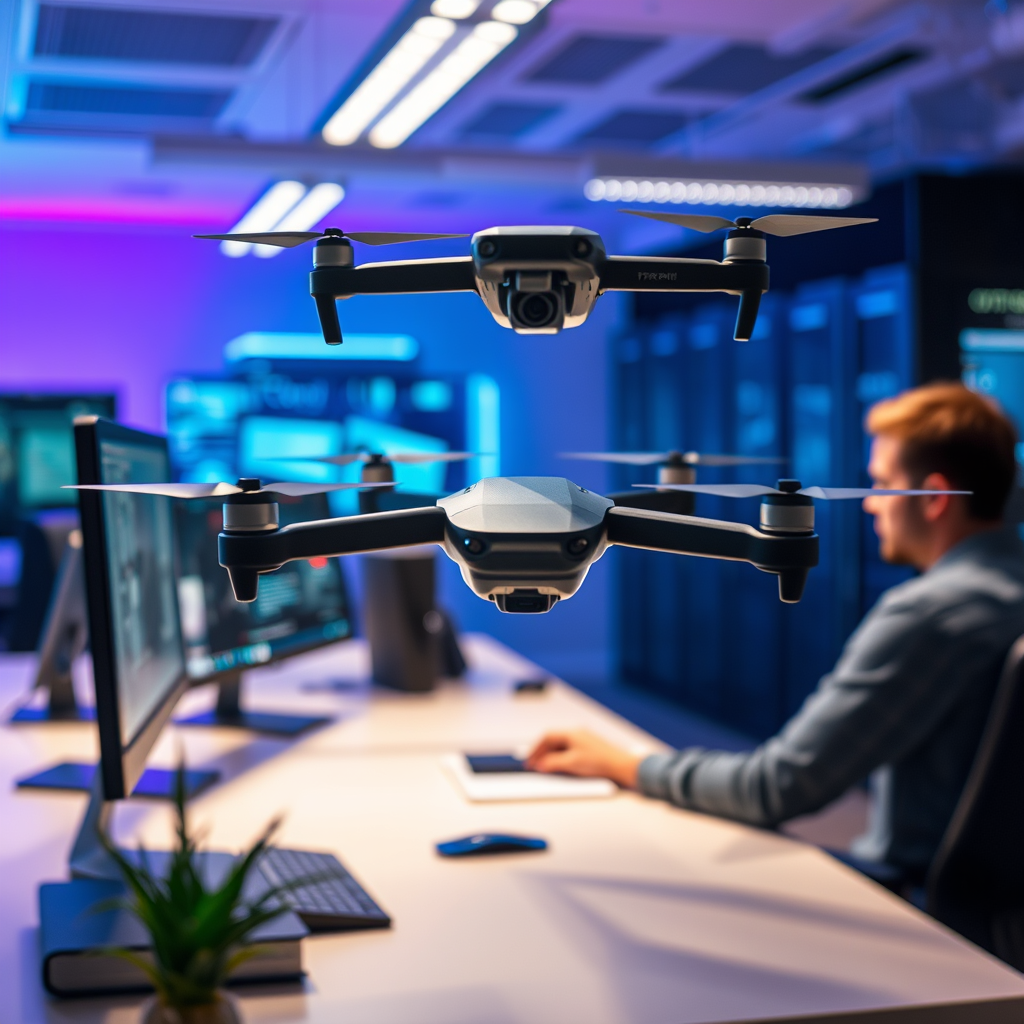
The increasing reliance on drones for various applications has made drone cybersecurity a critical issue in 2025. As drones become more integrated into sectors like transportation, agriculture, and surveillance, the vulnerabilities associated with their operation pose significant risks. The need for robust cybersecurity measures is more pressing than ever, as both private and public entities must protect sensitive data and ensure the safety of drone operations. In this article, you will learn about the emerging threats, regulatory responses, and best practices for ensuring drone cybersecurity.
The Rise of Drone Usage
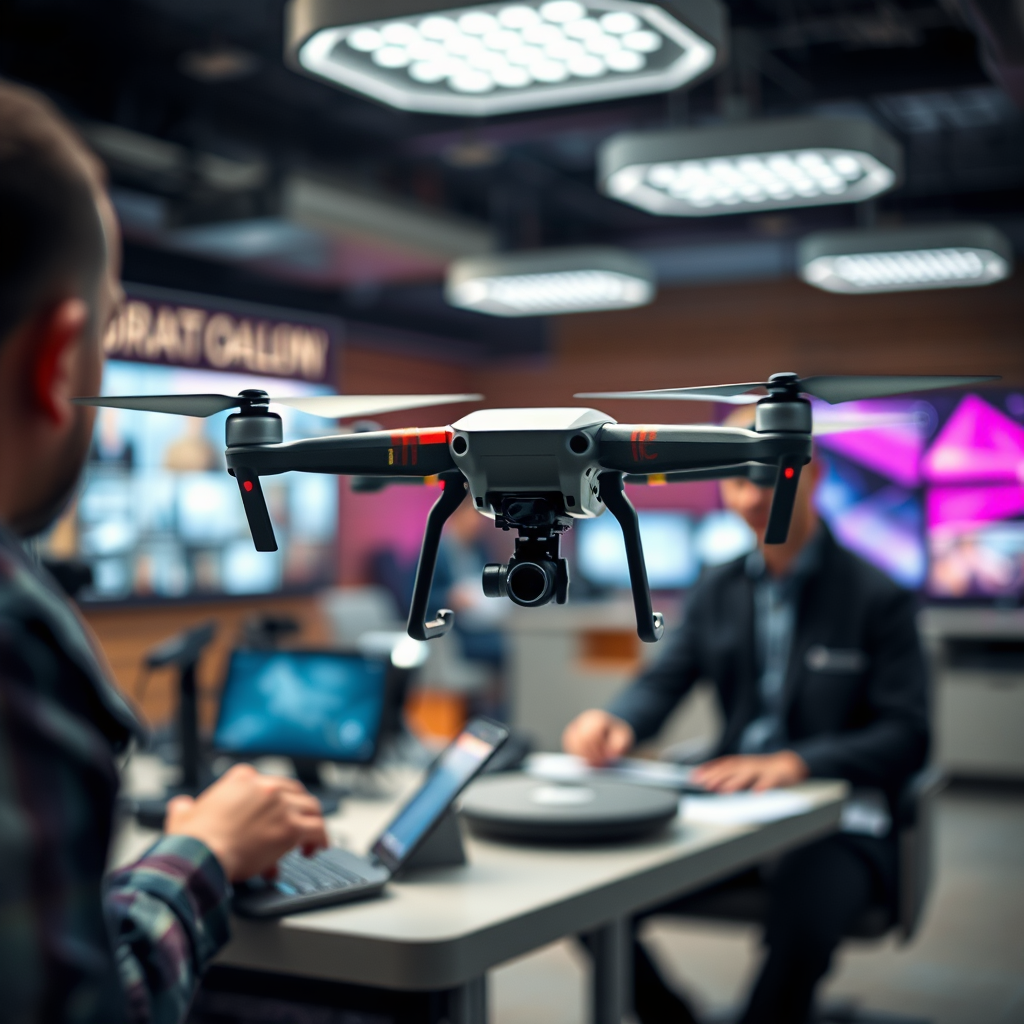
The exponential growth of drone technology in both commercial and personal sectors has revolutionized numerous industries. Drones have become indispensable tools in logistics, providing faster and more efficient delivery methods. According to a report from the Federal Aviation Administration (FAA), the number of registered drones in the United States alone exceeded 2 million in 2023, with projections indicating continued growth. Beyond logistics, sectors such as agriculture have embraced drones for precision farming, enabling farmers to monitor crops, optimize resources, and increase yields. Emergency services also leverage drones for search and rescue operations, disaster assessment, and real-time surveillance, showcasing their versatility and utility. However, this surge in drone usage is accompanied by heightened cybersecurity risks that must be addressed to safeguard these critical applications.
Emerging Cyber Threats

As drones gain traction across various sectors, they become prime targets for cybercriminals. The most prevalent types of cyber attacks targeting drones include hacking, GPS spoofing, and denial-of-service attacks. Hacking can involve unauthorized access to a drone’s control systems, potentially allowing an attacker to take over its operations. GPS spoofing, on the other hand, misleads a drone by sending false location signals, which can result in unintended flight paths and even crashes. A striking example occurred in 2023 when a rogue actor hijacked a delivery drone by exploiting a vulnerability in its software, leading to significant logistical disruptions for a major e-commerce company. Such incidents highlight the urgent need for enhanced cybersecurity measures in drone technology to mitigate these risks effectively.
Vulnerabilities in Drone Technology
Common weaknesses in drone software and hardware contribute to the escalating cybersecurity threats. Many drones operate on open-source software, which, while offering flexibility and cost savings, can also introduce significant security vulnerabilities. Manufacturers often prioritize rapid development and market entry over rigorous security testing, leaving their products susceptible to exploitation. Additionally, the integration of third-party applications and services can further increase risk; for instance, an app designed to enhance a drone’s capabilities may inadvertently introduce new vulnerabilities if not adequately vetted. The lack of standardized security protocols across the industry exacerbates these issues, creating a patchwork of security measures that can be easily breached.
Regulatory Landscape
The regulatory landscape surrounding drone cybersecurity is evolving as governments recognize the importance of safeguarding this technology. In the United States, the FAA has introduced guidelines aimed at promoting safe and secure drone operations, including recommendations for manufacturers to incorporate robust security features into their designs. Similarly, the European Union has implemented regulations mandating that drone operators adhere to cybersecurity protocols. Looking ahead, future legislative efforts are expected to focus on establishing more comprehensive security frameworks, possibly including mandatory cybersecurity certifications for drone manufacturers and stricter penalties for breaches. These regulatory measures will be crucial in enhancing the overall security posture of drone operations.
Best Practices for Drone Cybersecurity
To mitigate the risks associated with drone cybersecurity, both manufacturers and users must adopt best practices. For manufacturers, implementing security features such as encryption, secure boot processes, and regular software updates is essential to safeguard against potential vulnerabilities. Additionally, conducting thorough security assessments during the development phase can help identify and address weaknesses before products reach the market. For users, protecting drones from cyber threats involves several proactive measures, including changing default passwords, using secure communication channels, and regularly updating firmware. Educating operators about potential threats and encouraging a culture of cybersecurity awareness can further enhance the safety of drone operations.
The Role of Stakeholders
Collaboration among various stakeholders is vital for improving drone cybersecurity. Government agencies, manufacturers, and users must work together to develop and implement effective security measures. Initiatives such as public-private partnerships can facilitate knowledge sharing and resource allocation, fostering a unified approach to addressing cybersecurity challenges. Moreover, industry organizations and academic institutions can play a crucial role in raising awareness about drone cybersecurity through training programs, workshops, and research initiatives. By creating a comprehensive ecosystem focused on security, stakeholders can significantly reduce the risks associated with drone operations.
The growing concern over drone cybersecurity in 2025 highlights the need for proactive measures across various sectors. By understanding the risks and implementing best practices, stakeholders can ensure safer drone operations. As drone technology continues to evolve, staying informed about emerging threats and regulatory changes will be essential for protecting this valuable asset from potential cyber threats. Taking action now to enhance drone cybersecurity will not only safeguard individual operations but also contribute to the overall integrity and reliability of the drone industry as a whole.
Frequently Asked Questions
Why is drone cybersecurity a growing concern in 2025?
In 2025, drone cybersecurity is becoming increasingly important due to the rising sophistication of cyber threats and the growing use of drones across various sectors, including agriculture, delivery services, and surveillance. As these unmanned aerial vehicles become more interconnected and reliant on cloud services, they become prime targets for hacking and data breaches. Ensuring robust cybersecurity measures is essential to protect sensitive data, operational integrity, and public safety.
What are the main threats to drone cybersecurity?
The primary threats to drone cybersecurity include unauthorized access, data interception, and hijacking of drone control systems. Attackers can exploit vulnerabilities in the drone’s software or communication channels to gain control, leading to potential misuse or crashes. Additionally, drones equipped with cameras and sensors can be targeted to steal sensitive information or conduct surveillance without consent, making cybersecurity measures critical.
How can organizations enhance their drone cybersecurity measures?
Organizations can enhance their drone cybersecurity by implementing strong encryption protocols for data transmission, regularly updating drone firmware to patch vulnerabilities, and conducting thorough security assessments. Employee training is also vital, as staff should be educated on best practices for drone operation and security. Additionally, integrating network security measures, such as firewalls and intrusion detection systems, can significantly bolster defenses against cyber threats.
Which regulations are influencing drone cybersecurity practices in 2025?
In 2025, several regulations are shaping drone cybersecurity practices, including the Federal Aviation Administration (FAA) guidelines and the General Data Protection Regulation (GDPR) in Europe. These regulations mandate stricter compliance regarding data protection and operational security for commercial drone operators. Adhering to these regulations not only helps prevent legal repercussions but also fosters greater public trust in drone technology.
What are the best practices for individuals operating personal drones to ensure cybersecurity?
Individuals operating personal drones can adopt several best practices to enhance cybersecurity, such as using strong, unique passwords for their drone’s control systems and Wi-Fi connections. Regularly updating the drone’s firmware and software is crucial to protect against known vulnerabilities. Additionally, turning off drones when not in use and being cautious about flying in areas with strong electromagnetic interference can further mitigate cybersecurity risks.
References
- https://www.bbc.com/news/technology-57927373
- https://www.nytimes.com/2021/12/12/technology/drone-security.html
- https://www.wired.com/story/drone-cybersecurity/
- https://www.cisa.gov/news-events/alerts/2021/10/25/cybersecurity-advisory-using-drones-securely
- Air Force Manpower Determinants: Options for More-Responsive Processes | RAND
- Legal Issues Concerning the Use of Transportation Facilities to Generate Revenue for State DOTs |…
- https://www.jstor.org/stable/10.5325/jinfosecure.4.1.0001
- https://www.darpa.mil/news-events/2021-09-30
- https://www.researchgate.net/publication/347878843_The_Cybersecurity_Challenges_of_Drones_in_2025
