
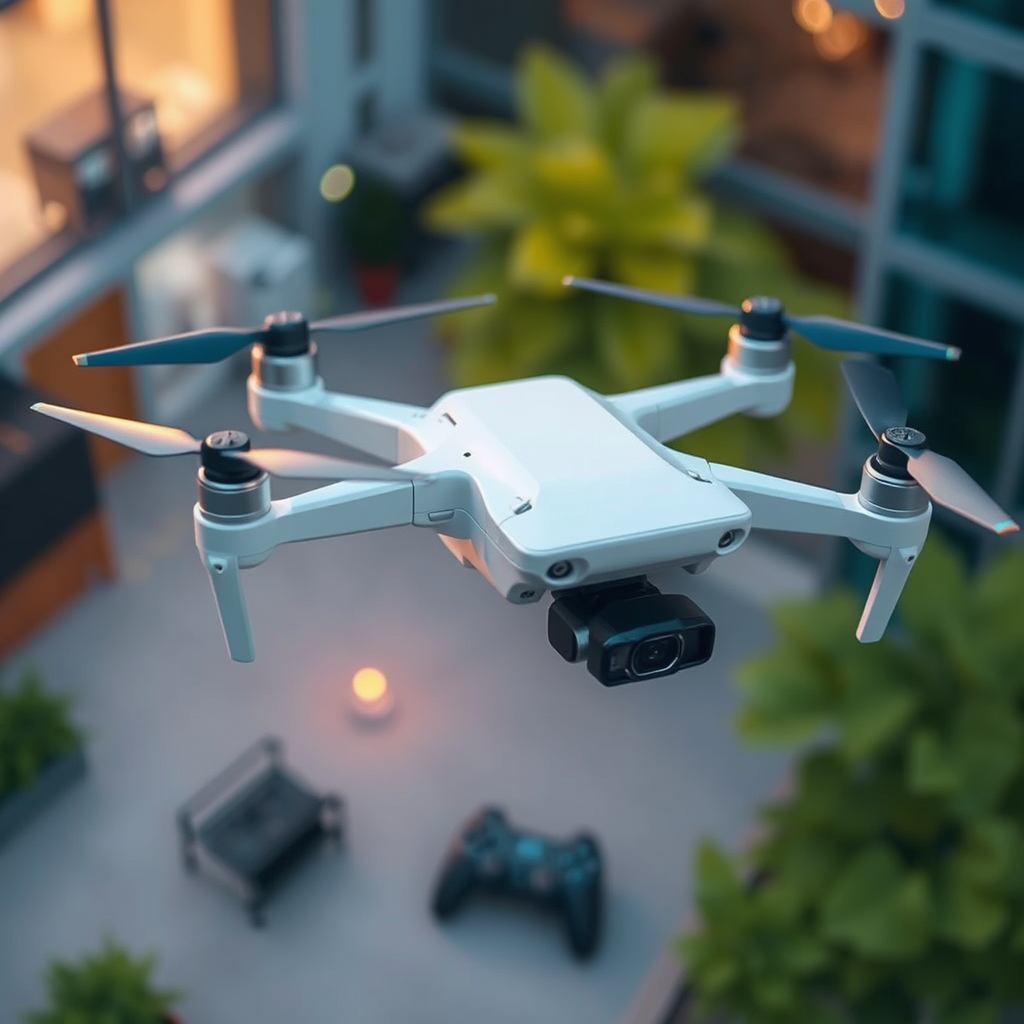
Drone photography is revolutionizing journalism by providing unique perspectives and enhancing storytelling capabilities. This innovative technology allows journalists to capture stunning aerial shots that convey complex narratives and bring stories to life in ways traditional photography cannot. By enabling a bird’s-eye view of events, drone photography not only enriches the visual appeal of news coverage but also deepens audience engagement and understanding. In this article, we’ll explore how drone photography is reshaping the landscape of reporting.
The Unique Perspective of Aerial Photography
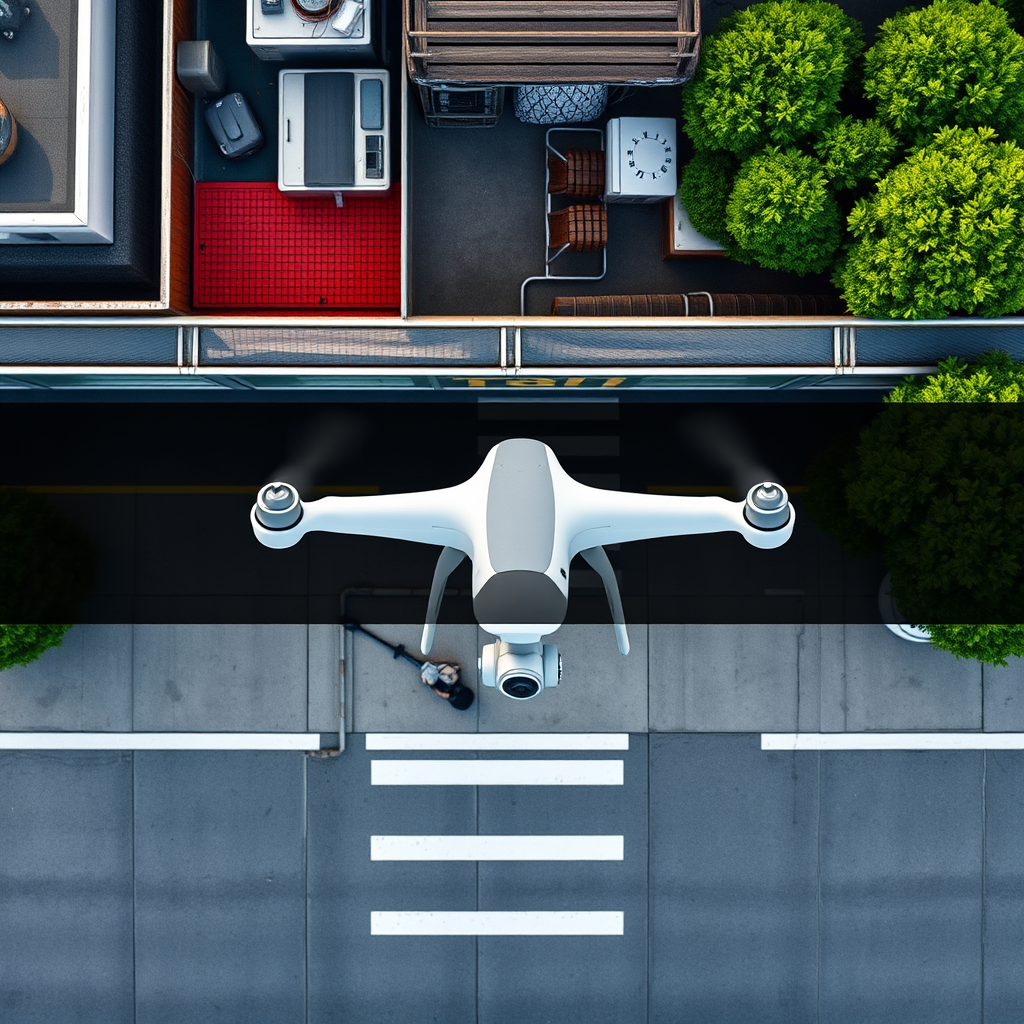
One of the most significant advantages of drone photography is its ability to offer unique perspectives that are simply unattainable through traditional means. Drones can capture expansive landscapes, allowing journalists to document events from heights that provide comprehensive views of the scene. For example, during natural disasters, aerial shots can reveal the extent of damage, showcasing the scale of destruction that might be difficult to appreciate from the ground. This is particularly vital when covering events like hurricanes, floods, or wildfires, where the impact may stretch across vast areas.
Additionally, drones can access hard-to-reach locations, such as remote rural areas or locations that are dangerous for reporters to enter. This ability not only enhances the breadth of news coverage but also allows journalists to tell stories that may otherwise go untold. For instance, in conflict zones or disaster-stricken areas, drones can gather vital footage while keeping reporters safe, thus providing a richer context to the narrative.
Enhancing Visual Storytelling

Drone footage can significantly elevate visual storytelling by incorporating dynamic aerial views that captivate audiences. Traditional photography often presents a limited perspective, whereas drone cameras can glide over scenes, creating a sense of movement and immersion that draws viewers in. For instance, news outlets covering protests or large gatherings can use drone footage to showcase the sheer number of participants, providing visual evidence of public sentiment that complements on-the-ground interviews and reports.
Moreover, the ability to combine drone footage with ground-level shots creates a more nuanced and layered narrative experience for viewers. This technique allows journalists to weave together different viewpoints, giving audiences a holistic understanding of the story. News organizations that employ this dual perspective can foster a deeper connection with their audience, as viewers are not just passive recipients of information but active participants in the unfolding story.
Cost-Effectiveness and Accessibility
One of the key factors contributing to the rise of drone photography in journalism is its cost-effectiveness compared to traditional aerial photography methods, such as using helicopters. The price of drones has decreased significantly, making aerial shots accessible to smaller news organizations and independent journalists who may have previously been unable to afford such technology. This democratization of aerial photography opens the door for diverse voices and stories that might not otherwise receive coverage.
Additionally, the ease of use and rapid deployment of drones enable journalists to respond quickly to breaking news events. With just a few minutes of setup, reporters can launch a drone and capture live footage, which is invaluable in fast-moving situations. This agility not only enhances the immediacy of news coverage but also allows for real-time updates that keep audiences informed as events unfold.
Safety and Ethical Considerations
As drone technology becomes more prevalent in journalism, safety and ethical considerations must be at the forefront of its usage. Drones allow journalists to capture footage in hazardous environments, such as natural disasters or conflict zones, without putting themselves in harm’s way. This capability is particularly crucial in situations where human presence might pose a significant risk, enabling journalists to gather essential information while prioritizing their safety.
However, the increased use of drones also raises important ethical questions, particularly regarding privacy and consent. Journalists must navigate the delicate balance between the public’s right to know and individuals’ rights to privacy. For example, capturing footage of private property or sensitive situations without consent can lead to ethical dilemmas. It is essential for journalists to establish clear guidelines and ethical standards for drone usage, ensuring that their reporting remains responsible and respectful.
Innovations in Drone Technology
The field of drone photography is continually evolving, with advances in technology expanding the possibilities for journalists. Improved battery life allows drones to remain airborne longer, enabling them to cover more ground and capture extended footage. Additionally, advancements in camera technology have led to higher resolution images and better stabilization, producing stunning visuals that enhance storytelling.
Real-time data transmission is another innovative feature that significantly benefits journalists. This capability allows reporters to share live footage directly from the drone, enhancing the immediacy of news coverage. For example, during live events such as sports games or breaking news scenarios, aerial views can provide viewers with a unique perspective, enriching their understanding of the event as it unfolds.Challenges Facing Drone Journalism
Despite its numerous benefits, drone journalism faces several challenges that must be addressed for its continued growth. Regulatory hurdles and airspace restrictions can limit where and how drones can be used in journalism. For instance, many cities and countries have stringent regulations governing drone flights, particularly in urban areas or near airports. Journalists must stay informed about these regulations to ensure compliance and avoid legal repercussions.
Additionally, navigating legal issues relating to privacy, intellectual property, and permissions for drone use can complicate the reporting process. Journalists must be diligent in obtaining necessary permits and permissions, particularly when capturing footage in private spaces or sensitive locations. As the legal landscape surrounding drone usage continues to evolve, journalists will need to adapt and understand the implications of their work.
Future of Drone Photography in Journalism
As technology evolves, the integration of drone photography in journalism is expected to grow, offering even more innovative storytelling methods. The potential for collaborations between tech companies and news organizations may lead to new tools, resources, and training for journalists, enabling them to maximize the impact of their drone footage.
Furthermore, as audiences increasingly seek immersive and engaging content, the demand for high-quality drone photography will likely rise. This trend presents an opportunity for journalists to experiment with new formats, such as interactive storytelling and virtual reality experiences, further enhancing audience engagement.
The rise of drone photography is significantly changing how news is reported and consumed. By providing unique perspectives and enhancing visual storytelling, drones are not only making journalism more dynamic but also more accessible to a broader audience. As technology continues to advance, we can expect to see even more exciting developments in this field. Consider exploring the use of drone photography in your own reporting or following news outlets that are pioneering this engaging storytelling method.
Frequently Asked Questions
How is drone photography changing the landscape of journalism?
Drone photography is revolutionizing journalism by providing unique aerial perspectives that traditional photography cannot capture. This technology allows journalists to cover events and issues like natural disasters, protests, or large public gatherings from above, giving audiences a broader context and a more immersive experience. Additionally, drones enhance storytelling by capturing stunning visuals that can engage viewers and increase the emotional impact of news stories.
What are the advantages of using drones in news reporting?
The advantages of using drones in news reporting include cost-effectiveness, the ability to access hard-to-reach areas, and the provision of real-time visuals. Drones can gather high-quality images and videos without the need for expensive helicopter rentals, making them a budget-friendly option for news organizations. Furthermore, drones can fly into locations that may be dangerous or inaccessible to reporters, allowing them to cover critical stories that might otherwise go unreported.
Why are audiences more engaged with drone footage in news stories?
Audiences are more engaged with drone footage because it offers a fresh and dynamic perspective that enhances the storytelling experience. The aerial views provided by drones can evoke a stronger emotional response and draw viewers into the narrative, making them feel more connected to the events being reported. In an era where visual content is paramount, drone footage stands out, increasing viewer retention and encouraging social media sharing.
Which industries benefit the most from drone photography in journalism?
Industries that benefit the most from drone photography in journalism include environmental reporting, disaster response, sports journalism, and urban development. In environmental reporting, drones can capture extensive landscapes affected by climate change, while in disaster response, they provide real-time overviews of affected areas. Sports journalism utilizes drones to deliver exciting aerial views of events, and urban development news can showcase city planning and construction progress in an engaging way.
What challenges do journalists face when incorporating drone photography into their reporting?
Journalists face several challenges when incorporating drone photography into their reporting, including regulatory restrictions, technical skills, and potential safety concerns. They must navigate complex laws regarding airspace and privacy, which can vary widely by location. Additionally, operating drones requires technical proficiency, and journalists may need to undergo training or certification. Safety concerns also arise, as drones can pose risks to people and property if not operated correctly, necessitating careful planning and adherence to guidelines.
References
- https://www.bbc.com/news/technology-42273712
- https://www.reuters.com/article/us-usa-drone-journalism-idUSKBN1O10TJ
- https://www.theguardian.com/media/2016/aug/24/drones-journalism-ethics-reporting
- https://www.sciencedirect.com/science/article/pii/S2351978917300406
- https://www.npr.org/sections/alltechconsidered/2014/10/27/358456663/how-drones-are-changing-journalism
- https://www.wired.com/story/drones-journalism/
- https://www.journalism.co.uk/news/the-impact-of-drone-photography-on-journalism/s2/a711484/
- https://www.poynter.org/reporting-editing/2020/how-drones-are-changing-the-way-journalists-cover-stories/
