

Drone simulators are essential for testing new technology because they provide a safe, cost-effective way to assess performance and functionality before real-world deployment. By utilizing these advanced tools, developers can mitigate risks, streamline the testing process, and enhance training opportunities for operators. As the drone industry continues to evolve with rapid technological advancements, the integration of simulators becomes increasingly vital for ensuring that innovations are reliable, functional, and ready for market.
The Importance of Risk Mitigation
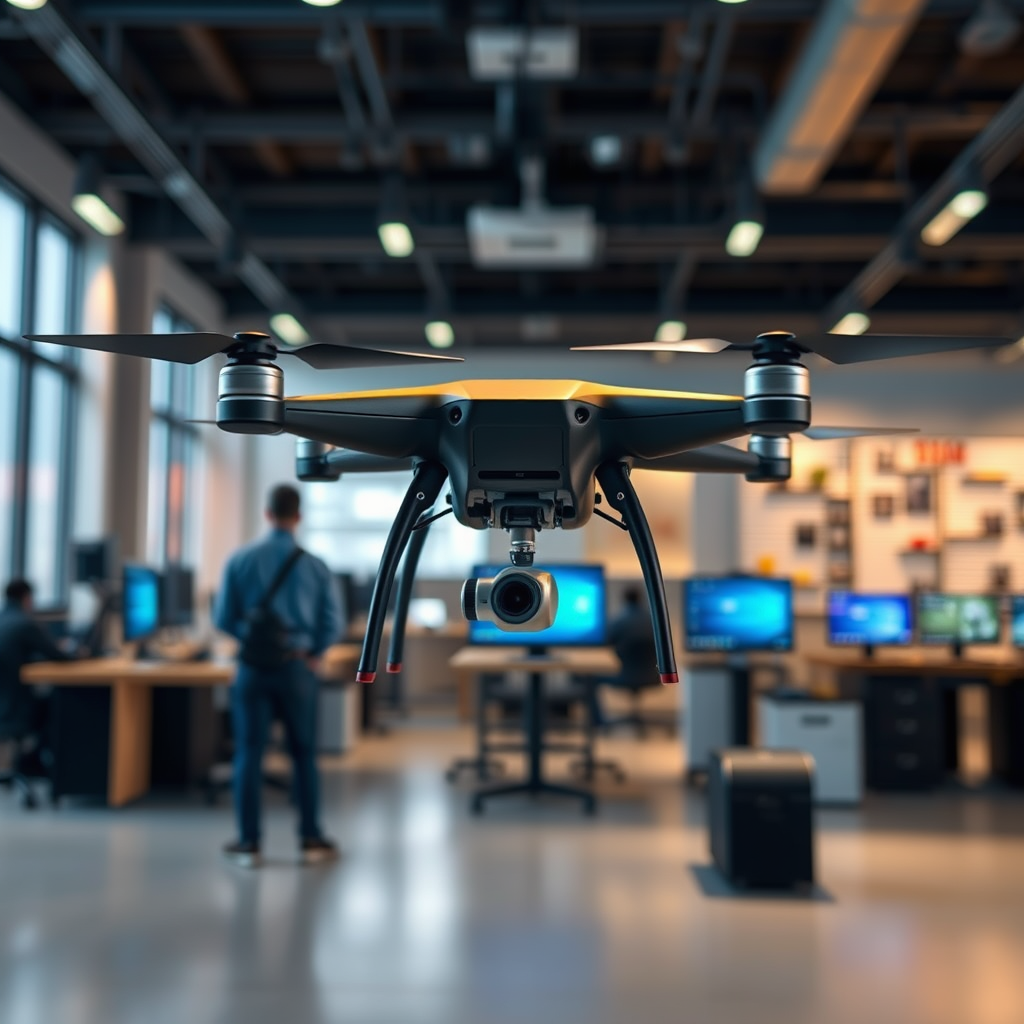
Risk mitigation is a critical aspect of technology development, particularly in the drone industry, where the consequences of failure can be significant. Simulators allow developers to identify potential failures and assess operational limits without risking damage to expensive hardware. For example, by simulating extreme weather conditions or unexpected system failures, developers can evaluate how their drone technology responds under challenging scenarios. This proactive approach not only saves time and resources but also enhances the overall safety of the deployment process.
Testing in controlled environments is another essential benefit of drone simulators. By creating virtual conditions that mimic real-world challenges, companies can significantly reduce the likelihood of accidents during actual trials. This is particularly important for organizations developing drones for sensitive applications, such as emergency response or medical supply delivery, where reliability is paramount. In these cases, simulators help ensure that technology is thoroughly vetted before being put to use in critical situations.
Cost-Effectiveness of Simulated Testing
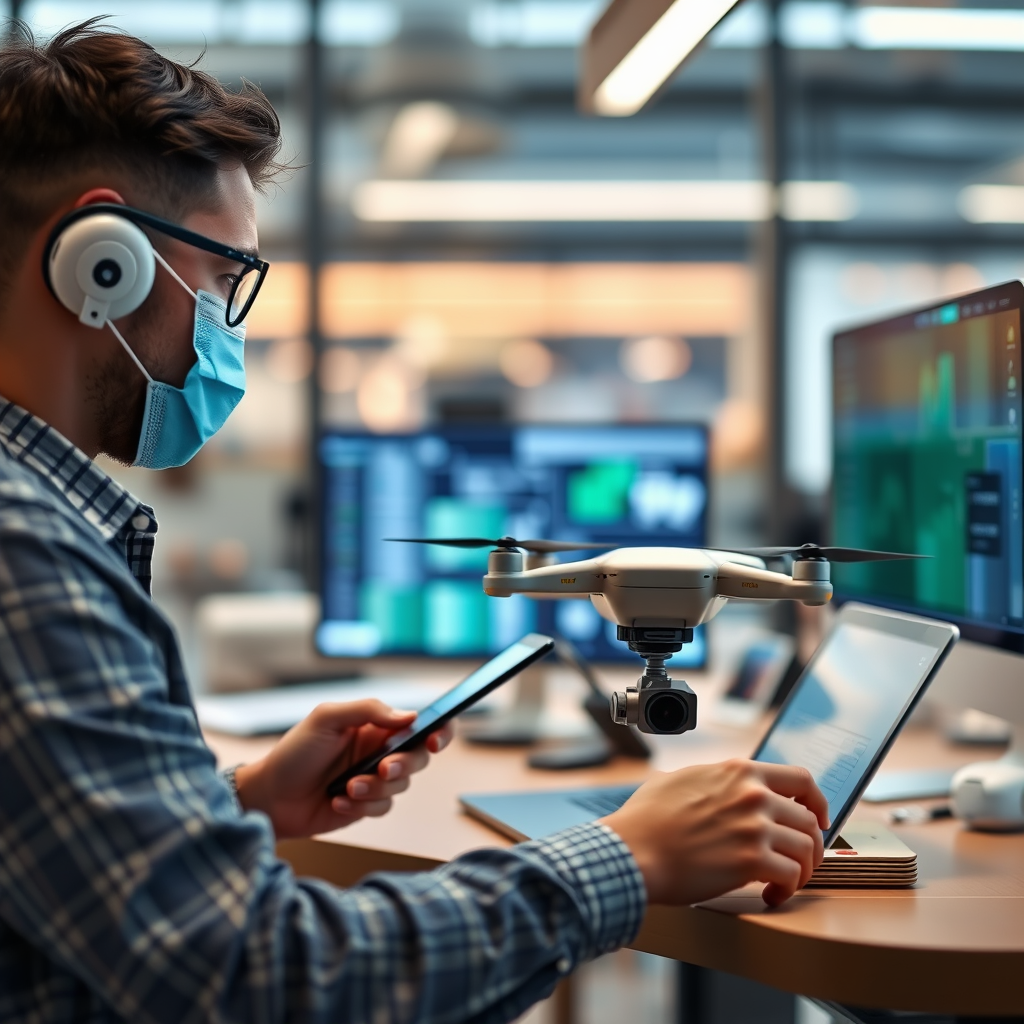
Cost-effectiveness is a major advantage of using drone simulators, particularly in a landscape where development budgets can be tight. By minimizing potential equipment damage during testing, companies can avoid the substantial costs associated with repairs or replacements. For instance, rather than risking a multi-thousand-dollar drone during a field test, developers can use a simulator to conduct extensive trials without incurring any risk to physical assets.
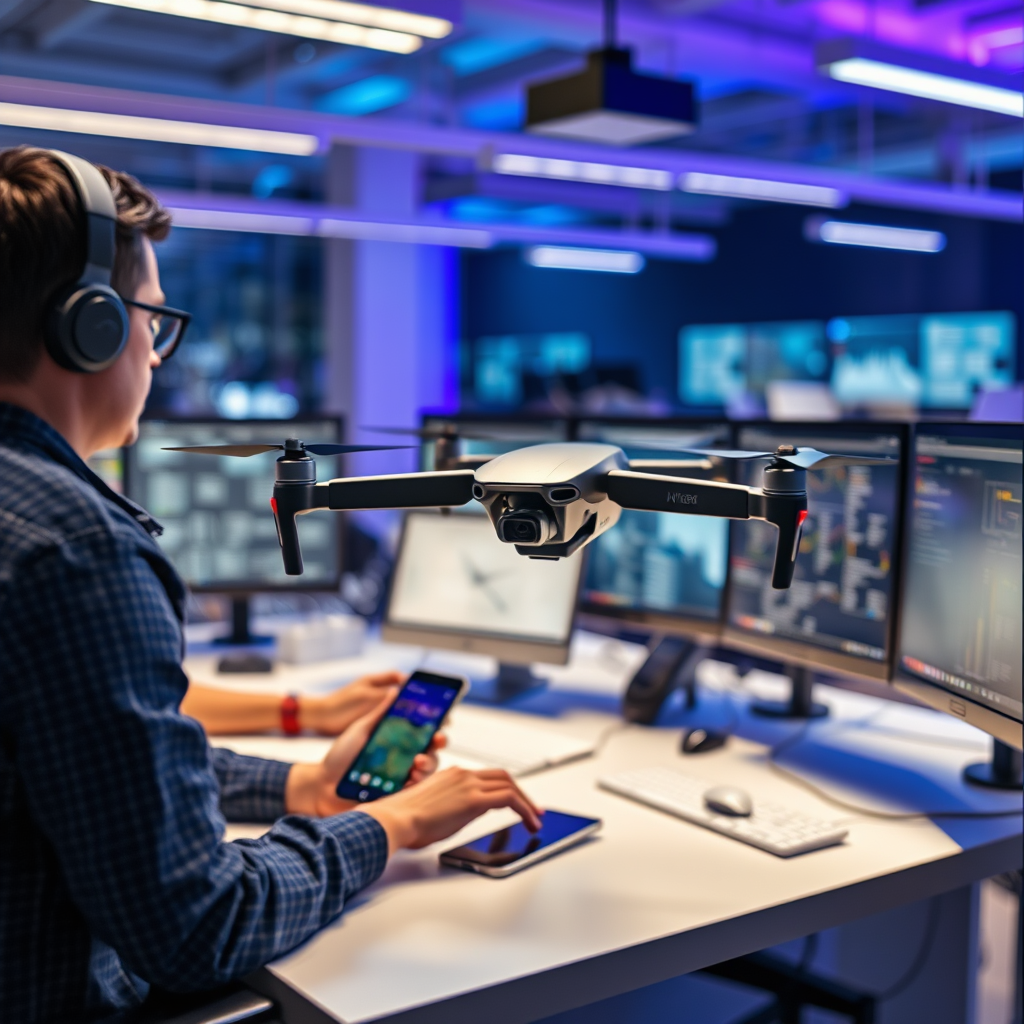
Moreover, simulated testing reduces the need for costly field tests that often involve travel and logistical complexities. With drone simulators, teams can conduct extensive evaluations from their offices or laboratories, thus saving on expenses related to transportation, insurance, and site access. For startups and smaller companies, this cost-effectiveness can be pivotal in allowing them to allocate resources to other critical areas, such as research and development or marketing.
Accelerating the Development Cycle
In the fast-paced world of technology development, speed is of the essence. Drone simulators enable rapid iterations, allowing developers to test multiple scenarios in a shorter time frame. By creating virtual prototypes and conducting simulations, teams can quickly identify design flaws and performance issues that may not be apparent during traditional development processes.
Immediate feedback from simulations plays a crucial role in accelerating the development cycle. Developers can make quick adjustments based on the outcomes of their tests, thereby shortening the time from concept to deployment. For example, if a simulation reveals that a drone’s battery life is insufficient for its intended application, developers can promptly modify the design and retest it without the delays associated with physical prototype adjustments. This iterative process ultimately leads to a more refined product that is well-suited for market demands.
Enhancing Training Opportunities
Drone simulators offer an invaluable resource for training operators in a low-risk environment. New pilots can develop skills and practice maneuvers without the fear of damaging expensive equipment or causing accidents. This aspect of simulators is especially beneficial for organizations that need to train multiple operators quickly and efficiently.
Additionally, simulators allow trainees to experience a wide range of conditions and scenarios, thereby improving their preparedness for real-life operations. For instance, a simulator can replicate various environmental factors, such as high winds, low visibility, or emergency situations, providing operators with a comprehensive training experience. This level of preparation is crucial for applications such as search and rescue missions, where operators must be able to react swiftly and effectively to changing conditions.
Supporting Innovation and Experimentation
Innovation is at the heart of technology development, and drone simulators play a pivotal role in fostering experimentation. By providing a safe space to test new technologies and features, simulators encourage developers to push the boundaries of what is possible. This is particularly important in a competitive market where differentiation can lead to significant advantages.
For example, consider a company developing a drone with advanced obstacle avoidance technology. Using a simulator, developers can experiment with various algorithms and sensor configurations in a controlled environment, allowing them to refine their approach without the risk of hardware failure. This iterative experimentation leads to innovative solutions that can be seamlessly integrated into actual drones once they have been proven effective in simulations.
Real-World Applications and Success Stories
Numerous companies have successfully implemented drone simulators to refine their technology, highlighting the effectiveness of this approach. One notable example is DJI, a leading manufacturer of consumer and professional drones. The company utilizes simulators to allow developers and pilots to test new features and functionalities before they are released to the market. This has resulted in significant improvements in product reliability and user experience, ultimately enhancing customer satisfaction.
Another success story comes from the agricultural sector, where companies are using drone simulators to train operators on precision agriculture techniques. By simulating various crop scenarios and flight paths, operators can learn how to optimize their drone operations for better yields and efficiency. These real-world applications demonstrate the value of simulators in refining technology and ensuring that operators are well-equipped to maximize their capabilities.
By leveraging drone simulators, tech developers can significantly reduce risks, costs, and development time, all while enhancing training and fostering innovation. In a rapidly evolving industry, the importance of these tools cannot be overstated. For those involved in drone technology, integrating simulators into testing processes can unlock numerous benefits and streamline development efforts, ultimately leading to safer, more effective, and innovative solutions.
Frequently Asked Questions
Why are drone simulators important for testing new drone technology?
Drone simulators are crucial for testing new drone technology because they provide a safe and controlled environment to experiment without the risks associated with real-world flying. They allow developers to troubleshoot issues, refine algorithms, and assess performance in various simulated conditions, ultimately leading to safer and more reliable drone operations.
How do drone simulators enhance pilot training for new technologies?
Drone simulators enhance pilot training by offering immersive experiences that replicate real flying conditions without the fear of crashes or accidents. They allow pilots to practice maneuvers, understand new features, and familiarize themselves with the controls of new drone technologies, improving their skills and confidence before actual flights.
What are the key features to look for in a drone simulator for testing new tech?
When selecting a drone simulator for testing new technology, look for key features such as realistic flight physics, customizable environments, and compatibility with various drone models. Additionally, ensure the simulator offers detailed analytics to track performance and progress, as well as support for multiple training modes to cater to different skill levels.
Which industries benefit the most from using drone simulators for technology testing?
Several industries significantly benefit from using drone simulators for technology testing, including agriculture, construction, and emergency services. For example, agricultural companies can simulate crop monitoring scenarios, while construction firms can model site inspections, and emergency services can prepare for disaster response, all without the risks associated with real-life operations.
How can drone simulators reduce costs associated with developing new drone technologies?
Drone simulators can significantly reduce costs in the development of new drone technologies by minimizing the need for physical prototypes and real-world testing. By allowing engineers and developers to test and iterate designs in a virtual setting, companies save on materials, reduce repair expenses from crashes, and accelerate the overall development timeline, leading to cost-effective innovation.
References
- https://en.wikipedia.org/wiki/Drone_simulation
- https://www.sciencedirect.com/science/article/pii/S2351978918302244
- https://www.nist.gov/news-events/news/2020/09/nist-uses-drone-simulators-develop-new-testing-protocols
- https://www.researchgate.net/publication/335251741_A_Survey_of_Drone_Simulation_Systems
- https://www.nasa.gov/feature/nasa-drone-simulators-help-advance-aerial-robotics
- https://www.bbc.com/news/technology-49330156
- https://www.mdpi.com/2504-446X/4/1/25
- https://www.faa.gov/newsroom/faa-releases-new-drone-safety-research-report
- https://www.itu.int/en/ITU-T/Workshops-and-Seminars/2021/Pages/drone.aspx
