
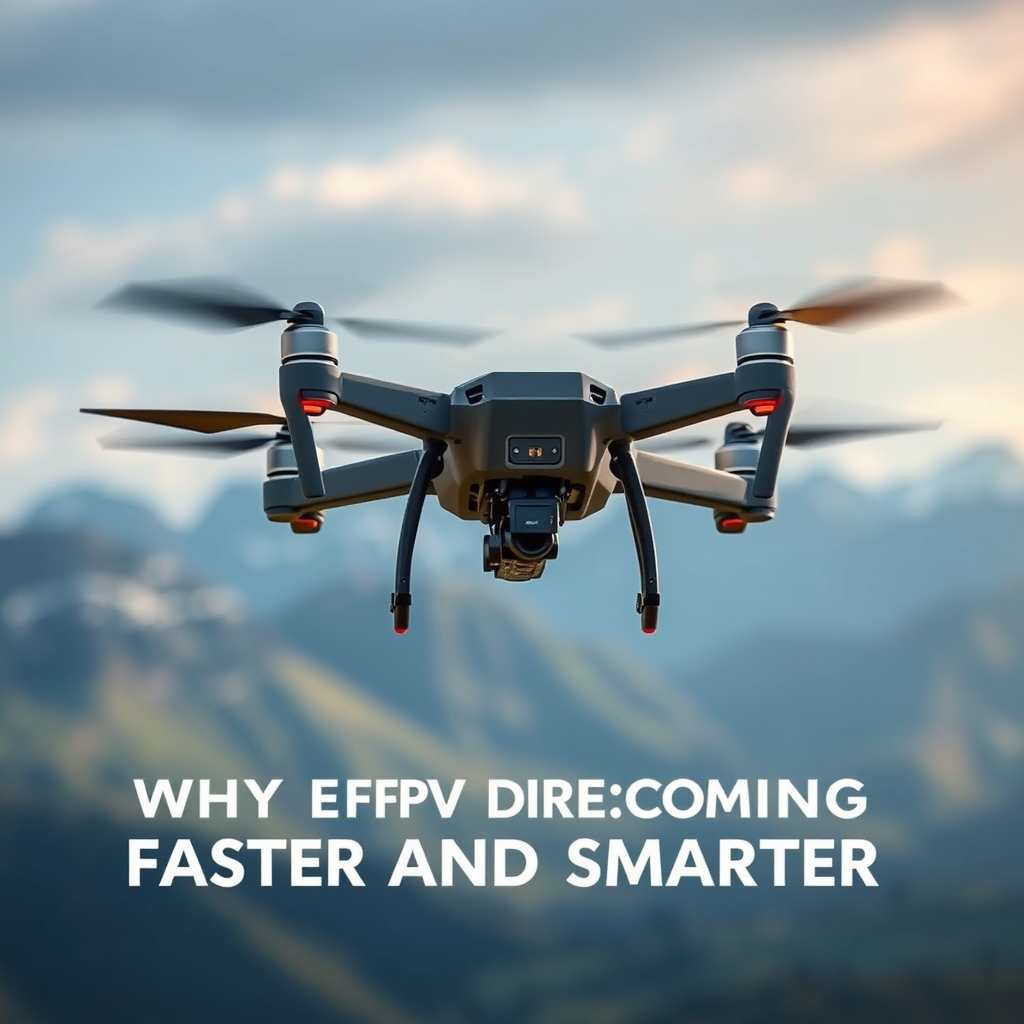
FPV drones are becoming faster and smarter due to advancements in technology, improved aerodynamics, and enhanced artificial intelligence systems. This evolution allows for better performance, more efficient flight capabilities, and an overall enhanced user experience. As these drones continue to develop, they are not only attracting hobbyists but also capturing the attention of professionals in various industries. In this article, we’ll explore the factors driving these changes and what they mean for drone enthusiasts and professionals alike.
Advancements in Technology
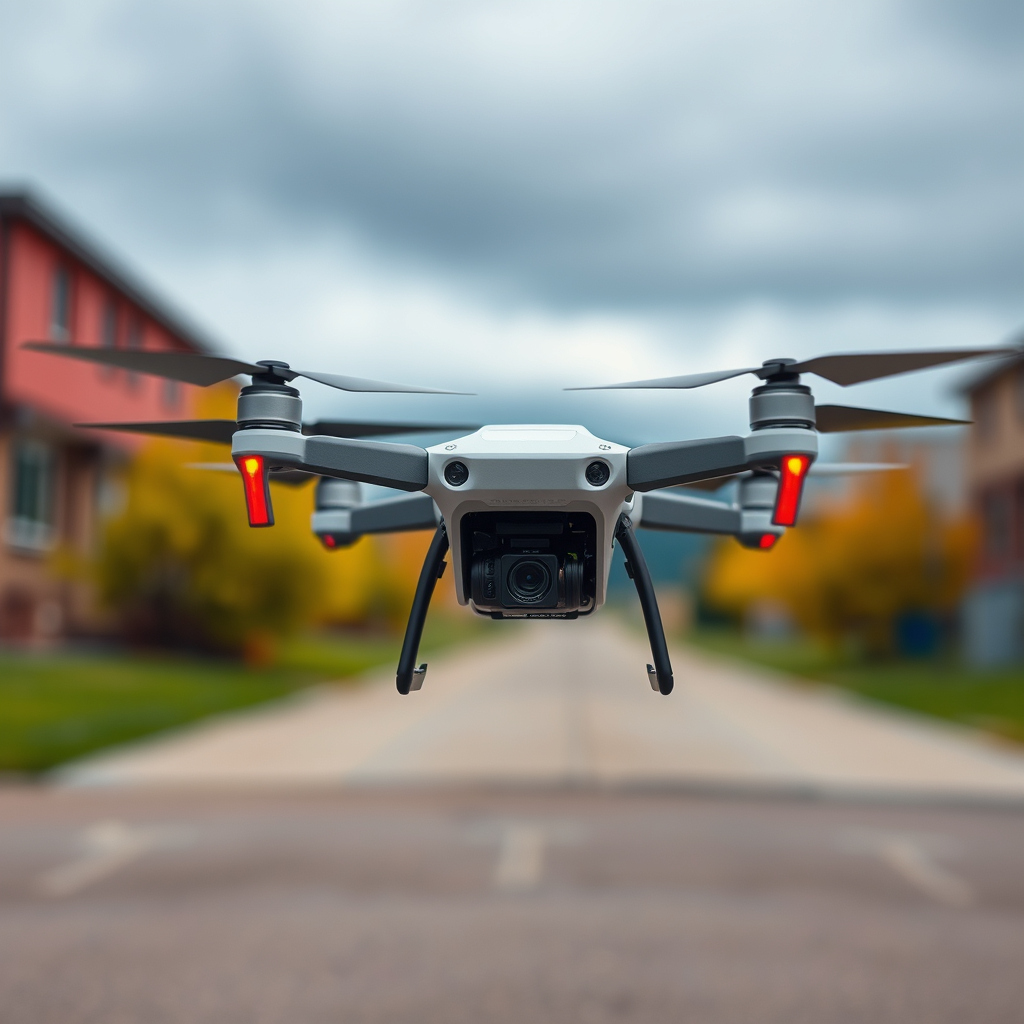
The integration of high-performance motors and batteries has significantly contributed to the speed capabilities of FPV drones. Manufacturers have begun to utilize brushless motors, which provide a more efficient power-to-weight ratio compared to traditional motors. This advancement enables drones to achieve higher speeds while maintaining stability. Additionally, the development of lithium polymer (LiPo) batteries has offered improved energy density and discharge rates, allowing drones to fly longer and faster without compromising performance.
Moreover, enhanced sensors and cameras are revolutionizing the way drones operate. Modern FPV drones are equipped with advanced GPS systems, barometers, and accelerometers, which allow for precise navigation and stabilization. These sensors enable drones to process data in real time, making split-second decisions during flight. For instance, the introduction of HD video transmission systems has improved the quality of the live feed that pilots receive, thereby enhancing their control and maneuvering capabilities. Such technological improvements not only increase the speed of drones but also ensure safer and more reliable flights.
Improved Aerodynamics
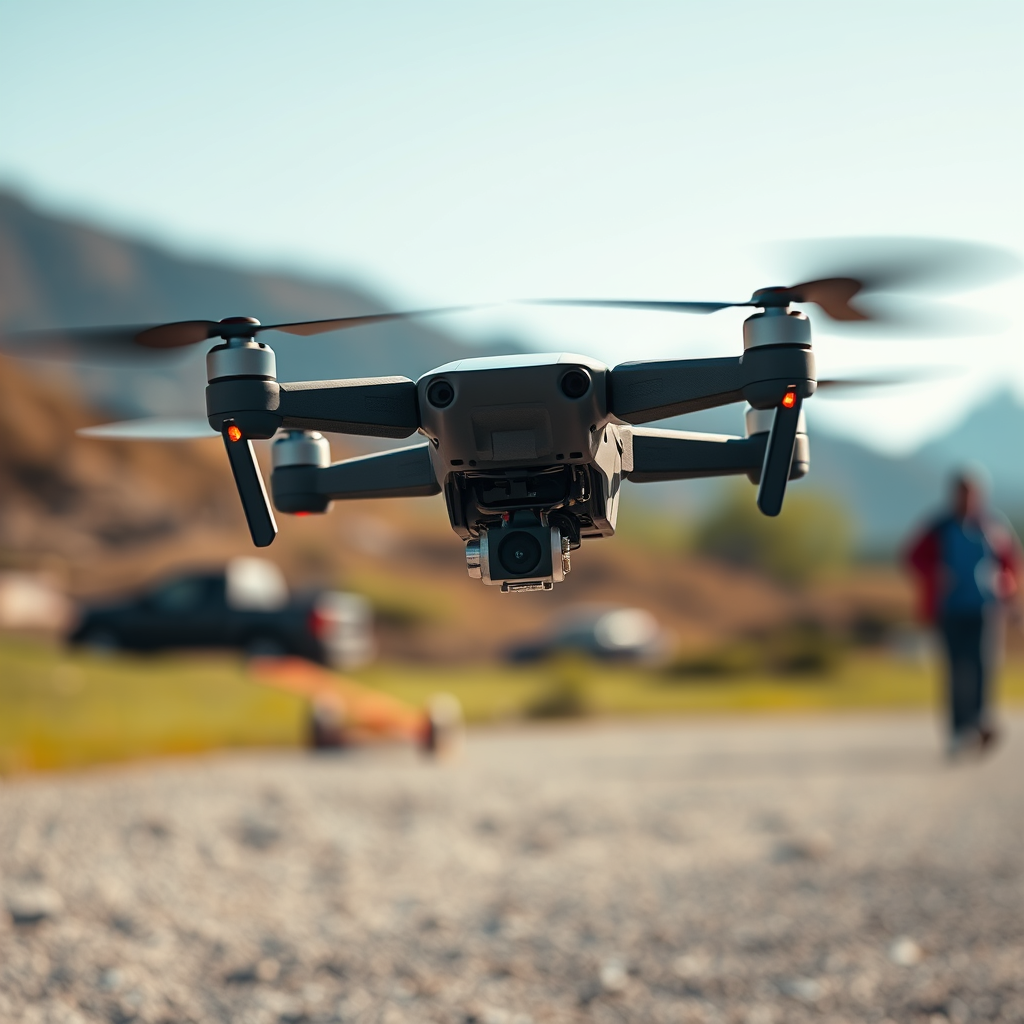
Aerodynamics plays a crucial role in the performance of FPV drones. Sleeker designs and the use of lighter materials such as carbon fiber and advanced plastics have led to reduced drag, thereby increasing flight efficiency. By minimizing weight without sacrificing structural integrity, manufacturers can create drones that are agile and responsive, capable of executing complex maneuvers at high speeds.
In addition to lighter materials, innovations in propeller technology have significantly impacted drone performance. Modern propellers are designed to maximize thrust while minimizing energy consumption. For example, the introduction of multi-blade propellers allows drones to generate more lift and maintain stability during rapid acceleration and sharp turns. This combination of enhanced design and materials not only contributes to faster speeds but also improves overall flight safety by providing better control during challenging conditions.
Enhanced Artificial Intelligence
Artificial intelligence (AI) has emerged as a game-changer for FPV drones, allowing them to learn from their environments and adapt their flight paths accordingly. AI algorithms can analyze data from onboard sensors to optimize navigation, ensuring that drones operate efficiently in various conditions. This capability is particularly beneficial in applications such as search and rescue missions, where drones can autonomously navigate through complex terrains.
Smart features such as obstacle avoidance systems are increasingly becoming standard in FPV drones. By using a combination of cameras and ultrasonic sensors, drones can detect obstacles in real time and adjust their flight paths to avoid collisions. This not only enhances safety but also makes drones more user-friendly, particularly for those who may not have extensive flying experience. Automated maneuvering features further simplify the flying process, allowing users to focus on capturing stunning aerial footage or racing against competitors.
Increased Demand for Racing and Aerial Photography
The surge in popularity of FPV racing competitions has driven manufacturers to produce faster and more agile drones. Events such as the Drone Racing League (DRL) have gained significant media attention, showcasing high-speed racing and attracting sponsorships from major brands. This competitive landscape pushes manufacturers to innovate continuously, resulting in the development of cutting-edge drones that offer unprecedented speed and agility.
In parallel, the demand for high-quality aerial photography and videography has fueled advancements in camera technology and stabilization systems. Drones equipped with gimbals and high-definition cameras can capture stunning visuals from unique perspectives, making them invaluable tools for filmmakers, real estate professionals, and content creators. The combination of speed and advanced imaging capabilities enables users to capture dynamic footage that was previously difficult to achieve. This dual demand for performance in racing and quality in photography ensures that the FPV drone market remains vibrant and innovative.
Regulatory Changes and Market Growth
Recent changes in drone regulations have paved the way for new commercial applications, leading to increased investment in FPV technology. Governments around the world are beginning to recognize the potential of drones in various sectors, from agriculture to delivery services. This shift has encouraged manufacturers to focus on developing FPV drones that meet regulatory requirements while also catering to commercial needs.
The growing interest among hobbyists and professionals has stimulated competition among manufacturers, accelerating advancements in technology. As more individuals engage with FPV drones, the market continues to expand, attracting new players and fostering innovation. This competitive environment not only leads to better products but also drives down prices, making FPV drones more accessible to a broader audience.
Future Trends in FPV Drones
Looking ahead, emerging technologies such as 5G connectivity and machine learning are poised to further enhance the capabilities of FPV drones. The implementation of 5G technology will enable faster data transmission, allowing drones to process and share information in real time. This capability will enhance features like live streaming and remote piloting, making drones more versatile and powerful tools.
Additionally, the potential for integration with other technologies, such as virtual reality (VR) and augmented reality (AR), will redefine the FPV experience. Users may soon be able to immerse themselves in a VR environment, piloting drones as if they were in the cockpit. Such advancements could revolutionize applications in training, entertainment, and even therapeutic uses.
The advancements in FPV drones are a testament to the rapid evolution of technology in this field. As we delve into the reasons behind their increased speed and intelligence, it becomes clear that these innovations are not just enhancing performance but also expanding the possibilities for their application. By staying informed about the latest trends and innovations, enthusiasts and professionals alike can make informed decisions about their next drone purchase and ensure they remain at the forefront of the FPV drone revolution.
Frequently Asked Questions
Why are FPV drones becoming faster than traditional drones?
FPV drones are becoming faster due to advancements in technology such as improved motors, lightweight materials, and optimized aerodynamics. These innovations allow higher thrust-to-weight ratios, enabling FPV drones to achieve greater speeds. Additionally, the development of more efficient battery systems contributes to longer flight times, making speed an essential factor in the design of modern FPV drones.
How do smarter features enhance the performance of FPV drones?
Smarter features in FPV drones, such as advanced flight controllers and AI-assisted navigation systems, significantly enhance performance by improving stability, maneuverability, and user control. These technologies allow for features like obstacle avoidance, automated flight paths, and real-time telemetry, which help pilots maintain control even in challenging environments. As a result, smarter drones can perform complex aerial maneuvers more effectively and safely.
What are the benefits of faster FPV drones for racing and recreational flying?
Faster FPV drones offer several benefits for both racing and recreational flying, including heightened excitement and competitive edge in racing scenarios. The increased speed allows pilots to complete courses more quickly, improving their chances of winning competitions. For recreational users, faster drones can provide more thrilling experiences and the ability to explore larger areas, making flying more enjoyable and engaging.
Which brands are leading the market in fast and smart FPV drones?
Several brands are at the forefront of the fast and smart FPV drone market, including DJI, Fat Shark, and Emax. These companies are recognized for their innovation and commitment to enhancing drone technology, offering models equipped with high-speed capabilities and intelligent features. Researching reviews and comparisons of these brands can help you find the best FPV drone that suits your needs, whether for racing, photography, or casual flying.
Why is it important to keep FPV drones updated with the latest technology?
Keeping FPV drones updated with the latest technology is crucial for maximizing performance, safety, and compatibility with new features. Regular updates can provide improvements in flight stability, battery efficiency, and firmware security, ensuring that the drone operates at its best. Additionally, advancements in technology can introduce new functionalities, such as better obstacle detection or enhanced real-time video streaming, making your flying experience more enjoyable and efficient.
References
- Drone racing
- https://www.nytimes.com/2023/05/17/technology/fpv-drones.html
- https://www.reuters.com/technology/drones-are-faster-smarter-2023-02-25/
- https://www.sciencedirect.com/science/article/pii/S2352864822001231
- https://www.wired.com/story/fpv-drones-technology/
- https://www.techcrunch.com/2023/03/10/fpv-drones-innovation/
- https://www.nasa.gov/content/fpv-drone-technology-and-its-applications
- https://www.faa.gov/uas/education/
- https://www.dronepilotgroundschool.com/fpv-drone-facts/
