

The key reason low-latency controllers are essential for FPV drones is that they significantly enhance the responsiveness and control of the aircraft, ensuring a smoother flying experience. In the fast-paced world of first-person view (FPV) drone flying, where precision and timing are paramount, the difference in performance between low-latency and standard controllers can be the difference between an exhilarating flight and a crash. This article will delve into the importance of low latency in drone operation, explore the technical aspects that contribute to it, and illustrate how it can make or break your FPV experience.
Understanding Latency in FPV Drones
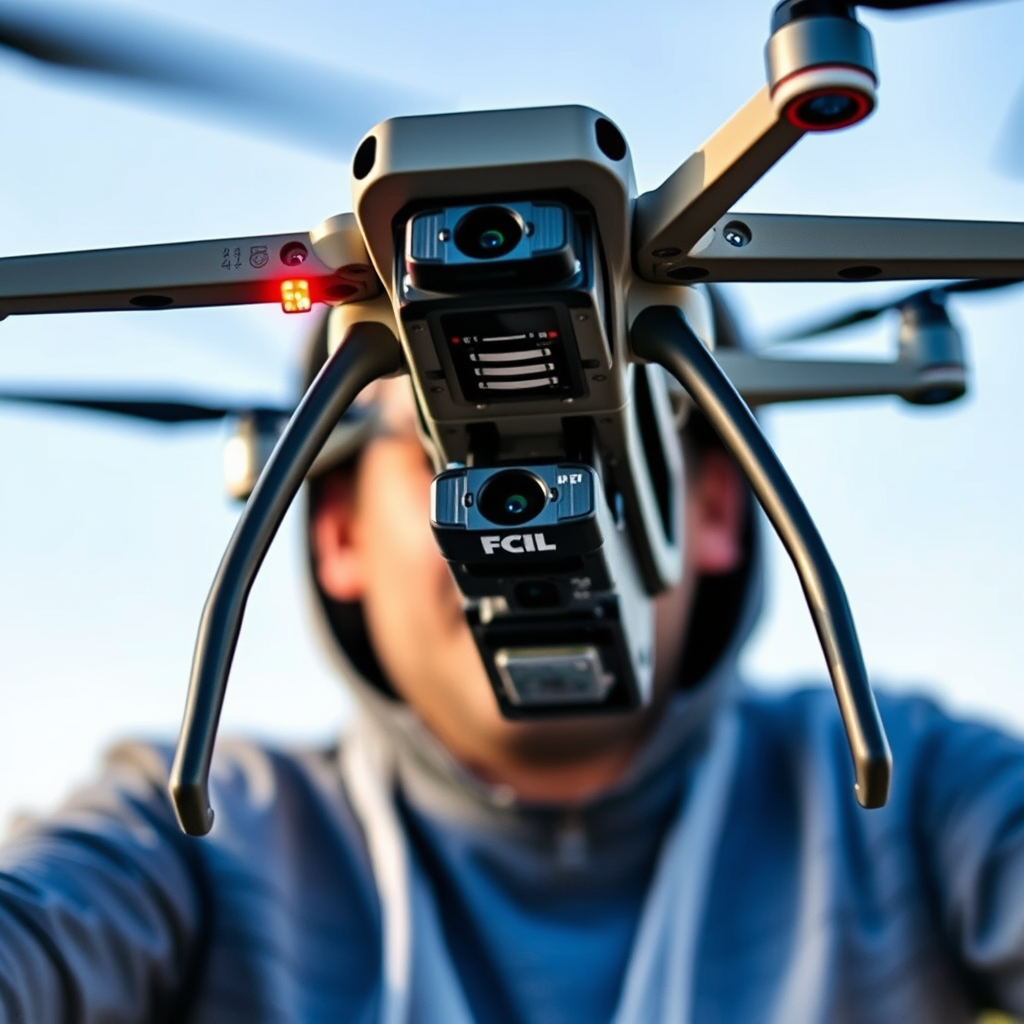
Latency refers to the delay between the pilot’s input and the drone’s response, measured in milliseconds. This delay can stem from various factors, including the controller’s processing speed, the transmission of signals, and the drone’s onboard systems. In FPV flying, even minor delays can lead to poor maneuverability, which significantly increases the risk of crashes. For instance, if a pilot commands a sudden turn but the drone reacts even a fraction of a second later, it can result in overshooting the intended path, potentially leading to collisions with obstacles or the ground. Understanding latency is crucial for drone enthusiasts who seek to maximize their flying experience, making low-latency controllers an indispensable component of any serious FPV setup.
The Impact of Low-Latency Controllers
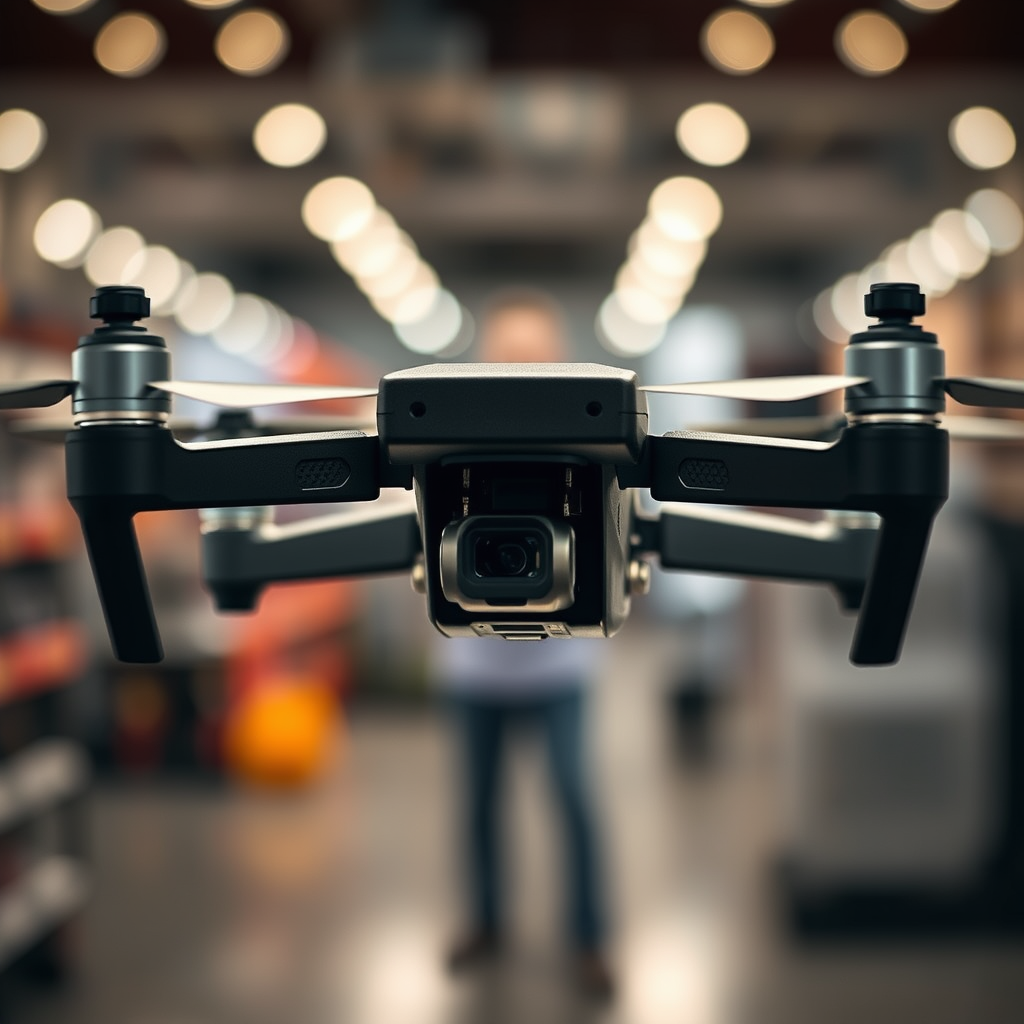
Low-latency controllers provide near-instantaneous feedback to user inputs, which is critical during high-speed maneuvers or competitive racing scenarios. These controllers allow pilots to perform complex aerial stunts and tight turns with confidence, knowing that their commands will be executed without hesitation. For example, in drone racing, every millisecond counts; a low-latency controller can be the decisive factor that enables a pilot to gain an edge over competitors. Furthermore, the enhanced responsiveness provided by these controllers fosters a more intuitive flying experience, allowing pilots to focus on the thrill of flight rather than the limitations imposed by lagging controls.
Key Features of Low-Latency Controllers
Low-latency controllers are characterized by several key features that minimize input delays and optimize performance. First and foremost, fast processing speeds are essential; these controllers often utilize advanced microprocessors designed to handle inputs in real-time. Additionally, many low-latency controllers employ advanced communication protocols such as Crossfire or ELRS (ExpressLRS), which are optimized for rapid signal transmission between the controller and the drone. These technologies not only reduce latency but also enhance signal reliability, which is essential in environments with potential interference. Some controllers also incorporate telemetry features, providing pilots with immediate feedback on critical flight parameters, further enhancing the overall flying experience.
Comparing Low-Latency Controllers with Standard Controllers
When comparing low-latency controllers to standard controllers, the differences in performance are stark. Standard controllers often have higher latency due to slower processing speeds and less efficient communication protocols. As a result, pilots using these controllers may experience sluggish performance, making it challenging to achieve precise flight paths or execute rapid maneuvers. For example, a pilot using a standard controller might find it difficult to navigate through tight gaps or perform quick aerial tricks, leading to frustration and reduced enjoyment. Conversely, low-latency controllers provide a level of responsiveness that significantly enhances flight accuracy and control, enabling pilots to push the limits of their drones with confidence.
Choosing the Right Low-Latency Controller
Selecting the right low-latency controller can be a daunting task, given the variety of options available on the market. To make an informed choice, start by examining the specifications that emphasize low latency, typically measured in milliseconds. Look for controllers that boast processing speeds of 1 ms or lower, as these are generally considered optimal for FPV flying. Additionally, consider user reviews and experiences, as these can provide valuable insights into real-world performance. Engaging with the FPV community through forums and social media platforms can also help you gauge which controllers are highly regarded among experienced pilots. Ultimately, the right choice will depend on your specific needs, flying style, and budget.
The Role of Firmware and Software in Latency
Firmware and software play a critical role in the performance of low-latency controllers. Regular firmware updates can enhance controller performance and reduce latency by addressing bugs and improving compatibility with new technologies. Manufacturers often release these updates to optimize the controller’s capabilities and keep pace with advancements in FPV technology. Furthermore, many controllers feature customizable software settings that allow pilots to adjust response rates, sensitivity, and other parameters to suit their flying preferences. This level of customization ensures that pilots can tailor their equipment to achieve the most responsive flying experience possible.
Real-World Applications of Low-Latency Controllers
The advantages of low-latency controllers extend beyond racing and performance flying; they also enhance stability and control in applications such as aerial photography and videography. In these scenarios, where smooth, stable flight is essential for capturing high-quality footage, a low-latency controller can provide the necessary responsiveness to make quick adjustments. For instance, when tracking a moving subject or navigating through challenging environments, the ability to react instantly can lead to better framing and composition in the resulting images or videos. Additionally, low-latency controllers can improve flight stability in windy or turbulent conditions, allowing for more precise maneuvering and ultimately better results in aerial filming tasks.
In summary, low-latency controllers are vital for achieving peak performance in FPV drones, providing the responsiveness and control necessary for a superior flying experience. From enhancing maneuverability in racing to improving stability in aerial photography, the benefits of low-latency technology are undeniable. As you consider upgrading your drone setup, prioritize low-latency controllers to elevate your FPV flights and maximize your enjoyment of this thrilling hobby.
Frequently Asked Questions
What are low-latency controllers, and why are they important for FPV drones?
Low-latency controllers are specialized remote control systems designed to minimize the delay between pilot input and drone response. They are crucial for FPV (First-Person View) drone flying because they provide real-time feedback, enabling pilots to react swiftly to changing conditions, obstacles, and maneuvers. A controller with low latency enhances the overall flying experience by ensuring precise control and responsiveness, which is vital for racing and acrobatic flying.
How does latency affect the performance of FPV drones?
Latency in FPV drones refers to the time delay between the pilot’s commands and the drone’s responses. High latency can lead to a sluggish flying experience, making it difficult for pilots to control their drones accurately, especially at high speeds. This delay can result in crashes or missed opportunities during races, emphasizing the need for low-latency controllers that offer faster response times and improved flight precision.
Why should I choose a low-latency controller over a standard controller for FPV racing?
Choosing a low-latency controller for FPV racing is essential because it directly impacts your competitive edge. Standard controllers may have higher latency, making them unsuitable for the fast-paced environment of racing, where every millisecond counts. Low-latency controllers facilitate quicker maneuvers and sharper turns, allowing pilots to navigate courses more effectively and avoid obstacles, significantly enhancing their chances of winning races.
What features should I look for in a low-latency controller for FPV drones?
When selecting a low-latency controller for FPV drones, look for features such as high polling rates, robust communication protocols (like Crossfire or ELRS), and customizable settings for stick sensitivity. Additionally, consider the controller’s ergonomics, battery life, and compatibility with your drone’s flight controller. These features collectively ensure that you have a controller that meets your performance needs and enhances your flying experience.
Which brands are known for producing the best low-latency controllers for FPV drones?
Some of the top brands known for producing high-quality low-latency controllers for FPV drones include FrSky, TBS (Team BlackSheep), and Spektrum. FrSky’s Taranis series is popular for its customizable options and reliability, while TBS offers the Crossfire system renowned for its long-range and low latency. Spektrum also provides options with solid performance, making them favorites among both hobbyists and competitive pilots looking for the best in FPV flying technology.
References
- First-person view
- https://www.nasa.gov/centers/dryden/pdf/88360.pdf
- https://www.researchgate.net/publication/318612989_The_Impact_of_Latency_on_FPV_Drone_Flight_Experience
- https://www.sciencedirect.com/science/article/pii/S1877050919311226
- Unmanned Aircraft Systems (UAS) | Federal Aviation Administration
- https://www.itu.int/en/ITU-T/academic/Pages/FPV-Drones.aspx
- Acknowledgement to Reviewers of Drones in 2019
