
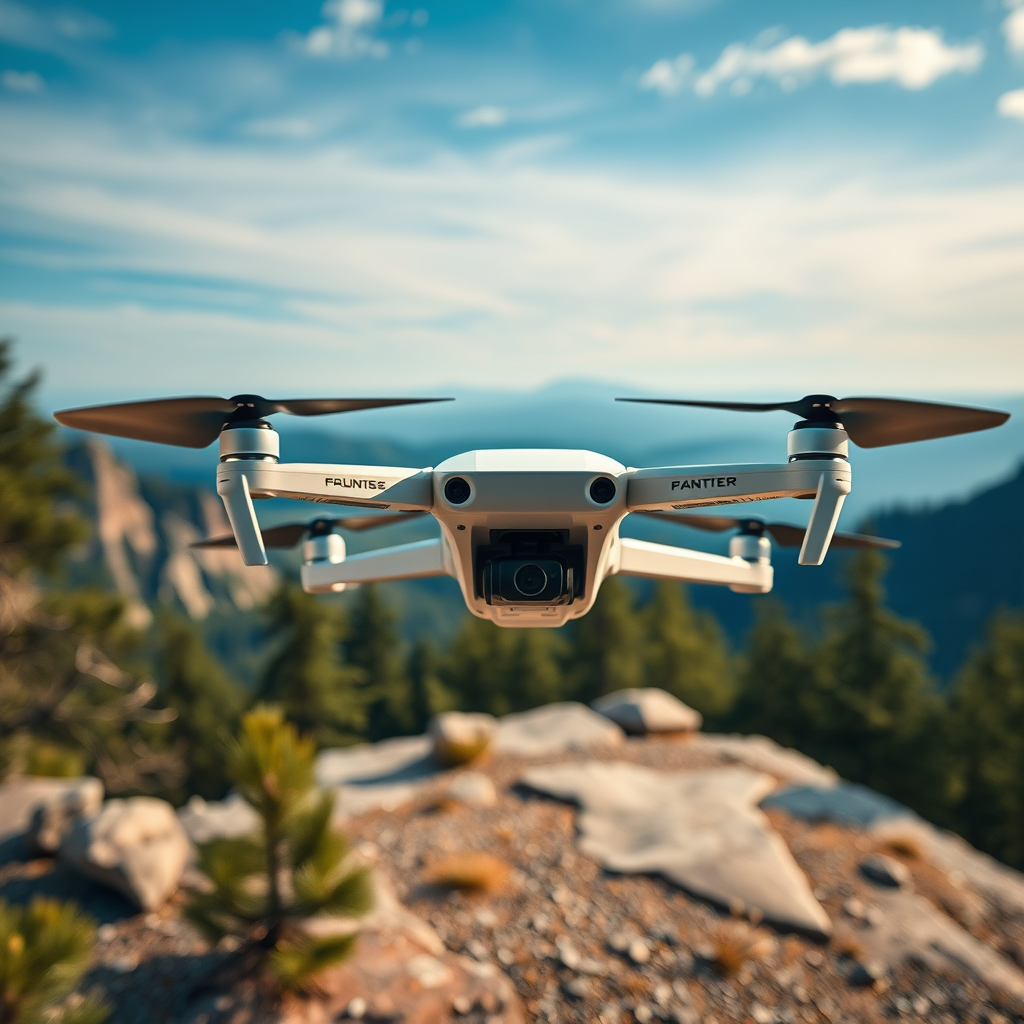
Drones are prohibited in national parks primarily to protect wildlife, preserve the natural landscape, and ensure visitor safety. These regulations are essential for maintaining the integrity of these treasured spaces, which are often home to delicate ecosystems and diverse wildlife. Understanding the rationale behind this ban reveals the broader implications for conservation, visitor experience, and environmental stewardship. In this article, we will explore the reasons behind this ban and its implications.
Preservation of Wildlife
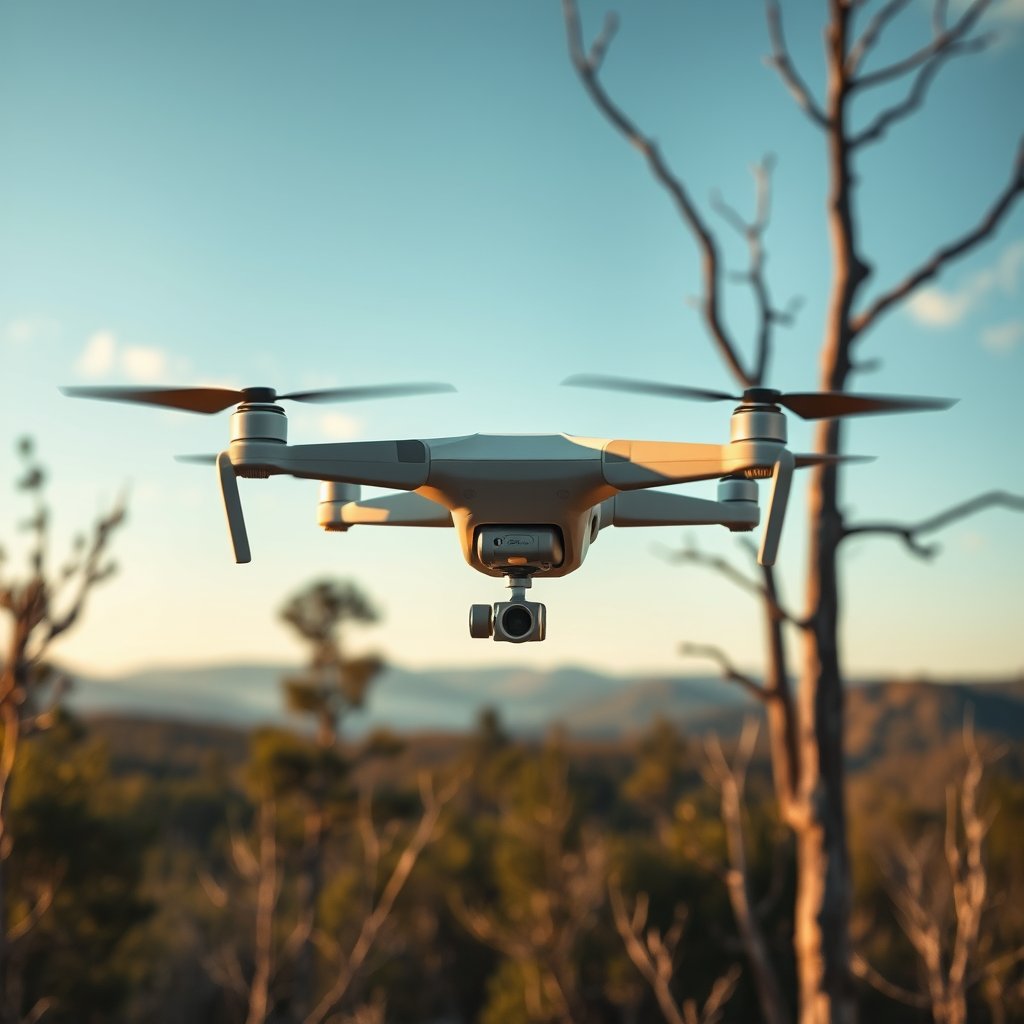
One of the most significant reasons for the drone prohibition in national parks is the preservation of wildlife. Drones can disturb animal habitats, leading to stress and behavioral changes in many species. For instance, raptors such as eagles and hawks are particularly sensitive to noise and movement. The presence of a drone can cause these birds to abandon their nests, negatively impacting their breeding cycles and overall population health. Additionally, mammals like deer and bears may alter their feeding patterns or flee from their usual habitats when confronted with the unfamiliar sound of a drone overhead.
Furthermore, the high-pitched whirring of drone propellers can be particularly disruptive during critical times, such as mating seasons or when animals are rearing their young. This disruption can lead to decreased reproductive success and increased mortality rates among vulnerable species. The National Park Service (NPS) recognizes that maintaining the natural behaviors and habitats of wildlife is paramount to preserving the ecological balance of these protected areas.
Protection of Natural Resources
Flying drones can cause significant damage to delicate ecosystems and landscapes. National parks are often characterized by their unique geological features, pristine waterways, and diverse flora and fauna. Drones can inadvertently crash into sensitive areas, leading to physical damage to plants and soil structures. For example, drone landings in fragile alpine meadows can disrupt plant life and lead to soil erosion, ultimately degrading the landscape.
Moreover, the presence of drones can lead to littering and other human impacts on the environment. Operators may inadvertently leave behind batteries, propellers, or other drone components, contributing to pollution and harming the wildlife that might ingest these materials. The NPS aims to minimize human impact on these natural resources, and the prohibition of drones is a critical component of these conservation efforts.
Ensuring Visitor Safety
Visitor safety is another essential reason for the ban on drones in national parks. Drones pose various risks to park visitors, including potential collisions with people and wildlife, as well as distractions that may lead to accidents. For instance, a drone malfunction or loss of control can result in crashes, potentially injuring individuals nearby. The unpredictability of drone flight paths can create hazardous situations, particularly in crowded areas such as popular viewpoints or trails.
Moreover, drones can distract visitors from fully experiencing the beauty and serenity of nature. The noise generated by drones can disrupt the natural ambiance of the parks, detracting from the peaceful experience that many visitors seek. By prohibiting drones, national parks can ensure a safer and more enjoyable environment for all visitors, allowing them to connect more deeply with nature.
Legal Regulations and Policies
The National Park Service has instituted strict regulations regarding drone usage to enforce conservation efforts and protect both wildlife and visitors. Under the Code of Federal Regulations (CFR), Title 36, Part 1, the use of unmanned aircraft systems (UAS) is prohibited in all national parks unless a special permit has been obtained. These regulations are designed to reflect the NPS’s commitment to preserving natural and cultural resources, as well as to promoting visitor safety.
Violations of these regulations can result in substantial fines or other legal consequences for drone operators. For example, individuals caught flying drones in restricted areas may face fines of up to $5,000, reflecting the seriousness of these infractions. The NPS actively patrols national parks to enforce these regulations, utilizing both park rangers and surveillance technology to ensure compliance.
Alternatives to Drone Photography
While drones offer unique aerial perspectives, there are numerous alternative methods for capturing stunning park landscapes without compromising wildlife or visitor safety. Traditional cameras and handheld devices can produce high-quality images and videos that showcase the beauty of national parks. Many visitors find joy in the art of photography, using techniques such as long exposure or panoramic shots to create breathtaking visuals.
Additionally, joining guided photography tours can provide an excellent alternative for those looking to enhance their photographic skills. These tours often incorporate expert knowledge of the area, ensuring that participants respect wildlife and adhere to park regulations. Guides can also lead visitors to hidden gems within the park, offering unique perspectives that may not be easily accessible without local insight.
Public Awareness and Education
Understanding the reasons behind drone restrictions fosters a greater appreciation for national parks and the importance of conservation efforts. Public education campaigns can play a crucial role in informing visitors about the ecological and safety issues associated with drone usage. By raising awareness, the National Park Service seeks to encourage responsible behavior among park visitors, emphasizing the need to protect these natural spaces for future generations.
Educational programs that highlight the importance of wildlife conservation and ecosystem preservation can inspire visitors to engage more deeply with their surroundings. Workshops, informational signage, and guided tours can all contribute to a more informed public, promoting better conservation practices and encouraging visitors to respect the delicate balance of nature.
In conclusion, the prohibition of drones in national parks serves crucial purposes related to wildlife protection, conservation of natural resources, and visitor safety. By adhering to these regulations, drone operators help ensure that these treasured landscapes remain pristine and enjoyable for future generations. Exploring alternative ways to experience and document the beauty of these protected areas not only enriches individual experiences but also contributes to the overall health of the ecosystems within national parks. Embracing responsible practices and fostering public awareness are essential steps toward preserving these natural wonders for years to come.
Frequently Asked Questions
Why can’t you fly a drone in a national park?
Flying a drone in a national park is prohibited primarily to protect the natural environment and wildlife. The National Park Service (NPS) has regulations in place to prevent disturbances to flora and fauna, as drones can disrupt animal behavior and habitats. Additionally, drones can pose safety risks to visitors and may interfere with park operations, making it essential to maintain these restrictions.
What are the consequences of flying a drone in a national park?
If you fly a drone in a national park, you could face significant penalties, including fines up to $5,000 for individuals and $10,000 for commercial operators. Additionally, park rangers have the authority to confiscate your drone and may issue a citation for violating park regulations. These strict measures are in place to ensure the protection of the park’s natural resources and visitor safety.
How can I take aerial photos of national parks without a drone?
To capture stunning aerial photos of national parks without using a drone, consider using a helicopter or small aircraft tour, which is often permitted under specific regulations. Additionally, you can use a high vantage point, such as a hill or lookout, to take wide-angle shots. Some areas also allow the use of remote-controlled kites or balloons for photography, provided they comply with park rules.
Which national parks allow drone flying?
As of now, only a few specific national parks allow drone flying under certain conditions, but these are the exception rather than the rule. Parks such as the Grand Canyon National Park or Yellowstone National Park have designated areas where drone use may be permitted, but it is crucial to check the current regulations before planning your visit. Always review the park’s official website for the latest guidelines and restrictions regarding drone use.
What are the best practices for responsible drone flying near national parks?
When flying a drone near national parks, always adhere to local laws and regulations, including staying outside park boundaries. Respect wildlife by maintaining a safe distance and avoiding sensitive areas, especially during breeding seasons. Additionally, ensure that you are flying at a safe altitude and avoid crowded areas to minimize disturbances to other visitors. Using your drone responsibly helps protect the environment while allowing you to enjoy aerial photography.
References
- https://www.nps.gov/subjects/drones/index.htm
- https://www.nps.gov/subjects/drones/faqs.htm
- https://www.nps.gov/subjects/drones/regulations.htm
- https://www.faa.gov/uas/recreational_flyers/
- https://www.wilderness.org/learn/why-drones-are-bad-wilderness
- https://www.nytimes.com/2021/06/22/us/drone-national-parks.html
- https://www.usatoday.com/story/travel/2020/01/22/drone-policies-national-parks-why-you-cant-fly-them/4547329002/
- https://www.wired.com/story/drone-national-parks/
- https://www.theguardian.com/environment/2021/jun/23/drones-national-parks-usa-park-rangers
