
Flying drones in national parks is prohibited to protect wildlife, preserve natural landscapes, and ensure visitor safety. This regulation is essential for maintaining the ecological balance and tranquility that national parks are designed to offer. With millions of visitors flocking to these protected areas each year, understanding the rationale behind this ban is crucial for promoting responsible tourism and conservation efforts. Below, we delve deeper into the reasons behind this ban.
Protecting Wildlife
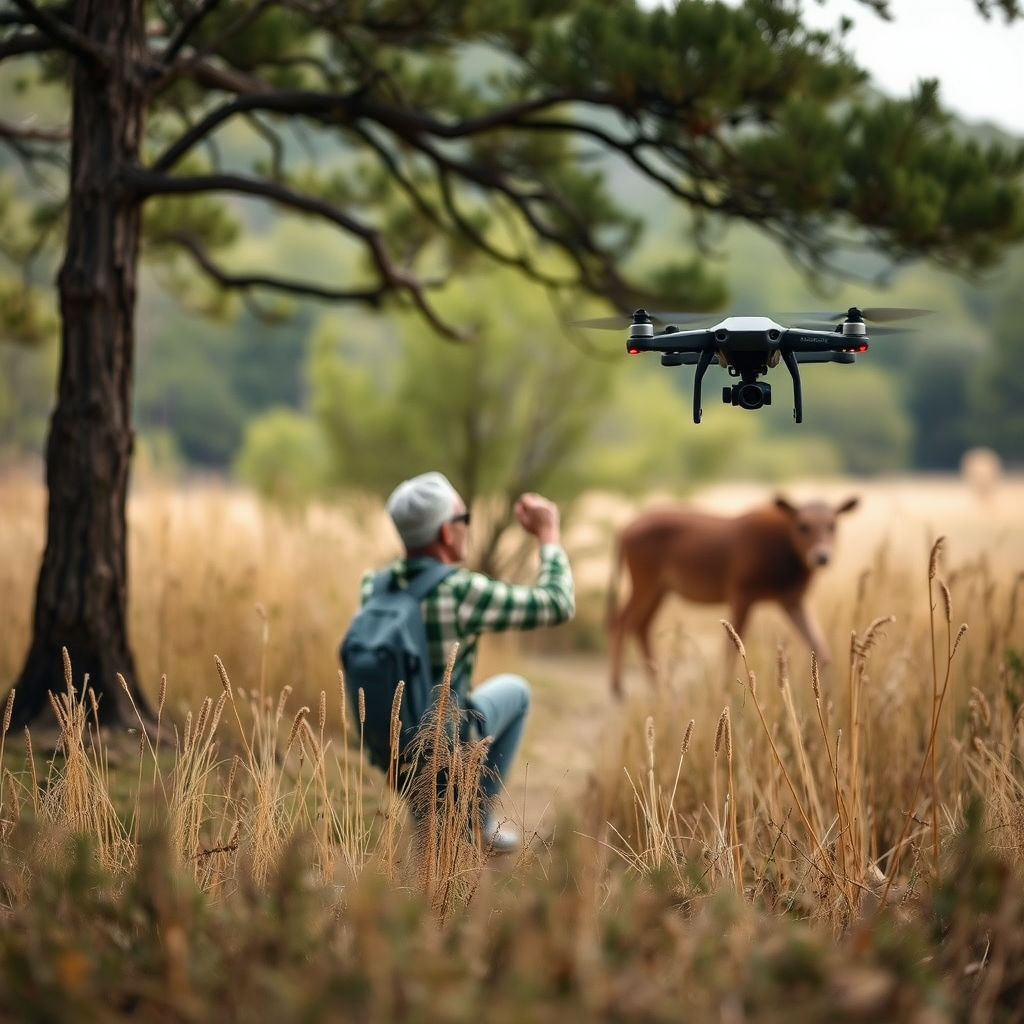
Drones can significantly disturb wildlife, particularly nesting birds and other vulnerable species. The presence of a drone can lead to stress responses in animals, causing them to abandon their nests or alter their natural behaviors. For instance, studies have shown that nesting birds may vacate their territories if they feel threatened by the sound of a drone overhead. This disruption can have dire consequences for their populations, as abandoned nests may lead to decreased reproductive success.
Moreover, many animals rely on specific sensory cues from their environment to engage in activities such as foraging, mating, and parenting. The noise generated by drones can mask these important sounds, ultimately leading to altered behaviors and increased susceptibility to predators. For example, deer and other mammals may become more skittish and less likely to engage in normal feeding behaviors when drones are present, which can disrupt their health and survival.
By prohibiting drone usage, national parks aim to ensure that wildlife can thrive in their natural habitats without the added stress of human interference. This protection is not only vital for individual species but also for the overall health of the ecosystem.
Preserving Natural Landscapes
The aesthetic appeal of national parks is one of their most treasured attributes, drawing visitors from around the globe to experience their breathtaking beauty. The use of drones can lead to visual pollution and detract from the pristine landscapes that define these protected areas. A drone flying overhead not only disrupts the natural scenery but also has the potential to create a jarring contrast between the wild environment and the technology of modern life.
In addition to visual concerns, the noise produced by drones can significantly detract from the serene soundscape that many visitors seek. The rustling of leaves, the call of birds, and the gentle flow of rivers create an immersive experience that allows individuals to connect with nature. The whirring of drone propellers interrupts this harmony, diminishing the overall experience for both park visitors and wildlife.
By banning drones, national parks aim to preserve their natural beauty and ensure that visitors can fully engage with the tranquil environment without the intrusion of disruptive technology.
Ensuring Visitor Safety
The safety of all park visitors is a top priority for national park officials. Drones can pose significant risks, particularly if they malfunction or crash. For instance, a falling drone could injure someone on the ground, leading to serious consequences. Additionally, the presence of drones can create confusion among park-goers, especially if they are not familiar with the technology or its regulations.
Moreover, the risk of collision with wildlife cannot be overlooked. Birds and other animals may collide with drones, resulting in injury or death. Such incidents can further exacerbate the already precarious balance of ecosystems within national parks. The prohibition of drones helps to mitigate these risks, ensuring that both visitors and wildlife can safely coexist in these natural spaces.
Legal Regulations
The National Park Service (NPS) has established clear regulations that prohibit the use of drones in all national parks as outlined in the Code of Federal Regulations. This legal framework is designed to protect the unique environments and cultural resources found within these areas. Violating these regulations can lead to significant fines and legal repercussions for drone operators, emphasizing the seriousness with which these rules are enforced.
The legal ban on drones extends beyond mere convenience; it is rooted in the principles of conservation and the preservation of natural and cultural resources. This framework not only protects wildlife and landscapes but also upholds the integrity of the visitor experience.
Understanding these regulations is essential for anyone planning to visit a national park, as adherence to the law ensures that these treasured environments remain intact for future generations.
Alternatives to Drones
Despite the restrictions on drone use, there are numerous alternatives available for visitors who want to capture stunning aerial views or unique perspectives of national parks. Hiring licensed drone pilots is one option that allows individuals to enjoy aerial photography without violating park regulations. These professionals are trained to operate drones safely and responsibly, ensuring compliance with all legal requirements.
Additionally, many national parks offer designated viewpoints and overlooks that provide breathtaking views without the need for aerial technology. By taking advantage of these locations, visitors can experience the majesty of the landscape while remaining within the confines of the law. Furthermore, guided tours often include opportunities for photography and exploration that showcase the park’s natural beauty without the use of drones.
Visitors are encouraged to explore these legal alternatives, which not only enrich their experience but also contribute to the preservation of the park’s ecosystem.
Public Awareness and Education
Public awareness plays a crucial role in the successful enforcement of drone regulations in national parks. Educating visitors about the reasons behind the drone ban fosters understanding and compliance. Signage throughout the parks can help convey the importance of wildlife protection, landscape preservation, and visitor safety.
Moreover, educational programs and workshops can engage visitors in discussions about the ecological impacts of drones and the significance of protecting these natural areas. By emphasizing the value of conservation and responsible tourism, national parks can cultivate a sense of stewardship among visitors, encouraging them to respect the rules and appreciate the environment.
Informing the public about these regulations not only promotes compliance but also enriches the overall visitor experience, allowing individuals to connect more deeply with the natural beauty surrounding them.
In conclusion, the prohibition of drone flights in national parks is crucial for safeguarding wildlife, preserving landscapes, and ensuring visitor safety. This regulation serves to maintain the ecological balance and serenity that these unique environments are designed to offer. By understanding the reasons behind these restrictions, visitors can enhance their appreciation for the natural beauty and tranquility of national parks, ensuring that they remain pristine and protected for generations to come.
Frequently Asked Questions
Why are drones prohibited in national parks?
Drones are prohibited in national parks primarily to protect wildlife, preserve the natural environment, and ensure visitor safety. The noise and disturbance caused by drones can disrupt animal behavior, interfere with natural sounds, and disturb the serene experience that visitors seek. Additionally, the use of drones can pose safety risks to both wildlife and park visitors, prompting regulations that ban their use in these protected areas.
What are the consequences of flying a drone in a national park?
Flying a drone in a national park can lead to significant consequences, including hefty fines and legal action. According to the National Park Service (NPS), violators can face fines ranging from $100 to $5,000, depending on the severity of the offense. Furthermore, individuals may have their drones confiscated, and repeated offenses can result in a permanent ban from park properties.
How can I capture aerial photography of national parks legally?
To capture aerial photography of national parks legally, consider hiring a licensed aerial photography service that operates under the NPS regulations. Alternatively, you can capture stunning views from designated viewpoints and trails without using drones. Utilizing traditional photography techniques, such as using long lenses from a distance or panoramic shots, can also help you achieve beautiful aerial-like images without violating park rules.
Which national parks allow drone use, and what are the regulations?
While most national parks prohibit drone usage, certain areas may permit it under specific conditions, typically managed through permits. For example, some national forests adjacent to parks allow drones, but it’s crucial to check the local regulations before flying. Always visit the official website of the national park or contact the park directly for the most accurate information regarding drone policies and any special permits that may be required.
What are the best practices for drone use in areas surrounding national parks?
When using a drone near national parks, adhere to best practices to ensure safety and compliance with regulations. First, maintain a distance from park boundaries to avoid encroaching on restricted airspace. Additionally, check local laws, respect wildlife, and avoid flying during sensitive times, such as nesting seasons. Always prioritize the safety of both wildlife and other visitors while capturing your aerial footage, and consider seeking permission from land management agencies when necessary.
References
- https://www.nps.gov/subjects/drones/index.htm
- https://www.npr.org/2021/06/28/1010421665/why-drones-are-banned-in-national-parks
- https://www.washingtonpost.com/travel/2021/06/29/national-parks-drone-rules/
- https://www.fs.usda.gov/managing-land/national-forests/drones
- https://www.usatoday.com/story/travel/2021/06/28/national-parks-why-drones-are-banned/7754513002/
- https://www.faa.gov/uas/resources/uas_faqs/
- https://www.nationalgeographic.com/travel/article/drone-use-in-national-parks-why-its-prohibited
- https://www.wildlife.org/why-drones-are-banned-in-national-parks/
- https://www.bbc.com/news/science-environment-48797857
