

Shooting down a drone may feel like a quick way to address an unsafe or unauthorized flight, but it’s widely prohibited for both legal and practical reasons. In most situations, firing at or damaging a drone creates serious risks to people, property, and public safety. Just as importantly, it can expose you to significant civil and criminal liability—often even when you believe the drone is being flown improperly.
Understanding why you can’t shoot down a drone helps you respond more responsibly. Instead of taking matters into your own hands, the safest approach usually involves documentation, reporting, and using lawful countermeasures designed for drone encounters.
Legal Implications of Shooting Down Drones
One of the most important reasons you shouldn’t shoot down a drone is the legal framework that governs airspace and aircraft activity. In the United States, the Federal Aviation Administration (FAA) regulates the National Airspace System. Drones are treated as aircraft under FAA rules, and destroying an aircraft—regardless of its size—can trigger severe consequences.
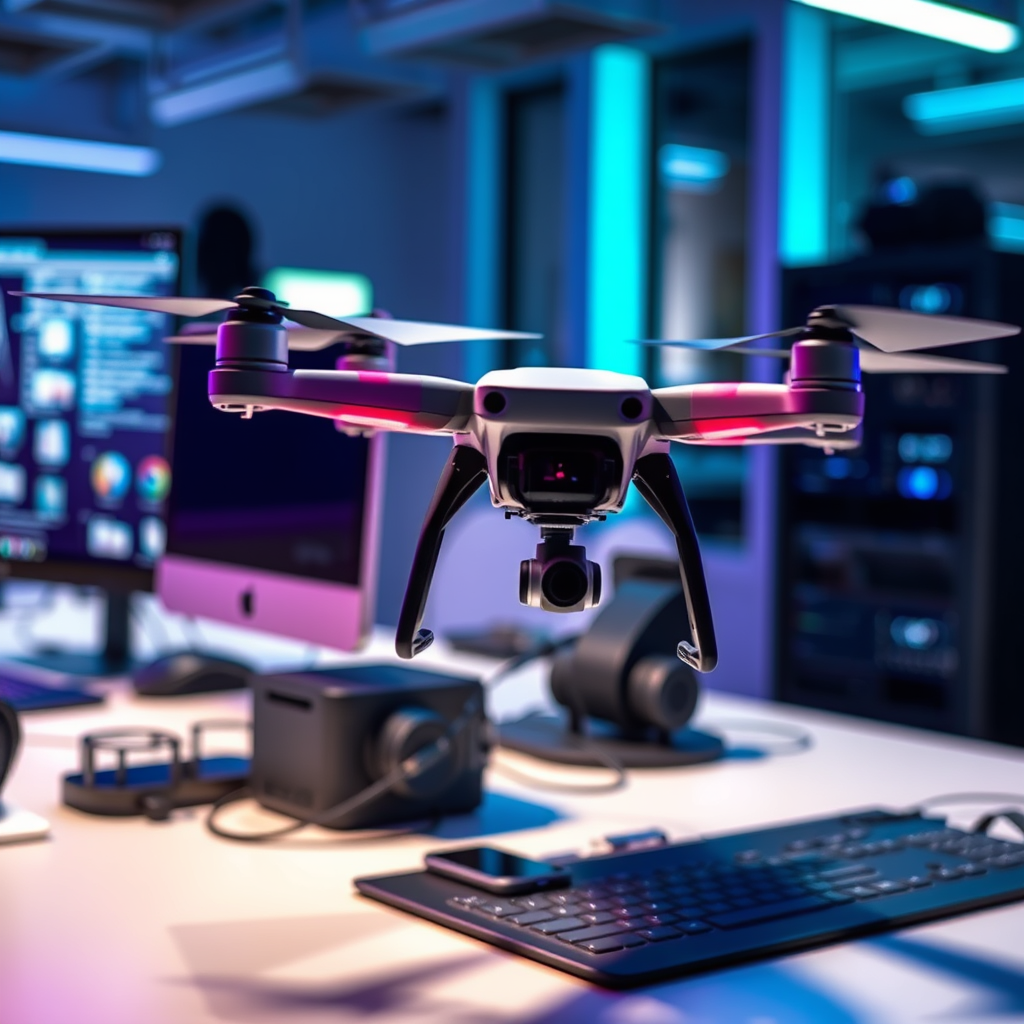
FAA Rules and Federal Enforcement
Shooting at a drone can be viewed as an attempt to destroy or interfere with an aircraft. That interference may lead to federal charges, including serious penalties under aviation safety laws. Even if the drone appears small or “low,” it can still be operating within controlled airspace or in areas where regulations apply.
In many cases, the FAA’s enforcement focus is not limited to “commercial” drones. Consumer drones also count as aircraft, meaning that unauthorized or aggressive actions against them can still be treated as unlawful interference.
State Property and Vandalism Liability
Beyond federal aviation rules, shooting down a drone often constitutes property damage. Drones are typically owned by individuals, businesses, or public contractors, and destroying one can be treated as vandalism or willful destruction.
Many states also impose civil liability for damaging someone else’s property. For example, California has clear legal exposure for those who cause damage to a drone, which can require compensation to the drone owner for repair or replacement costs. This means that even if you believe the drone was trespassing, the act of shooting it can create liability for you.
Safety Risks Involved in Shooting or Striking Drones
The second major concern is safety. Shooting down a drone is inherently unpredictable. Even if you aim for the drone itself, the consequences can extend far beyond your target.
Uncontrolled Firearms and Projectile Travel
Using firearms or other projectiles to stop a drone introduces real risk of collateral harm. Bullets fired into the air can travel unexpectedly—potentially striking bystanders, hitting vehicles, or entering buildings. In dense residential areas, the odds of unintended impact increase significantly.
Additionally, stray impacts can start fires or damage essential infrastructure, especially in neighborhoods with vehicles, dry vegetation, or flammable building materials.
Unpredictable Drone Crashes and Debris
If a drone is hit, it may fall in an uncontrolled manner. The drone’s batteries, motors, propellers, and structural components can break apart during impact. Falling debris can cause injuries to pedestrians and property damage to cars, windows, and landscaping.
In real-world incidents, drones that were struck or malfunctioned have crashed into public areas, creating injury risks and raising serious concerns about public safety. An example often discussed in safety conversations involved a drone crash in a crowded park scenario in 2018, where people were hurt after a drone incident drew attention to the dangers of unpredictable crashes.
Technical Challenges of Targeting Drones
Even when someone intends to prevent a drone from flying, shooting down a drone is technically difficult and unreliable. Drones can be fast, agile, and hard to track, which makes “hitting the target” much less straightforward than it appears.
Speed, Altitude, and Maneuvering
Drones may operate at various altitudes and speeds depending on the model and mission. Many consumer drones can execute rapid directional changes, hover while adjusting position, and navigate around obstacles using sensors and automated flight systems.
As a result, attempts to shoot down a drone often miss entirely or only partially disable it, which can still lead to a crash—without actually eliminating the risk.
Navigation Systems and Obstacle Avoidance
Modern drones frequently include advanced navigation systems and obstacle-avoidance features. These systems can help the drone maintain stability, detect nearby objects, and adjust flight paths in real time. That agility makes direct targeting impractical, increasing the likelihood of unintended consequences.
Safer, Lawful Alternatives When You Encounter an Unwanted Drone
If you’re concerned about an unauthorized drone, the safest response usually involves lawful actions rather than force. Document what you observe—such as time, location, flight path, and any identifying markings—and report the incident to the appropriate authorities.
In many situations, contacting local law enforcement or using FAA-related reporting channels (when applicable) provides a way to address the issue without endangering bystanders. If the drone is interfering with emergency operations, critical infrastructure, or restricted areas, reporting quickly is especially important.
In other words, you may not be able to “shoot it down,” but you can take effective steps to protect safety and support lawful enforcement.
📋 About This Article
This article explains why you generally can’t shoot down a drone safely or legally, even if it seems to be flying improperly. It’s for everyday people—like homeowners, business owners, and anyone concerned about drones in their area—who want to know the right way to respond. You’ll learn the main safety risks, the key legal implications, and safer next steps such as documenting what you see and reporting it to the proper authorities.
Frequently Asked Questions
Is it illegal to shoot down a drone?
In many places, shooting down a drone is illegal or heavily restricted, even if the drone appears unsafe. The main reasons are that unauthorized firearms use can endanger people and property on the ground, and because aviation and property laws often prohibit interfering with aircraft—including small unmanned aircraft. In the United States, for example, the FAA generally restricts how you may interact with aircraft, and local laws may also apply to violence, reckless endangerment, and damage to property. Even when a drone is suspected to be a threat, the safest and most legally compliant approach is usually to contact local authorities or the appropriate aviation/security agency rather than taking direct action yourself.
Why is shooting down a drone dangerous for bystanders?
Shooting down a drone can create immediate, uncontrolled hazards. Even if you hit the drone, it may fall unpredictably, potentially onto pedestrians, vehicles, roofs, or windows. Drone propulsion and battery systems are also relevant: many drones carry lithium batteries that can spark, overheat, or ignite when damaged. Additionally, stray rounds can miss the target and cause collateral harm. Because drones are small and fast-moving, targeting is difficult, and the risk increases in crowded areas, near roads, or during poor visibility. The bottom line is that the safest outcome is usually to prevent escalation and involve trained responders who can assess risk and use controlled methods.
Can’t I just shoot it down if it’s near my property or privacy?
Even if you believe a drone is trespassing or recording you, shooting it down is not the safe or appropriate first step. “Privacy” or “suspicion” does not automatically make force lawful. A drone could be operated by a neighbor, a contractor, a hobbyist, or an approved service flight—and mistaken identity is common. Shooting it down can still cause injury, property damage, and legal consequences. Safer alternatives include documenting the incident (time, location, flight path, and any identifying details), contacting local law enforcement or a designated drone-reporting channel, and using non-destructive measures where permitted (for example, improving privacy with curtains/shades). Authorities can investigate, locate the operator, and determine whether any legal thresholds were crossed.
What if the drone is being used for wrongdoing—does that justify shooting?
While intent and context matter, many systems are designed to avoid “unknown threat” situations where civilians might respond with lethal force. Authorities generally evaluate whether there is an imminent threat to life, whether interception methods are available, and what the risk to the public would be. A drone could be near an airport or emergency operations, it could be malfunctioning rather than malicious, or it could be carrying payloads you’re not aware of. Because of these uncertainties, shooting down a drone can worsen the situation by causing injury, scattering debris, or triggering fire hazards. Trained response teams typically use procedures and tools that prioritize public safety and legal compliance.
What are safer and more effective ways to handle an unsafe or suspicious drone?
The safest approach is usually to avoid confrontation and let professionals handle it. Practical steps include:
- Do not shoot or tamper with the drone—avoid escalation and the risk of injury or legal trouble.
- Move people to safety if you believe there is immediate danger (for example, near a road, crowd, or critical facility).
- Contact local law enforcement or the appropriate aviation/security authority and provide clear details: location, altitude (if known), direction of travel, time, and any video or photos you can capture safely.
- Document responsibly (from a safe distance). If you can, note visual identifiers like color, markings, or unique lights.
- Watch for official instructions and follow any local guidance for drone incidents.
- Improve prevention for recurring issues—such as signage, lighting adjustments, or privacy measures—while still avoiding direct interference.
These actions help authorities assess risk and respond effectively without creating additional hazards for bystanders.
