

The Wingtra One Gen II outperforms the Anzu Raptor V in mapping capabilities, especially with its impressive 10km LTE range compared to the Raptor’s 7km NDAA compliance. This article will delve into the specifications, performance, and applications of both drones, assisting you in determining which device best suits your mapping needs. With advancements in drone technology, both models offer unique features that cater to different industries and operational requirements.
Overview of Wingtra One Gen II

The Wingtra One Gen II is designed for high-performance mapping, boasting a robust 10km LTE connectivity that enables real-time data transmission. This feature is particularly beneficial for projects that require immediate access to aerial data, allowing users to make timely decisions based on the latest information. The drone is equipped with advanced mapping technology that provides high-resolution imagery and precise georeferencing, ensuring that data collected is not only accurate but also of the highest quality. The vertical take-off and landing (VTOL) capability of the Wingtra One Gen II further enhances its versatility, enabling it to operate in various environments, from dense urban areas to expansive rural landscapes.
Overview of Anzu Raptor V
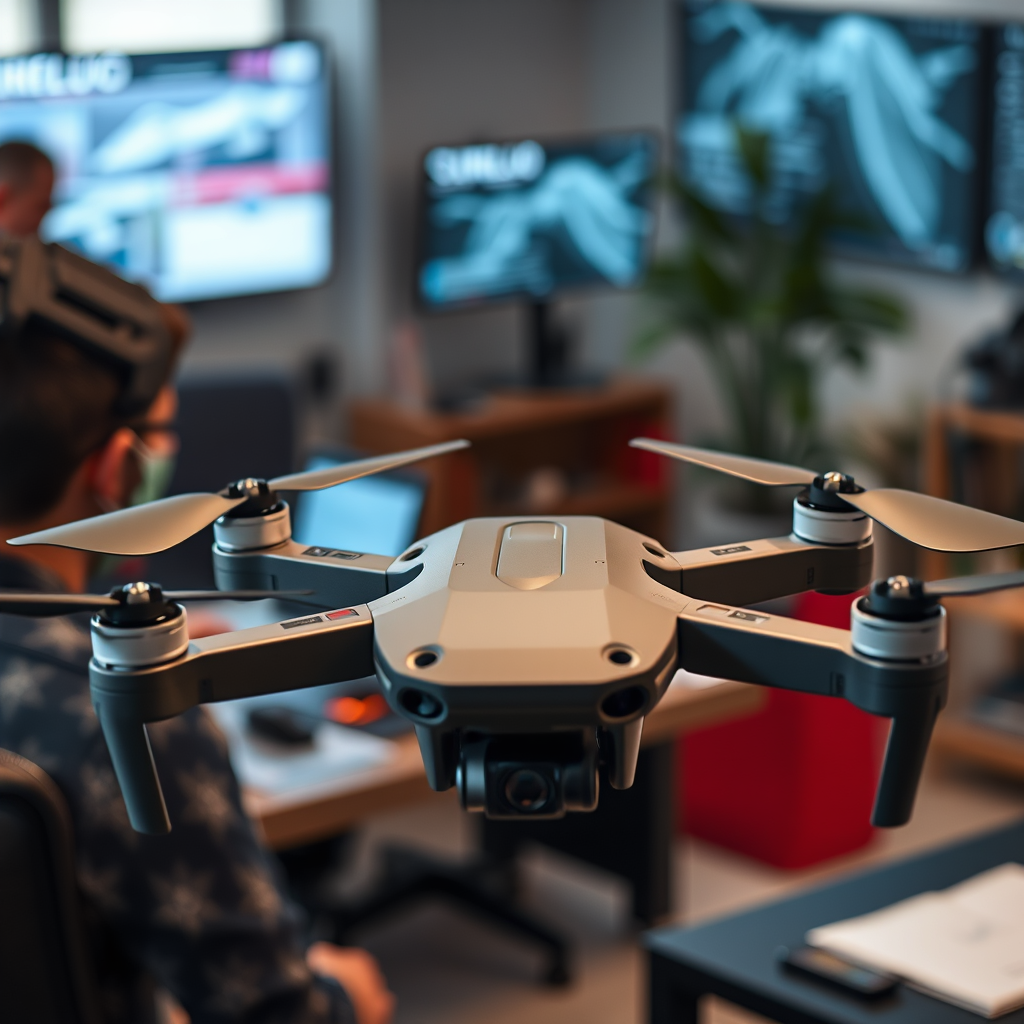
The Anzu Raptor V is engineered with efficiency in mind, featuring 7km NDAA compliance, which makes it particularly suitable for government and defense projects where regulatory adherence is paramount. This compliance ensures that the drone meets the necessary national security requirements, making it a trusted choice for sensitive mapping operations. The Raptor V offers unique flight capabilities tailored for specific scenarios, such as low-altitude aerial surveys and rapid deployment in emergency situations. Additionally, its user-friendly interface and robust build quality make it an appealing option for operators seeking a reliable mapping solution.
Key Performance Metrics
When comparing the Wingtra One Gen II and the Anzu Raptor V, several key performance metrics come into play, including flight time, payload capacity, and battery life. The Wingtra One Gen II typically offers a flight time of up to 59 minutes, allowing for extensive mapping sessions without the need for frequent battery changes. In contrast, the Anzu Raptor V has a slightly shorter flight time of around 45 minutes due to its different operational design.
In terms of payload capacity, the Wingtra One Gen II can carry up to 1.5 kg, supporting a range of mapping sensors and cameras. Meanwhile, the Anzu Raptor V has a payload capacity of approximately 1 kg, which is still sufficient for many mapping applications but may limit users looking to deploy heavier equipment. The impact of LTE versus NDAA compliance is also notable; while the Wingtra’s LTE connectivity provides seamless data transfer over longer distances, the Anzu Raptor V’s NDAA compliance ensures that it can be used in sensitive areas without regulatory concerns.
Mapping Applications and Use Cases
Both drones excel in different mapping environments, catering to a wide array of industries. The Wingtra One Gen II is particularly advantageous in urban settings where real-time data streaming is essential for infrastructure monitoring, construction projects, and environmental assessments. Its high-resolution imagery and precise georeferencing capabilities make it ideal for creating detailed maps that support urban planning and development.
Conversely, the Anzu Raptor V shines in rural and remote areas, where its NDAA compliance allows government agencies to conduct mapping in sensitive zones without running afoul of legal restrictions. The Raptor V is well-suited for applications in agriculture, enabling farmers to assess crop health and optimize resource usage. Additionally, its quick deployment capabilities make it a valuable tool during natural disasters for assessing damage and coordinating relief efforts.
Cost Analysis and Value Proposition
Understanding the cost structure of both drones is crucial for potential buyers. The Wingtra One Gen II typically retails for a higher price point, reflecting its advanced technology and capabilities. Additional costs may include software subscriptions for data processing and analysis, along with accessories such as extra batteries and specialized sensors. However, the long-term value derived from its superior mapping capabilities often justifies the initial investment.
The Anzu Raptor V is generally more affordable, making it an attractive option for organizations with limited budgets. However, buyers should consider the potential costs associated with NDAA compliance and any required upgrades or additional software. Analyzing the long-term ROI based on the specific applications and operational efficiency of each drone is essential to determine which model offers the best value for your needs.
User Experiences and Reviews
Feedback from operators and industry experts highlights the strengths and weaknesses of both models. Users of the Wingtra One Gen II frequently commend its ease of use, high-quality imagery, and reliability in various mapping scenarios. Many have reported successful projects in urban environments, citing the drone’s ability to cover large areas efficiently.
On the other hand, the Anzu Raptor V has received praise for its compliance with NDAA regulations, which is a significant factor for government contractors. Users also appreciate its flight stability and responsiveness, although some have noted limitations in payload capacity and flight time compared to the Wingtra One Gen II. Overall, both drones have their advocates, but the choice often comes down to specific operational needs and regulatory considerations.
Final Considerations for Buyers
To assist potential buyers in making an informed decision, a side-by-side comparison chart can provide a quick reference:
| Feature | Wingtra One Gen II | Anzu Raptor V |
|——————————|—————————|—————————|
| Connectivity | 10km LTE | 7km NDAA |
| Flight Time | Up to 59 minutes | Up to 45 minutes |
| Payload Capacity | 1.5 kg | 1 kg |
| Mapping Resolution | High-resolution imagery | Standard-resolution imagery|
| Ideal for | Urban and infrastructure | Government and agriculture |
When selecting the right drone for your mapping needs, consider factors such as the specific environment in which you will operate, regulatory compliance requirements, and the types of data you need to collect. Each drone has its strengths, so aligning your choice with your project goals is essential.
Summarizing the key features and performance of the Wingtra One Gen II and Anzu Raptor V helps potential buyers make informed decisions based on their mapping requirements. Whether you prioritize long-range connectivity or compliance with NDAA regulations, understanding these differences is crucial. Explore your options, evaluate your specific needs, and choose the drone that aligns best with your mapping projects.
Frequently Asked Questions
What are the key differences between the Wingtra One Gen II and the Anzu Raptor V in terms of mapping capabilities?
The Wingtra One Gen II offers a robust 10km LTE connection, allowing for extended range and efficient data transfer during mapping missions. In contrast, the Anzu Raptor V operates on a 7km NDAA-compliant system, which may limit its operational range but ensures compliance with U.S. Department of Defense regulations. These differences can significantly impact the choice of drone based on the specific mapping needs and regulatory environments of users.
How does the mapping accuracy of Wingtra One Gen II compare to that of the Anzu Raptor V?
Both the Wingtra One Gen II and Anzu Raptor V are designed for high-precision mapping, but the Wingtra One Gen II is renowned for its vertical take-off and landing (VTOL) capabilities, which enhance its stability and accuracy in various conditions. The Anzu Raptor V also provides impressive mapping accuracy but may have limitations due to its shorter range and NDAA-compliant technology. Users should consider the specific use cases and environments in which they will operate these drones to determine which offers superior accuracy for their needs.
Why is the NDAA compliance important when choosing between these drones?
NDAA compliance is crucial for organizations working with the U.S. government or military sectors, as it restricts the use of certain technologies deemed a security risk. The Anzu Raptor V is NDAA-compliant, making it suitable for government projects where adherence to these regulations is mandatory. On the other hand, the Wingtra One Gen II, while not NDAA-compliant, offers broader operational flexibility for commercial applications. Understanding the importance of compliance can help users select the right drone based on their operational requirements.
Which drone is better for large-scale mapping projects, Wingtra One Gen II or Anzu Raptor V?
For large-scale mapping projects, the Wingtra One Gen II is often considered the better choice due to its longer 10km LTE range, allowing it to cover expansive areas efficiently without losing connectivity. Its advanced flight planning and automated data capture features contribute to a streamlined workflow, making it ideal for extensive land surveys. However, if compliance with NDAA regulations is a priority, the Anzu Raptor V could still be a viable option, albeit with some limitations in range and coverage.
How do the flight times of the Wingtra One Gen II and Anzu Raptor V compare?
The Wingtra One Gen II boasts an impressive flight time of up to 59 minutes, which is advantageous for larger mapping missions as it allows for greater coverage on a single charge. In contrast, the Anzu Raptor V typically offers a flight time of around 45 minutes, which may be sufficient for smaller projects but could necessitate more frequent battery changes during extensive surveys. Users should consider their project size and the need for uninterrupted operation when evaluating flight times between these two drones.
References
- Robotic mapping
- https://www.nist.gov/news-events/news/2021/06/how-drones-are-changing-mapping-and-data-collection
- https://www.reuters.com/technology/drone-sales-surge-amid-global-supply-chain-issues-2021-09-23/
- https://www.sciencedirect.com/science/article/pii/S0924271621000541
- Insect Target Classes Discerned from Entomological Radar Data
- https://www.abc.net.au/news/2021-06-10/drone-mapping-future-of-agriculture/100205642
- https://www.geospatialworld.net/blogs/the-future-of-drone-mapping-and-its-impacts/
- https://www.gao.gov/products/gao-21-100092
- https://www.americanprogress.org/article/drone-technology-privacy-issues/
