
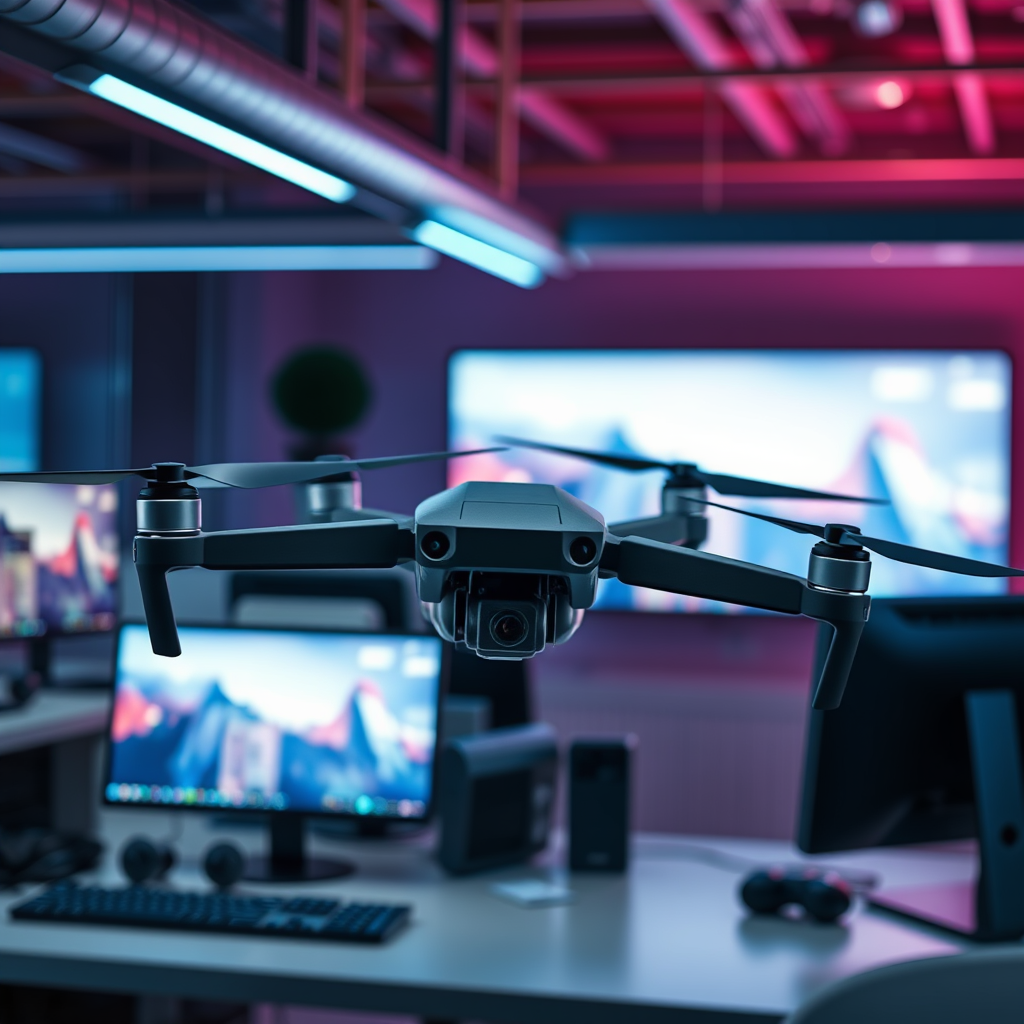
The Yuneec Typhoon H3 and Anzu Raptor V are both exceptional drones, each boasting a 7km range but designed for different applications and regulatory environments. The Typhoon H3 excels in delivering high-quality video transmission with its advanced DataLink technology, while the Raptor V is tailored for government and enterprise use, ensuring compliance with the NDAA. This article will delve into the vital differences and similarities between these two models, particularly emphasizing their data transmission capabilities and gimbal technology, allowing you to make a well-informed decision based on your specific needs.
Overview of the Yuneec Typhoon H3
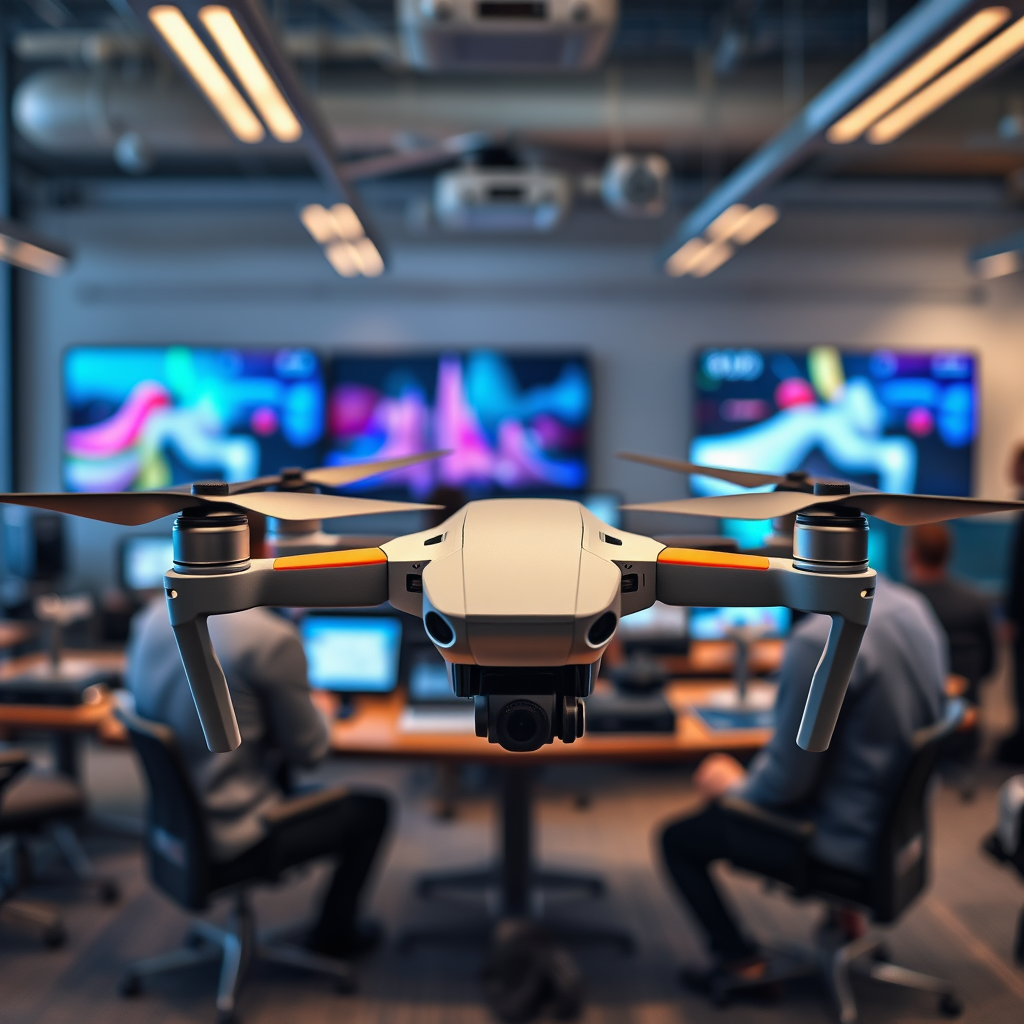
The Yuneec Typhoon H3 is engineered with a robust 7km DataLink system, offering seamless transmission of high-definition video and telemetry data over long distances. This feature is particularly beneficial for filmmakers and aerial photographers who require real-time feedback while capturing stunning visuals. The Typhoon H3 is equipped with a premium 360-degree gimbal, ensuring that the camera remains stable and focused regardless of the drone’s movement. This gimbal technology is designed to minimize vibrations and jerks, allowing for smooth shots that are essential for professional-quality footage.
The drone’s camera system captures 4K video at 60 frames per second, providing rich detail and clarity. Additionally, the Typhoon H3 supports a variety of shooting modes, including follow-me and waypoint navigation, making it versatile for different filming scenarios. With its high-quality construction and user-friendly controls, the Typhoon H3 is a solid choice for both enthusiasts and professionals seeking reliability and performance.
Overview of the Anzu Raptor V
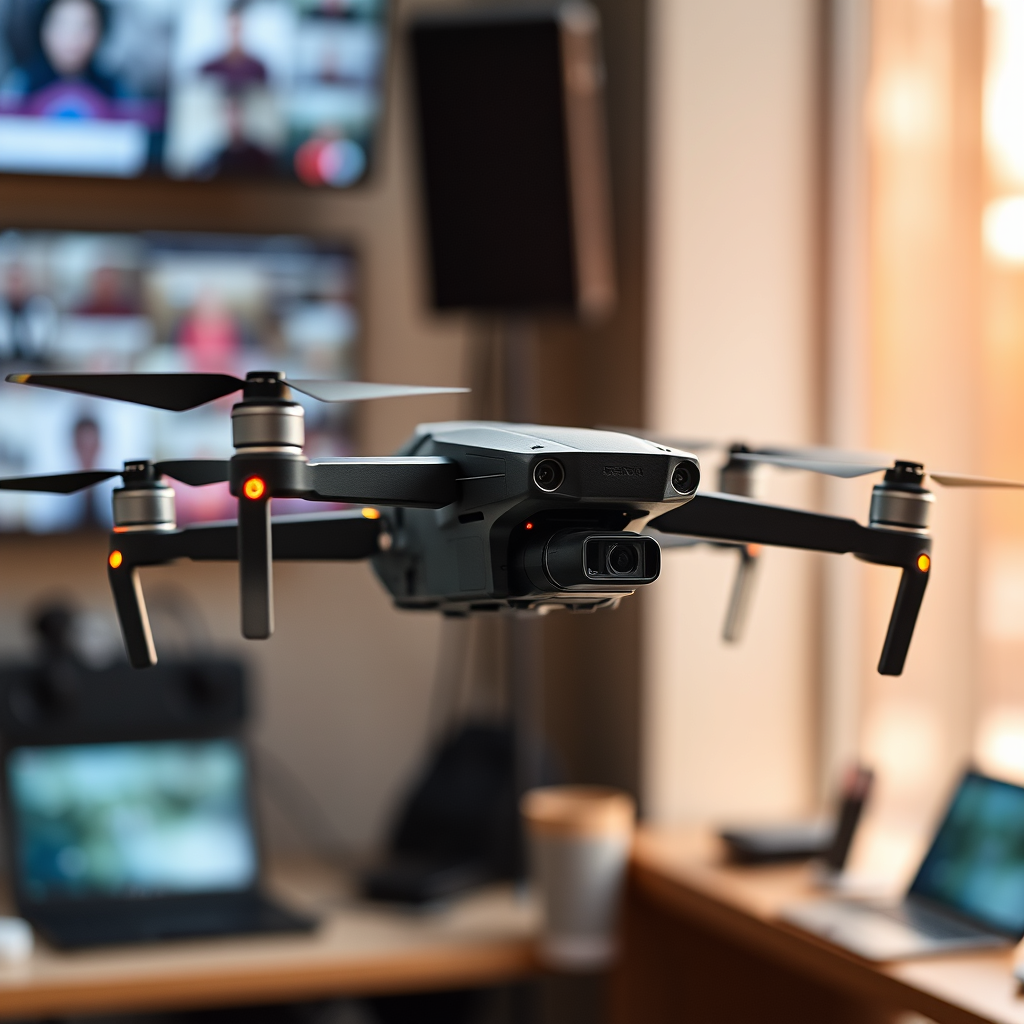
On the other hand, the Anzu Raptor V is a drone specifically designed with a 7km NDAA-compliant architecture, making it an excellent choice for government contractors and organizations that require adherence to strict security regulations. This compliance ensures that the drone’s components and software meet the necessary criteria for use in sensitive operations, providing peace of mind for users concerned about data security.
The Raptor V is equipped with an advanced 360-degree gimbal, which is designed to enhance versatility in capturing diverse shooting angles. This gimbal optimally balances the camera during flight, providing smooth transitions and the ability to execute complex maneuvers. Additionally, the Anzu Raptor V excels in environments where security and compliance are paramount, offering a reliable solution for governmental and industrial applications. Its rugged design further enhances its suitability for various operational conditions.
DataLink vs. NDAA Compliance
The DataLink technology utilized by the Yuneec Typhoon H3 is engineered for uninterrupted communication, leveraging advanced algorithms to maintain a stable connection even amidst potential interference. This capability is crucial for aerial photography and videography, where consistent video feed is essential for framing and capturing the perfect shot. The DataLink system ensures that users can operate the drone confidently, knowing that their control signals and video feeds remain intact up to the maximum range of 7km.
Conversely, the NDAA compliance of the Anzu Raptor V is specifically designed to meet the rigorous standards set forth for government use. This compliance not only provides assurance regarding the security of the drone’s hardware and software but also ensures that users can operate in environments where data integrity is vital. The Raptor V’s design incorporates measures that prevent unauthorized data access, making it an ideal choice for military, law enforcement, and other governmental operations. Thus, while both drones feature a 7km range, their underlying technologies cater to distinct user needs—creative professionals versus regulatory-compliant operations.
Gimbal Technology Comparison
When it comes to gimbal technology, the Yuneec Typhoon H3 stands out for its stability and precision in aerial photography. The gimbal is designed to counteract the drone’s movements, ensuring that the camera remains level and steady during flight. This quality is particularly important for cinematographers and photographers who rely on crisp, clear footage without distortion. The Typhoon H3’s gimbal also supports multiple camera mounting options, allowing users to choose the best lens for their shooting requirements.
In contrast, the Anzu Raptor V’s gimbal offers a unique versatility that caters to a wider range of filming needs. Its design allows for rapid adjustments and various shooting angles, making it suitable for dynamic filming situations. Whether capturing fast-moving subjects or executing complex aerial maneuvers, the Raptor V’s gimbal can adapt to the moment, enhancing creative possibilities. The ability to quickly switch between different orientations adds a layer of flexibility for users who need to capture a variety of scenes in a single flight.
Flight Performance and Range
Both the Yuneec Typhoon H3 and Anzu Raptor V are capable of impressive flight performance over their 7km range. In real-world conditions, the Typhoon H3 demonstrates exceptional stability and reliability, even in moderate winds, making it suitable for extended aerial sessions. Users report consistent battery life, allowing for approximately 25 minutes of flight time under optimal conditions. The drone’s performance is further enhanced by its GPS-assisted navigation, ensuring accurate positioning and return-to-home functionality.
The Anzu Raptor V, while also capable of reaching the 7km threshold, is engineered to operate effectively in challenging environments, including urban settings where obstructions may affect signal transmission. Its flight stability is bolstered by intelligent flight modes that adjust to environmental factors, ensuring a smooth operation. Battery life is comparable, making it possible for users to complete their missions without frequent interruptions. Both drones offer compelling flight performance, but their unique designs cater to different operational needs.
User Experience and Ease of Use
Evaluating user experience, the Yuneec Typhoon H3 features an intuitive interface that is accessible to both novice and experienced pilots. The control system is designed for ease of use, with a responsive remote controller that provides immediate feedback. Additionally, the included mobile app enhances the user experience by offering real-time telemetry data, camera controls, and access to various flight modes. New users will appreciate the guided tutorials that assist in mastering the drone’s features quickly.
In contrast, the Anzu Raptor V is designed with professional users in mind, offering advanced features that may present a steeper learning curve for beginners. However, once mastered, these features allow for a high degree of customization and control, making it an exceptional tool for experienced operators. The drone’s interface also integrates seamlessly with existing systems used by government agencies, facilitating a smoother transition for users familiar with similar technologies. Overall, both drones provide user-friendly experiences but cater to different levels of expertise and operational requirements.
Pricing and Value for Money
When analyzing pricing, the Yuneec Typhoon H3 typically retails at a competitive price point for its feature set, providing excellent value for photographers and videographers looking for a reliable drone that delivers high-quality imagery. The investment is justified by its robust construction, impressive gimbal technology, and advanced DataLink capabilities, making it a worthwhile consideration for those serious about aerial imaging.
On the other hand, the Anzu Raptor V, with its NDAA compliance, is generally priced higher due to the specialized features and security measures embedded in its design. This pricing reflects the drone’s suitability for government and enterprise use, where adherence to regulatory standards is non-negotiable. For organizations requiring compliance with federal guidelines, the Raptor V offers long-term value by ensuring that they can operate within legal frameworks while enjoying the benefits of advanced drone technology.
Both drones possess distinct value propositions based on their intended use, and potential buyers should consider their specific needs and budget when making a decision.
The Yuneec Typhoon H3 and Anzu Raptor V present unique advantages tailored to different users. By examining their data transmission capabilities, gimbal technology, and overall performance, you can decide which drone fits your needs best. Whether you’re a hobbyist or a professional, understanding these differences will help you make a smart purchase. Ultimately, the right choice will depend on your operational requirements, regulatory considerations, and the specific features that matter most to you.
Frequently Asked Questions
What are the main differences between the Yuneec Typhoon H3 and the Anzu Raptor V?
The Yuneec Typhoon H3 is known for its advanced photography capabilities, featuring a 4K camera and a 360-degree gimbal that allows for smooth aerial shots. In contrast, the Anzu Raptor V, while also capable of high-quality imaging, emphasizes a longer flight range and enhanced data transmission with its 7km DataLink technology. Additionally, the Typhoon H3 is built for stability and ease of use, making it suitable for both amateurs and professionals, while the Raptor V targets users seeking extended operational range and durability in challenging environments.
How does the 7km DataLink of the Anzu Raptor V compare to the Yuneec Typhoon H3’s capabilities?
The 7km DataLink system in the Anzu Raptor V provides a robust connection for video transmission and control, ensuring that users can operate the drone at significant distances without losing signal quality. In contrast, the Yuneec Typhoon H3, while not specified with the same distance capabilities, offers reliable communication within a more limited range. Users looking for long-distance operations may prefer the Anzu Raptor V due to its superior range and reliability for data transmission.
Why is the NDAA compliance important when choosing between the Yuneec Typhoon H3 and the Anzu Raptor V?
The NDAA (National Defense Authorization Act) compliance is crucial for government and military use, as it restricts the purchase of certain foreign-made drones to protect national security. The Anzu Raptor V is designed to meet NDAA requirements, making it a safer choice for agencies needing compliant equipment. In contrast, the Yuneec Typhoon H3 may not meet these standards, which could limit its use in sensitive operations.
Which drone is better for aerial photography: Yuneec Typhoon H3 or Anzu Raptor V?
The Yuneec Typhoon H3 is generally considered superior for aerial photography due to its high-resolution camera and 360-degree gimbal that allows for dynamic shooting angles and stability. It is specifically designed for capturing high-quality images and videos, making it a favorite among photographers. While the Anzu Raptor V can also take quality shots, its primary focus on data transmission and operational range may not provide the same level of photographic capabilities as the Typhoon H3.
What should users consider when deciding between the Yuneec Typhoon H3 and Anzu Raptor V?
When choosing between the Yuneec Typhoon H3 and Anzu Raptor V, users should consider their specific needs, such as intended use, flight range, and compliance requirements. If high-quality aerial photography and videography are the priorities, the Typhoon H3 may be the better option. However, for those requiring longer flight distances and NDAA compliance for government or enterprise applications, the Anzu Raptor V could be more suitable. Additionally, factors like ease of use, battery life, and available features should also be taken into account for a well-rounded decision.
References
- https://en.wikipedia.org/wiki/Yuneec_Typhoon_H
- https://www.reuters.com/technology/yuneec-releases-new-typhoon-drone-with-360-degree-camera-2021-08-03/
- https://www.bbc.com/news/technology-54754000
- https://www.nytimes.com/2020/02/05/technology/drone-regulations.html
- https://www.sciencedirect.com/science/article/pii/S2352864819300565
- https://www.nist.gov/news-events/news/2019/05/researchers-explore-using-drones-collect-data-environmental-monitoring
- drone | TechCrunch
- Unmanned Aircraft Systems (UAS) | Federal Aviation Administration
- https://www.suasnews.com/2020/07/the-importance-of-drones-in-public-safety/
- https://www.dronepilotgroundschool.com/understanding-drone-data-links/
