
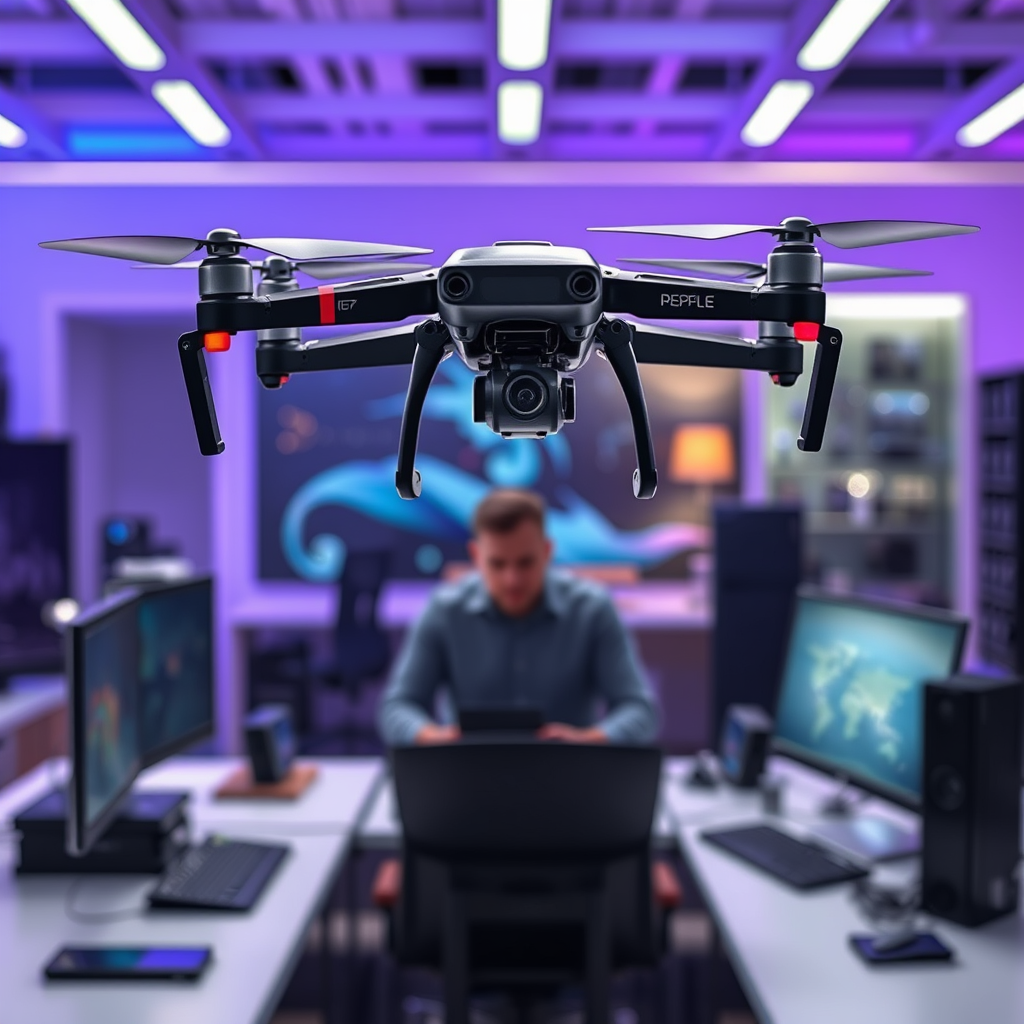
For filmmakers seeking to elevate their aerial cinematography, the Yuneec Typhoon H3 and Freefly Alta X are two top contenders that bring unique strengths to the table. The Typhoon H3 stands out with its impressive 7km DataLink range, allowing for extended flight and data transmission, while the Alta X provides a robust 5km radio control system that supports versatile payload options and high-performance flight capabilities. In this article, we will examine the key features, performance metrics, and cinematic advantages of both drones to help you make an informed decision for your filmmaking endeavors.
Overview of the Typhoon H3 and Alta X
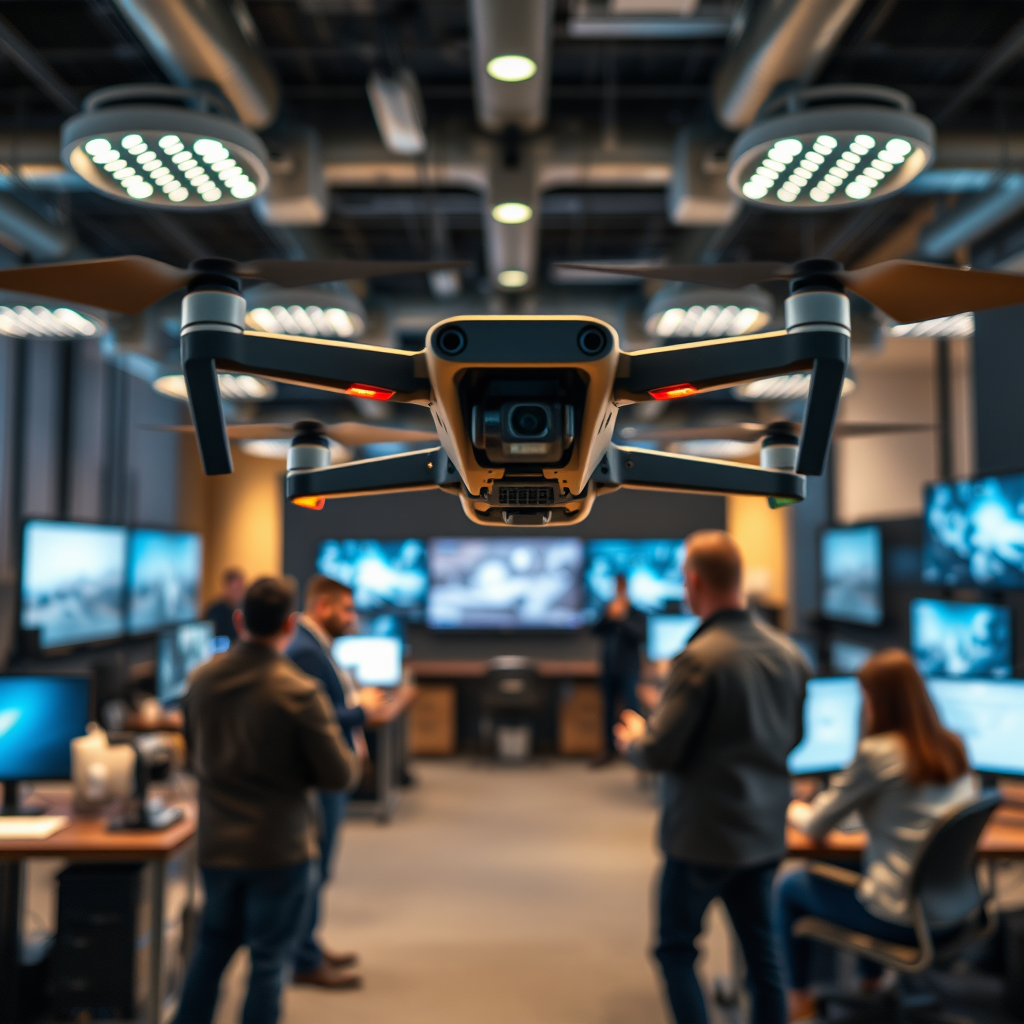
The Yuneec Typhoon H3 is designed with professional filmmakers in mind, featuring a 4K camera that captures stunning aerial footage with precision and clarity. This drone comes equipped with a six-rotor design, ensuring enhanced stability and reliability during flight. Additionally, it includes advanced features such as Smart Mode and Follow Me, making it easier for users to capture dynamic shots without extensive piloting experience. The Typhoon H3 also boasts an impressive flight time of up to 25 minutes, which is beneficial for extended shooting sessions.
On the other hand, the Freefly Alta X is built for versatility and performance, capable of carrying a wide range of professional cameras, including heavy cinema-grade options. Its modular design allows users to adapt the drone to various filmmaking needs quickly. The Alta X incorporates advanced flight control technology, which enables it to operate smoothly in challenging environments, making it a favorite among professional cinematographers who require reliability and flexibility in their equipment. With a maximum flight time of around 35 minutes, the Alta X can support longer shoots without the need for frequent battery changes.
DataLink vs. Radio Control Range
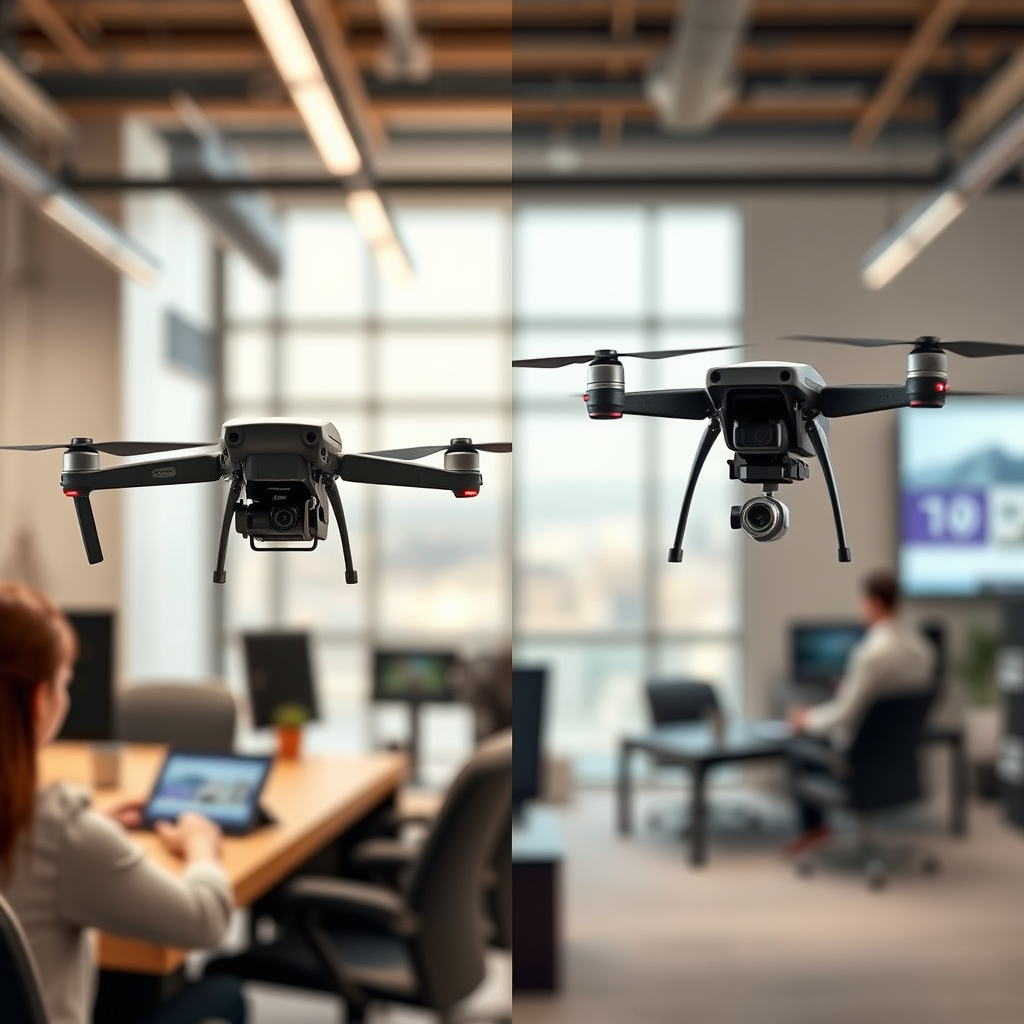
The Yuneec Typhoon H3’s standout feature is its 7km DataLink capability, which allows for seamless real-time video transmission and control over long distances. This extended range is particularly advantageous for filmmakers working on large sets or expansive outdoor locations, as it enables operators to maintain full control and capture high-quality footage without interruption. The DataLink system also ensures stable and clear video feed, which is critical for making precise adjustments while filming.
Conversely, the Freefly Alta X operates with a 5km radio control range, which, while shorter than the Typhoon H3, is still substantial for most filmmaking applications. The Alta X’s radio control system is designed to prioritize reliability and low latency, providing a solid connection even in challenging environments. This is particularly beneficial for professional filmmakers who may need to operate in urban settings or areas with potential interference. The 5km range is sufficient for most projects, but filmmakers requiring more distance may find the Typhoon H3’s capabilities more appealing.
Gimbal Technology: 360-Degree Filming
Gimbal technology is crucial for aerial cinematography, and the Typhoon H3 excels in this regard with its 3-axis gimbal stabilization. This advanced gimbal system allows for smooth, steady shots even in turbulent conditions, significantly reducing vibrations and ensuring professional-grade quality. The Typhoon H3’s gimbal supports 360-degree rotation, enabling filmmakers to capture dynamic, immersive shots from various angles without the need for drone repositioning.
In contrast, the Freefly Alta X can be equipped with a variety of gimbals, including the well-regarded MoVI Pro, which is known for its exceptional stabilization capabilities. This compatibility allows filmmakers to customize their setup based on the camera they choose to use, enhancing the cinematic quality of their shots. The Alta X’s gimbal technology supports creative flexibility, allowing operators to achieve smooth, cinematic movements that are essential for high-level productions.
Flight Performance and Stability
When it comes to flight performance, the Yuneec Typhoon H3 offers remarkable stability thanks to its six-rotor design. This configuration not only provides enhanced lift but also improves maneuverability, allowing the drone to perform well in various weather conditions. The Typhoon H3 is equipped with intelligent flight modes that assist in capturing complex shots, making it easier for operators to achieve professional results without extensive piloting skills.
The Freefly Alta X, however, is designed for high-performance applications, delivering exceptional stability and control. Its advanced flight control technology allows it to adapt to complex environments, such as windy conditions or tight spaces, providing filmmakers with the confidence to operate in challenging scenarios. The Alta X’s ability to carry heavy payloads while maintaining stability is particularly beneficial for those using high-end cinema cameras, ensuring that even the most demanding shoots can be executed smoothly.
Camera Quality and Payload Options
The camera system of the Yuneec Typhoon H3 is noteworthy, featuring a 20MP camera capable of shooting 4K video at 60fps. This camera, developed in partnership with Leica, ensures excellent color accuracy and image quality, making it ideal for capturing stunning aerial footage. The Typhoon H3’s integrated camera system is designed for ease of use, allowing filmmakers to focus on composition rather than technical setup.
In contrast, the Freefly Alta X offers unparalleled versatility in camera options. It can support a wide range of professional cameras, including DSLRs and cinema cameras such as the RED series and ARRI Alexa. This adaptability allows filmmakers to use the camera that best suits their project requirements, whether they are shooting high-resolution video or still photography. The Alta X’s payload capacity and compatibility with various gimbals further enhance its appeal for serious filmmakers who demand flexibility in their equipment.
Use Cases and Ideal Scenarios
The Yuneec Typhoon H3 is ideal for a variety of filmmaking scenarios, particularly those involving scenic landscapes or large events where prolonged flight and stable footage are essential. Its user-friendly interface and intelligent flight modes make it suitable for both novice and experienced pilots, allowing for creative shots without the steep learning curve often associated with professional drones. Projects such as weddings, real estate videos, and nature documentaries are well-suited for the Typhoon H3.
On the other hand, the Freefly Alta X shines in high-stakes, professional filmmaking environments where the ability to adapt to different cameras and payloads is paramount. Its design is particularly advantageous for filmmakers working on commercials, feature films, or high-budget projects where image quality and versatility are crucial. The Alta X’s ability to capture stunning cinematic shots while accommodating a range of camera systems makes it a go-to choice for professionals seeking to push the boundaries of aerial cinematography.
Pricing and Value Considerations
When considering price, the Yuneec Typhoon H3 typically retails for a lower entry point compared to the Freefly Alta X, making it more accessible for independent filmmakers and small production companies. Its comprehensive feature set—combined with the quality of the integrated camera—provides excellent value for those looking to produce high-quality aerial footage without breaking the bank.
The Freefly Alta X, while more expensive, justifies its price with its robust payload capacity, adaptability, and advanced technology. For professional cinematographers and production houses that require versatility and high performance, the investment in the Alta X can yield significant returns in terms of production quality and efficiency. Evaluating the specific requirements of your projects is crucial in determining which drone provides the best value for your needs.
Both the Yuneec Typhoon H3 and Freefly Alta X have their distinct advantages, making them suitable for various cinematic needs. The Typhoon H3 excels in terms of data transmission range and gimbal stabilization, while the Alta X offers unparalleled payload flexibility and overall flight performance. By assessing your specific requirements, budget, and filmmaking aspirations, you can choose the drone that best aligns with your creative vision. Exploring the specifications of each model will help you make an informed choice that will elevate your aerial cinematography to new heights.
Frequently Asked Questions
What are the main differences in flight range between the Yuneec Typhoon H3 and the Freefly Alta X?
The Yuneec Typhoon H3 boasts a flight range of up to 7 kilometers with its DataLink system, making it suitable for more expansive aerial projects. In contrast, the Freefly Alta X offers a 5-kilometer range with its radio control system. This difference in range can significantly impact the type of aerial cinematography you can achieve, especially for larger landscapes or extended shoots.
How does the camera quality of the Yuneec Typhoon H3 compare to that of the Freefly Alta X?
The Yuneec Typhoon H3 features a high-quality 20MP camera with a 4K resolution, designed for stunning aerial photography and videography. Meanwhile, the Freefly Alta X is compatible with various professional-grade cameras, allowing for enhanced customization based on the specific project needs. This flexibility can lead to superior image quality, depending on the camera choice, making Alta X a popular choice among professional filmmakers.
Why would a filmmaker choose the Freefly Alta X over the Yuneec Typhoon H3 for cinematic projects?
Filmmakers might prefer the Freefly Alta X due to its payload capacity and ability to carry larger professional cinema cameras, which can enhance production quality. Additionally, the Alta X’s advanced stabilization and customizable gimbal options provide more versatility for capturing dynamic shots, making it more suitable for high-end cinematic productions. Furthermore, the option to use various camera setups can be a decisive factor for professionals seeking specific visual styles.
What are the advantages of the Yuneec Typhoon H3’s DataLink system compared to the Freefly Alta X’s radio control?
The Yuneec Typhoon H3’s DataLink system offers enhanced communication and control over a longer distance, which can be crucial for complex aerial maneuvers and maintaining a stable connection in varied environments. This system allows for real-time video transmission and telemetry data, providing pilots with critical information during flight. In contrast, the Freefly Alta X’s radio control, while reliable, has a shorter range, which could limit operational capabilities in extensive shooting scenarios.
Which drone is better for beginners, the Yuneec Typhoon H3 or the Freefly Alta X?
For beginners, the Yuneec Typhoon H3 is generally considered more user-friendly due to its integrated features and intuitive controls. It offers automated flight modes and obstacle avoidance, which can simplify the learning curve for novice pilots. Conversely, the Freefly Alta X, while powerful and versatile, is more suited for those with prior drone experience or a specific need for professional-grade cinematographic capabilities, making it less ideal for newcomers to drone flying.
References
- https://en.wikipedia.org/wiki/Yuneec_Typhoon
- Freefly Systems
- https://www.theverge.com/2020/7/31/21348718/freefly-alta-x-drone-review-cinematography
- https://www.techradar.com/reviews/yuneec-typhoon-h3
- https://www.wired.com/story/freefly-alta-x-drone-review/
- https://www.cnet.com/news/yuneec-typhoon-h3-drone-review/
- https://www.droneblog.com/2020/01/17/yuneec-typhoon-h3-review/
