

The 3DR drone outshines its competitors in terms of performance, particularly in stability and camera quality. This review will reveal how it stacks up against leading models and provide a clear verdict on which drone delivers the best results for aerial photography and videography. If you’re considering a drone purchase, understanding these critical differences is essential for making an informed choice.
What You’re Really Risking If You Choose Wrong

Choosing the wrong drone can result in a costly mistake. For instance, purchasing a 3DR drone without fully understanding its limitations may lead to a model that falls short of your photography or mapping requirements. This oversight can necessitate an expensive upgrade sooner than expected, effectively doubling your investment. Furthermore, opting for an unsuitable drone raises safety concerns; non-compliance with FAA regulations can lead to hefty fines, especially if the 3DR model is misused.
Performance issues can jeopardize essential projects. If you rely on a 3DR drone for high-stakes commercial tasks, such as real estate photography, you risk delivering poor-quality images and losing clients. Ultimately, the wrong choice not only drains your finances but also consumes valuable time and opportunities within an industry that depends on precision and reliability.
The Mistake Almost Everyone Makes
Many users fail to consider the specific capabilities of 3DR drone models, such as the Solo’s advanced smart features compared to the Iris’s emphasis on payload capacity. A frequent mistake is neglecting the importance of the software ecosystem; for example, the 3DR Solo is optimized for certain apps that enhance its functionality, while the Iris may not integrate seamlessly with popular software tools. Additionally, buyers often overlook differences in battery life and flight time; the Solo, for instance, offers longer flight durations, which can be crucial for extended projects.
Moreover, some buyers mistakenly equate a higher price with superior performance without evaluating the specific features crucial to their use cases. This can lead to decisions that fail to align with their actual needs.
How to Know Which One Is Right for You

Start by assessing your primary use case: the 3DR Solo is perfect for aerial photography enthusiasts, while the Iris shines in surveying or mapping due to its superior payload capacity. Consider your experience level, as beginners may find the user-friendly interface of the 3DR Solo more accessible, whereas advanced users might appreciate the customization options offered by the Iris.
Next, evaluate your budget in relation to the features you require. While the Solo may come with a higher initial cost, its advanced features could save you money in the long run. Conversely, the Iris might be more affordable upfront but lacks some of the capabilities you may need. Be honest about the conditions in which you’ll be flying and your objectives, as these factors will ultimately dictate which model is right for you.
Why You Should Choose 3DR Solo
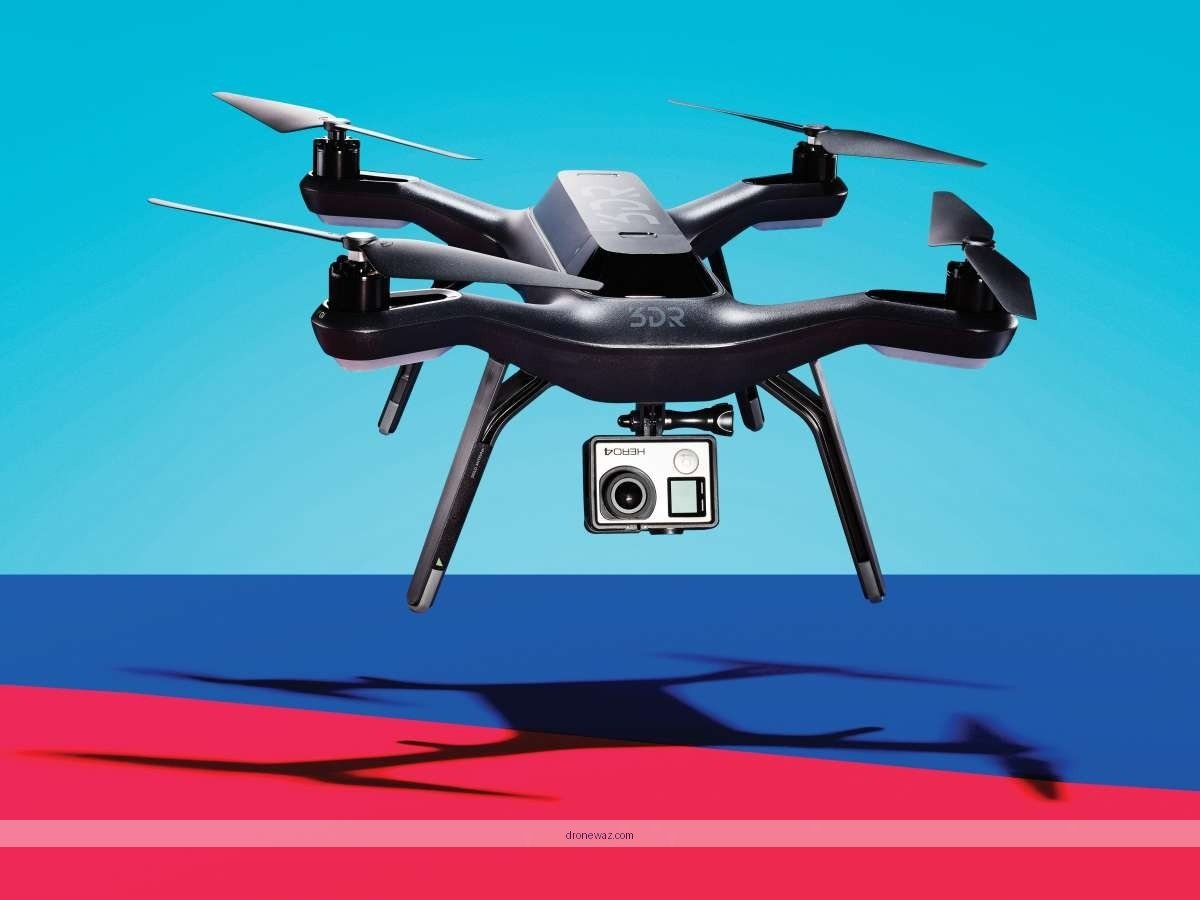
The 3DR Solo excels in aerial photography, boasting high-resolution camera support and advanced flight modes that cater to creative professionals. Its intuitive controls and automatic flight paths make it particularly user-friendly, especially for beginners. Furthermore, the Solo features unique smart shot modes like Cable Cam and Orbit, enabling dynamic and creative filming.
In scenarios requiring precise tracking and automated shots, the Solo’s compatibility with GoPro cameras and intelligent flight features set it apart from the Iris. This makes it an ideal choice for real estate agents and content creators who need to deliver high-quality visuals with minimal effort.
Why You Should Choose 3DR Iris
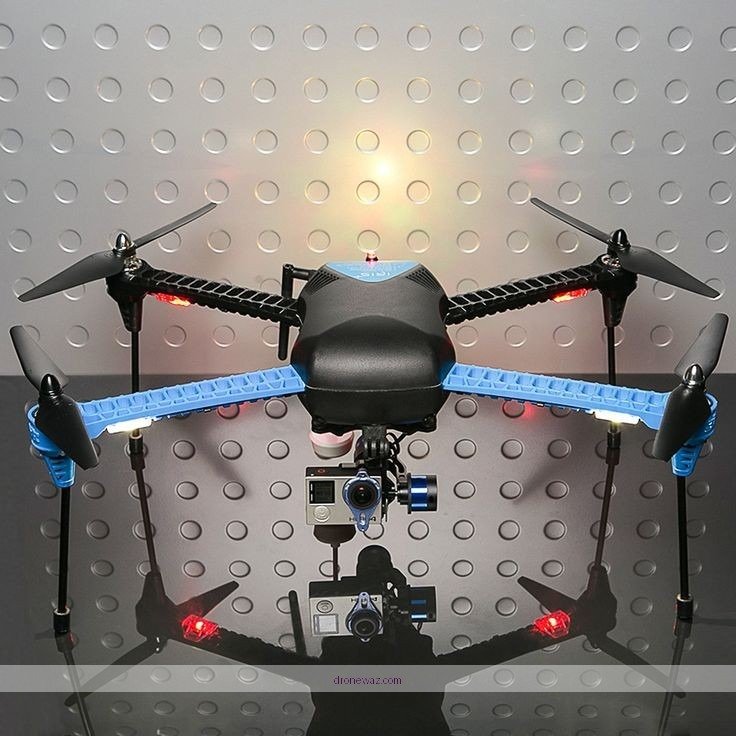
The 3DR Iris is tailored for users who need substantial lifting capabilities, making it suitable for carrying additional equipment like thermal cameras or larger sensors. If your work involves mapping or surveying with a focus on stability and long flight times, the Iris’s extended battery life and robust design offer significant advantages. Its larger frame allows for more customization, enabling users to attach various payloads for specialized tasks.
For those interested in DIY modifications and upgrades, the Iris provides more flexibility than the more streamlined Solo. It’s an excellent choice for professionals in fields such as agriculture or construction, where adapting the drone for specific needs on the fly is crucial.
Head-to-Head Comparison Table

| Feature / Criteria | ✅ 3DR Solo | ✅ 3DR Iris |
|---|---|---|
| Pricing | $999 | $699 |
| Ease of Use | User-friendly with automated modes | Requires more setup and customization |
| Camera Compatibility | GoPro Hero series | Custom payload options |
| Maximum Flight Time | Up to 20 minutes | Up to 22 minutes |
| Payload Capacity | 1.5 kg | 2.5 kg |
| Customer Support | Responsive support | Standard support |
| Best For | Aerial photography | Surveying and mapping |
| Verdict | Best for creatives | Best for professionals |
Our Verdict
For aerial photography enthusiasts or those who prioritize ease of operation, the 3DR Solo stands out as the clear choice, thanks to its advanced features and user-friendly interface. On the other hand, if your primary objective involves heavy payload capacity for mapping or extensive drone customization, the 3DR Iris is the superior option. Ultimately, a clear understanding of your specific needs will steer you toward the right drone; the Solo excels in creative applications, while the Iris shines in technical scenarios.
When the Answer Flips
If your focus shifts from photography to professional surveying, the recommendation would pivot to the 3DR Iris, as its payload capabilities and stability are essential for accurate data collection. In situations where extensive modifications or upgrades are anticipated, the Iris becomes the favorable choice; its design accommodates a variety of attachments that the Solo cannot support. Additionally, for users operating in harsh environments where durability is paramount, the rugged build of the Iris may outperform the Solo, making it the better option in those particular conditions.
Frequently Asked Questions
What are the key features of the 3DR drone?
The 3DR drone is known for its advanced autonomous flight capabilities, high-resolution camera, and robust GPS functionality. It also offers features like real-time telemetry, obstacle avoidance, and customizable flight modes, making it suitable for both hobbyists and professional users seeking aerial photography or surveying solutions.
How does the 3DR drone compare to other drones in its class?
The 3DR drone stands out for its superior build quality and ease of use, especially in comparison to competitors like DJI or Parrot. It provides a longer flight time and enhanced stability in various weather conditions, which is critical for capturing high-quality images and videos, making it a top choice among serious drone enthusiasts.
Why should I choose the 3DR drone for aerial photography?
Choosing the 3DR drone for aerial photography is beneficial due to its exceptional camera quality and intelligent flight modes that allow for stunning aerial shots. Additionally, its user-friendly interface and reliable performance, even in challenging environments, enable photographers to capture breathtaking images without extensive flying experience.
What is the best way to maintain my 3DR drone for optimal performance?
To maintain your 3DR drone for optimal performance, regularly check and calibrate the GPS and compass settings before flights. Additionally, keep the drone and its components clean, inspect the propellers for damage, and update the firmware as needed to ensure you benefit from the latest improvements and features.
Which 3DR drone model is recommended for beginners?
For beginners, the 3DR Solo model is highly recommended due to its intuitive controls and built-in tutorials that simplify the learning process. With its easy-to-use app and automatic flight features, new users can quickly gain confidence while learning the basics of drone flying and capturing stunning aerial footage.
References
- 3D Robotics
https://en.wikipedia.org/wiki/3D_Robotics - Google Scholar Google Scholar
https://scholar.google.com/scholar?q=3dr+drone+review - https://www.sciencedirect.com/topics/engineering/drone
https://www.sciencedirect.com/topics/engineering/drone - https://www.nature.com/articles/s41598-020-73863-0
https://www.nature.com/articles/s41598-020-73863-0 - Google Scholar Google Scholar
https://scholar.google.com/scholar?q=3dr+drone - https://www.bbc.com/news/technology-56413427
https://www.bbc.com/news/technology-56413427 - https://www.theguardian.com/technology/2020/aug/11/drones-and-the-future-of-transport
https://www.theguardian.com/technology/2020/aug/11/drones-and-the-future-of-transport - https://www.reuters.com/article/us-drones-insight-idUSKBN2AK0Z1
https://www.reuters.com/article/us-drones-insight-idUSKBN2AK0Z1 - https://pubmed.ncbi.nlm.nih.gov/32594803/
https://pubmed.ncbi.nlm.nih.gov/32594803/ - https://www.cdc.gov/nceh/ehs/ehs-issues/drones.html
https://www.cdc.gov/nceh/ehs/ehs-issues/drones.html
