
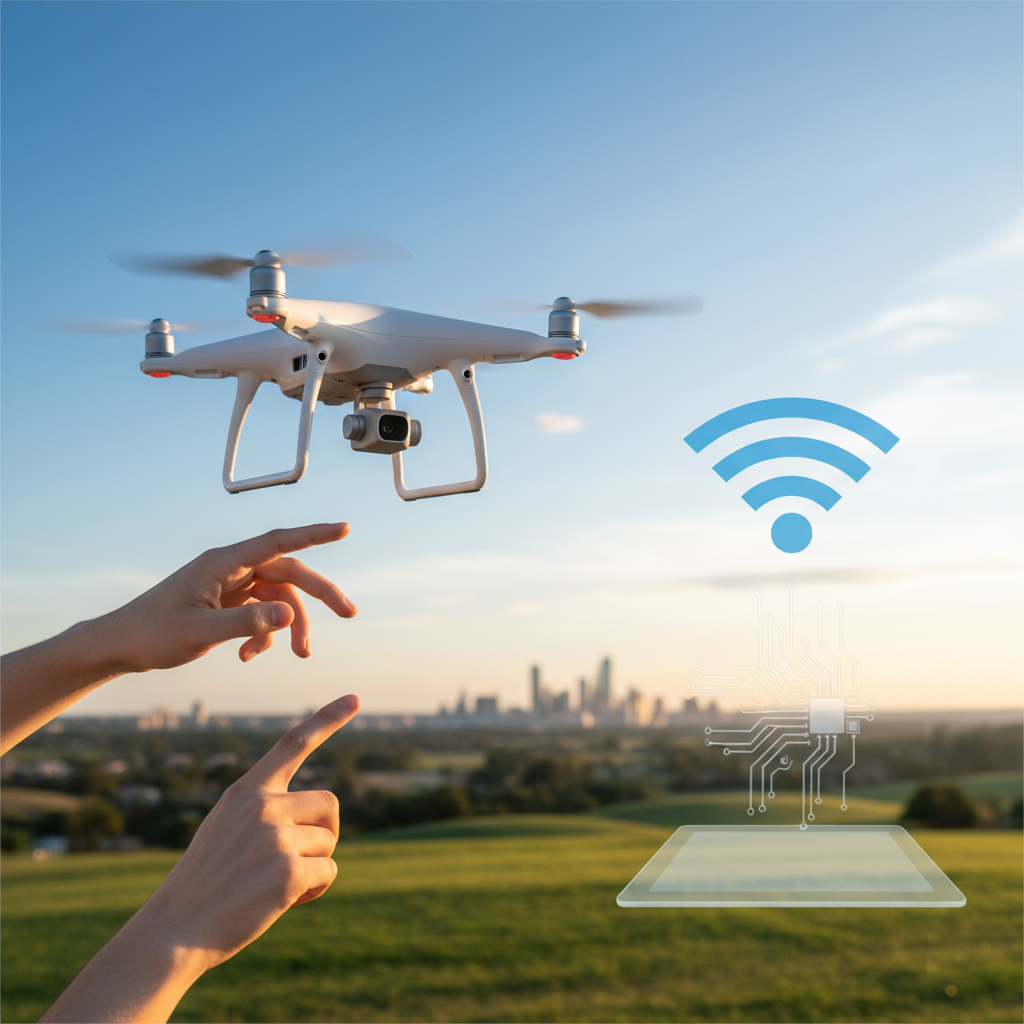
Yes, you can fly a DJI drone without a traditional controller by using alternative methods such as a smartphone app or other devices. However, these methods may come with limitations regarding range and functionality. As drone technology continues to evolve, DJI has integrated various features that allow for controller-free operation, providing users with flexibility in how they choose to pilot their drones. In this article, we will explore the various ways to operate a DJI drone without its standard controller and the pros and cons of each method.
Using a Smartphone App

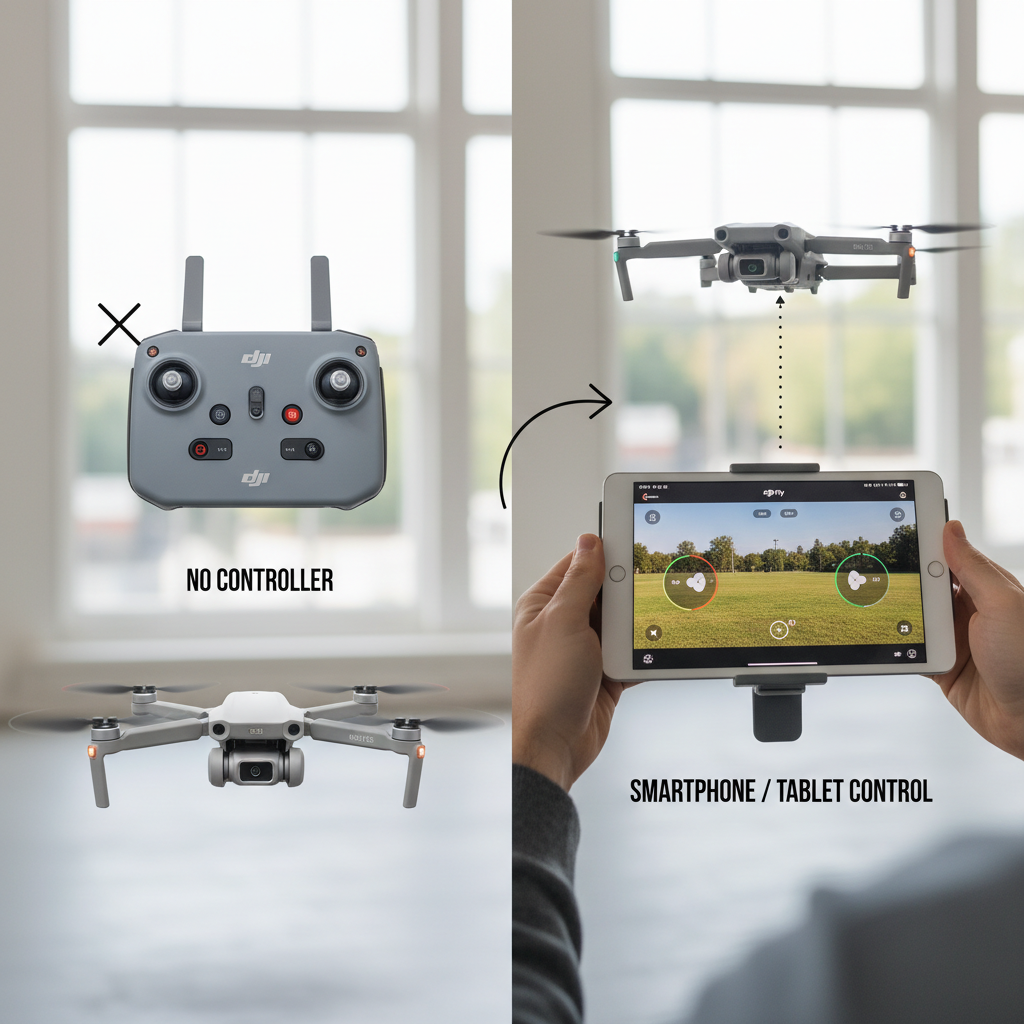
Most DJI drones come with a companion app, such as DJI GO 4 or DJI Fly, that enables control via a smartphone. This app is designed to facilitate various essential functions, including takeoff, landing, and basic flight maneuvers. Through the app, users can also access advanced camera settings, allowing for adjustments to exposure, white balance, and shooting modes.
The smartphone interface can be user-friendly, particularly for novice pilots who may find traditional controllers intimidating. Some apps even feature built-in tutorials and live video feeds, enhancing the flying experience. However, it is essential to keep in mind that operating a drone solely through a smartphone might limit precise control, especially in complex maneuvering situations. Additionally, the reliance on a mobile device introduces the risk of battery depletion, which can abruptly terminate a flight session.
Remote Control Alternatives
Some users opt for third-party remote controllers that can connect to DJI drones, offering a range of advantages. These alternative controllers often provide extended range and additional features that might not be present in the default controller. For instance, products such as the FrSky Taranis or other compatible remote systems can enhance the user experience by offering customizable settings, improved ergonomics, and more robust signal strength.
Using alternative remote controllers can also provide advanced functionalities such as programmable flight paths or enhanced telemetry data. However, compatibility can be an issue, as not all third-party controllers are designed to work seamlessly with DJI’s proprietary systems. Users should exercise caution and ensure that their chosen alternative is fully compatible with their specific DJI drone model to avoid potential malfunctions.
Gesture Control Features
Certain DJI models, particularly the higher-end variants like the DJI Mavic Air and Mavic 2, include built-in gesture control capabilities that allow for basic maneuvers without the need for a controller or smartphone. This feature is particularly popular for capturing photos or videos effortlessly, enabling users to command the drone with simple hand gestures such as wave motions or specific poses.
Gesture control is an exciting innovation that enhances the flying experience, especially for content creators looking to capture engaging shots without manual input. However, it is important to note that while this feature is convenient, it may not be as reliable as conventional controls, particularly in windy conditions or complex environments. Pilots should practice gesture commands in a safe area to ensure they can effectively communicate with their drone.
Wi-Fi or Bluetooth Connectivity
DJI drones can sometimes be linked to smartphones or other devices via Wi-Fi or Bluetooth for direct control. This method can be particularly useful for users who may not have access to a traditional remote controller or prefer a more simplified flying experience. By establishing a direct connection through Wi-Fi or Bluetooth, users can control the drone from their devices, accessing various functions available in the associated drone app.
While this method offers flexibility, it often comes with limitations regarding distance and signal strength compared to traditional controllers. Wi-Fi connections can suffer from interference, and Bluetooth typically has a shorter range, which could hinder flight operations in larger areas. Users should be mindful of these restrictions and plan their flights accordingly to maintain control and ensure safe operation.
Safety and Legal Considerations
Flying a drone without a controller can pose safety risks, especially in crowded areas or near obstacles. The lack of a physical controller may impair the pilot’s ability to respond quickly to unforeseen circumstances, such as sudden changes in wind patterns or unexpected obstacles. Additionally, many jurisdictions have strict regulations governing drone operations, including the requirement to maintain visual line of sight with the drone at all times.
It is imperative for drone operators to familiarize themselves with local regulations and guidelines when flying without a controller. This includes understanding altitude limits, no-fly zones, and other legal stipulations that could affect the safety and legality of their flights. Prioritizing safety and compliance will not only protect the pilot but also ensure the safety of bystanders and property.
Limitations of Controller-Free Flying
While flying a DJI drone without a controller offers flexibility and convenience, there are notable limitations to consider. One of the most significant drawbacks is the reduced range and battery life. When operating through a smartphone or alternative methods, the drone may have a more limited operational radius, which can be particularly challenging in expansive outdoor settings.
Moreover, some advanced features, such as intelligent flight modes like ActiveTrack or Waypoints, may not be accessible without a traditional controller. This limitation can result in a less controlled flying experience, which might be frustrating for users looking to exploit the full potential of their drone’s capabilities. Pilots should weigh these limitations against their specific flying needs and expectations.
Tips for Successful Controller-Free Flights
To maximize the success of controller-free flights, pilots should consider the following tips:
1. Practice in Open Areas: Begin practicing in wide-open spaces where there are minimal obstacles and distractions. This will allow you to get comfortable with the alternative control methods and assess the drone’s responsiveness.
2. Regularly Check for Software Updates: Ensure that the drone and associated app are regularly updated. Software updates can enhance stability, improve connectivity, and unlock new features, making your flying experience smoother and more enjoyable.
3. Be Aware of Your Surroundings: Always maintain awareness of your environment and the drone’s surroundings. This awareness is crucial for safe flying, especially when relying on alternative control methods.
4. Have a Backup Plan: When flying without a controller, it’s wise to have a backup plan in case of connectivity issues or emergencies. Knowing how to regain control or safely land the drone can prevent accidents.
5. Stay Informed About Local Regulations: Always familiarize yourself with the legal requirements for flying drones in your area, including altitude limits and no-fly zones. Compliance with local laws ensures safe and responsible drone operation.
In conclusion, while it is indeed possible to fly a DJI drone without its standard controller using various alternative methods, it is essential to be mindful of the limitations and safety concerns that may arise. From smartphone apps and alternative remote controllers to gesture controls and Wi-Fi connectivity, each method offers unique advantages and disadvantages. By understanding these options and practicing responsible flying, users can find the best fit for their flying needs and enjoy the incredible capabilities of DJI drones. Always remember to fly responsibly and adhere to local regulations to ensure a safe and enjoyable experience.
Frequently Asked Questions
Can you fly a DJI drone without a controller?
Yes, you can fly a DJI drone without a traditional controller by using the DJI Fly app, which allows you to control the drone through your smartphone or tablet. However, this method may limit your range and control precision compared to using a dedicated controller. It’s essential to ensure your mobile device is compatible with the drone and that you have a stable connection for optimal flight performance.
What alternative methods are available to control a DJI drone without a controller?
Apart from using the DJI Fly app, some DJI drones offer features like Gesture Control, which allows you to command the drone using hand signals. Additionally, some models support Wi-Fi Direct connections, enabling control through compatible devices or even smart glasses. Always refer to your drone’s user manual for specific functionalities available for your model.
Why would someone want to fly a DJI drone without a controller?
Flying a DJI drone without a controller can be appealing for those who want a more compact setup for portability or who may have lost or damaged their controller. Additionally, using a smartphone app can provide a straightforward user interface for beginners who prefer a simple flying experience. It’s also beneficial for certain types of filming where minimal equipment is necessary.
Which DJI drones can be flown without a controller?
Many DJI drones, including the DJI Mini series and DJI Mavic Air 2, can be flown using the DJI Fly app, which eliminates the need for a physical controller. However, it is crucial to check the specifications for your specific model, as some advanced features may only be accessible through a dedicated controller. Always ensure that your drone’s firmware is updated to support app-based flying.
What are the risks of flying a DJI drone without a controller?
Flying a DJI drone without a controller can increase the risk of losing connection or control, especially if the drone moves out of the app’s operational range. This may result in the drone becoming unresponsive or drifting away. Additionally, the lack of a physical controller can limit your ability to perform advanced maneuvers and may complicate tracking and recovery in emergency situations. Always familiarize yourself with the drone’s emergency protocols and maintain a clear line of sight while flying.
References
- https://en.wikipedia.org/wiki/Drone_flight
- https://www.faa.gov/uas/getting_started/remote_pilot/
- https://www.nytimes.com/2021/05/19/technology/drones-controller.html
- https://www.reuters.com/technology/dji-drone-wifi-connection-2021-07-30/
- https://www.techradar.com/news/how-to-fly-a-drone-without-a-controller
- https://www.theguardian.com/technology/2020/nov/20/dji-drone-flying-without-controller-possible
- https://www.nasa.gov/feature/nasa-research-explores-drone-operations-without-pilots
- https://www.ncbi.nlm.nih.gov/pmc/articles/PMC7267754/
