
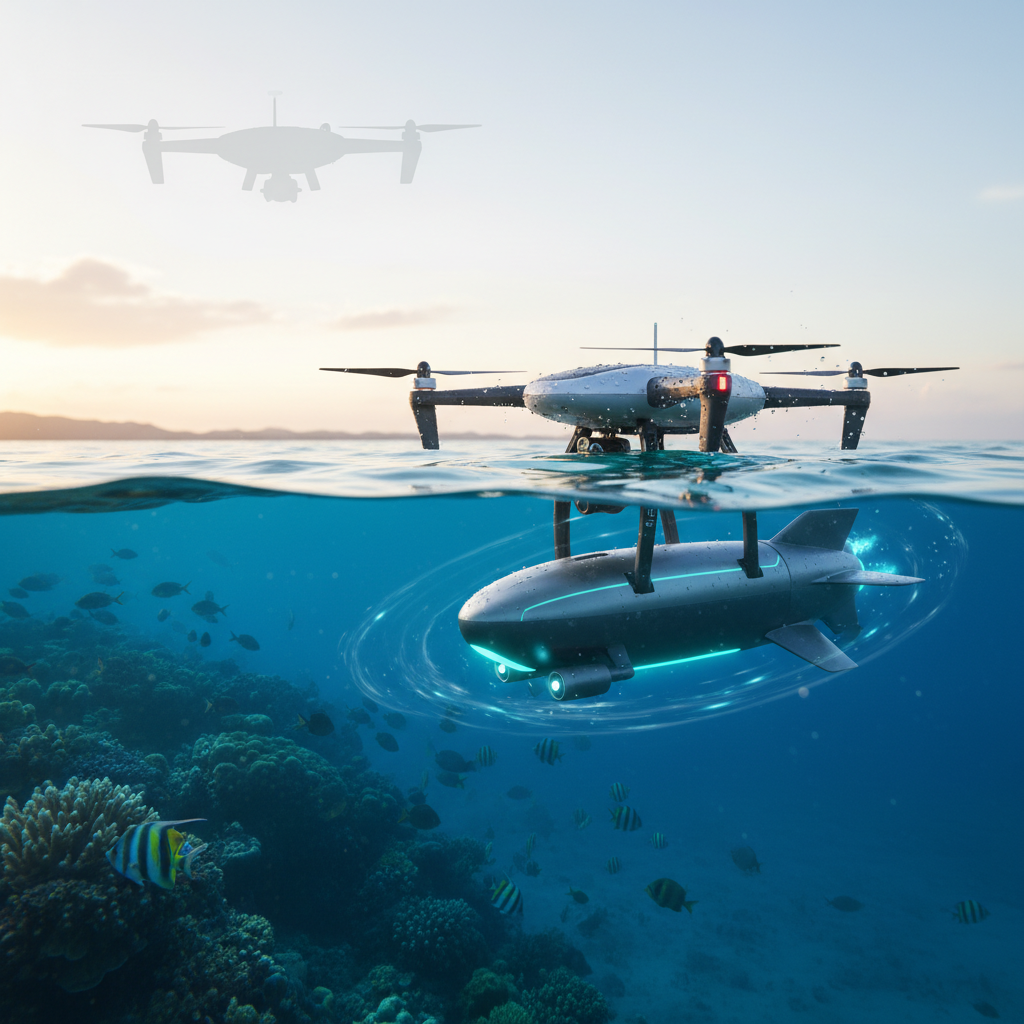
Drones can go underwater, but they require specific designs and technologies to operate effectively in aquatic environments. Unlike traditional aerial drones, which are designed exclusively for flight, specialized underwater drones, often referred to as remotely operated vehicles (ROVs), are engineered to navigate submerged terrains. These advanced technologies enable underwater exploration, scientific research, and various industrial applications. This article will delve into the different types of drones, their capabilities, and the technology that enables underwater exploration.
Understanding Drone Types
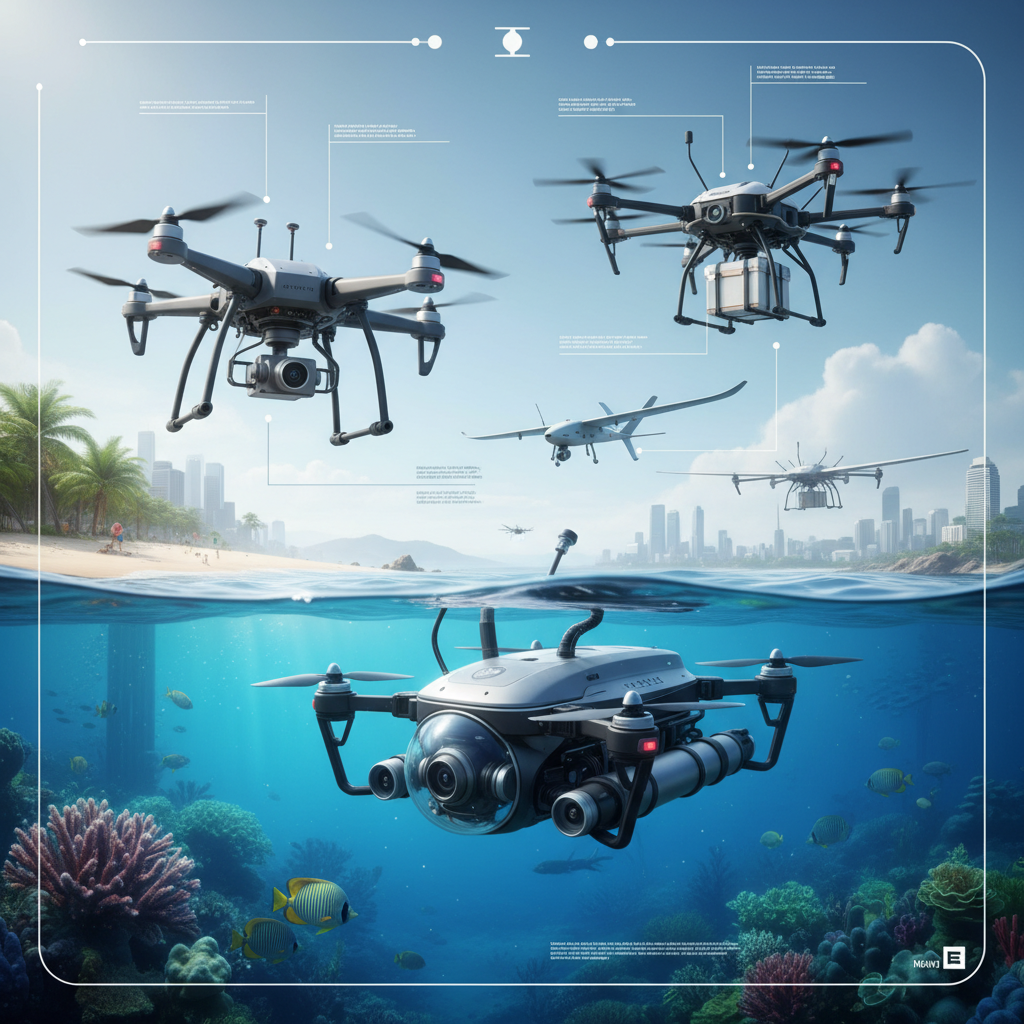
When discussing drones, it is essential to distinguish between the two primary categories: aerial drones and underwater drones.
– Aerial Drones: These drones are primarily designed for flight and are equipped with features that enhance their aerial capabilities, such as advanced camera systems, GPS navigation, and obstacle avoidance sensors. However, they lack the necessary waterproofing and pressure resistance to operate underwater effectively. Aerial drones serve various purposes, including photography, surveillance, and agricultural monitoring, but they cannot transition to underwater environments.
– Underwater Drones: In contrast, underwater drones are specifically engineered to operate in aquatic settings. Often referred to as ROVs, these drones are equipped with water-resistant features that protect their electronic components from damage. They typically include specialized materials and seals to prevent water ingress. These drones are utilized in marine research, underwater construction, and inspection of submerged infrastructure, showcasing their versatility and effectiveness in challenging environments.
The Technology Behind Underwater Drones
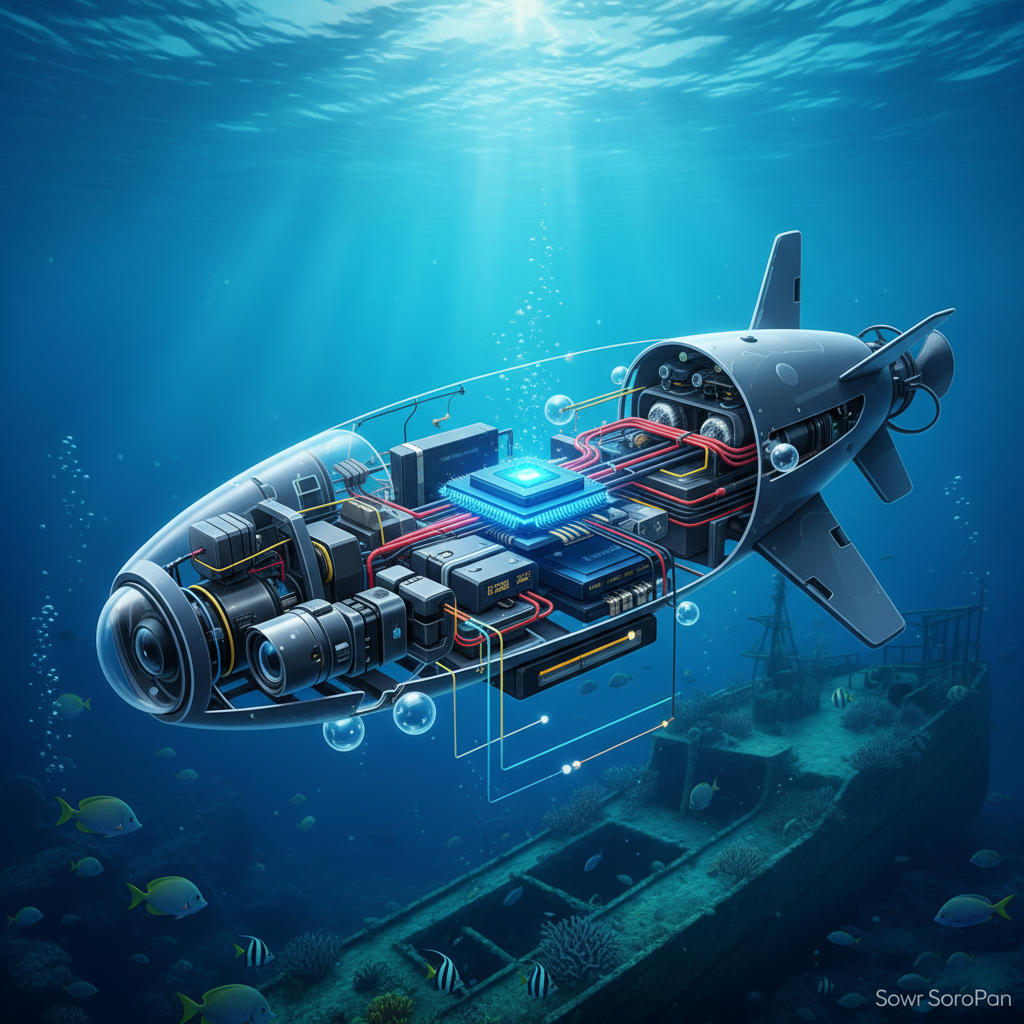
The functionality of underwater drones relies on intricate technology that enables them to navigate and operate in water.
– Pressure Resistance: One of the critical features of underwater drones is their ability to withstand the high pressure found at various water depths. As depth increases, the pressure exerted by water rises considerably, which can damage standard electronic components. Underwater drones are built with reinforced hulls and pressure-resistant materials that ensure their durability and functionality at depths of several hundred meters, making them suitable for deep-sea exploration.
– Propulsion Systems: The propulsion systems of underwater drones are tailored for efficient movement through water. These systems typically utilize specialized propellers or thrusters designed to generate thrust while minimizing drag. For instance, some advanced models feature multiple thrusters that allow for omnidirectional movement, enhancing maneuverability in confined spaces, such as shipwrecks or coral reefs. The propulsion technology employed in these drones is vital for effective navigation and operational efficiency.
Applications of Underwater Drones
Underwater drones have a wide range of applications, significantly impacting various fields.
– Marine Research: Scientists and researchers use underwater drones to study marine life and ecosystems. These drones are capable of capturing high-resolution images and videos, collecting water samples, and conducting environmental assessments. For example, researchers have employed ROVs to monitor coral reefs and assess the impacts of climate change, providing invaluable data that can inform conservation strategies.
– Search and Rescue: Underwater drones are increasingly valuable in search and rescue operations. In emergency situations, such as locating submerged vehicles or missing persons, ROVs can quickly be deployed to search large underwater areas without putting human divers at risk. Their ability to navigate challenging underwater landscapes and transmit real-time data has proven critical in various rescue missions, highlighting their importance in public safety.
How Underwater Drones are Controlled
Controlling underwater drones involves sophisticated technology that allows for precise maneuvering and navigation.
– Remote Operation: Most underwater drones are controlled via a tether or wireless connection from a surface vessel. The tethered approach provides stable communication and power supply, allowing operators to maintain control over long distances. This method is especially useful in deep-sea applications where direct visibility is limited, and real-time data transmission is crucial for safe operations.
– Autonomous Navigation: Some advanced underwater drones are equipped with artificial intelligence (AI) for autonomous navigation. These models can conduct pre-programmed missions, such as mapping the seafloor or inspecting underwater structures, without direct human intervention. Utilizing onboard sensors and GPS technology, these drones can navigate complex underwater environments effectively, optimizing their operational efficiency and reducing the need for constant oversight.
Challenges in Underwater Drone Operation
Despite their advanced capabilities, underwater drones face several challenges that can hinder their performance.
– Communication Issues: One of the primary challenges in underwater drone operation is communication. Water can significantly interfere with radio waves, leading to signal loss or degradation. This interference complicates remote control, making it difficult for operators to maintain a connection with the drone. To address this issue, operators often rely on tethered systems, which offer more reliable communication but can limit mobility.
– Battery Life: Battery life is another critical challenge faced by underwater drones. The operational time of these drones is often limited due to power consumption, particularly during demanding tasks such as deep dives or extended explorations. As depth increases, the energy required for propulsion and data transmission also rises. Innovations in battery technology, such as lithium polymer and fuel cell systems, are being explored to extend operational range and runtime, crucial for more extensive underwater missions.
Future Developments in Underwater Drone Technology
The field of underwater drone technology is rapidly evolving, with several exciting developments on the horizon.
– Enhanced Sensors: Future underwater drones are expected to incorporate enhanced sensors, including advanced imaging and sonar technology. These improvements will enable better navigation and data collection, allowing researchers and operators to gather more detailed information about underwater environments. For example, high-resolution sonar systems can create detailed maps of the seafloor, identifying geological features and potential habitats for marine life.
– Improved Battery Technology: As the demand for longer operational times increases, innovations in battery technology are critical. Researchers are exploring new materials and chemistries that could lead to batteries with higher energy densities and faster charging capabilities. The development of renewable energy sources, such as energy harvesting from water currents, may also play a role in extending the capability and sustainability of underwater drones.
In summary, while traditional drones cannot operate underwater, specialized underwater drones are capable of remarkable feats beneath the surface. With advancements in technology and increasing applications across various fields, underwater drones are poised to revolutionize our understanding of aquatic environments. As technology continues to advance, the potential applications for these drones will likely expand, offering exciting opportunities for exploration and research.
Frequently Asked Questions
Can drones go underwater, or are they only designed for aerial use?
While most commercial drones are primarily designed for aerial use, there are specialized models known as underwater drones or remotely operated vehicles (ROVs) that can operate beneath the water’s surface. These drones are equipped with waterproof casings, propellers, and cameras to capture footage and perform tasks underwater, making them suitable for exploration, research, and inspections in marine environments.
What are the best underwater drones available on the market?
Some of the best underwater drones include models like the PowerVision PowerRay, which offers 4K video and is user-friendly for recreational divers, and the Trident by OpenROV, known for its durability and ease of operation. Additionally, the Chasing Dory is popular for its compact size and affordability, making it ideal for casual users. Each of these drones provides unique features for exploring underwater environments, so the best choice depends on your specific needs.
How do underwater drones communicate and transmit data?
Underwater drones typically use a combination of tethered and wireless communication methods to transmit data. Tethered drones connect to a surface controller via a cable, allowing for real-time video streaming and remote control, while some advanced models use acoustic modems that send data through sound waves, enabling communication over greater distances without cables. This technology is crucial for operational efficiency and effective data collection underwater.
Why are underwater drones becoming popular in marine research?
Underwater drones are gaining popularity in marine research due to their ability to access hard-to-reach areas, collect data, and capture high-quality video with minimal human intervention. They allow researchers to monitor marine ecosystems, conduct surveys, and explore underwater habitats without the risks associated with manned submersibles. Additionally, their affordability and versatility make them an attractive tool for both professional scientists and amateur ocean enthusiasts.
Which features should I look for when choosing an underwater drone?
When selecting an underwater drone, consider key features such as depth rating, battery life, camera quality, and ease of control. A higher depth rating allows you to explore deeper waters, while a longer battery life ensures extended operational time. Look for drones with high-resolution cameras for clear imaging and user-friendly controls that make navigation easier, especially if you are a beginner. It’s also beneficial to check for additional features like GPS, stabilization, and the ability to add accessories for enhanced functionality.
References
- https://en.wikipedia.org/wiki/Drone
- https://www.sciencedirect.com/science/article/pii/S0968090X20301484
- https://www.reuters.com/technology/drones-are-going-underwater-2021-10-09/
- https://www.forbes.com/sites/bernardmarr/2020/09/21/the-future-of-underwater-drones/
- https://www.nature.com/articles/s41598-020-68836-7
- https://www.faa.gov/aircraft/air_cert/design_approvals/
- https://www.bbc.com/news/technology-55089429
