

Drones can typically fly in winds up to 15-25 mph, depending on their size and design. However, many consumer drones are best suited for calm conditions below 10 mph to ensure stability and safety during flight. Understanding the limitations of drone operation in various wind speeds is crucial for both hobbyists and professionals, as flying in unsuitable conditions can lead to loss of control, damage to the drone, or compromised image quality in aerial photography.
Understanding Drone Specifications
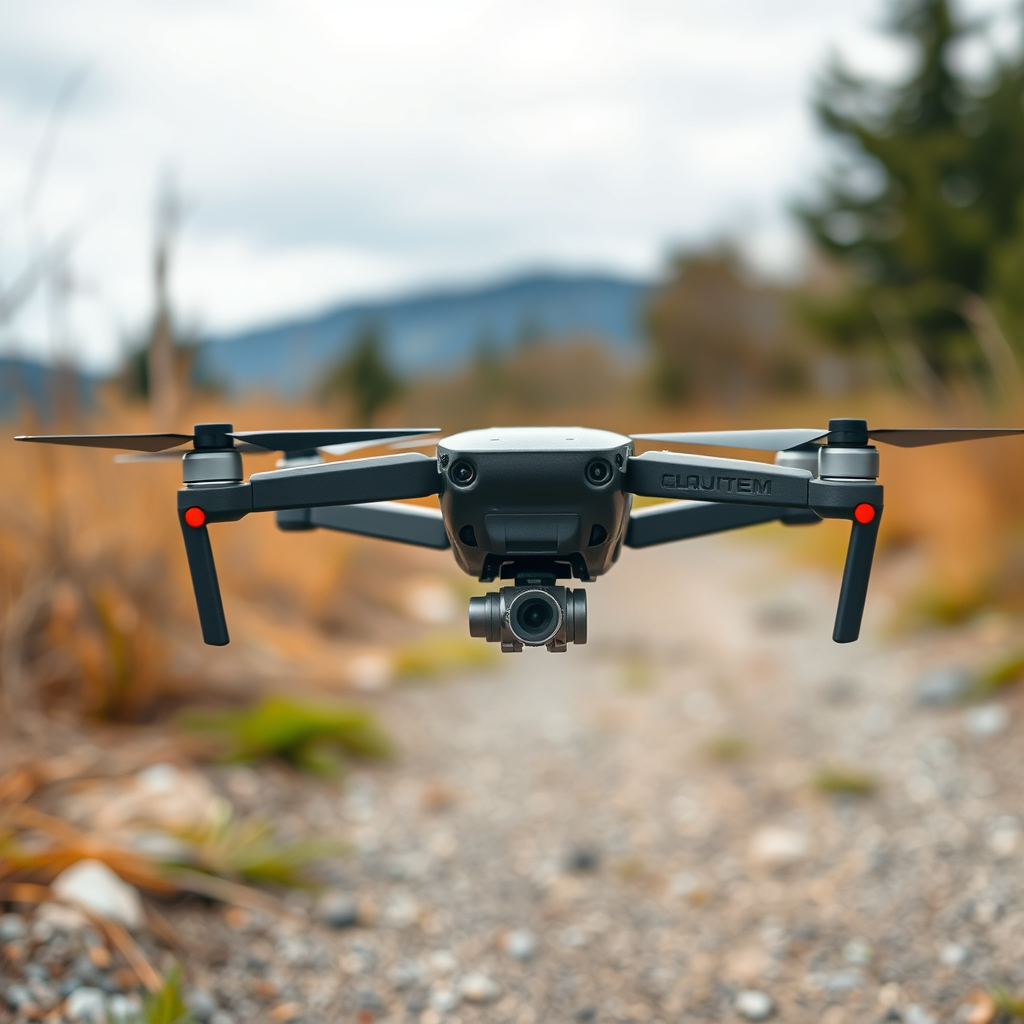
Different drones exhibit varying tolerances to wind based on their size, weight, and overall design. Smaller consumer drones, often weighing less than two pounds, are significantly more susceptible to wind gusts, which can easily destabilize their flight. In contrast, larger drones, such as industrial models used for surveying or agriculture, are designed to be more robust and stable in windy conditions, often weighing over 10 pounds.
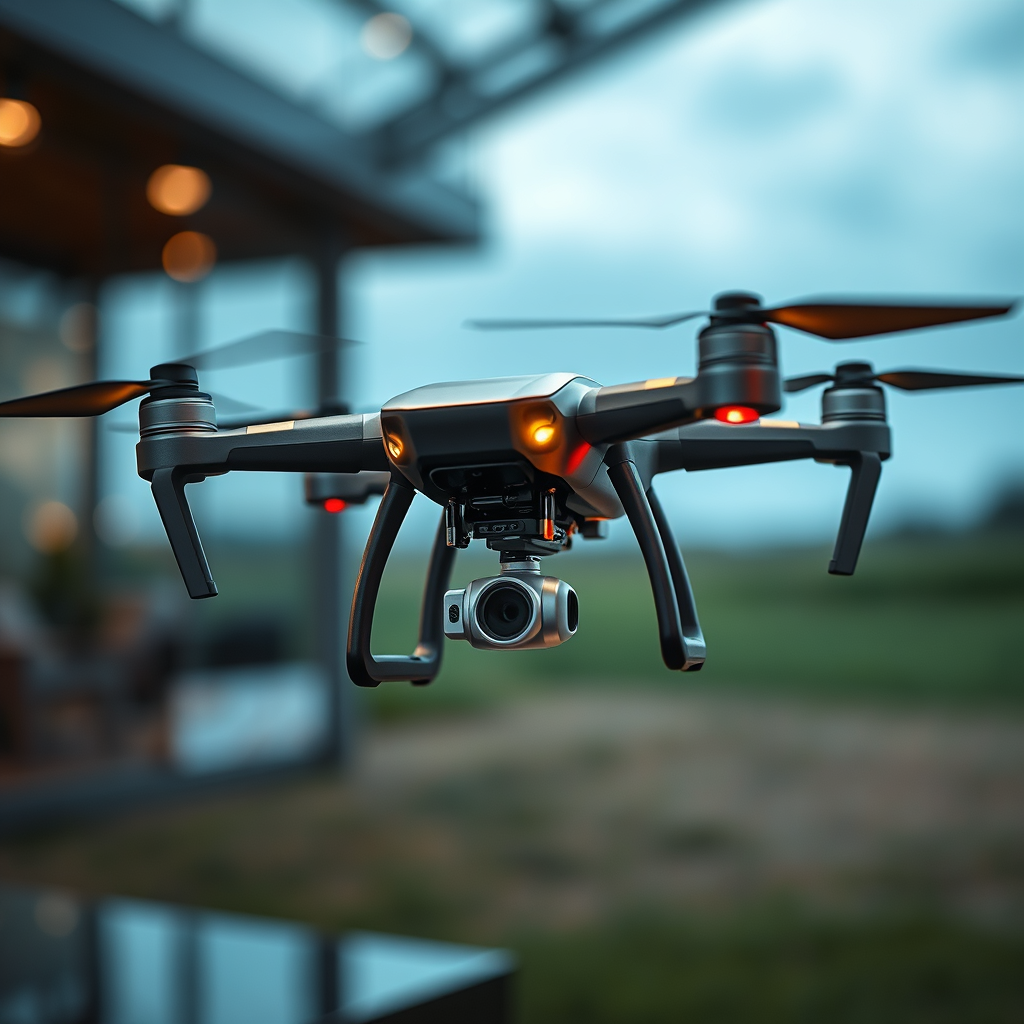
The construction materials also play a role; for instance, drones made from carbon fiber tend to be both lightweight and strong, which enhances their ability to withstand wind compared to those made from plastic. Furthermore, the design of the drone’s body—specifically its aerodynamic shape—can affect how well it cuts through the wind, allowing for smoother flights in turbulent air.
Factors Affecting Drone Performance in Wind
Several factors influence drone performance in windy conditions, and understanding these can help pilots make informed decisions. One significant factor is the drone’s design features, particularly its aerodynamic shape. Drones designed with sleek lines and minimal drag can navigate through wind more efficiently than bulkier models.
Another critical aspect is the drone’s battery life and overall functionality. High winds can strain a drone’s motors as they work harder to maintain stability and control. This increased energy consumption can lead to quicker battery depletion, potentially resulting in unexpected landings. Additionally, the drone’s onboard sensors, which are responsible for stabilizing flight, may become less effective in strong winds, further complicating control.
Recommended Wind Speeds for Different Drone Types
When it comes to recommended wind speeds, it’s essential to differentiate between consumer drones and professional or industrial drones. For consumer drones, which are commonly used for recreational purposes and basic photography, optimal flying conditions are generally below 10 mph. Operating in these wind speeds allows for stable flight and high-quality imagery without significant risk.
On the other hand, professional or industrial drones are engineered to handle more challenging environments. Many of these models can effectively fly in winds up to 25 mph, maintaining stability due to their robust construction and advanced stabilization technologies. For example, drones like the DJI Matrice series are tailored for commercial applications and can operate safely in higher wind conditions, making them suitable for tasks like aerial surveying and search and rescue missions.
Safety Considerations When Flying Drones in Wind
Safety should always be the top priority when flying drones, particularly in windy conditions. Flying in high winds increases the risk of losing control, which can lead to crashes and damage to the drone or surrounding property. Additionally, adverse weather can affect the drone’s sensors, making it more challenging to navigate safely.
Before flying, it’s crucial to check local regulations regarding drone operation in adverse weather conditions. Many jurisdictions have specific guidelines about flying during high winds or stormy weather, and non-compliance could result in fines or legal consequences. Pilots should also assess their skill level; inexperienced pilots may want to avoid flying in windy conditions altogether until they are more confident in their abilities.
Tips for Flying Drones in Windy Conditions
If you find yourself needing to fly your drone in windy conditions, several strategies can help mitigate risks and enhance your experience. First, if your drone supports it, use GPS mode for better stabilization. This mode leverages satellite signals to maintain position, providing an extra layer of control against the wind.
Practicing flying in controlled environments, such as open fields with minimal obstacles, can also help build your skills. Start with small gusts and gradually work your way up to more challenging conditions as you gain confidence. Additionally, familiarize yourself with your drone’s features, such as return-to-home functions, which can be lifesavers if you lose control in strong winds.
Finally, consider adjusting your flight path to accommodate the wind direction. Flying with the wind can help you conserve battery life and maintain control, while flying against it may require more power and can increase your risk of losing the drone.
Tools and Applications for Wind Monitoring
Before heading out, it’s advisable to utilize tools and applications for wind monitoring to ensure you have the most accurate and up-to-date information. Many weather apps provide real-time wind speeds and forecasts, which can be invaluable for planning your flights. Applications like Windy or the Weather Channel app can give you insights not just into wind speeds but also into changing weather patterns that could affect your flight.
Some drones come equipped with built-in sensors that assess wind conditions and provide feedback to the pilot. This feature can be incredibly useful, allowing you to make informed decisions about whether to proceed with your flight or wait for calmer conditions.
In conclusion, while drones can handle varying wind speeds, knowing their limits is essential for safe operation. Consumer drones generally fare best in calm conditions below 10 mph, while professional drones can manage higher winds of up to 25 mph. Always prioritize safety, familiarize yourself with your drone’s specifications, and monitor local weather conditions before taking flight. With the right knowledge and preparation, you can maximize your drone flying experience, even in less-than-ideal weather.
Frequently Asked Questions
What is the maximum wind speed in which drones can safely fly?
The maximum wind speed for safe drone operation typically ranges from 15 to 25 mph (24 to 40 km/h) depending on the drone model and its specifications. Consumer drones usually struggle in winds above 15 mph, while professional-grade models might handle gusts up to 25 mph. It’s essential to check the manufacturer’s guidelines for specific limitations to ensure safe flying conditions.
How does wind speed affect drone performance?
Wind speed significantly impacts a drone’s stability, battery life, and overall performance. High winds can cause drones to drift off course, making it difficult to control their flight path. This can lead to increased battery consumption as the drone works harder to maintain its position against the wind, ultimately reducing flight time and increasing the risk of accidents.
Why is it important to consider wind speed before flying a drone?
Considering wind speed before flying a drone is crucial for ensuring safety, avoiding accidents, and achieving optimal performance. Flying in high winds can lead to loss of control, potential crashes, and damage to the drone. Additionally, understanding wind conditions helps in planning flight paths, especially for purposes like aerial photography or surveying, where stability is essential.
What tools can I use to check wind speed before flying my drone?
To check wind speed before flying your drone, you can use weather apps, websites, or dedicated wind speed measuring devices like an anemometer. Popular weather apps like Windy or Weather.com provide real-time wind conditions and forecasts. Additionally, local news stations often report wind conditions, which can help you plan your drone flights safely.
Which types of drones are better suited for flying in windy conditions?
Drones designed for professional use, such as those with larger frames and advanced stabilization systems, are better suited for flying in windy conditions. Models like the DJI Matrice series or the Autel Robotics EVO series are engineered to handle higher winds due to their robust construction and powerful motors. Always check the specifications and reviews of a drone to determine its wind tolerance before purchase.
References
- https://en.wikipedia.org/wiki/Drone#Flight_conditions
- https://www.faa.gov/uas/
- https://www.ncbi.nlm.nih.gov/pmc/articles/PMC4852569/
- https://www.sciencedirect.com/science/article/abs/pii/S2212017317301565
- https://www.researchgate.net/publication/313233304_Effect_of_Wind_on_the_Performance_of_Drones
- https://www.theguardian.com/technology/2020/nov/16/drones-and-the-wind-how-weather-impacts-drone-flight
- https://www.suasnews.com/2020/12/what-is-the-maximum-wind-speed-for-drone-flight/
- https://www.nist.gov/news-events/news/2019/06/drones-and-wind-how-they-fly-into-the-wind
- https://www.aa.com.tr/en/science-technology/how-wind-speed-impacts-drones/1724557
