
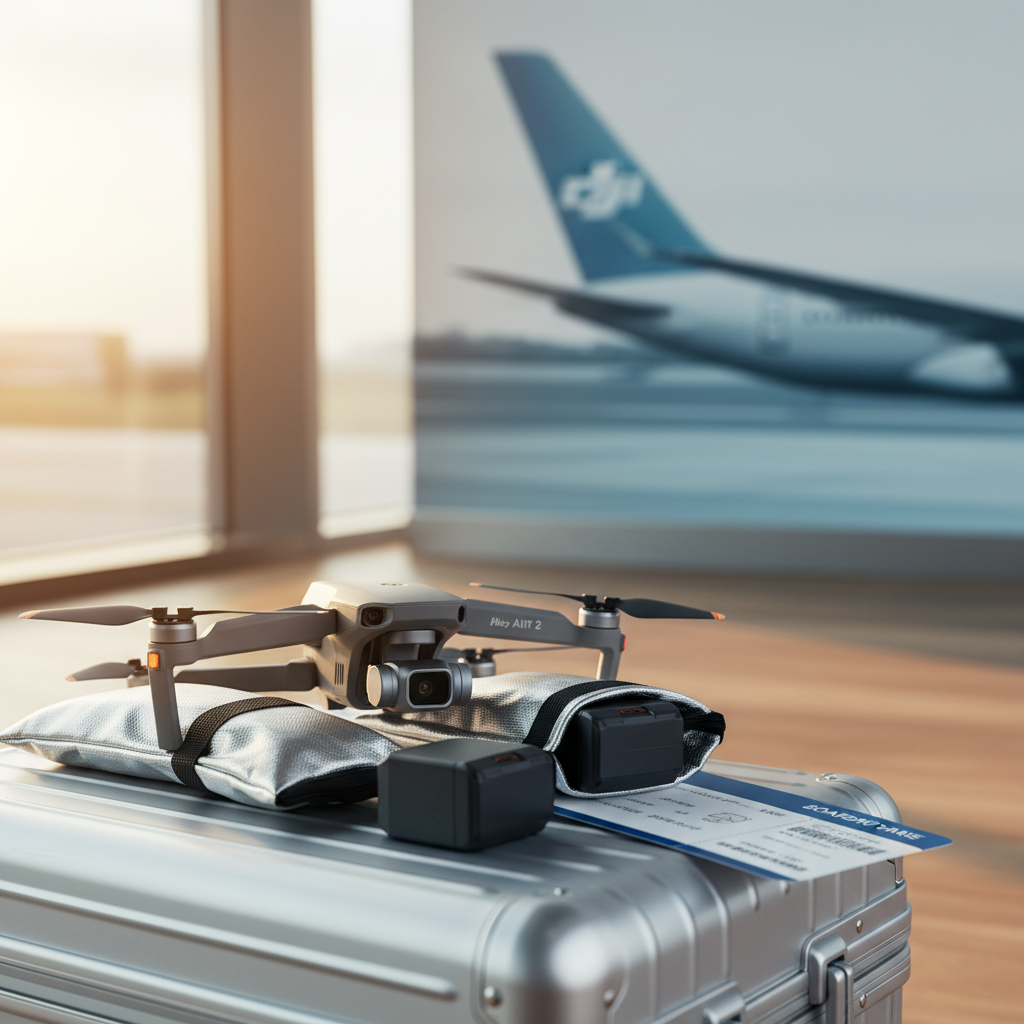
Yes, you can bring your drone on a plane, but there are specific regulations regarding batteries that you must follow. Understanding these rules will help ensure a smooth travel experience with your drone. As drone usage becomes increasingly popular among hobbyists and professionals alike, knowing how to transport your equipment safely and legally is essential. This article will guide you through the necessary steps to ensure your drone and its batteries meet airline regulations, TSA guidelines, and international travel considerations.
Airline Regulations for Drones
Different airlines have varying policies regarding drones, so it is crucial to check with your carrier before you travel. Some airlines may allow drones in both carry-on and checked baggage, while others may restrict them to carry-on only. For instance, Delta Airlines permits drones as long as they meet size and weight restrictions, while American Airlines emphasizes the importance of carrying drones in your hand luggage to avoid damage and ensure compliance with safety protocols.
It’s also worth noting that airlines may require you to declare your drone at the check-in counter. This is particularly important if your drone falls within a specific size category or has advanced features, such as high-capacity batteries. Always consult your airline’s official website or customer service for the most accurate and up-to-date information regarding their policies on drone transport.
Battery Size and Restrictions
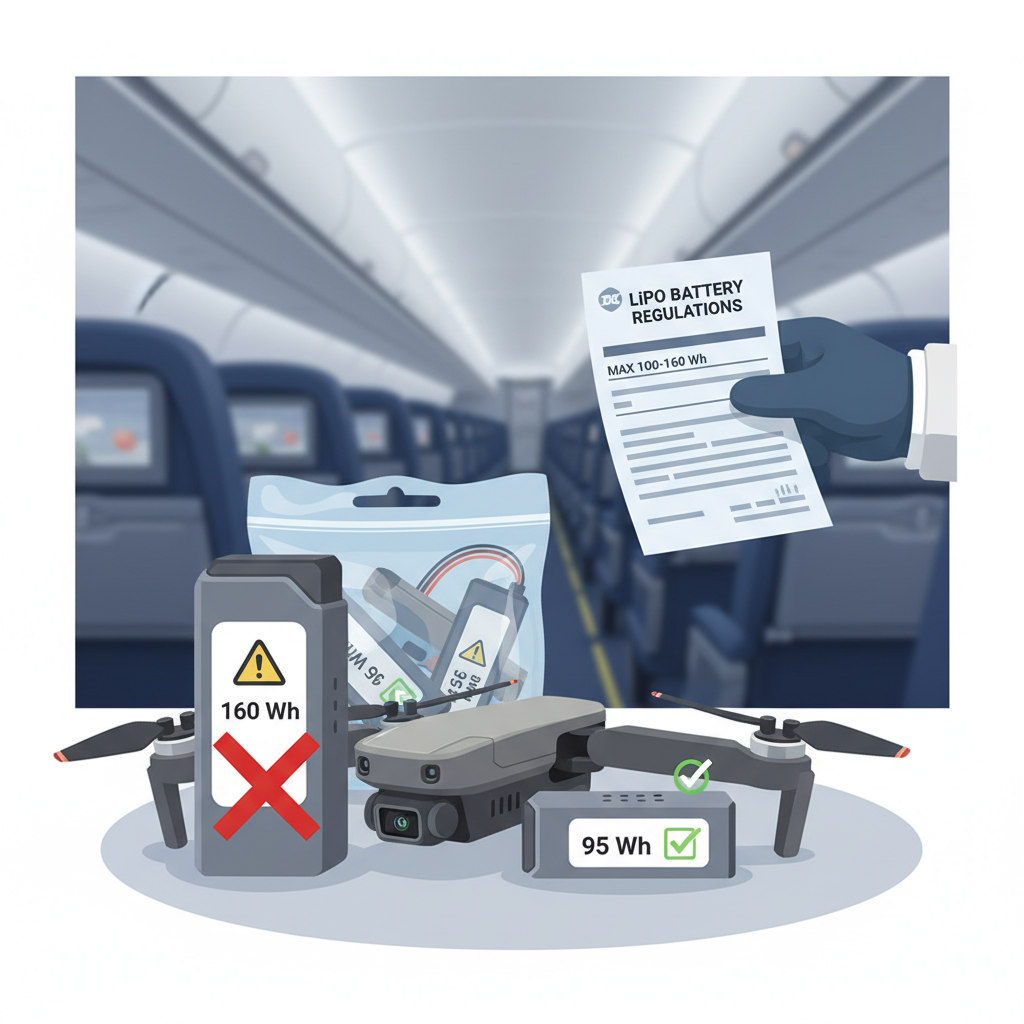
When traveling with a drone, battery size plays a significant role in determining what you can bring on board. Most airlines allow lithium batteries under 100 watt-hours (Wh) in carry-on luggage, which is the standard limit set by the International Air Transport Association (IATA). For example, a typical drone battery, such as those used in DJI models, usually falls within this limit, making it feasible to transport.
However, batteries exceeding 100 watt-hours may require special approval or could be outright prohibited from being brought on the plane. If you are considering traveling with larger batteries, such as those used for professional-grade drones, you should reach out to your airline in advance to inquire about any necessary approvals or alternative arrangements for transport. Additionally, it is essential to ensure that batteries are stored and transported correctly, often in protective cases designed specifically for lithium batteries.
Packing Your Drone
Proper packing of your drone and its accessories is crucial not only for compliance but also for protection against damage during travel. Use hard cases or padded bags that fit your drone snugly to prevent movement while in transit. For instance, companies like Go Professional Cases offer custom-designed drone cases that provide excellent protection and easy transport.
When packing, take care to separate the batteries from the drone and other equipment. This not only helps comply with airline regulations but also minimizes the risk of short-circuiting, which can cause battery fires. Make sure to insulate battery terminals with tape or place them in a dedicated battery bag to prevent accidental contact. Additionally, consider bringing along extra propeller guards and other components in case of unforeseen damage during your journey.
TSA Guidelines for Security
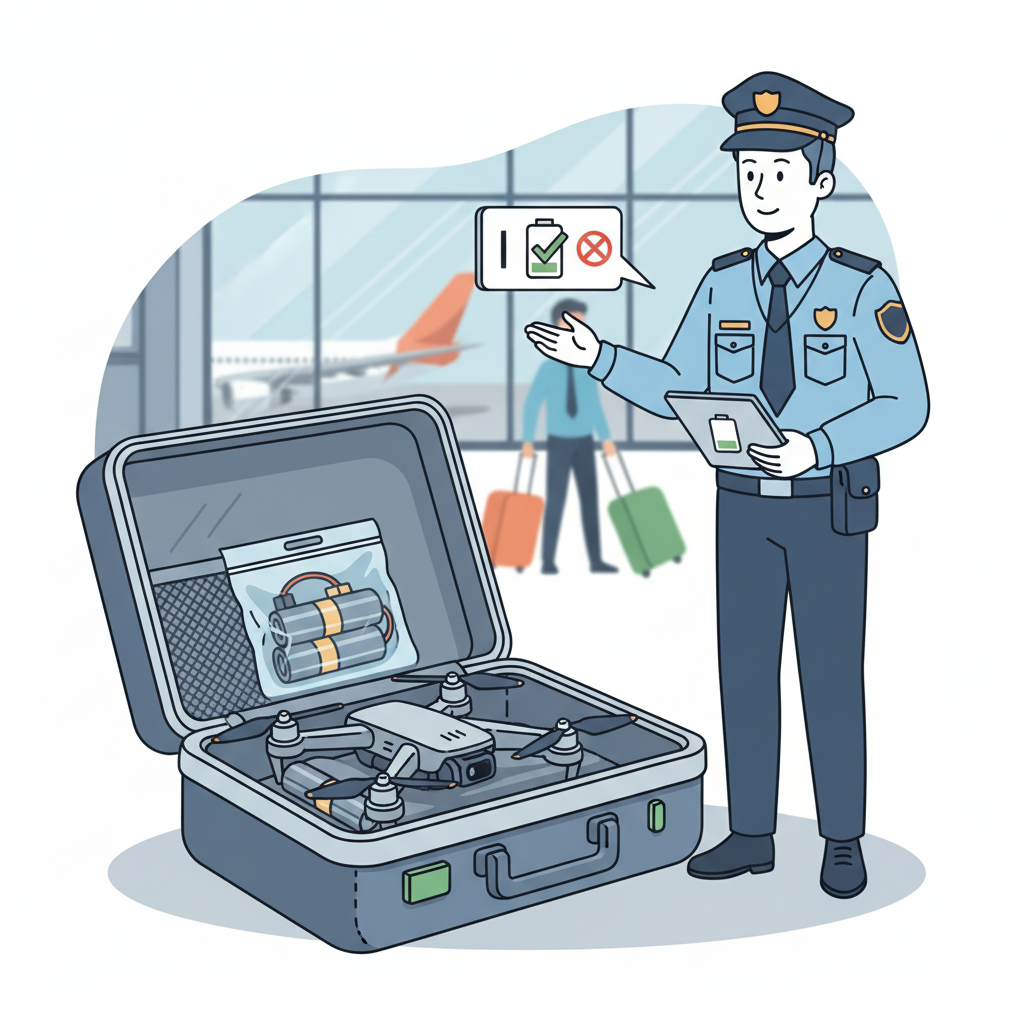
As a traveler with a drone, you should be prepared for security checks at the airport. The Transportation Security Administration (TSA) may require you to remove your drone from your bag for inspection, similar to how you would handle a laptop or other electronic devices. This inspection process can be expedited by keeping your drone easily accessible in your carry-on luggage.
If you are carrying multiple batteries or a larger drone, it is advisable to inform TSA agents during your security screening. This transparency can facilitate the inspection process and help you avoid unnecessary delays. Be aware that TSA regulations can change, so check the TSA’s official website for current guidelines before your flight.
International Travel Considerations
Traveling with a drone internationally adds another layer of complexity. Each country has its own regulations regarding drone use, which may differ significantly from those in your home country. For instance, some countries may require registration of drones or specific permits to fly them. Countries like Canada and the United Kingdom have strict rules on drone operation, including where and how high you can fly.
Before embarking on your journey, conduct thorough research on the drone regulations specific to your destination. This may involve checking with the local aviation authority or looking for national guidelines on drone travel. Being informed will help you avoid legal issues or confiscation of your drone upon arrival.
Insurance and Liability
Given the potential risks associated with traveling with a drone, it is wise to consider obtaining travel insurance that covers your drone in case of loss, theft, or damage. Standard travel insurance may not extend to equipment like drones, so be sure to look for specific policies that include coverage for electronics and hobbyist equipment.
Additionally, review your homeowner’s insurance policy to determine if it covers incidents involving drones. Some policies may provide limited coverage for drone use, while others may exclude it entirely. If you frequently travel with your drone, investing in specialized drone insurance could offer peace of mind, protecting you from financial loss should an accident occur while you’re away from home.
In conclusion, while you can bring your drone on a plane with its battery, it’s crucial to follow airline policies and regulations to ensure a hassle-free journey. Understanding the nuances of battery size limitations, TSA guidelines, and international regulations will significantly enhance your travel experience. Always double-check rules before traveling, and consider insurance for added peace of mind. With the right preparation, you can enjoy capturing stunning aerial footage on your trips. Happy flying!
Frequently Asked Questions
Can I bring my drone and its battery on a plane?
Yes, you can bring your drone and its battery on a plane, but there are specific regulations you must follow. Most airlines allow drones to be carried in your carry-on luggage, but batteries must comply with certain watt-hour limits. Typically, lithium-ion batteries under 100 watt-hours are permitted in carry-on bags, while those between 100 and 160 watt-hours may require airline approval.
What are the battery restrictions for bringing a drone on a plane?
When traveling with a drone, the main restriction pertains to its battery. Most airlines follow the International Air Transport Association (IATA) guidelines, which state that lithium batteries under 100 watt-hours can be carried in carry-on luggage. Batteries larger than 160 watt-hours are generally prohibited, and those between 100 and 160 watt-hours may require special handling or airline notification.
How should I pack my drone and batteries for air travel?
To pack your drone and batteries for air travel, ensure the batteries are stored in their original packaging or a protective case to prevent short-circuiting. Place the drone in your carry-on luggage with sufficient padding to avoid damage. Always check with your airline for specific packing requirements and ensure that battery terminals are covered to prevent accidents during transit.
Why do airlines have restrictions on drone batteries?
Airlines impose restrictions on drone batteries primarily for safety reasons, as lithium batteries can pose a fire risk if damaged or improperly handled. The regulations are designed to minimize the risk of incidents during flights, ensuring the safety of all passengers and crew. By adhering to these guidelines, travelers can help maintain safe air travel while enjoying their drone hobby.
Which airlines allow drones and their batteries in carry-on luggage?
Most major airlines, including Delta, American Airlines, and United, allow drones and their batteries in carry-on luggage, but policies can vary. It’s crucial to check each airline’s specific guidelines before traveling, as some may have additional restrictions or requirements. Always confirm the latest information directly from the airline to ensure compliance and a hassle-free travel experience.
References
- https://www.faa.gov/uas/travel
- https://www.caa.co.uk/Consumers/Unmanned-aircraft/Traveling-with-drones/
- https://www.tsa.gov/travel/security-screening/whatcanibring/items/drone
- https://www.nasa.gov/feature/nasa-safety-recommendations-for-drone-operators
- https://www.nytimes.com/2020/01/02/travel/drones-airline-regulations.html
- https://www.wired.com/story/drones-airline-travel-what-you-need-to-know/
- https://www.abc.net.au/news/2019-10-05/what-you-need-to-know-about-flying-with-drones/11575864
- https://www.usatoday.com/story/travel/news/2021/07/07/flying-with-drones-tips-regulations/7643256002/
