

Yes, you can fly your drone in the Lake District, but there are specific regulations and guidelines you must follow to ensure safety and compliance. This stunning national park, known for its breathtaking landscapes and serene lakes, attracts many drone enthusiasts. However, it is essential to understand the legal framework, designated no-fly zones, and best practices to ensure that your drone flying experience is both enjoyable and respectful to the environment and local communities.
Understanding Drone Regulations in the UK
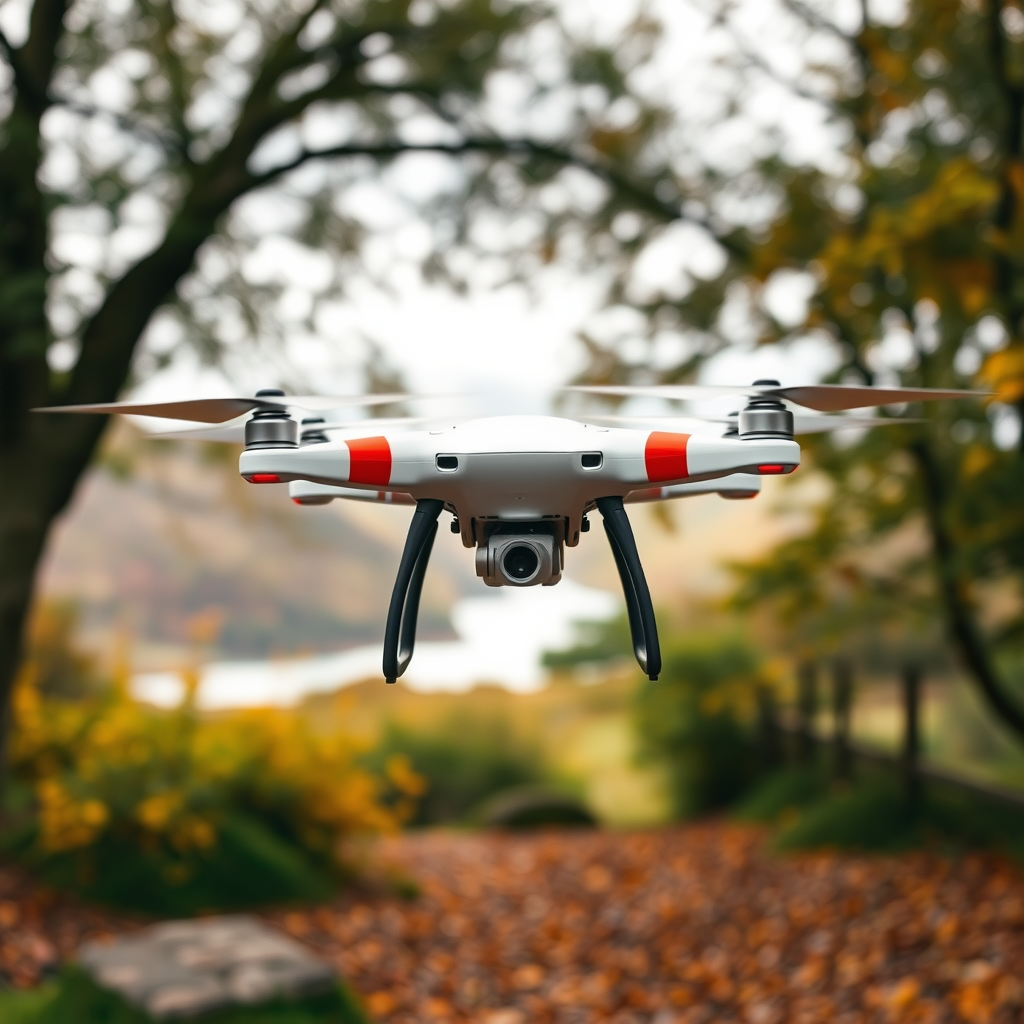
In the UK, drone usage is governed by strict laws designed to ensure the safety of airspace and those on the ground. The Civil Aviation Authority (CAA) provides guidelines that all drone pilots must adhere to, regardless of whether they are flying for recreational or commercial purposes. One of the primary regulations includes altitude limits, which dictate that drones should not fly above 120 meters (approximately 400 feet) unless specific permissions have been obtained. Additionally, drone operators must maintain visual line of sight with their drones at all times during flight.
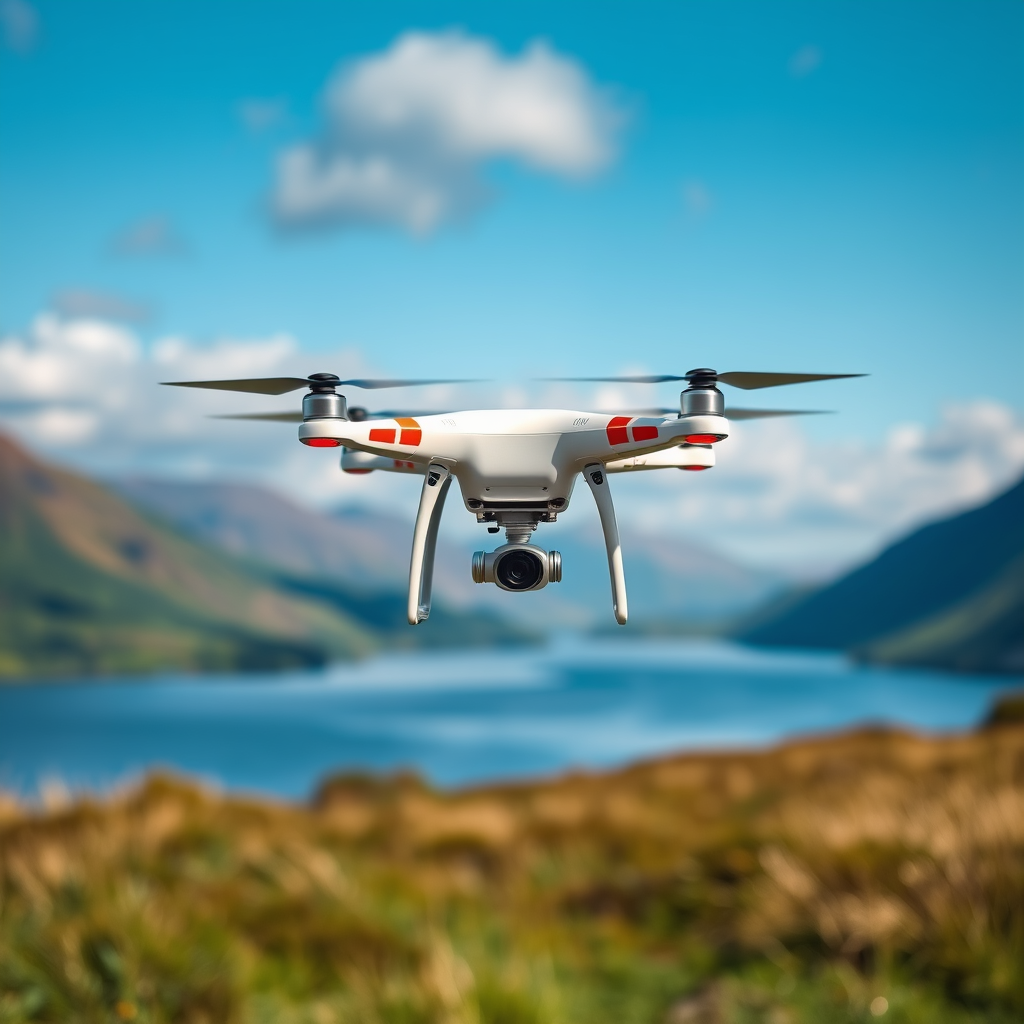
Furthermore, drone pilots must also register their drones if they weigh more than 250 grams and obtain a flyer ID and operator ID, which demonstrate that they have completed the necessary training. It is crucial for operators to familiarize themselves with these regulations before flying in order to avoid potential fines or legal repercussions.
Designated No-Fly Zones in the Lake District
The Lake District is not only a beautiful area for outdoor activities but also contains designated no-fly zones that drone pilots must respect. Many of these restrictions are in place to protect sensitive locations, such as airports, military bases, and wildlife reserves. For instance, the proximity to Carlisle Airport and other smaller airfields means that drone flying is not permitted in these areas.
Popular tourist sites, such as the summit of Scafell Pike and the shores of Windermere, may also have specific rules regarding drone usage. It is essential to check local regulations and signage before embarking on your drone-flying adventure. Websites and apps that provide updated information on no-fly zones can be instrumental in ensuring compliance.
Recommended Drone-Friendly Locations
While the Lake District has its share of no-fly zones, many areas are more suitable for drone flying. Open fields and less populated locations are ideal for capturing stunning aerial views without disturbing wildlife or local residents. The shores of Derwentwater and Ullswater are excellent options, offering breathtaking backdrops of mountains and expansive water bodies.
Additionally, locations such as the valleys around Borrowdale and the lesser-known areas near Grasmere provide excellent opportunities for drone enthusiasts. When flying in these areas, ensure you remain aware of your surroundings and respect any local guidelines to maintain a harmonious experience for everyone.
Safety Considerations While Flying
Safety is paramount when operating a drone, especially in a natural environment like the Lake District. Always maintain a visual line of sight with your drone, as this will enable you to react quickly to any potential hazards or changes in the environment. Flying near wildlife, particularly nesting birds and other sensitive species, can cause stress and disruption to their natural behaviors. It is advisable to keep a safe distance from wildlife and avoid flying during breeding seasons.
Adverse weather conditions can also pose risks to drone flying. Windy conditions, rain, or low visibility can affect the stability and control of your drone. Always check the weather forecast before flying and postpone your plans if conditions appear unfavorable.
Best Practices for Responsible Drone Use
Responsible drone use goes beyond simply adhering to regulations; it involves a commitment to respecting the local community and the environment. Minimize noise disturbance by choosing quieter flight paths and times for flying, especially in populated areas. It is also prudent to avoid flying over private land without obtaining permission from the landowner.
When planning your flight, consider the impact your drone may have on both the landscape and the people around you. Engaging with local residents and respecting their wishes can foster a positive relationship between drone pilots and the community.
Tips for Capturing Stunning Aerial Footage
To ensure you capture the best possible aerial footage while flying your drone in the Lake District, planning is key. Research and plan your flight path in advance, taking into account the area’s topography and notable landmarks that you wish to feature in your shots. Using a map or a drone application can help you visualize the best angles and compositions for your photography or videography.
Timing is equally important. The golden hours—shortly after sunrise and before sunset—offer the most beautiful lighting for photography, providing soft hues and dramatic shadows that can enhance your images. Additionally, consider using filters to manage reflections and enhance colors, further improving the overall quality of your footage.
Resources for Drone Pilots
For those looking to enhance their drone flying experience, various resources are available to assist pilots. Online platforms and forums dedicated to drone enthusiasts can provide valuable insights, tips, and updates regarding regulations and suitable locations. Websites like the CAA’s official site offer the latest information on drone laws and safety guidelines.
Joining local drone clubs is another excellent way to connect with fellow pilots, share experiences, and discover new flying locations. These communities often host events and meet-ups, allowing you to learn from more experienced pilots while fostering camaraderie among drone enthusiasts.
In conclusion, while flying your drone in the Lake District is possible, it is crucial to adhere to regulations and best practices for a safe and enjoyable experience. By understanding the legal framework, respecting no-fly zones, and prioritizing safety, drone pilots can contribute to the preservation of this breathtaking national park. Always stay informed, respect the natural beauty of the area, and enjoy the unique perspective that drone flying offers. Happy flying!
Frequently Asked Questions
Can I fly my drone in the Lake District National Park?
Yes, you can fly your drone in the Lake District National Park, but there are specific regulations to keep in mind. The park is subject to UK drone laws, which include restrictions on flying near people, property, and wildlife. To ensure safety and compliance, it’s advisable to check local guidelines and obtain any necessary permissions, especially in sensitive areas.
What are the drone flight restrictions in the Lake District?
In the Lake District, drone flight restrictions include a 400-foot altitude limit and maintaining a minimum distance from crowds and congested areas. Additionally, you must keep your drone within visual line of sight at all times. Certain areas, such as near airports or military bases, may have additional no-fly zones, so always verify the latest regulations before your flight.
How do I check if I can fly my drone in a specific area of the Lake District?
To check if you can fly your drone in a specific area of the Lake District, visit the UK Civil Aviation Authority (CAA) website for up-to-date regulations and maps of restricted zones. Additionally, you can use drone apps like DroneAssist or Air Map that provide real-time information on airspace restrictions and help ensure that your flight complies with local laws.
Why is it important to follow drone regulations in the Lake District?
Following drone regulations in the Lake District is crucial for safety, protecting wildlife, and preserving the natural landscape. The park is home to various species and sensitive environments, and careless drone operation can disturb these habitats. Adhering to regulations not only ensures a safe flying experience but also helps maintain the beauty and tranquility of the park for all visitors.
What are the best practices for flying a drone in the Lake District?
The best practices for flying a drone in the Lake District include conducting a pre-flight check, respecting the privacy of others, and avoiding flying over large groups or private property. It’s also essential to be mindful of local wildlife, particularly during nesting seasons, and to choose times when the park is less crowded. Always be prepared to land your drone quickly if necessary to ensure the safety of both the drone and those around you.
References
- https://www.lakedistrict.gov.uk/visiting/drone-flying
- https://www.caa.co.uk/General-public/Consumer-advice/Drone-users/
- https://www.bbc.com/news/uk-england-cumbria-47308356
- https://www.theguardian.com/environment/2021/jun/07/lake-district-drone-flying-rules-uk
- https://www.lakedistrict.gov.uk/wildlife-and-conservation/protecting-wildlife-and-landscape
- https://www.nationaltrust.org.uk/features/drone-flying-in-the-lake-district
- https://www.cumbria.gov.uk/planning-environment/planningpolicy/DroneFlying.asp
