
To become a drone pilot, you need to understand the necessary regulations, gain the required skills, and obtain the appropriate certifications. This guide will walk you through each essential step to help you launch a successful career in drone piloting. The demand for skilled drone operators continues to grow across various industries, including real estate, agriculture, and cinematography. With the right knowledge and experience, you can position yourself as a competent professional in this exciting field.
Understand the Legal Requirements
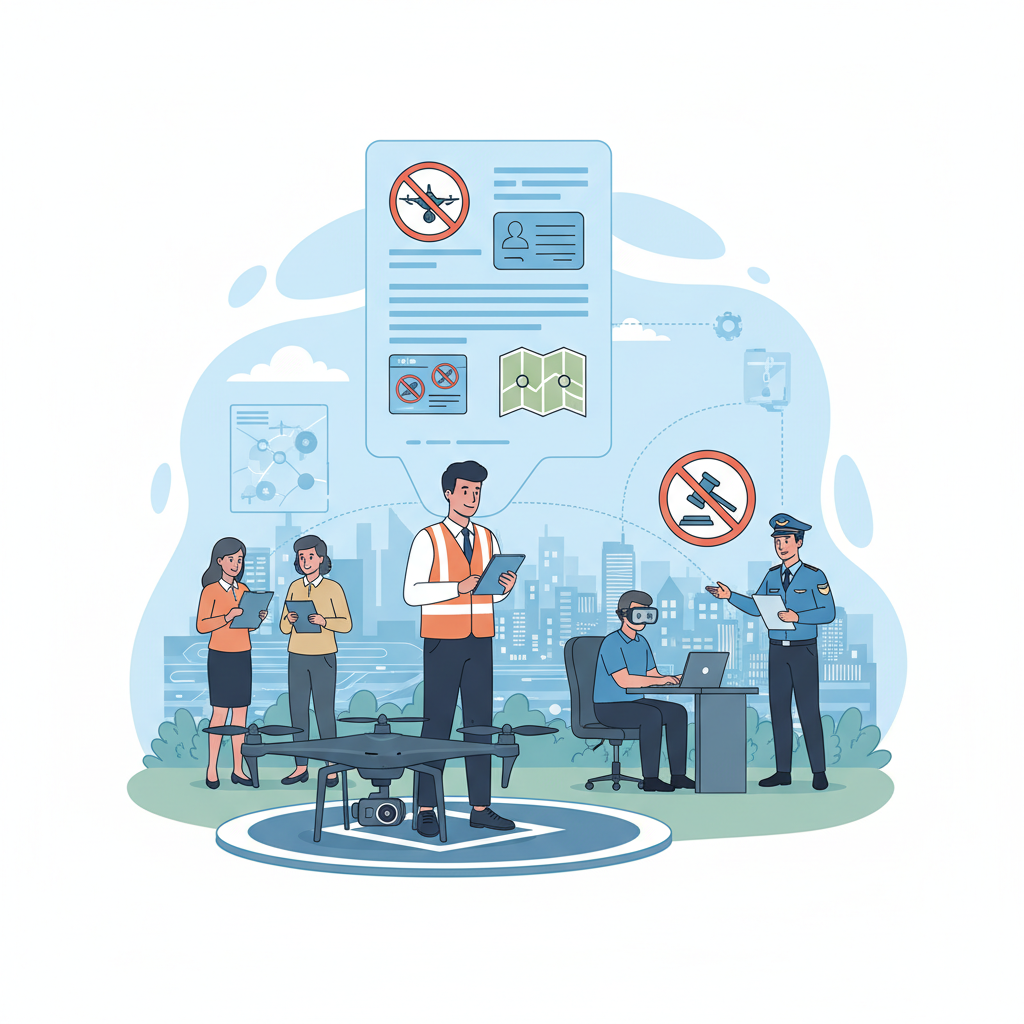
Before you take to the skies, it is crucial to familiarize yourself with the legal framework governing drone operations. Each country has its own set of regulations, and understanding these is essential for safe and compliant flying.
Start by researching local regulations that govern drone use. In the United States, for instance, the Federal Aviation Administration (FAA) regulates drone operations under Part 107. This includes airspace restrictions, operational limits, and certification requirements. It’s vital to comprehend where you can and cannot fly, particularly in proximity to airports, schools, and other sensitive areas.
Once you have a clear understanding of the regulations, the next step is to obtain the necessary licenses or permits. For commercial drone pilots in the U.S., this means passing the FAA Part 107 exam. The test covers various topics, including airspace classification, weather effects, and drone performance. To prepare, consider enrolling in a preparatory course or utilizing online resources that provide study materials and practice exams.
Acquire the Necessary Skills
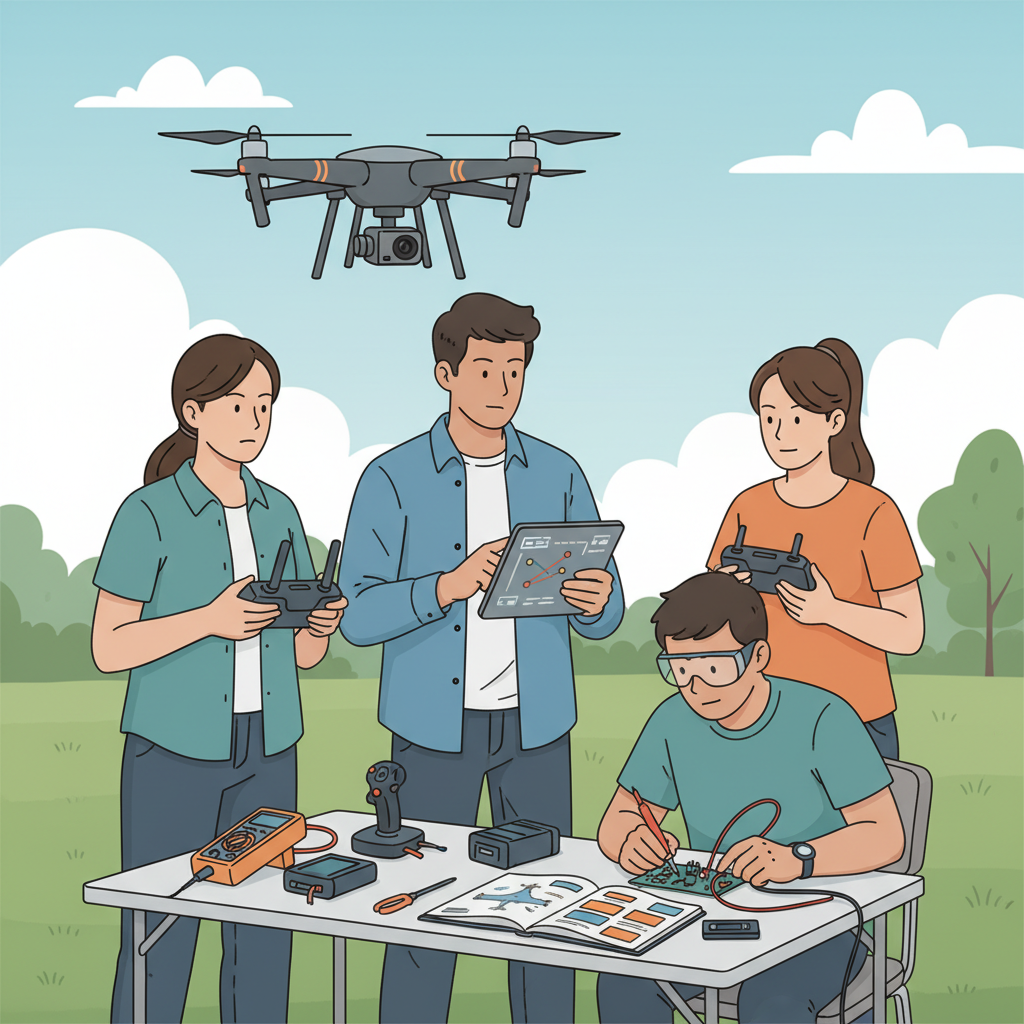
With the legal groundwork laid, the next step is to acquire the skills required for proficient drone operation. Consider enrolling in drone piloting courses offered by reputable flight schools or online platforms. These courses often cover essential topics such as aerial photography, navigation techniques, and safety protocols.
Hands-on practice is equally important. Start flying different types of drones to gain experience and confidence. Many manufacturers offer beginner-friendly models that are ideal for practice. Use simulators to refine your skills without the risk of damaging equipment. As you progress, challenge yourself with more advanced maneuvers and complex flying conditions.
Additionally, familiarize yourself with the software and tools used in drone operation, such as mapping applications or editing software for aerial photography. Mastering these tools will enhance the quality of your work and broaden the services you can offer.
Choose Your Drone Specialization
The drone industry is diverse, with various niches offering unique opportunities for pilots. Identifying your area of interest is crucial for honing your skills and marketing your services effectively. Common specializations include aerial photography, surveying and mapping, agriculture, inspection services, and drone deliveries.
Research market demand for specific drone services within your chosen specialization. For example, the real estate market often requires high-quality aerial photography for property listings, while agricultural firms may look for drone operators to conduct crop health assessments. Understanding the needs of your target market will help you tailor your skills and services accordingly.
Consider gaining additional qualifications or certifications specific to your chosen niche. For instance, if you wish to focus on agricultural applications, obtaining a precision agriculture certification can enhance your credibility and attract clients.
Gain Practical Experience
Building practical experience is essential before transitioning into professional drone piloting. Start by flying recreationally to develop your skills and confidence. Join local flying clubs or online communities to connect with other drone enthusiasts and share tips and experiences.
Internships or volunteer opportunities can provide valuable exposure to the industry. Seek out local companies that utilize drones and offer to assist or intern in exchange for experience. This not only allows you to gain hands-on experience but also helps you network with professionals in the field.
Consider documenting your learning journey and experiences. This can serve as valuable content for your portfolio and social media channels, showcasing your growth and commitment to potential clients.
Build a Portfolio
A strong portfolio is crucial for attracting clients and demonstrating your expertise as a drone pilot. Start by capturing high-quality images or videos from your drone flights. Focus on a variety of subjects, such as landscapes, events, or real estate properties, to showcase your versatility.
Creating a website or social media profiles dedicated to your work can enhance your online presence. Use these platforms to display your portfolio, share testimonials, and engage with potential clients. Utilizing SEO strategies can further increase your visibility; consider using keywords related to your services, such as “drone photography,” “aerial surveying,” or “agricultural drones.”
Don’t hesitate to create case studies that explain your work process, the challenges faced, and the outcomes achieved. This not only highlights your skills but also builds trust with potential clients who may be looking for a reliable drone pilot.
Network Within the Industry
Networking is vital in the drone industry, as it opens doors to job opportunities, collaborations, and mentorships. Join local or online drone pilot communities to connect with other professionals. Platforms like LinkedIn, Facebook groups, and industry-specific forums can be excellent resources for building relationships.
Attend workshops, seminars, or trade shows to stay updated on industry trends and opportunities. These events often feature expert speakers who can provide insights into the future of drone technology and its applications. Networking at such events can lead to valuable connections and potentially lucrative collaborations.
Consider collaborating with other professionals, such as photographers, videographers, or engineers, to expand your service offerings. Cross-promotion can help both parties gain exposure and attract new clients.
Stay Informed and Continue Learning
The drone industry is rapidly evolving, with new technologies and regulations emerging regularly. Staying informed about the latest news, trends, and advancements is crucial for maintaining your competitive edge. Subscribe to industry newsletters, follow relevant blogs, and engage on social media platforms to keep abreast of developments.
Consider pursuing advanced certifications or specialized training that align with your career goals. For instance, obtaining a certification in thermal imaging or drone surveying can set you apart from the competition and expand your service offerings.
Continuing education not only enhances your skills but also demonstrates a commitment to professionalism and growth, which can be attractive qualities to potential clients.
By following these steps, you can effectively navigate the journey to becoming a successful drone pilot. The combination of legal knowledge, technical skills, industry networking, and continuous learning will position you well for a thriving career in this dynamic field. Start your training today and explore the exciting opportunities this field has to offer!
Frequently Asked Questions
What qualifications do I need to become a drone pilot?
To become a drone pilot, you typically need to obtain a Remote Pilot Certificate from the Federal Aviation Administration (FAA) in the United States. This requires passing the FAA’s Aeronautical Knowledge Test, which covers topics such as airspace regulations, weather, and drone operation. Additionally, you should be at least 16 years old and proficient in English. Some drone pilots also pursue training courses to enhance their skills and knowledge.
How do I get my FAA Part 107 license for drone flying?
To obtain your FAA Part 107 license, first, you must study for and pass the FAA’s Aeronautical Knowledge Test, which can be taken at an approved testing center. After passing the exam, you will need to complete the FAA Form 8710-13 for the Remote Pilot Certificate and submit it online through the Integrated Airman Certification and Rating Application (IACRA) system. Once your application is processed and approved, you will receive your license, allowing you to operate drones commercially.
Why is it important to have insurance as a drone pilot?
Having insurance as a drone pilot is crucial as it protects you from potential liabilities that can arise from accidents or damages caused during your drone operations. Liability insurance can cover the costs of property damage and personal injury claims, safeguarding your finances in case of unforeseen incidents. Furthermore, some clients may require proof of insurance before hiring you, making it an essential aspect of establishing your credibility as a professional drone pilot.
What are the best types of drones for beginners who want to become pilots?
For beginners looking to become drone pilots, the best types of drones are typically lightweight, user-friendly models with built-in safety features. Popular choices include the DJI Mini 2 and the Holy Stone HS720, which offer stability, decent camera quality, and easy controls. These drones often come with beginner modes that limit speed and altitude, making them ideal for practice without overwhelming new pilots.
Which industries can I work in as a certified drone pilot?
As a certified drone pilot, you can work in various industries, including real estate, construction, agriculture, filmmaking, and environmental monitoring. Each sector utilizes drone technology for tasks such as aerial photography, site surveying, crop monitoring, and wildlife tracking. The demand for skilled drone pilots is growing, providing numerous opportunities for specialization and career advancement in these fields.
References
- https://en.wikipedia.org/wiki/Drone_pilot
- https://www.faa.gov/uas/getting_started/fly_for_fun
- https://www.faa.gov/uas/commercial_operators/
- https://www.govinfo.gov/content/pkg/FR-2016-06-21/pdf/2016-14503.pdf
- https://www.usa.gov/elected-officials
- https://www.sUASnews.com/category/drone-pilot-certification/
- https://www.dronepilotsgroundschool.com/
- https://www.nasa.gov/mission_pages/robotics/drones/index.html
