
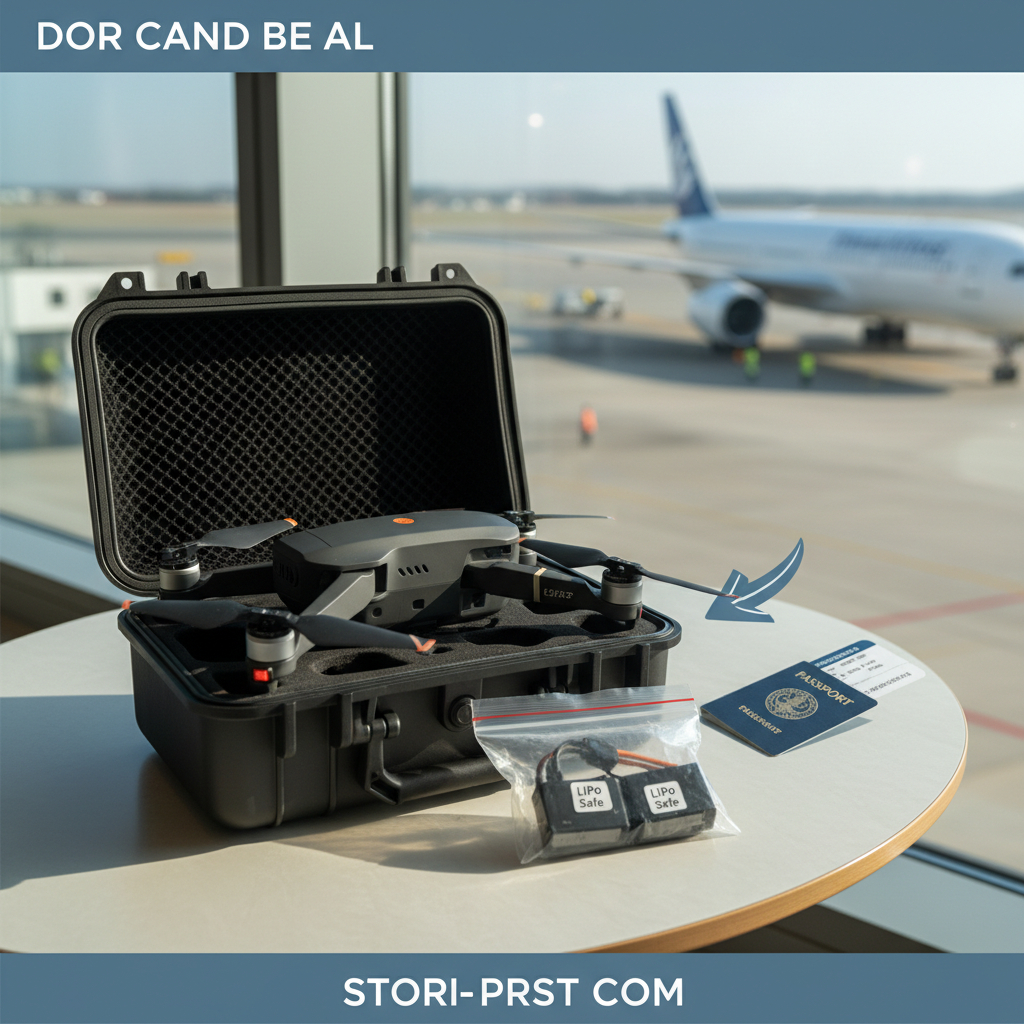
Yes, you can bring a drone on a plane, but there are specific regulations and guidelines you must follow to ensure compliance with airline and transportation security rules. Understanding these rules can help you avoid complications during your travels, allowing you to enjoy your drone experience whether for recreational use or professional purposes. This article will delve into essential aspects such as airline policies, TSA regulations, packing tips, international travel considerations, safety practices, and what to do if issues arise.
Understanding Airline Policies

When planning to travel with your drone, it is imperative to understand that different airlines have varying regulations regarding drones. Policies can differ significantly between carriers, so checking with your airline before your flight is essential. For instance, major airlines such as American Airlines and Delta may allow drones in carry-on luggage but might impose restrictions related to battery size and type. Some airlines may only permit drones under a certain weight, while others may require that they be stored in specific compartments. Always verify the airline’s guidelines regarding drone transportation, as non-compliance could lead to confiscation or delays at security checkpoints.
Additionally, some airlines may have specific policies regarding the transportation of lithium batteries, which are commonly used in drones. Understanding these nuances can greatly enhance your travel experience and ensure that you arrive at your destination without hassle.
TSA Regulations for Drones
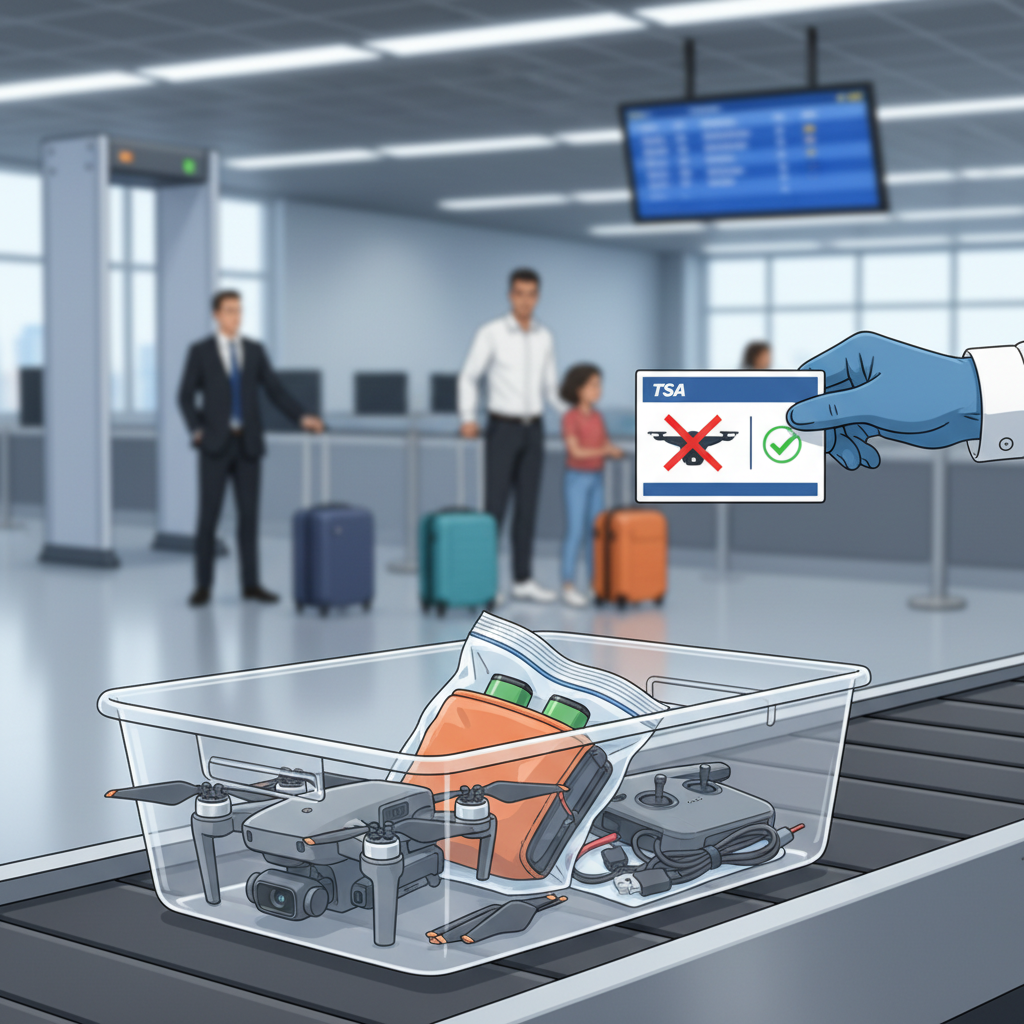
The Transportation Security Administration (TSA) has established clear regulations that govern the transport of drones in the United States. According to TSA guidelines, drones must be screened at security checkpoints, which means you should expect to remove your drone from its case for inspection. This requirement is in place to ensure safety and security for all passengers.
Moreover, when it comes to batteries, the TSA mandates that lithium batteries over a certain watt-hour rating (specifically over 100 watt-hours) must be carried in carry-on luggage only. Batteries must be kept in their original packaging or protected to prevent short-circuiting, and you should never pack them in checked luggage. If you have batteries that exceed the watt-hour limit, you may need to leave them behind or seek alternative shipping methods. Familiarizing yourself with these TSA regulations is crucial to avoid complications during your travel.
Packing Your Drone Properly
Proper packing of your drone is vital to ensure its safety during travel. Using a hard case or a padded bag specifically designed for drones is highly recommended, as these will protect the drone from impact and damage. Ensure that all components, including the drone, batteries, and remote controls, are securely stored in the case to prevent movement during transport.
It’s also wise to remove all batteries from the drone before packing. Not only does this comply with TSA regulations, but it also minimizes the risk of accidental activation during travel. Additionally, consider including protective padding around sensitive parts of the drone, like propellers and cameras, to further shield them from potential damage.
To make security checks smoother, organize your gear in a way that allows easy access to the drone and its accessories. This will help expedite the screening process and make your travel experience more efficient.
International Travel Considerations
Traveling internationally with a drone introduces a new layer of complexity, as different countries have their own regulations regarding drone importation and usage. Researching local laws is essential before your trip. For example, countries like Canada and the United Kingdom have specific regulations regarding drone operation, including weight limits, no-fly zones, and registration requirements.
Some nations may require permits or registration for drones, especially for commercial use. In some cases, you might need to apply for these permits well in advance of your travel date. Failing to comply with local laws can lead to fines or confiscation of your drone, so it’s crucial to be well-informed about the rules of the country you are visiting.
Furthermore, be aware that customs regulations may necessitate declaring your drone upon arrival. Having all necessary documentation and proof of ownership can help facilitate this process and avoid potential issues.
Safety and Security Tips
Ensuring the safety and security of your drone during air travel is paramount. Always remove the battery from the drone when packing it for air travel, as this not only complies with TSA regulations but also eliminates the risk of fire hazards. Store the battery in a protective case to prevent damage and ensure that it is easily accessible during security checks.
Additionally, keep your drone and its accessories within easy reach when going through airport security. This will allow for a quick and efficient screening process, reducing the chances of delays. Consider using a backpack or a carry-on bag specifically designed for drone storage, as these often have compartments for easy organization.
Lastly, be proactive in understanding the risks associated with traveling with technology. Stay informed about the latest safety protocols from both the TSA and your airline, as these guidelines can change frequently.
What to Do If You Encounter Issues
In the event that you encounter issues while traveling with your drone, knowing how to resolve them efficiently is essential. Familiarize yourself with your airline’s customer service policies and contact information, as they can provide assistance if you run into problems regarding your drone or its transport.
Additionally, it is important to understand your rights as a passenger regarding the carrying of personal electronics on flights. The FAA and TSA provide resources that outline what you can and cannot bring onboard. Should you feel that your rights are being violated, don’t hesitate to speak up and seek clarification.
If at any point your drone is confiscated or you face unexpected restrictions, document the situation thoroughly. Taking pictures of your drone and any relevant paperwork can be beneficial if you need to appeal a decision or retrieve your drone later.
In conclusion, traveling with a drone is indeed possible, but it requires careful planning and adherence to regulations set forth by airlines and governmental bodies. By researching airline policies, understanding TSA requirements, and familiarizing yourself with international laws, you can ensure a smooth travel experience. Prioritize safety and organization when packing your drone, and always be prepared to address any issues that may arise during your journey. With these guidelines in hand, you can confidently explore the skies, both in the air and while traveling. Happy flying!
Frequently Asked Questions
What are the rules for bringing a drone on a plane?
The rules for bringing a drone on a plane vary by airline and country, but generally, you can carry a drone in your carry-on luggage or checked baggage. Most airlines allow drones under certain weight limits, typically up to 5 pounds, but it’s essential to check your specific airline’s policy. Additionally, you must comply with local regulations regarding drone transport, including any necessary documentation or permits.
How do I pack a drone for air travel?
To pack a drone for air travel, disassemble any detachable parts, such as propellers and batteries, to minimize damage risk. Use a padded case or a hard-shell travel case designed for drones to provide protection during transit. Ensure that lithium batteries are stored in a manner compliant with airline regulations, often in carry-on baggage, as they can pose a fire risk.
Why might I be prohibited from bringing my drone on a plane?
You may be prohibited from bringing your drone on a plane due to airline policies, local laws, or safety regulations regarding lithium batteries. Some airlines have restrictions on drones that exceed weight limits or specific models due to their battery capacity. Additionally, destination countries may have stringent regulations on drone importation, which can lead to confiscation if you don’t comply.
What should I do if my drone is damaged during air travel?
If your drone is damaged during air travel, you should immediately report the issue to the airline before leaving the airport. Document the damage with photographs and keep any relevant receipts or boarding passes, as these will be necessary for filing a claim. Most airlines have specific procedures for handling damaged luggage, and it’s crucial to follow those guidelines to ensure you receive compensation.
Which airlines are the most drone-friendly for air travel?
Airlines known for being drone-friendly typically include Southwest Airlines, Delta, and American Airlines, as they often have clear policies regarding drone transport. However, it’s essential to verify each airline’s current regulations, as they can change frequently. Checking for customer reviews or forums for recent traveler experiences can also provide insights into the best airlines for transporting drones safely and without issue.
References
- https://www.faa.gov/uas/travel
- https://www.tsa.gov/travel/security-screening/carry-ons/prohibited-items
- https://en.wikipedia.org/wiki/Drone
- https://www.nytimes.com/2020/01/16/travel/drones-airplane-carry-on.html
- https://www.cnet.com/tech/mobile/can-you-bring-a-drone-on-a-plane-what-you-need-to-know/
- https://www.tripsavvy.com/traveling-with-a-drone-4174445
- https://www.theguardian.com/travel/2021/jun/26/can-you-take-a-drone-on-a-plane-and-other-things-to-know
- https://www.icao.int/Pages/default.aspx
- https://www.nytimes.com/2019/08/05/travel/airline-drone-rules.html
