
Drones are generally not allowed in the cabin of international flights with Emirates, but there are specific guidelines for transporting them in checked luggage. Understanding these regulations is essential for travelers planning to take their drones abroad, as adhering to these rules can ensure a hassle-free journey and protect your valuable equipment.
Overview of Emirates’ Drone Regulations
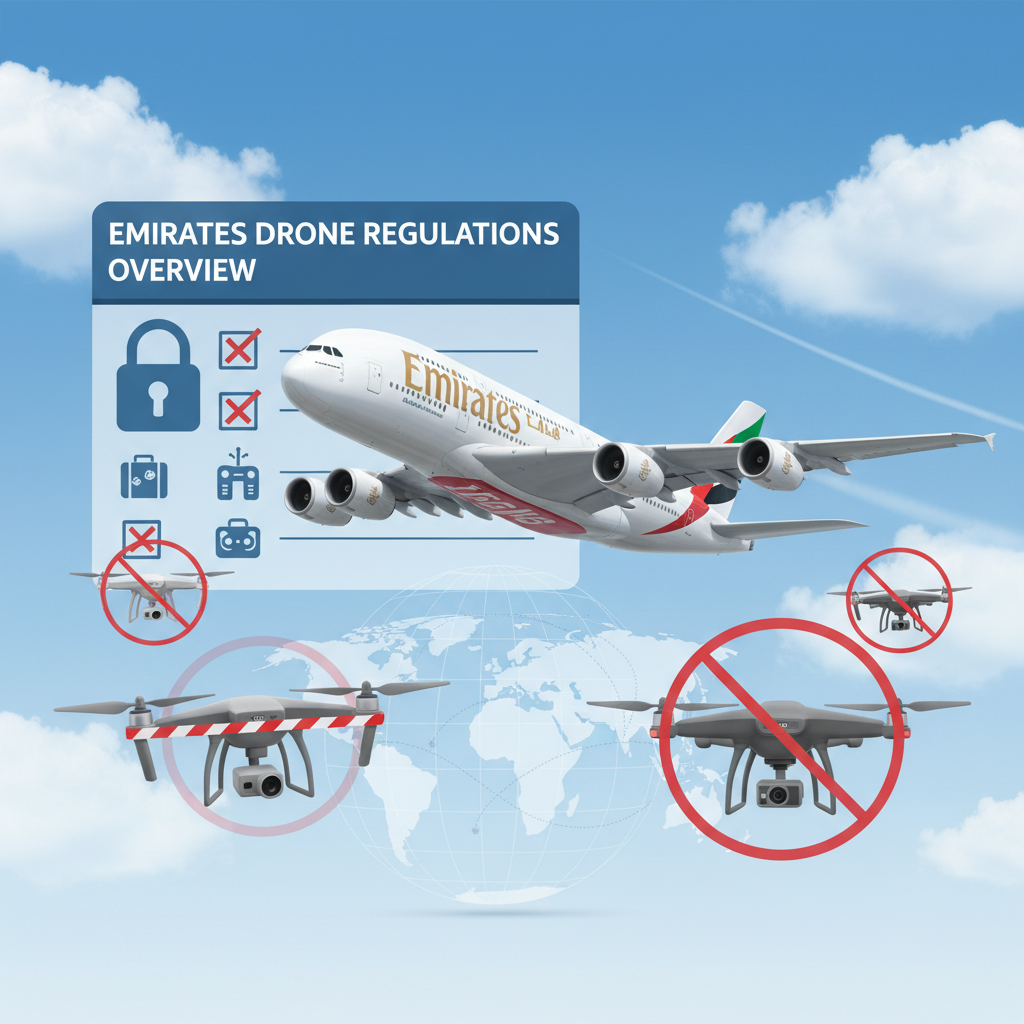
Emirates follows strict guidelines regarding drone transportation to ensure safety and compliance with international regulations. Passengers are required to declare drones at check-in, which helps the airline manage and monitor the transportation of these devices effectively. It is important for travelers to familiarize themselves with the airline’s policies before arriving at the airport, as failure to comply could result in delays or the inability to transport the drone altogether. Additionally, passengers should be aware that these regulations may be subject to change, so checking the latest updates on the Emirates website or contacting customer service is advisable.
Carry-On Restrictions
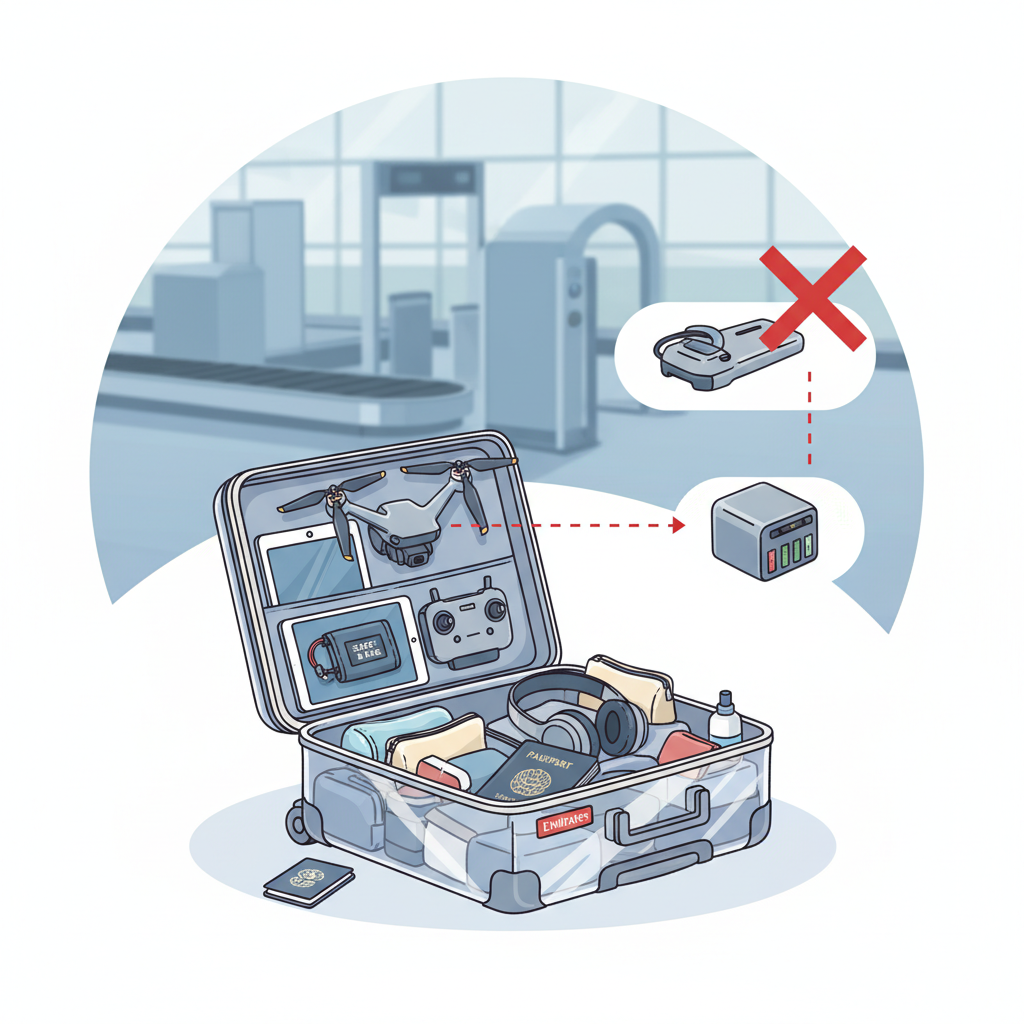
When it comes to carry-on luggage, drones are prohibited in the cabin of Emirates flights. This policy is primarily driven by safety concerns, as the lithium batteries commonly used in drones can pose a fire hazard if not properly stored. Therefore, drones must be checked in as part of your luggage. However, it’s important to note that the batteries used in drones have specific size and quantity limits set by the airline. Typically, Emirates allows lithium batteries with a maximum capacity of 160 watt-hours in checked baggage, but passengers should be prepared to comply with any restrictions imposed by both the airline and the destination country. Always confirm the latest battery regulations before your flight to avoid complications at check-in.
Checking Drones as Luggage
Drones can be transported in checked baggage if they are properly packed to prevent damage during transit. It is highly recommended to use a hard case or a padded bag designed specifically for drone transport. This ensures that the drone remains secure and cushioned against impacts that could occur during handling. Additionally, disassembling the drone into its component parts—such as removing propellers and landing gear—can help minimize the risk of damage. When packing, be sure to include any necessary accessories and equipment, ensuring they are also cushioned appropriately. Travelers should also label their luggage clearly to facilitate identification and minimize the risk of loss.
International Regulations on Drones
When planning to travel internationally with a drone, it is essential to research the regulations of the destination country, as these can vary significantly. Some countries have stringent rules regarding drone entry and usage, including registration requirements, flight restrictions, and designated no-fly zones. For example, countries like Canada and Australia have specific regulations that may involve obtaining permits or notifying local authorities prior to flying a drone. Failing to comply with local laws can result in hefty fines or confiscation of the drone. Therefore, travelers should consult resources such as government websites or local aviation authorities to gather the necessary information about drone regulations before arriving at their destination.
Customs and Declaration Process
Upon arrival in certain countries, passengers may need to declare their drones to customs officials. This process can vary by country, and it is advisable to have all relevant documentation readily accessible, including purchase receipts and proof of registration if applicable. Some countries may require additional documentation or permits for drone entry, so keeping a copy of the drone’s specifications and any applicable insurance can facilitate clearance through customs. Being proactive about knowing the customs regulations of the destination can save you time and stress upon arrival.
Safe Transport Tips for Drones
To ensure the safe transport of drones, a few best practices should be followed. First and foremost, disassembling the drone before packing it is crucial. This not only reduces the chances of damage but also makes packing easier. Use a hard case specifically designed for drones, as it provides the best protection against impacts and environmental factors. Additionally, remember to remove the batteries before checking in the drone, as they should be stored according to airline regulations. Batteries should typically be placed in a plastic bag or protective case to prevent short-circuiting. Lastly, label your luggage clearly to avoid any mix-ups at the airport.
Alternatives to Bringing Drones
If the regulations surrounding drones at your destination seem overly complex or restrictive, consider alternative options. Renting a drone locally can be a viable solution, as many destinations offer drone rental services that allow you to capture aerial footage without the hassle of transporting your own device. Additionally, you may find local drone services that provide aerial photography or videography, which can meet your needs without the complications of bringing your own drone. Researching these alternatives can help you make informed decisions that align with your travel plans and preferences.
In conclusion, while Emirates has specific rules about transporting drones on international flights, careful planning and adherence to these regulations can lead to a smooth travel experience. By understanding the airline’s policies, researching international regulations, and following safe transport practices, travelers can enjoy the advantages of bringing their drones abroad. Always check the latest guidelines for both the airline and your destination to avoid potential complications and ensure that your drone adventure goes as smoothly as possible.
Frequently Asked Questions
Are drones allowed on Emirates international flights?
Yes, drones are allowed on Emirates international flights, but there are specific regulations you must follow. Passengers can carry drones in their checked luggage, but they must comply with the airline’s size and weight restrictions. Additionally, it is essential to check the regulations of both the departure and destination countries regarding the import and use of drones, as restrictions can vary significantly.
What are the restrictions for carrying drones on Emirates flights?
When traveling with a drone on Emirates, passengers must ensure that the drone is powered off and packed securely in their luggage. Emirates allows drones in checked baggage, but they should not exceed the airline’s weight limits. Furthermore, lithium batteries must be transported in accordance with IATA regulations, typically in carry-on baggage, with a capacity limit of 160 watt-hours for larger batteries.
How can I check the regulations for bringing a drone into another country when flying with Emirates?
To check the regulations for bringing a drone into another country, you can start by visiting the official government website of your destination country. Most countries have specific guidelines regarding drone usage, registration, and importation. Additionally, the International Civil Aviation Organization (ICAO) and local aviation authorities can provide essential information. It’s also wise to consult forums or communities dedicated to drone enthusiasts for up-to-date travel tips.
Why is it important to know the drone regulations of my destination country when flying with Emirates?
Knowing the drone regulations of your destination country is crucial to avoid potential legal issues, fines, or confiscation of your drone upon arrival. Many countries have strict rules regarding drone flights, including registration requirements, restricted airspace, and designated flying areas. Understanding these regulations ensures compliance and helps promote safe drone operation, allowing you to enjoy your flying experience without any unexpected complications.
What should I do if I accidentally forget to declare my drone at customs when traveling with Emirates?
If you forget to declare your drone at customs while traveling with Emirates, it is vital to address the situation immediately upon realization. Approach a customs officer and explain the oversight, as honesty can lead to a more favorable outcome. Many countries have specific procedures for individuals who unintentionally fail to declare items, and cooperating with customs officials can often help mitigate penalties or confiscation of your drone.
References
- https://www.bbc.com/news/world-middle-east-56356391
- https://www.wired.com/story/drones-international-flights/
- https://www.faa.gov/uas/
- https://www.dhl.com/content/dam/downloads/g0/about_us/logistics_insights/dhl_drones_whitepaper.pdf
- https://www.theguardian.com/world/2020/dec/14/uae-drone-law-changes-what-you-need-to-know
- https://www.emirates.com/english/help/faq/flying-with-drones/
- https://www.civilaviation.gov.ae/
- https://www.nytimes.com/2022/11/02/world/middleeast/uae-drones-regulations.html
