

Yes, you can bring a drone to India, but doing so legally requires more than simply packing it in your bag. India has a defined regulatory framework for unmanned aircraft systems, and travelers must comply with rules covering drone registration, customs clearance, airline baggage policies, and battery transport. Whether you are visiting India for tourism, aerial photography, filmmaking, surveying, or business, understanding the applicable DGCA rules can help you avoid delays, fines, or confiscation at the airport.
📋 About This Article
Yes, you can bring a drone to India, but you need to follow the country’s rules for both entry and flying, not just pack it in your luggage. This article is for travelers, creators, and business users who want to transport a drone legally and avoid trouble at customs or the airport. It covers what to do before you travel, what permissions and paperwork may be required on arrival, and practical tips for safe, compliant drone operation in India.
India treats drones as regulated aircraft equipment rather than ordinary consumer electronics. That means travelers should prepare in advance, verify the latest rules, and carry the right documents. If you plan to fly your drone after arrival, compliance becomes even more important, especially in relation to airspace restrictions, flight permissions, and safety protocols.
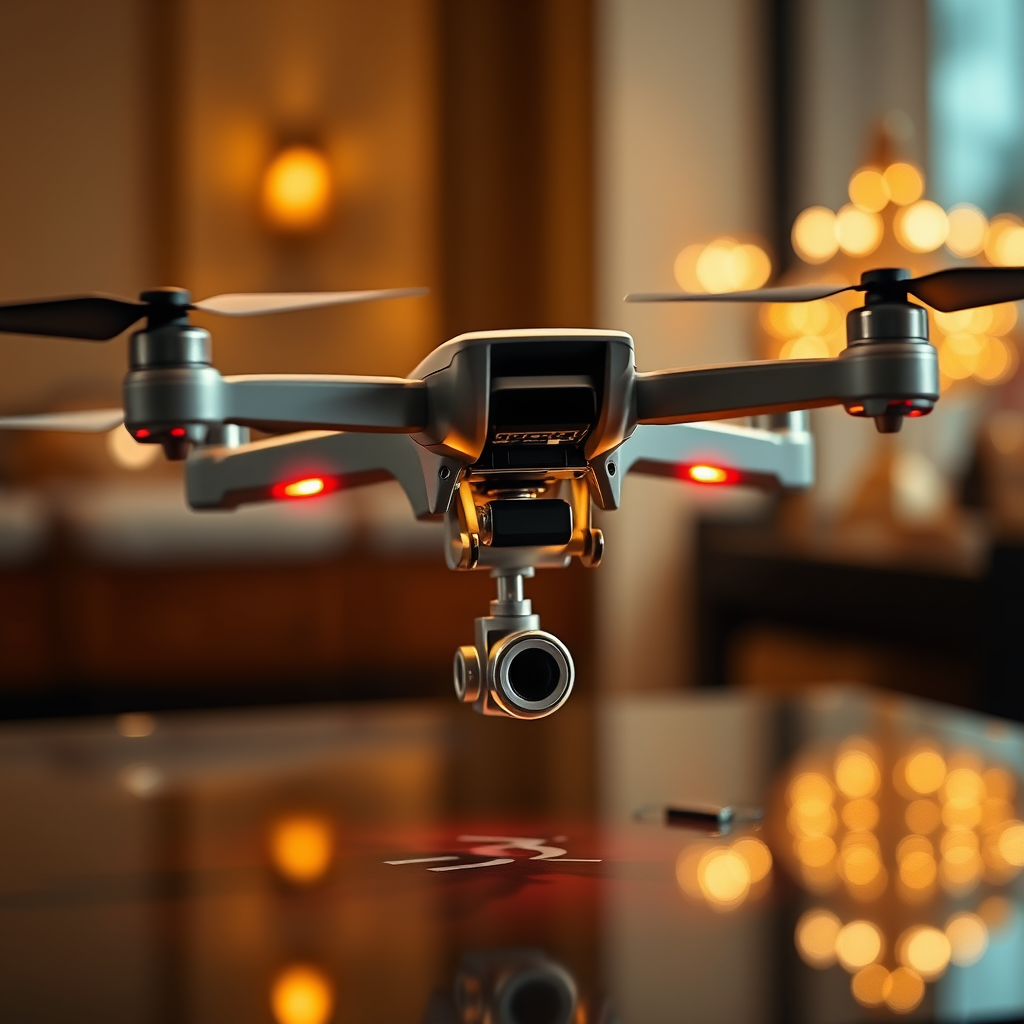
Can You Carry a Drone to India?
In general, travelers are allowed to carry drones into India, but permission to bring a drone into the country is not the same as unrestricted permission to operate it. Indian authorities regulate both import and usage. A drone that enters the country without proper documentation, or one that does not meet local technical requirements, may attract scrutiny from customs officials.
For most travelers, the key issue is not only whether the drone is permitted in luggage, but also whether it complies with Indian civil aviation norms. This is particularly relevant for foreign nationals, content creators, and commercial operators who intend to use drones for aerial filming, mapping, inspection, or event coverage.
Indian Drone Regulations You Should Know
The main authority responsible for drone regulation in India is the Directorate General of Civil Aviation (DGCA). The DGCA oversees drone operations in Indian airspace and sets the framework for registration, classification, and operational safety. If you intend to use a drone in India, you should review the latest DGCA rules before traveling, as requirements may change over time.
DGCA Registration and Compliance
Drones used in India are typically subject to regulatory oversight, and many categories require registration or compliance with digital identification and airworthiness standards. The exact obligations depend on the drone’s weight, specifications, and intended use. Recreational drones and commercial drones may be treated differently, and larger or more advanced unmanned aircraft usually face stricter requirements.
Travelers should be prepared to provide details such as:
- Drone model and manufacturer
- Weight category
- Serial number
- Purpose of use
- Ownership information
- Technical compliance documents, if available
Keeping digital and printed copies of these records can make airport checks and customs review much easier.
Drone Categories and Operational Limits
India classifies drones based on factors such as weight and use case. These categories are important because they influence what type of approval, pilot qualification, or operational restriction may apply. A lightweight recreational drone may face fewer requirements than a commercial drone used for surveying or professional cinematography.
Operators are generally expected to follow core safety rules such as:
- Maintaining visual line of sight
- Respecting altitude restrictions
- Avoiding restricted or prohibited zones
- Staying away from airports, defense areas, and military installations
- Following local public safety rules and privacy norms
Flying in sensitive airspace without authorization can lead to serious penalties. Depending on the violation, authorities may impose fines, seize the drone, or take further legal action.
Importing a Drone into India
Importing a drone into India is possible, but customs compliance is a critical part of the process. Travelers should not assume that a drone will be treated like a standard camera accessory or electronic gadget. Indian customs authorities may inspect drones more closely, especially if the equipment appears new, high-value, or intended for business use.
Documents to Carry for Customs Clearance
To reduce the risk of delays, it is wise to carry supporting documents that explain the drone’s specifications and legal status. Useful paperwork may include:
- Purchase invoice or proof of ownership
- Product specification sheet
- Manufacturer compliance information
- Battery details and watt-hour rating
- Any DGCA-related documentation, if applicable
- A brief statement of personal or professional use
If customs officers request clarification, these documents can help demonstrate that the drone is for legitimate use and meets relevant technical standards.
Why Technical Specifications Matter
Indian authorities may assess whether the drone aligns with local aviation and import standards. Weight, communication capability, battery configuration, and onboard camera functions can all affect how the drone is viewed during inspection. A drone that lacks proper documentation or appears non-compliant may be held, delayed, or confiscated.
For that reason, travelers should verify the drone’s exact model details before departure and avoid carrying modified equipment unless they can clearly document its configuration.
Can You Pack a Drone in Carry-On or Checked Baggage?
In most cases, drones are better carried in cabin baggage rather than checked luggage, but airline policies vary. Many airlines allow the drone body in carry-on baggage if it fits within size and weight limits. However, the final decision rests with the airline and airport security staff.
Before flying to India, check the baggage rules of:
- Your international airline
- Any connecting carrier
- Your domestic airline within India, if applicable
Some airlines are stricter about drone transport, especially when multiple batteries, propellers, charging hubs, or accessories are involved.
Best Practice for Packing the Drone
For safe travel, pack the drone in a padded protective case and remove detachable parts where possible. Fold the arms if the design permits, secure the gimbal, and protect camera components from impact. Organizing accessories neatly can also make security screening faster.
A practical packing checklist includes:
- Drone body in a hard or padded case
- Propellers removed or secured
- Gimbal cover installed
- Remote controller packed separately if needed
- Cables and chargers organized
- Batteries individually protected
Lithium Battery Rules for Drone Travel
Drone batteries are often the most sensitive part of air travel. Most drones use lithium-ion batteries, which are subject to strict aviation safety rules because of fire risk. In general, airlines require spare lithium batteries to be carried in hand luggage rather than checked baggage.
Battery Watt-Hour Limits
Many airlines permit lithium-ion batteries up to 100 watt-hours (Wh) in carry-on baggage without special approval, although policies differ. Larger batteries may require airline permission or may be prohibited altogether. Always check the watt-hour rating printed on the battery label before travel.
Important battery precautions include:
- Carry spare batteries only in cabin baggage
- Do not place loose batteries in checked luggage
- Use protective battery covers or individual pouches
- Prevent terminal contact to avoid short circuits
- Follow airline quantity limits for spare batteries
If your drone uses high-capacity batteries, contact the airline in advance and get written confirmation whenever possible.
Airport Security and Battery Screening
Security staff may ask you to remove batteries from your bag for inspection. Labeling, proper storage, and clean packaging can help avoid confusion. If the batteries appear damaged, swollen, or poorly packed, they may be rejected during screening.
Where You Cannot Fly a Drone in India
Even if you legally bring a drone into India, you cannot operate it everywhere. Indian airspace includes restricted, controlled, and sensitive areas where drone flights may be prohibited or heavily regulated. Flying near strategic infrastructure can create legal and security issues very quickly.
Areas commonly considered sensitive include:
- Airports and airfields
- Military bases and defense zones
- Government complexes
- Border regions
- Large public gatherings
- Certain urban locations with controlled airspace
Travelers planning aerial photography in heritage cities, coastal areas, or near monuments should also verify local restrictions. Cultural and security concerns may apply even when a location seems open and accessible.
Tips for Travelers Bringing Drones to India
1. Check the Latest DGCA Rules Before Departure
Drone policy can evolve. Review the latest guidance from official Indian aviation and customs sources before you fly. Do not rely only on old travel forum posts or outdated airline summaries.
2. Carry Complete Documentation
Bring copies of invoices, product manuals, serial numbers, and compliance information. Store both printed and digital versions for convenience.
3. Verify Airline Baggage and Battery Policies
Different airlines apply different rules. Confirm whether the drone must be carried in the cabin, how many batteries are allowed, and whether pre-approval is required for larger batteries.
4. Pack for Inspection
Assume that airport security or customs may want to inspect the drone. Keep it accessible, neatly packed, and easy to explain.
5. Understand the Difference Between Personal Use and Commercial Use
A drone carried for casual travel photography may be treated differently from one intended for professional production or surveying. If your purpose is commercial, make sure you understand any extra permissions or registration obligations.
6. Avoid Flying Without Confirming Local Permissions
Owning or importing the drone does not automatically grant flight authorization in every location. Check airspace restrictions and any state or local rules before launch.
Bringing a drone to India is entirely possible, but it requires planning, documentation, and awareness of local aviation law. Travelers who prepare carefully are far more likely to pass customs smoothly, meet airline requirements, and enjoy lawful drone use during their visit. For anyone carrying valuable camera drones, recreational quadcopters, or commercial unmanned aircraft, compliance with DGCA regulations and airline battery rules should be the top priority.
Frequently Asked Questions
Can tourists bring drones to India for personal use?
Yes, tourists may be able to bring a drone to India for personal use, but they must follow Indian customs, aviation, and drone operation rules. Simply carrying a drone into the country does not automatically mean it can be flown legally. In many cases, drones entering India are subject to scrutiny at the airport, and travelers should be prepared to show purchase details, technical specifications, and the purpose of use. Depending on the drone type, weight, and intended operation, registration or prior approval may also be required. Since drone rules in India can change, travelers should always check the latest guidance from the Directorate General of Civil Aviation (DGCA), customs authorities, and their airline before departure.
Do I need permission or registration to fly a drone in India?
In many situations, yes. India regulates drone operations based on factors such as drone category, weight, location, and purpose of use. Some drones may need registration on the official digital platform used for drone compliance, while certain operators may require a remote pilot certificate depending on the class of drone and how it will be flown. Even if a drone does not require full licensing, users must still comply with operational restrictions, including where and how the drone may be flown. Recreational users should not assume that personal travel or hobby use exempts them from the rules. It is important to verify whether your drone needs registration, whether you need pilot authorization, and whether the planned flight area requires special clearance.
Are there places in India where flying a drone is prohibited?
Yes, India has strict no-fly and restricted zones for drones. Flying is generally prohibited or tightly controlled near airports, military installations, international borders, government buildings, strategic infrastructure, and other sensitive areas. In addition, some tourist destinations, wildlife zones, heritage sites, and urban locations may have local restrictions imposed by authorities. Even if a place looks open or scenic, it may still be off-limits for drone operations. Before flying, operators should review official airspace maps, local rules, and any temporary restrictions in effect. Violating no-fly zones can lead to fines, confiscation of equipment, or legal action, so checking the flight area in advance is essential.
Can customs confiscate my drone when I arrive in India?
Customs authorities may inspect a drone on arrival, and in some cases they can detain or question the import if documentation is incomplete or if the item appears non-compliant with current regulations. This does not happen in every case, but travelers should be prepared for possible checks. To reduce problems, carry invoices, product specifications, battery details, identification, and proof of intended personal use or legal authorization if applicable. It is also wise to review airline battery rules because lithium batteries often have separate transport requirements. If there is any doubt about bringing a drone into India, contacting the airline, Indian customs, or the relevant aviation authority before travel can help avoid delays or confiscation issues at the airport.
What are the best tips for traveling with a drone to India?
The best approach is to prepare well before your trip. First, confirm the latest DGCA and customs rules for bringing and flying drones in India. Second, check your drone’s weight, model, and technical details to see whether registration or pilot certification may be needed. Third, pack the drone safely and follow airline rules for batteries, as lithium batteries are usually required in carry-on luggage with specific limits. Fourth, avoid planning flights in airports, crowded cities, border regions, military zones, or protected sites unless you have clear authorization. Fifth, keep digital and printed copies of all documents, including purchase receipts, ID, travel itinerary, and any approvals. Finally, respect privacy and local sensitivities, because even where drone use is technically allowed, authorities or property owners may still restrict filming in certain areas.
