
Copper tape can provide some resistance to drone jammers, but its effectiveness depends on various factors including the frequency of the jamming signal and the quality of the tape. This article explores how copper tape interacts with drone jammers and other practical considerations, ensuring drone enthusiasts and professionals understand its potential benefits and limitations.
Understanding Drone Jammers
Drone jammers are electronic devices designed to disrupt the communication signals between a drone and its operator. By emitting radio frequency (RF) signals on the same frequency band used by drones, these jammers effectively interfere with the drone’s ability to receive commands and transmit data. This interruption can cause drones to lose control, potentially leading to crashes or forced landings. Common frequencies utilized by drone jammers typically range from 2.4 GHz to 5.8 GHz, which are the standard operating frequencies for many consumer drones. Understanding these frequencies is crucial for anyone considering protective measures against jamming devices.
The Role of Copper Tape
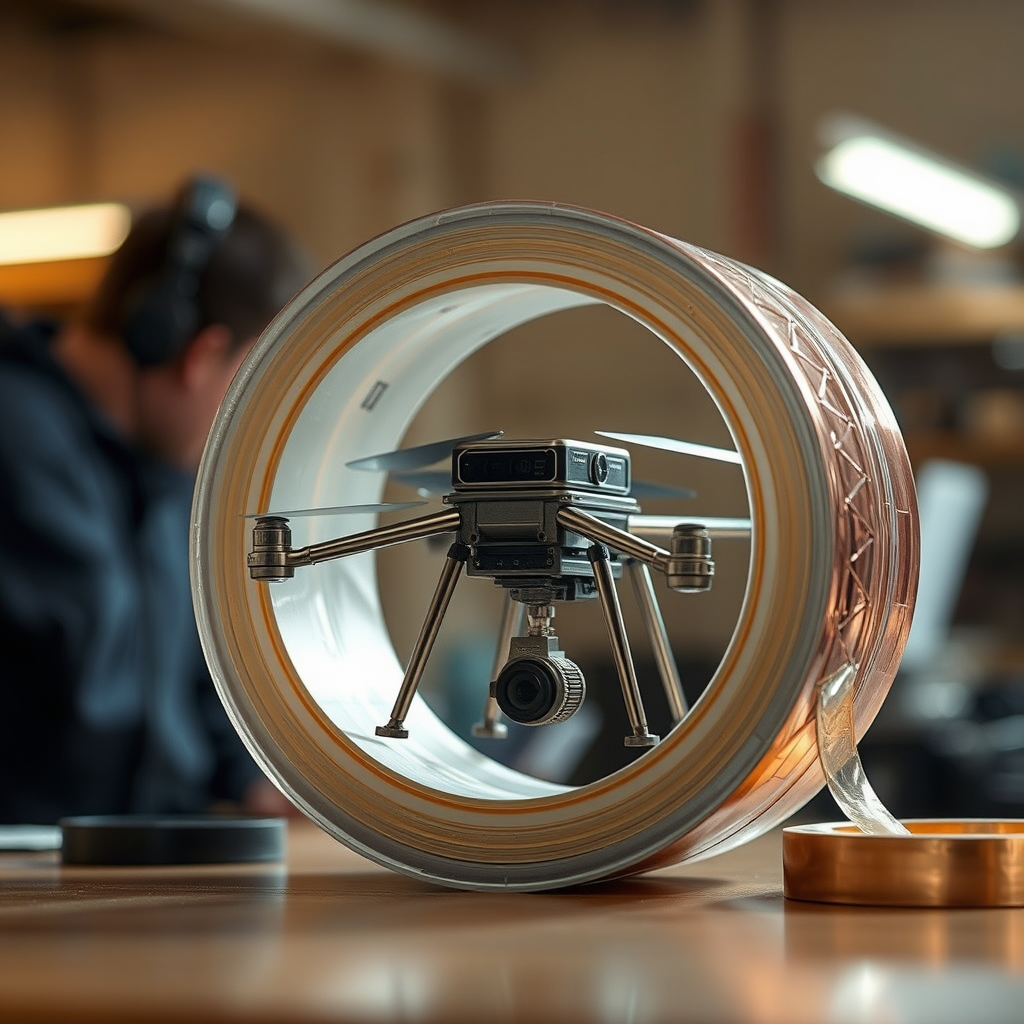
Copper tape is a thin, adhesive-backed tape made from copper, known primarily for its excellent conductive properties. This conductivity allows copper tape to act as a shield against electromagnetic interference (EMI). When applied to surfaces or used in the construction of a protective enclosure, copper tape can create a Faraday cage effect, which blocks certain RF signals from penetrating the enclosed area. This characteristic makes it a candidate for potentially reducing the impact of drone jammers. However, the effectiveness of copper tape as a shielding material is contingent upon its application and the specific characteristics of the jamming signal.
Effectiveness of Copper Tape Against Jammers
The effectiveness of copper tape in resisting drone jammers is influenced by several factors. First, the thickness and quality of the tape play a significant role; higher-quality, thicker copper tape generally provides better shielding than thinner, lower-grade options. Second, the frequency of the jamming signal is crucial; copper tape may effectively attenuate certain frequencies while being less effective against others. Additionally, the surface area covered by the tape is important; larger areas of coverage can improve shielding efficiency. Despite its advantages, there are limitations. For example, if the jamming signal is particularly strong or if the tape is poorly applied, the effectiveness of copper tape as a countermeasure can be compromised, leaving the drone vulnerable to interference.
Practical Applications of Copper Tape
Copper tape can be applied in various ways to offer protection against drone jammers. One practical application is the construction of a protective enclosure for critical electronic components of the drone, such as the receiver and flight controller. By lining the interior of the enclosure with copper tape, operators can create a shield that reduces the likelihood of jamming impacts. Another method involves wrapping the drone’s antennas with copper tape, which may help to mitigate interference, although care must be taken to avoid negatively affecting the drone’s signal reception. Numerous enthusiasts and professionals have reported successful implementations of copper tape in their drone setups, underscoring its potential utility in protective measures.
Alternatives to Copper Tape
While copper tape offers some level of protection against drone jammers, there are alternative materials that can also serve this purpose. Conductive fabrics, such as those made from silver or nickel-coated materials, provide flexibility and can be used to create lightweight shielding solutions. Metal mesh, particularly aluminum mesh, can serve as an effective barrier against RF signals, offering a robust alternative to copper tape. Each of these alternatives comes with its own set of advantages and disadvantages concerning weight, flexibility, and ease of application. It’s essential to compare the effectiveness and practicality of these materials in relation to the specific drone and the anticipated jamming threats.
Legal and Ethical Considerations
The use of jammers, including drone jammers, is heavily regulated in many countries due to the potential for misuse and public safety concerns. In the United States, for instance, the Federal Communications Commission (FCC) prohibits the use of jamming devices, which can result in substantial fines and legal repercussions. This raises ethical questions surrounding the use of countermeasures like copper tape. While protecting a drone from interference may seem justifiable, it is crucial for users to remain aware of the legal implications of their actions. Engaging in practices that disrupt legitimate communications or aviation operations can lead to serious consequences, making it necessary to approach the use of copper tape and other countermeasures with caution and responsibility.
Future Developments
As technology evolves, so too does the landscape of materials available for shielding against drone jammers. Researchers are actively exploring innovations in nanomaterials and advanced composites that could provide even more effective solutions for countering RF interference. Additionally, predictions for advancements in drone technology suggest that as drones become more sophisticated, so too will the jamming devices designed to target them. This arms race between drone technology and countermeasures highlights the importance of ongoing research and development in the field. Future developments may lead to more effective and practical solutions for protecting drones from jamming threats, including improved conductive materials and novel shielding techniques.
In conclusion, while copper tape can offer some level of resistance to drone jammers, it is not a foolproof solution. Its effectiveness is contingent upon various factors, including the quality of the tape and the characteristics of the jamming signal. As drone technology and jamming devices continue to evolve, exploring alternative materials and understanding the legal implications of countermeasures becomes increasingly important for those interested in protecting their drones. Knowledge of both the limitations and applications of copper tape, alongside awareness of emerging technologies, is essential for anyone navigating the challenges posed by drone jamming.
Frequently Asked Questions
Can copper tape effectively block drone jammers?
Copper tape can help in providing a degree of shielding against certain frequencies used by drone jammers, primarily due to its conductive properties. However, the effectiveness of copper tape in fully blocking drone jammers is limited and depends on the specific frequency range of the jammer. For a more comprehensive solution, additional shielding and protective measures may be necessary.
How does copper tape work as a shielding material against drone jammers?
Copper tape works by creating a conductive barrier that can absorb and reflect electromagnetic signals, including those emitted by drone jammers. When properly applied, copper tape can interrupt the signal transmission between the drone and its controller, potentially reducing interference. However, the effectiveness will vary based on the jamming technology used and the frequency it operates on.
Why do people use copper tape for drone jamming protection?
People use copper tape for drone jamming protection because it is a relatively affordable and easy-to-use material that offers some level of electromagnetic interference shielding. It can be applied to various surfaces, including drones themselves, to provide a DIY solution for those concerned about signal loss due to jammers. Additionally, copper tape is lightweight, making it suitable for drone applications without significantly adding weight.
What are the best practices for using copper tape to resist drone jammers?
The best practices for using copper tape to resist drone jammers include ensuring a continuous and well-grounded application to maximize conductivity. It’s important to cover all critical areas of the drone, including antennas and circuit boards, while avoiding gaps that could allow signals to penetrate. Additionally, combining copper tape with other shielding materials, such as conductive fabrics, can enhance protection against jamming.
Which types of drone jammers can be mitigated by copper tape?
Copper tape can potentially mitigate low-power jammers that operate within specific frequency ranges, like those used for remote control and video transmission. However, high-power jammers or those utilizing advanced techniques may still overpower the shielding effect of copper tape. For comprehensive protection, it’s advisable to assess the type of jamming threat and consider a multi-layered approach to shielding.
References
- https://en.wikipedia.org/wiki/Drone_jamming
- https://www.nist.gov/news-events/news/2020/08/guide-drones-and-drones-jamming
- https://www.ncbi.nlm.nih.gov/pmc/articles/PMC7217349/
- https://www.sciencedirect.com/science/article/pii/S0167739X19303686
- https://www.faa.gov/newsroom/faa-responds-drone-jamming-issues
- https://www.itu.int/en/ITU-R/study-groups/r02/Pages/default.aspx
