
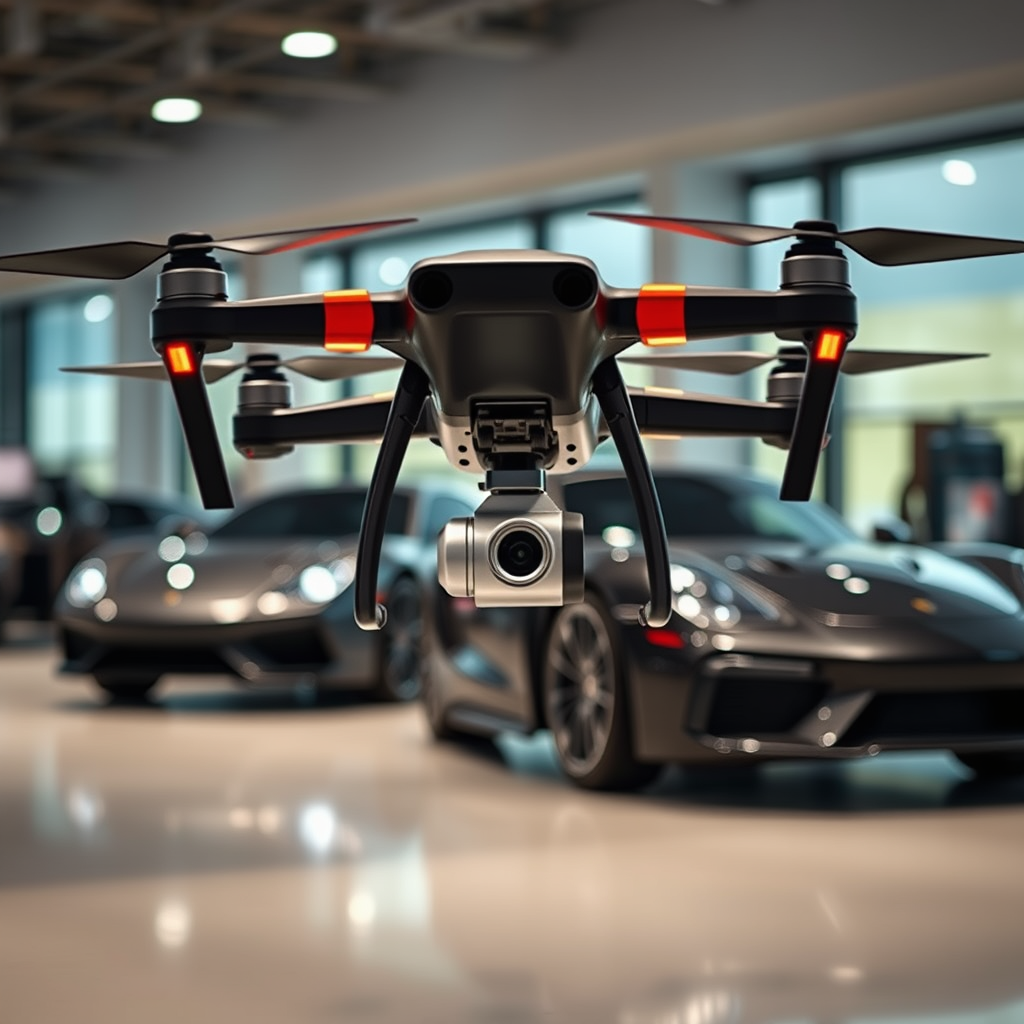
Drones can typically carry weights ranging from a few grams to several hundred kilograms, depending on their design and purpose. Understanding the payload capacity of drones is crucial for users who wish to leverage this technology for applications such as delivery, agriculture, and surveying. In this article, we will delve into the factors that influence a drone’s payload capacity, the various types of drones available, and their applications across multiple industries.
Understanding Drone Payload Capacity
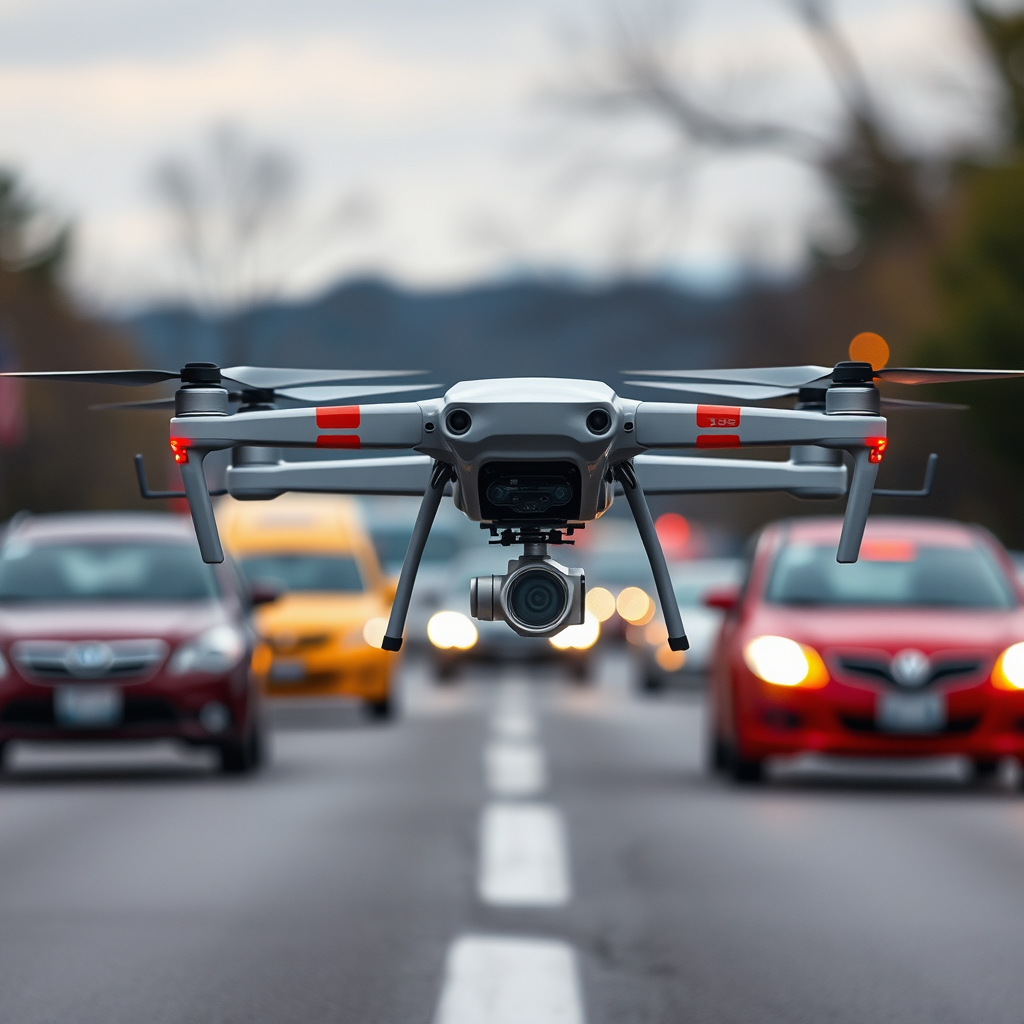
Payload capacity varies significantly based on drone design and specifications. The weight that a drone can carry is primarily determined by its size, motor power, and overall engineering. Consumer drones—often used for recreational purposes or light professional applications—generally have a payload capacity ranging from 0.5 to 5 kilograms. These drones are engineered for agility and ease of use but are limited in the weight they can transport.
In contrast, commercial drones, used in industries such as construction, agriculture, and logistics, can handle weights exceeding 150 kilograms. For instance, heavy-lift drones designed for industrial applications can transport large items like construction materials or agricultural supplies. Understanding these distinctions is pivotal for anyone looking to select the appropriate drone for their specific needs.
Types of Drones and Their Weight Limits
When it comes to drone types, there are several categories, each suited for different payload requirements.
Multi-rotor drones are among the most popular for smaller payloads due to their excellent maneuverability and ease of control. Commonly used for aerial photography and light deliveries, these drones can typically carry 0.5 to 5 kg. For example, the DJI Phantom series can handle around 1 kg, making it ideal for carrying a lightweight camera.
On the other hand, fixed-wing drones excel in covering longer distances and are better suited for larger payloads. They generally have a higher lift capacity, which allows them to carry heavier equipment over extended periods. For instance, the senseFly eBee X can carry payloads of up to 1.5 kg and is widely used in mapping and surveying applications.
Hybrid drones, which combine the features of multi-rotor and fixed-wing drones, are also emerging in the market. These drones can take off and land vertically like multi-rotors while offering the endurance and efficiency of fixed-wings, catering to a broader range of payload capacities.
Factors Affecting Weight Capacity
Several critical factors influence a drone’s weight capacity, notably battery life and the power-to-weight ratio. A drone must have sufficient thrust not only to lift its own weight but also to carry additional payloads. The efficiency of the battery plays a vital role in achieving this balance. A drone with a powerful battery can sustain longer flight times while carrying heavier loads.
Moreover, external factors such as weather conditions and altitude can impact a drone’s performance when loaded. High winds can impede a drone’s ability to maneuver, potentially reducing its effective payload capacity. Similarly, at higher altitudes, the lower air density affects lift, which can limit the operational capacity of the drone. For example, flying in mountainous regions might necessitate a drone with a higher power-to-weight ratio to maintain stability and performance.
Applications of Drones with High Payload Capacities
Drones equipped with high payload capacities have transformative applications across various sectors.
In agriculture, drones are increasingly being utilized to transport seeds, fertilizers, and pesticides efficiently. With the ability to cover vast areas quickly, drones can reduce the time and labor needed for traditional farming practices. For example, the DJI Agras series can carry several kilograms of agricultural inputs, enabling precise and efficient crop management.
In the realm of delivery services, companies are exploring drone deliveries for packages and medical supplies. Major logistics firms, such as Amazon and UPS, are investing in drone technology to facilitate rapid delivery, requiring drones with significant weight limits. A notable example is Zipline, which operates drones that can deliver medical supplies to remote areas, carrying payloads up to 1.75 kilograms.
Safety and Regulations
Understanding local regulations regarding drone weights and airspace is essential for safe operation. Regulatory bodies, such as the Federal Aviation Administration (FAA) in the United States, impose strict guidelines on the operational limits of drones, including weight restrictions. Adhering to these regulations not only ensures legal compliance but also enhances safety in the airspace.
Overloading a drone can lead to malfunctions, reduced flight stability, and even catastrophic failures, making compliance with weight limits critical. For instance, flying a drone above its specified weight limit can lead to increased battery drain and potential loss of control, posing risks to both the operator and the public.
Future Trends in Drone Payload Capacity
As technology continues to evolve, advancements in battery technology and materials are expected to significantly increase payload capacities in the future. Innovations in lithium-sulfur batteries, for instance, promise higher energy density and longer flight times, allowing drones to carry heavier loads more efficiently.
Additionally, research into hybrid drones—which may utilize both electric and fuel-based power systems—could lead to vehicles capable of carrying even heavier loads. These advancements may open new avenues for industries such as emergency response, where immediate transportation of substantial supplies is critical.
In conclusion, the weight a drone can carry is influenced by numerous factors, including its type, design, and intended application. Understanding these elements is essential for users to select the right drone for their needs effectively. As we look to the future, ongoing advancements in technology will likely expand the capabilities of drones, making them even more integral to various industries. If you’re considering utilizing drones for transporting goods or services, thorough research and adherence to safety regulations are paramount for successful and responsible operation.
Frequently Asked Questions
What is the typical weight capacity of consumer drones?
The typical weight capacity of consumer drones varies significantly based on the model and design, but most can carry between 0.5 to 5 pounds (0.2 to 2.3 kg). Drones designed for photography or recreational use tend to have lower payload capacities, while racing and heavy-lift drones can support higher weights. It’s crucial to check the manufacturer’s specifications to ensure you’re operating within the safe limits for your specific drone.
How can I determine how much weight my drone can carry?
To determine how much weight your drone can carry, you should consult the user manual or the manufacturer’s website, where payload specifications are usually listed. Additionally, consider factors such as battery life and flight stability; carrying near the maximum capacity can significantly reduce flight time and affect maneuverability. Always perform test flights with lighter loads before gradually increasing the weight.
Why is weight capacity important for drone operation?
Weight capacity is critical for drone operation because exceeding it can lead to decreased performance, increased battery consumption, and potential crashes. A drone that is overloaded may struggle to gain altitude, experience shorter flight times, and have difficulty maneuvering during flight. Understanding weight limits ensures safe operation and protects your investment in the drone.
What types of drones can carry heavier payloads?
Drones specifically designed for industrial, agricultural, or commercial use generally have higher payload capacities compared to consumer drones. For example, heavy-lift drones can carry between 10 to 50 pounds (4.5 to 22.7 kg) and are often utilized for applications such as aerial photography, delivery services, and agricultural spraying. Brands like DJI and Freefly offer models tailored for such heavy-duty tasks.
Which factors affect a drone’s payload capacity?
Several factors affect a drone’s payload capacity, including the drone’s motor power, battery size, design, and overall weight. The quality of materials used in the construction of the drone also plays a role; lighter and sturdier materials can enhance performance. Additionally, environmental conditions such as wind speed and altitude may impact how much weight a drone can safely carry during flight.
References
- https://en.wikipedia.org/wiki/Drone#Payload_capacity
- https://www.faa.gov/uas/resources/policy_library
- https://www.nist.gov/news-events/news/2021/06/nist-research-drones-and-their-potential-cargo-carrying-capacity
- https://www.sciencedirect.com/science/article/pii/S2352864821002986
- https://www.theguardian.com/technology/2021/aug/17/drone-delivery-service-what-you-need-to-know
- https://www.nasa.gov/press-release/nasa-unveils-new-drone-with-potential-to-carry-passengers
- https://www.techrepublic.com/article/how-much-weight-can-drones-carry/
- https://www.ncbi.nlm.nih.gov/pmc/articles/PMC7005547/
