
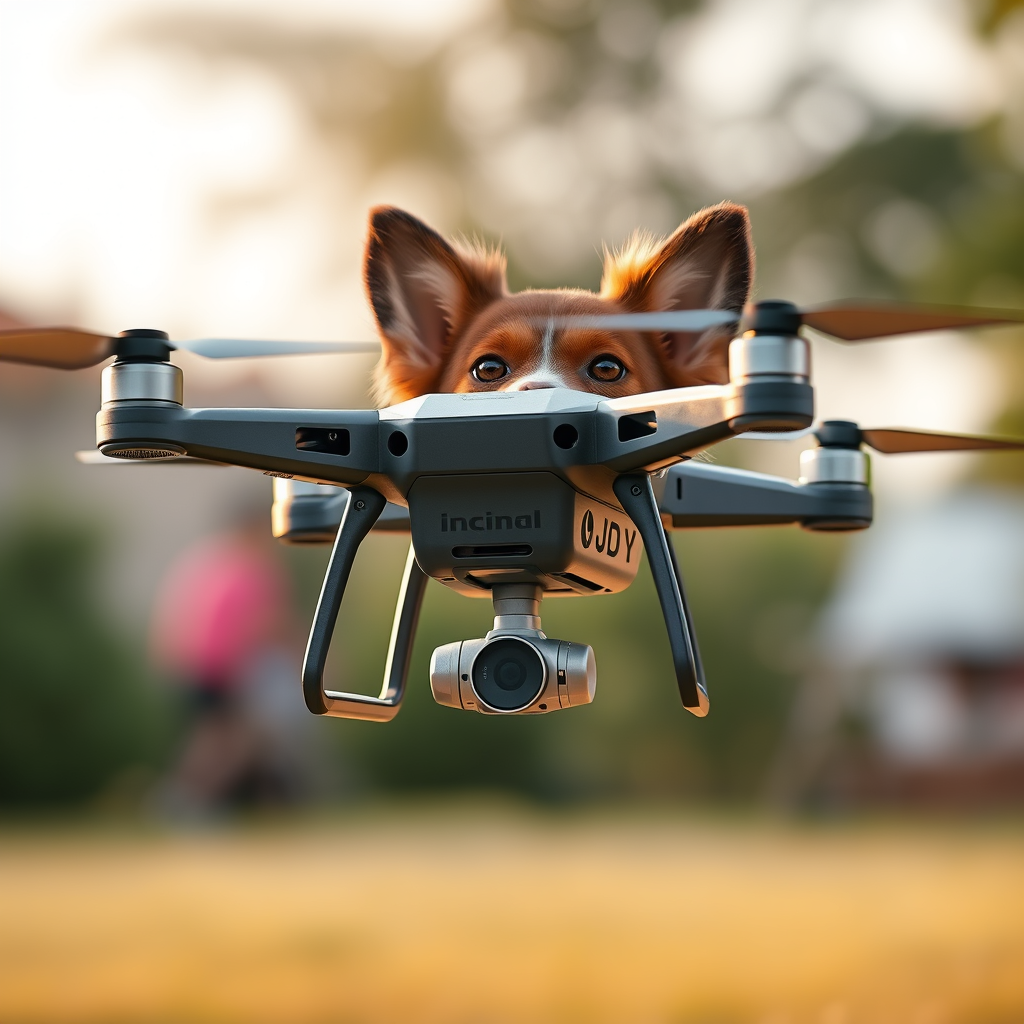
If you’re wondering where you can fly a drone near you, the answer depends on local regulations, available parks, and open spaces. Many urban and rural areas offer designated zones for drone flying, but it’s essential to check the rules and guidelines that apply in your region. Drones can provide an exhilarating experience for enthusiasts and professionals alike, capturing stunning aerial visuals and facilitating innovative applications. However, knowing where and how to fly your drone legally and safely is crucial. This article will explore various locations where you can fly your drone, along with helpful tips for an enjoyable flying experience.
Understanding Local Regulations

Before taking your drone to the skies, it is imperative to familiarize yourself with the Federal Aviation Administration (FAA) rules governing drone use. The FAA mandates that all drone operators must adhere to specific guidelines that include flying below 400 feet, keeping the drone within visual line-of-sight, and avoiding flying over people. For recreational flyers, the FAA requires registration for drones weighing more than 0.55 pounds.
In addition to federal regulations, it’s essential to check for state or local ordinances that may impose further restrictions on drone flying in specific areas. For example, some cities may prohibit drone use in urban parks or near schools and hospitals. Websites like the FAA’s B4UFLY app can help users determine whether their chosen flying location is compliant with local laws. Always ensure you’re informed and compliant to avoid fines or legal complications.
Popular Drone Flying Locations

National and state parks often provide designated areas for drone use, although it’s vital to review specific park regulations before flying. For instance, national parks like Yellowstone and Grand Canyon have strict rules that may completely prohibit drone flying to preserve wildlife and natural scenery. Conversely, some state parks, such as Colorado’s Cherry Creek State Park, allow drones in designated zones, making them an excellent option for enthusiasts.
Open fields, beaches, and rural areas typically offer ample space for flying drones. Locations like the expansive beaches of California or the vast fields of the Midwest allow for unobstructed flying experiences. Look for areas away from dense populations and structures, as these spots can enhance your flying experience while minimizing risks.
Additionally, many universities and educational institutions have large campuses with open spaces, providing opportunities for drone flying. However, always confirm with campus policies to avoid any violations.
Community Resources and Groups
Engaging with local drone clubs or online forums can significantly enhance your drone-flying experience. These communities often share valuable insights on the best local flying spots and any recent changes in regulations. Websites like Meetup and Facebook groups dedicated to drone enthusiasts can connect you with fellow pilots who can provide recommendations based on their experiences.
Many communities have dedicated meetups that promote safe and responsible drone flying, allowing you to learn from experienced pilots. Participating in these gatherings can also present opportunities to learn about new flying techniques, equipment upgrades, and even potential flying locations that may not be widely known.
Using Drone Mapping Apps
Leveraging technology can simplify your drone-flying experience. Apps like AirMap and UAV Forecast are essential tools for drone pilots, providing detailed information about no-fly zones and available airspace. These apps often update real-time information regarding weather conditions, which is critical for safe flying. For instance, UAV Forecast offers data on wind speeds, visibility, and precipitation, helping you determine the best time to fly.
Moreover, many mapping applications include features that can alert you to temporary flight restrictions (TFRs) or nearby airports, ensuring that you’re always aware of airspace regulations. Using these tools can help you avoid potential collisions and ensure a safer flying experience.
Safety Tips for Flying Drones
Safety should always be a priority when flying drones. Always maintain a safe distance from people, animals, and private property to prevent accidents. The “Line of Sight” rule emphasizes the importance of keeping your drone within your direct visual range at all times. Avoid flying in crowded areas, as this minimizes risks to both the drone operator and the public.
Before flying, it is wise to perform a pre-flight check to ensure your drone is in optimal condition. This includes checking battery levels, inspecting propellers for damage, and ensuring that your firmware is up to date. Additionally, always have a contingency plan in case of unexpected situations, such as signal loss or sudden weather changes.
Planning Your Drone Flight
Planning your drone flight is essential for a successful and enjoyable experience. Start by checking the weather forecast to ensure optimal flying conditions. High winds, rain, or low visibility can negatively impact your flight and increase the risk of accidents.
Create a comprehensive flight plan that includes takeoff and landing zones, as well as potential obstacles such as trees, buildings, and power lines. Familiarizing yourself with the area before flying can help you anticipate any challenges. If you’re flying in a new location, consider conducting a brief reconnaissance on foot to identify any hazards or restrictions.
Frequently Asked Questions
Many new drone pilots have queries regarding registration, licensing, and maintenance. First, all drones weighing over 0.55 pounds must be registered with the FAA, which is a straightforward process completed online. Depending on your intended use, you might also need to obtain a Remote Pilot Certificate, especially for commercial operations.
Common issues faced by drone pilots can range from connectivity problems to firmware glitches. Troubleshooting tips include recalibrating your drone, ensuring a strong GPS signal, and regularly updating your software. Understanding your drone’s manual and following best practices for maintenance can also extend the life of your equipment.
In summary, finding a place to fly your drone near you involves understanding local regulations, utilizing community resources, and ensuring you fly safely. By following these guidelines, you can enjoy the thrill of drone flying while respecting the rules and the environment. Happy flying!
Frequently Asked Questions
Where can I find legal places to fly my drone near me?
To find legal places to fly your drone, start by checking the FAA’s B4UFLY app, which provides information on airspace restrictions and drone regulations. Additionally, local parks and recreational areas often have designated zones for drone flying. Be sure to look up specific city or county regulations to avoid flying in restricted areas.
What are the best parks or open spaces for flying drones in my area?
The best parks or open spaces for flying drones typically include large, open fields free from airspace restrictions and populated areas. You can use platforms like DroneMapper or local drone community forums to discover popular flying spots near you. Always remember to check for any local regulations or permits required for drone use in these areas.
How do I know if I’m flying in a no-fly zone?
To ensure you’re not flying in a no-fly zone, use tools like the FAA’s B4UFLY app or the AirMap website, which provide real-time information on airspace classifications. Additionally, your drone may come equipped with GPS features that can alert you when you are approaching restricted areas. Always verify with local regulations and signage before you take off.
Why is it important to check airspace regulations before flying my drone?
Checking airspace regulations before flying your drone is crucial for safety and legal compliance. Flying in restricted areas, such as near airports or military bases, can pose risks to manned aircraft and can result in hefty fines or penalties. Understanding local laws ensures a responsible flying experience and helps protect the rights and safety of others.
Which apps are the most useful for planning drone flights in my vicinity?
Some of the most useful apps for planning drone flights include FAA’s B4UFLY, AirMap, and Drone Buddy. These apps provide vital information on airspace restrictions, weather conditions, and nearby points of interest for flying. Additionally, they often feature community-driven insights that can guide you to popular drone flying locations while ensuring compliance with local regulations.
References
- https://en.wikipedia.org/wiki/Drone_flying_regulations
- https://www.faa.gov/uas/getting_started/
- https://www.nps.gov/subjects/drones/index.htm
- https://www.faa.gov/uas/where_to_fly/
- https://www.forbes.com/sites/bernardmarr/2020/01/20/the-current-state-of-drone-regulations-in-the-us/
- https://www.nerc.com/committees/epc/Pages/Drone-Use-in-Utilities.aspx
