
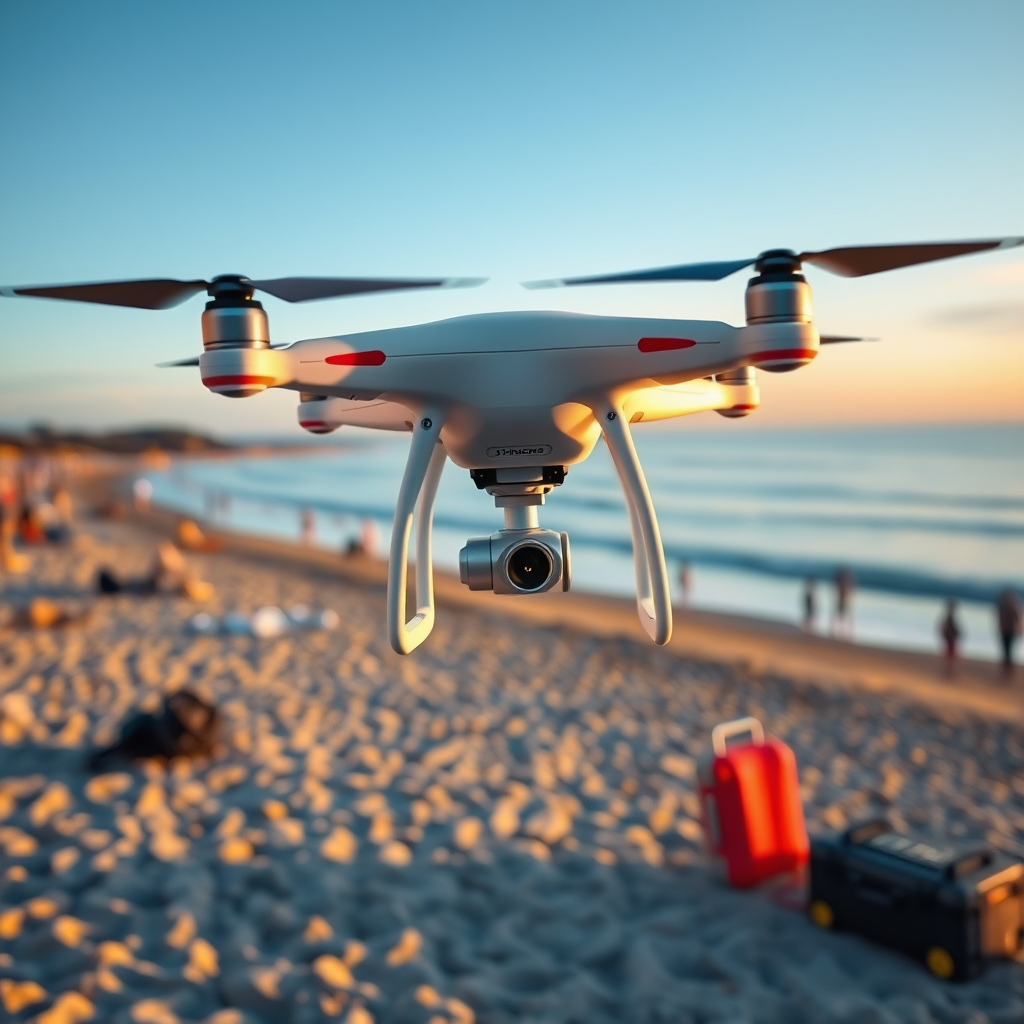
Yes, you can fly a drone on a public beach, but it depends on local regulations and restrictions. Individual beaches may have specific rules regarding drone usage, influenced by safety concerns, privacy rights, and the protection of wildlife. Before taking your drone to the shoreline, it is essential to familiarize yourself with these regulations to ensure a safe and enjoyable flying experience.
Understanding Local Regulations
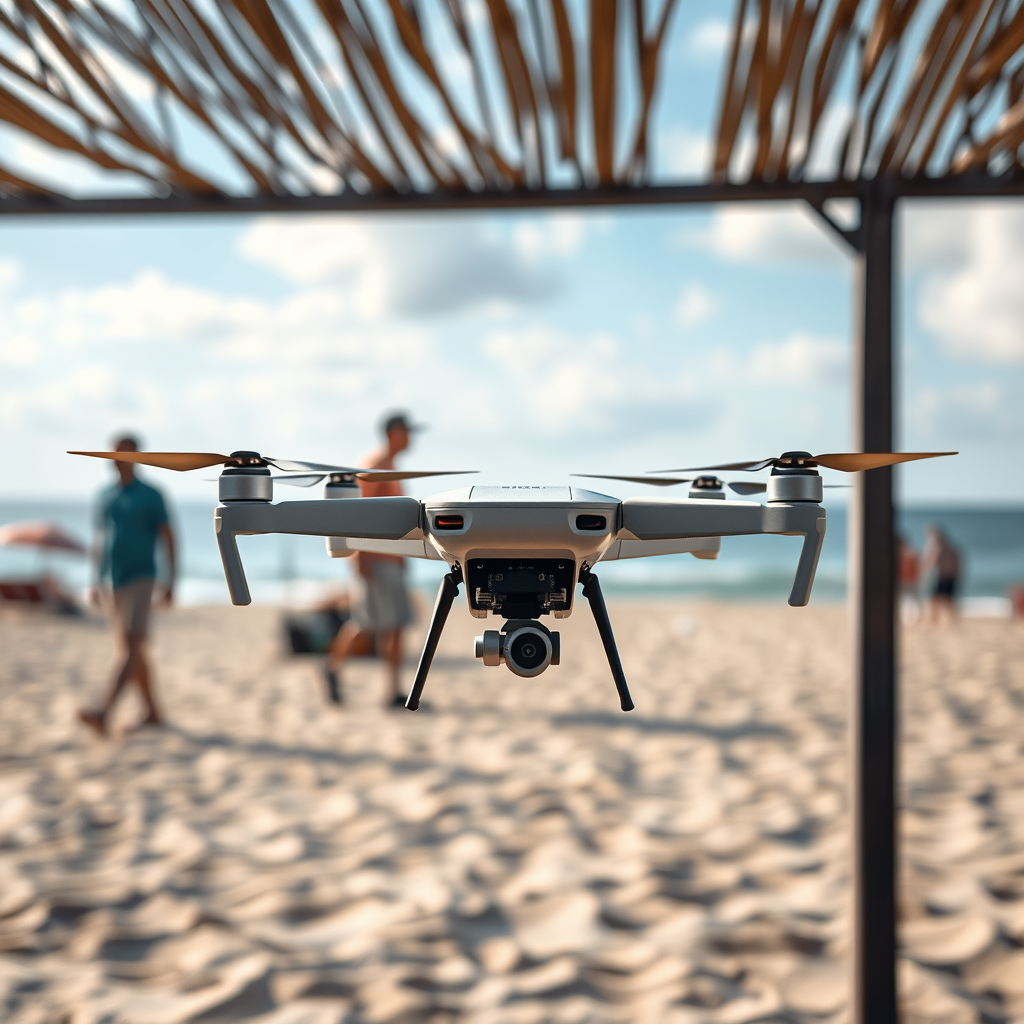
Many public beaches have specific laws governing drone flight, which can vary significantly from one location to another. For instance, some popular beach destinations may restrict drone flying due to high foot traffic, while others might encourage it for recreational purposes. Local government websites often provide updates on drone regulations, including any necessary permits or licenses. Moreover, contacting local authorities or park services can be beneficial to clarify any ambiguities regarding drone usage. For example, California’s beaches often have stringent regulations, with some areas entirely prohibiting drones to safeguard the natural habitat. Therefore, always verify the specific laws applicable to your chosen beach to avoid potential fines or penalties.
Federal Aviation Administration (FAA) Guidelines
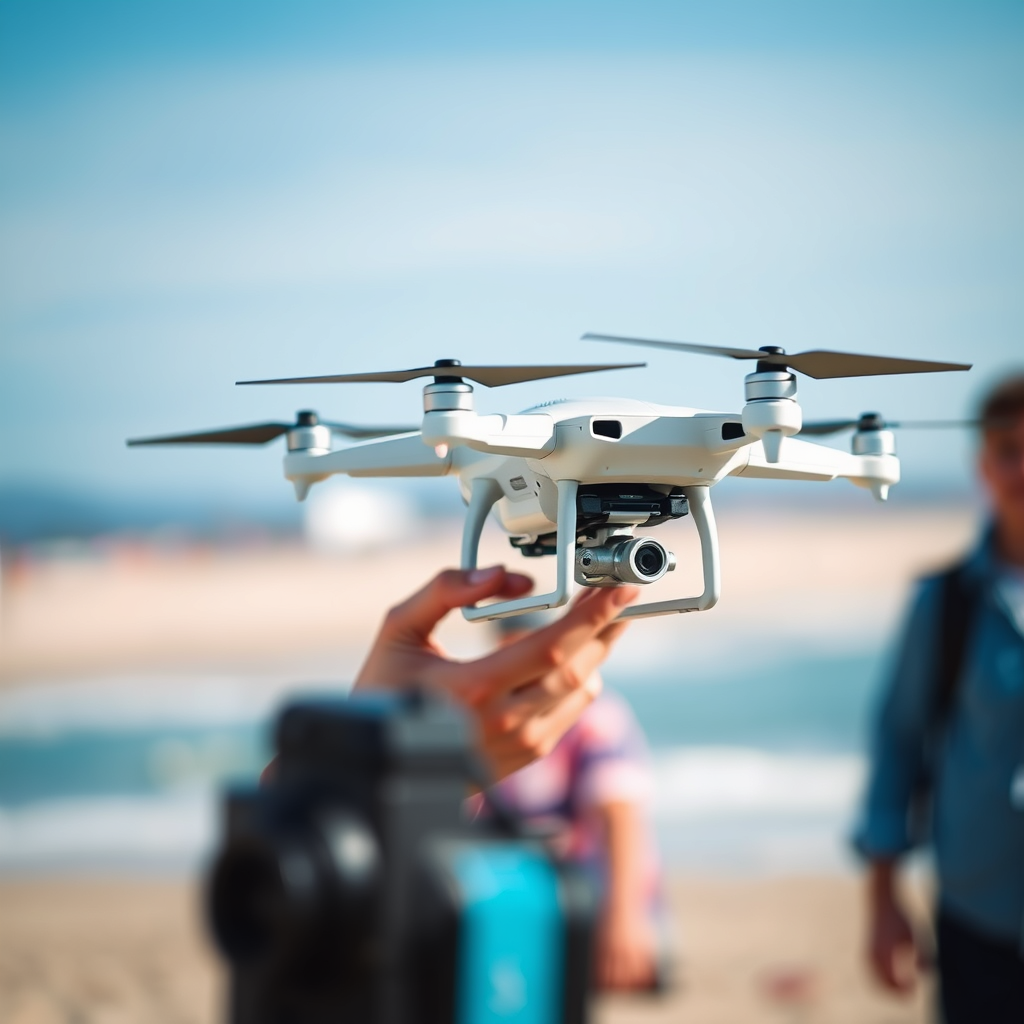
The Federal Aviation Administration (FAA) regulates drone use across the United States, providing a framework for safe and responsible flying. Under Part 107, commercial drone operators must adhere to stringent guidelines, including obtaining a Remote Pilot Certificate and ensuring their drones weigh less than 55 pounds. For recreational flyers, the FAA mandates that drones must be flown below 400 feet, within visual line of sight, and not over people. Familiarizing yourself with these rules is crucial, especially in crowded areas like public beaches, where safety and compliance are paramount. Additionally, the FAA encourages drone operators to check for any Temporary Flight Restrictions (TFRs) that might be in effect, particularly during special events or emergencies.
Safety Considerations
When flying a drone on a public beach, safety should be your top priority. Maintaining a safe distance from people—especially children—and wildlife is essential to prevent accidents and disturbances. Always be aware of environmental factors, such as strong winds, which can affect your drone’s stability and flight path. Water hazards are another critical consideration; losing a drone to the ocean can not only be costly but also poses environmental concerns. Furthermore, ensure that your drone is equipped with the latest safety features, such as GPS and return-to-home functionality, to enhance your control over the device while flying in challenging conditions.
Privacy Issues
Respecting the privacy of beachgoers is paramount when flying a drone. While public spaces generally allow for photography and videography, it is essential to avoid capturing images or videos of individuals without their consent. Understanding local laws regarding photography can help you navigate these privacy concerns effectively. In some jurisdictions, laws may restrict taking photos or videos for commercial use without obtaining the necessary permissions. Moreover, if your drone inadvertently captures images of private properties nearby, it could raise legal issues. Always be considerate and practice ethical behavior while flying to maintain a positive relationship with the community.
Environmental Impact
Drones can have a significant impact on the environment, particularly in sensitive ecosystems found at many beaches. Wildlife, especially birds and marine species, can be disturbed by the presence of drones, leading to stress and disorientation. For example, nesting birds may abandon their nests if they feel threatened by low-flying drones. Many beaches have designated off-limits areas to protect these vulnerable ecosystems. When planning your flight, always check for signs indicating restricted zones and be mindful of the wildlife in the vicinity. By prioritizing environmental stewardship, drone operators can help preserve the natural beauty and biodiversity of beach ecosystems.
Best Practices for Flying Drones at the Beach
To ensure a responsible and enjoyable drone-flying experience at the beach, consider adopting the following best practices. First, aim to fly during off-peak hours, such as early mornings or late afternoons, to minimize disturbances to beachgoers and wildlife. This approach not only enhances your flying experience but also respects the enjoyment of others. Additionally, always keep your drone in sight, adhering to the FAA’s “Line of Sight” rule, which is crucial for maintaining control and avoiding collisions. Lastly, familiarize yourself with your drone’s controls and capabilities before flying in an unfamiliar environment to ensure a smooth and safe operation.
Resources for Drone Operators
Numerous resources are available to help drone operators navigate the complexities of flying on public beaches. Online platforms and mobile apps, such as B4UFLY and AirMap, provide valuable information on drone-friendly locations, airspace restrictions, and real-time weather updates. Joining local drone clubs or online forums can also offer insights from experienced flyers who can share tips and advice tailored to specific geographic areas. These communities are invaluable for gaining a deeper understanding of local regulations and best practices for responsible flying.
In conclusion, flying a drone on a public beach is indeed possible, but it is crucial to adhere to local regulations and safety guidelines to ensure a responsible flying experience. By understanding the nuances of drone laws, prioritizing safety, respecting privacy, and minimizing environmental impact, you can enjoy the breathtaking vistas that beachside drone flying offers. Always stay informed, act responsibly, and contribute positively to the drone-flying community while making the most of your aerial adventures.
Frequently Asked Questions
Can you fly a drone in public beach areas without permission?
Flying a drone in public beach areas often requires permission depending on local regulations and laws. Many beaches are located in parks or protected areas where drone use may be restricted or prohibited. It’s essential to check with local authorities or park services to ensure compliance with any specific rules to avoid fines and ensure safety for all beachgoers.
What are the regulations for flying drones at beaches in the United States?
Regulations for flying drones at beaches in the United States vary by location and can include federal, state, and local rules. The Federal Aviation Administration (FAA) governs airspace for recreational drone use, requiring pilots to fly below 400 feet and keep the drone in sight. Additionally, some states and municipalities may have their own restrictions, so it’s important to review local laws before flying a drone at a beach.
How can I find out if a beach allows drone flying?
To find out if a beach allows drone flying, start by visiting the official website of the beach or the managing authority, such as a local park district or city council. You can also check the FAA website for federal regulations and any local ordinances. If information isn’t readily available online, consider contacting the local authorities directly or checking community forums for insights from other drone users.
What should I consider before flying my drone at a public beach?
Before flying your drone at a public beach, consider factors such as safety, privacy, and local regulations. Ensure that the area is free of crowds to minimize the risk of accidents and respect the privacy of beachgoers. Additionally, be aware of wildlife, as many beaches are nesting grounds for birds and other animals, which can be disturbed by drone activity.
Which drones are best suited for flying at beaches?
The best drones for flying at beaches should ideally be waterproof or water-resistant and equipped with features like GPS stability, high-resolution cameras, and long battery life. Drones such as the DJI Mavic Air 2 or the DJI Mini 2 are popular choices due to their compact size, excellent camera capabilities, and robust flight features. Always ensure the drone is suitable for the beach environment to enhance your flying experience and capture stunning aerial footage.
References
- https://www.faa.gov/uas/getting_started/register_drone
- https://www.faa.gov/uas/publications/resources
- https://www.nps.gov/subjects/drones/index.htm
- https://www.wired.com/story/what-you-need-to-know-about-drones-in-parks/
- https://www.theguardian.com/technology/2022/aug/29/drone-laws-uk-what-you-need-to-know
- https://www.nytimes.com/2021/04/21/business/drone-laws.html
- https://www.wikiwand.com/en/Drone_regulations_in_the_United_States
- https://www.thebalancecareers.com/drone-laws-and-regulations-4161070
