
Yes, drones can carry things, and they are increasingly being used for delivery and transportation purposes. As technology evolves, drones are becoming an integral part of various industries, providing efficient and innovative solutions for moving goods. This article will explore the various aspects of drones carrying cargo, including their capabilities, limitations, and applications.
What Types of Drones Can Carry Cargo?
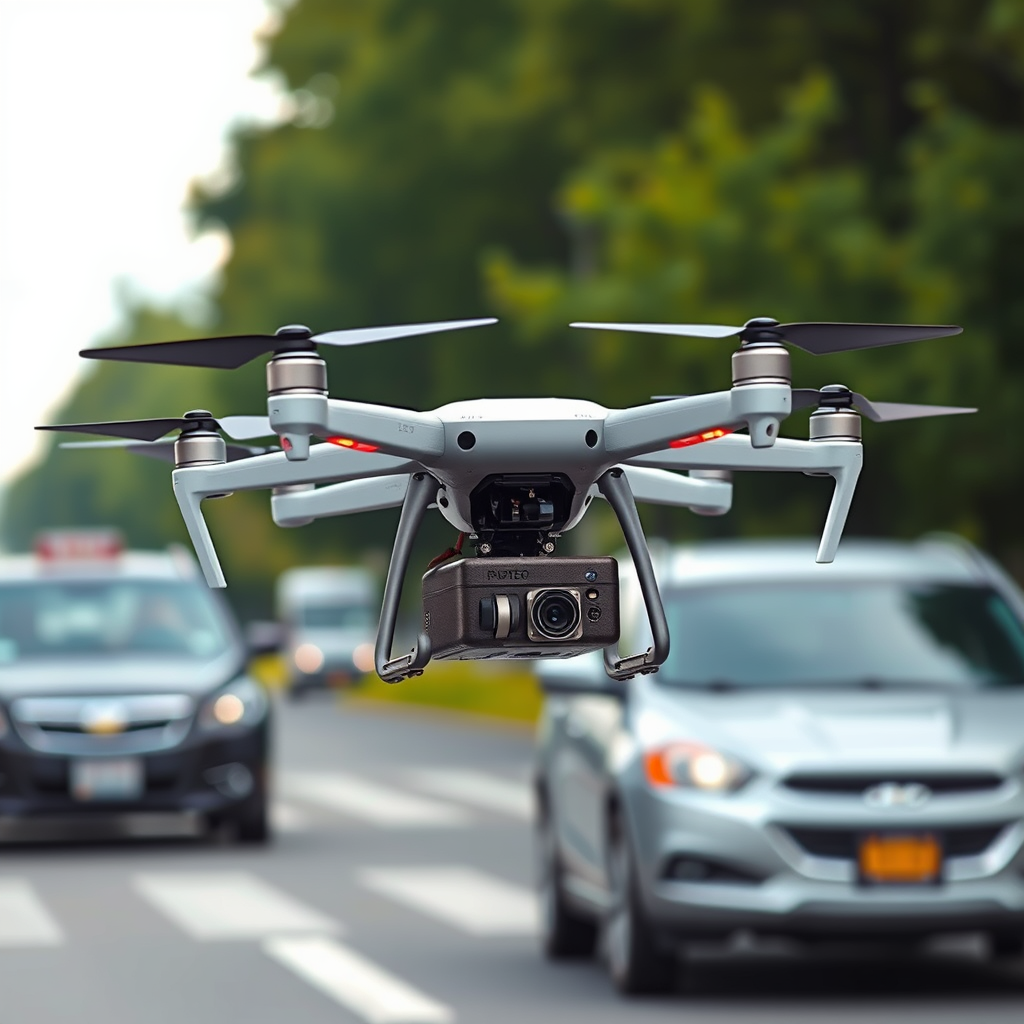
When it comes to transporting goods, two primary types of drones are commonly utilized: multirotor and fixed-wing drones.
– Multirotor drones are perhaps the most recognized type of drone, featuring multiple rotors (typically four, six, or eight) that enable vertical take-off and landing (VTOL). These drones are ideal for lightweight deliveries, making them popular for package transport in urban areas. Companies like Amazon and UPS are experimenting with multirotor drones for last-mile delivery, capable of carrying small packages weighing between 0.5 to 5 pounds.
– Fixed-wing drones, on the other hand, resemble traditional aircraft and are designed for longer distances and heavier payloads. These drones are more efficient for transporting larger items over extensive routes due to their aerodynamic shape and ability to glide. For instance, companies such as Zipline utilize fixed-wing drones to deliver medical supplies to remote areas, carrying payloads that can reach up to 200 pounds.
By understanding the strengths of each drone type, businesses can select the most suitable model for their specific cargo transport needs.
Payload Capacity and Limitations
The payload capacity of a drone is a crucial factor in its ability to transport goods. Most consumer drones, designed for hobbyists or light commercial use, can carry between 0.5 to 5 pounds. This makes them suitable for small items, such as documents or small parcels. However, as the demand for drone deliveries grows, manufacturers are developing heavier-duty models.
Commercial-grade drones can carry significantly larger payloads, with some models capable of transporting up to 200 pounds. These drones are typically outfitted with specialized cargo systems and enhanced stability features, allowing them to handle heavier loads while maintaining safety and control during flight. For example, the DJI Matrice 600 is a popular commercial drone that supports various payloads through customizable attachments, making it versatile for different industries.
However, it is essential to note that payload capacity is not the only limiting factor. Flight time, battery life, and regulatory restrictions also influence a drone’s operational capabilities. As such, businesses must conduct thorough assessments to ensure their chosen drone meets the requirements for the specific cargo they intend to transport.
Applications of Drones in Cargo Transport
Drones are revolutionizing logistics and supply chain management across various sectors. Their ability to deliver goods quickly and efficiently has led to numerous innovative applications:
– E-commerce: One of the most significant applications of cargo drones is in e-commerce, where companies are exploring drone technology for last-mile delivery services. Amazon Prime Air, for instance, aims to deliver packages to customers within 30 minutes using drones, significantly reducing delivery times and costs. This capability enhances customer satisfaction and opens new avenues for businesses looking to stay competitive in a rapidly evolving market.
– Emergency Services: Drones are also making a substantial impact in emergency services. They are utilized for delivering medical supplies, such as blood, vaccines, and urgent medications, to remote or inaccessible locations. Companies like Zipline have successfully deployed drones in countries like Rwanda and Ghana, where traditional transportation methods may be slow or inefficient. This application not only saves lives but also demonstrates the potential for drones to address critical logistical challenges in healthcare.
– Agriculture: In the agricultural sector, drones are used to transport supplies such as seeds or fertilizers directly to fields, enhancing efficiency and reducing labor costs. This application showcases how drones can streamline operations and improve productivity in various industries.
Regulatory Considerations for Cargo Drones
As drone technology advances, regulatory frameworks are evolving to ensure safe and responsible use. In the United States, the Federal Aviation Administration (FAA) has established guidelines that dictate weight limits, operational procedures, and airspace restrictions for drones. For instance, drones used for commercial purposes must adhere to the Part 107 regulations, which require pilots to obtain a Remote Pilot Certificate.
Moreover, various countries have different rules regarding commercial drone operations. For example, in the European Union, the European Union Aviation Safety Agency (EASA) has implemented a regulatory framework that categorizes drones based on their weight and intended use. These regulations are designed to ensure safety while promoting innovation in drone technology.
Navigating the complex landscape of drone regulations can be challenging for businesses looking to incorporate cargo drones into their operations. It is imperative for companies to stay informed about the latest regulations and ensure compliance to avoid potential legal issues.
Technological Advancements in Cargo Drones
The future of cargo drones is bright, thanks to continuous technological advancements that enhance their capabilities.
– Battery Life and Payload Design: Innovations in battery technology are significantly improving flight durations and payload capacities. Lithium-sulfur batteries, for example, offer higher energy density than traditional lithium-ion batteries, allowing drones to fly longer distances and carry heavier loads. Additionally, advancements in lightweight materials and aerodynamic designs are optimizing drone performance, making them more efficient for cargo transport.
– AI and Automation: Artificial intelligence (AI) and automation are transforming how drones navigate and deliver cargo. AI algorithms can analyze real-time data, such as weather conditions and air traffic, enabling drones to make intelligent flight path adjustments. Furthermore, automated delivery systems can streamline the entire logistics process, from order placement to delivery, improving overall efficiency and reducing human error.
These technological advancements not only enhance the operational capabilities of cargo drones but also pave the way for new applications in various industries.
Challenges Faced by Cargo Drones
Despite their potential, cargo drones face several challenges that hinder their widespread adoption.
– Weather Conditions: Adverse weather conditions, such as strong winds, rain, or snow, can significantly impact drone operation, leading to flight cancellations or delays. This unpredictability poses challenges for businesses relying on drones for timely deliveries. Companies must invest in advanced weather monitoring systems and develop contingency plans to mitigate these risks.
– Safety and Privacy Concerns: Safety and privacy concerns remain significant barriers to the adoption of cargo drones. Incidents involving drone malfunctions or accidents can lead to property damage or injury, raising questions about public safety. Furthermore, the potential for drones to invade personal privacy has prompted calls for stricter regulations and guidelines. Businesses must prioritize safety measures and engage with communities to address these concerns proactively.
In conclusion, drones are capable of carrying various items and are becoming an essential tool in several industries. Their applications in e-commerce, emergency services, and agriculture demonstrate their versatility and potential to revolutionize cargo transport. As technology advances and regulations evolve, the future of drone delivery looks promising. For more information on drone technology and its applications, stay tuned for our upcoming articles!
Frequently Asked Questions
Can a drone carry packages or cargo?
Yes, many drones are designed to carry packages or cargo. These drones come equipped with sturdy frames and payload capabilities, allowing them to transport items ranging from small parcels to larger goods. Companies like Amazon and UPS are actively testing drone delivery services, showcasing the potential of drones to revolutionize package logistics and delivery efficiency.
How much weight can a typical drone carry?
The weight a drone can carry varies significantly based on its model and design. Consumer drones usually have a payload capacity of 0.5 to 5 pounds, while commercial drones can carry up to 200 pounds or more. It’s essential to check the drone’s specifications and ensure that the weight of the cargo does not exceed its maximum payload limit for safe operation.
Why are drones used for transporting goods instead of traditional delivery methods?
Drones are increasingly used for transporting goods due to their ability to reduce delivery times, lower operational costs, and access hard-to-reach areas. Drones can navigate directly to delivery locations without being hindered by traffic, making them a more efficient alternative to traditional delivery methods. Additionally, the use of drones can help reduce carbon emissions associated with conventional delivery vehicles.
What types of drones are best for carrying things?
The best drones for carrying items are typically quadcopters and octocopters, as they offer stability and lifting power. Models like the DJI Matrice series or the Yuneec H520 are popular choices for commercial use due to their robust build and payload capacities. For users looking to transport larger items, heavy-lift drones specifically designed for industrial applications may be the best option.
How do I ensure my drone can safely carry items?
To ensure that your drone can safely carry items, always refer to the manufacturer’s specifications for maximum payload capacity and adhere to it strictly. Additionally, secure the cargo properly to prevent it from shifting during flight, which could affect stability. Finally, conduct test flights with lighter loads to familiarize yourself with the drone’s handling capabilities before attempting to carry heavier items.
References
- https://en.wikipedia.org/wiki/Unmanned_aerial_vehicle
- https://www.faa.gov/uas/
- https://www.nytimes.com/2021/10/13/business/drone-delivery.html
- https://www.reuters.com/business/aerospace-defense/amazon-drones-deliveries-2021-06-14/
- https://www.nasa.gov/press-release/nasa-s-advanced-air-mobility-research-aims-improve-drone-delivery-safety
- https://www.bbc.com/news/technology-55455843
- https://www.usc.edu/dept/publications/casestudies/pdf/DroneDelivery.pdf
- https://www.sciencedirect.com/science/article/pii/S2351978919301065
