
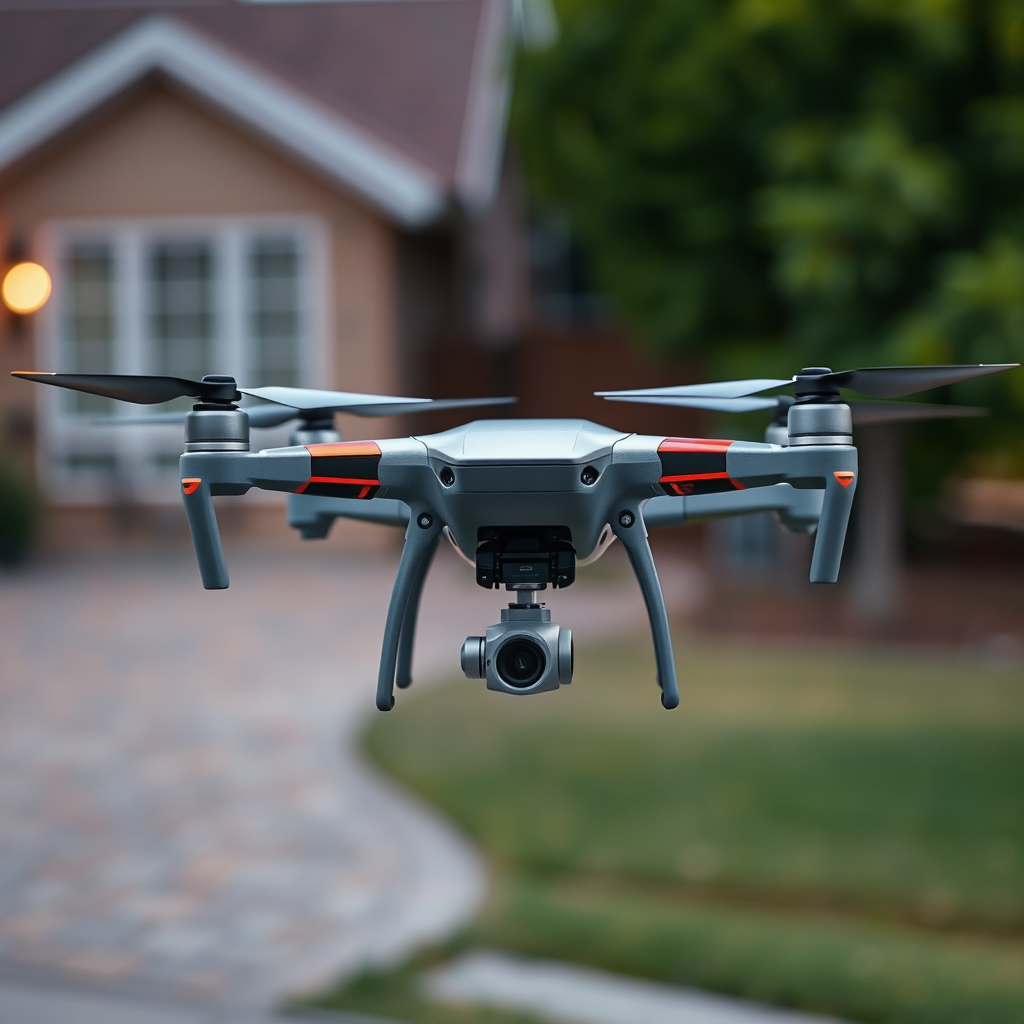
Yes, you can fly your drone around your neighborhood, but there are important regulations and safety considerations to keep in mind. Drones offer a unique perspective for photography, recreational enjoyment, and even data collection, but flying them irresponsibly can lead to legal issues and safety hazards. Understanding the rules governing drone use, respecting the privacy of your neighbors, and ensuring safety while operating your drone will help create a positive experience for both you and your community.
Understanding Local Regulations
Before taking to the skies, it’s crucial to familiarize yourself with the Federal Aviation Administration (FAA) regulations regarding drone usage in residential areas. The FAA mandates that all drone operators adhere to specific guidelines, including flying below 400 feet, maintaining visual line of sight, and not flying near airports or other restricted airspace. Additionally, you must register your drone if it weighs over 0.55 pounds.
Beyond federal laws, it is essential to research any local laws or ordinances that may impose further restrictions on drone operation. For example, some municipalities have enacted regulations that prohibit flying drones in city parks or residential neighborhoods altogether. Local governments may also have noise ordinances that could impact drone operation. Therefore, checking with your local city or county regulations is a prudent step to ensure compliance and avoid potential fines.
Respecting Privacy
Respecting privacy is a vital aspect of responsible drone operation. While your drone may offer an exciting view of the neighborhood, flying over private properties without permission can lead to disputes and complaints from your neighbors. It’s best practice to avoid hovering over homes, backyards, or any area where individuals might expect a reasonable degree of privacy.
Furthermore, capturing images or videos that invade someone’s privacy can have legal ramifications. For instance, if you inadvertently record footage that includes individuals in their private spaces, you may risk violating privacy laws. To mitigate these risks, consider obtaining consent from neighbors before filming or taking photographs, and be mindful of where your drone is pointing during flight.
Safety Considerations
Safety should be your top priority when flying a drone in your neighborhood. Always maintain a visual line of sight with your drone to ensure you can monitor its location and behavior. This practice not only helps in avoiding obstacles but also in preventing accidents that could result in injury to people or damage to property.
Additionally, be cautious about flying near people, crowded areas, or sensitive locations such as schools and hospitals. The FAA recommends keeping drones at least 25 feet away from people and vehicles. By avoiding high-traffic areas, you minimize the risk of accidents and demonstrate responsible drone operation that respects the well-being of your community.
Best Practices for Flying Drones
To enhance your drone-flying experience and ensure safety, planning your flight route in advance is essential. Familiarize yourself with the area, identify potential obstacles such as trees, power lines, and buildings, and select a clear path for your drone’s flight.
A pre-flight checklist is also a valuable tool to ensure your drone is in good working condition before takeoff. This checklist should include verifying battery levels, checking for software updates, and ensuring that all components, such as propellers and cameras, are functioning correctly. Being thorough in your pre-flight preparations can significantly reduce the risk of in-flight failures.
Choosing the Right Time and Place
Selecting the right time and place to fly your drone can greatly impact your experience and safety. Flying during daylight hours is recommended, as it provides better visibility for both the operator and the drone. This not only aids in navigation but also allows you to spot obstacles and people more easily.
When choosing a location, opt for open spaces away from heavy traffic and pedestrians. Parks, fields, or designated drone flying areas are often ideal choices. These locations not only reduce the risk of accidents but also help you avoid conflicts with neighbors who may not appreciate a drone flying overhead. Always be aware of your surroundings and choose a site that minimizes risks to both people and property.
Engaging with Your Community
Engaging with your community can foster goodwill and enhance your drone-flying experience. Informing your neighbors about your drone flying activities can alleviate concerns they may have about noise or privacy. A friendly conversation can go a long way in gaining their support and understanding.
Consider joining local drone clubs or online forums to connect with fellow enthusiasts. These communities can provide valuable insights, share experiences, and offer advice on best practices for flying drones. Networking with other drone users can also open doors to collaborative opportunities, such as organized fly-ins or community events that promote responsible drone usage.
In summary, while you can fly your drone around your neighborhood, it is essential to adhere to local regulations, respect privacy, and prioritize safety. By understanding the legal landscape, being considerate of your neighbors, and following best practices for flying, you can enjoy your drone-flying experience responsibly and positively contribute to your community.
Frequently Asked Questions
What are the legal requirements for flying a drone in my neighborhood?
The legal requirements for flying a drone in your neighborhood vary by country and region. In the United States, the Federal Aviation Administration (FAA) mandates that drone operators register their drones if they weigh over 0.55 pounds. Additionally, you must adhere to local laws and regulations, which may include restrictions on flying near populated areas, airports, or private property. Always check local ordinances and consult the FAA’s guidelines to ensure compliance before flying your drone.
How can I find out if my neighborhood has any drone restrictions?
To find out if your neighborhood has any drone restrictions, you can start by visiting the FAA’s website, which provides information on airspace classifications and regulations. Additionally, many municipalities have specific ordinances related to drone use that can be found on their official websites or by contacting local government offices. Apps like Airmap and Drone Buddy can also help you identify no-fly zones and local regulations, making it easier to fly your drone responsibly.
Why is it important to respect privacy when flying a drone in residential areas?
Respecting privacy when flying a drone in residential areas is crucial to maintain trust and harmony within the community. Drones equipped with cameras can inadvertently capture images or videos of individuals without their consent, leading to potential legal issues or conflicts. By being mindful of privacy concerns and flying your drone at a respectful distance from homes and private properties, you demonstrate good neighborly conduct and reduce the risk of complaints.
What are the best practices for flying a drone safely in my neighborhood?
To fly your drone safely in your neighborhood, follow these best practices: always maintain visual line-of-sight with your drone, avoid flying over people or private property without permission, and stay below the 400-foot altitude limit. Additionally, check weather conditions before flying, and ensure your drone is in good working condition. Informing your neighbors about your drone activities can also foster goodwill and understanding regarding your flying intentions.
Which drone models are best suited for neighborhood flying?
The best drone models for neighborhood flying typically include lightweight, quiet, and easy-to-maneuver options. Models like the DJI Mini SE or the Holy Stone HS720 offer great features while being compact and user-friendly, making them ideal for casual flights. These drones also come with safety features such as GPS and obstacle avoidance, enhancing safety and compliance when flying in residential areas. Always choose a drone that fits your skill level and intended use for optimal enjoyment.
References
- https://www.faa.gov/uas/where_to_fly/
- https://www.faa.gov/uas/getting_started/
- https://www.nytimes.com/2021/04/20/technology/drone-regulations.html
- https://www.wired.com/story/flying-drones-in-your-neighborhood/
- https://www.dronepilotgroundschool.com/drone-laws-in-your-area/
- https://www.nap.edu/catalog/25164/drones-in-education
- https://www.usatoday.com/story/tech/news/2020/08/10/americans-are-flying-drones-neighborhoods-what-know/3329042001/
