
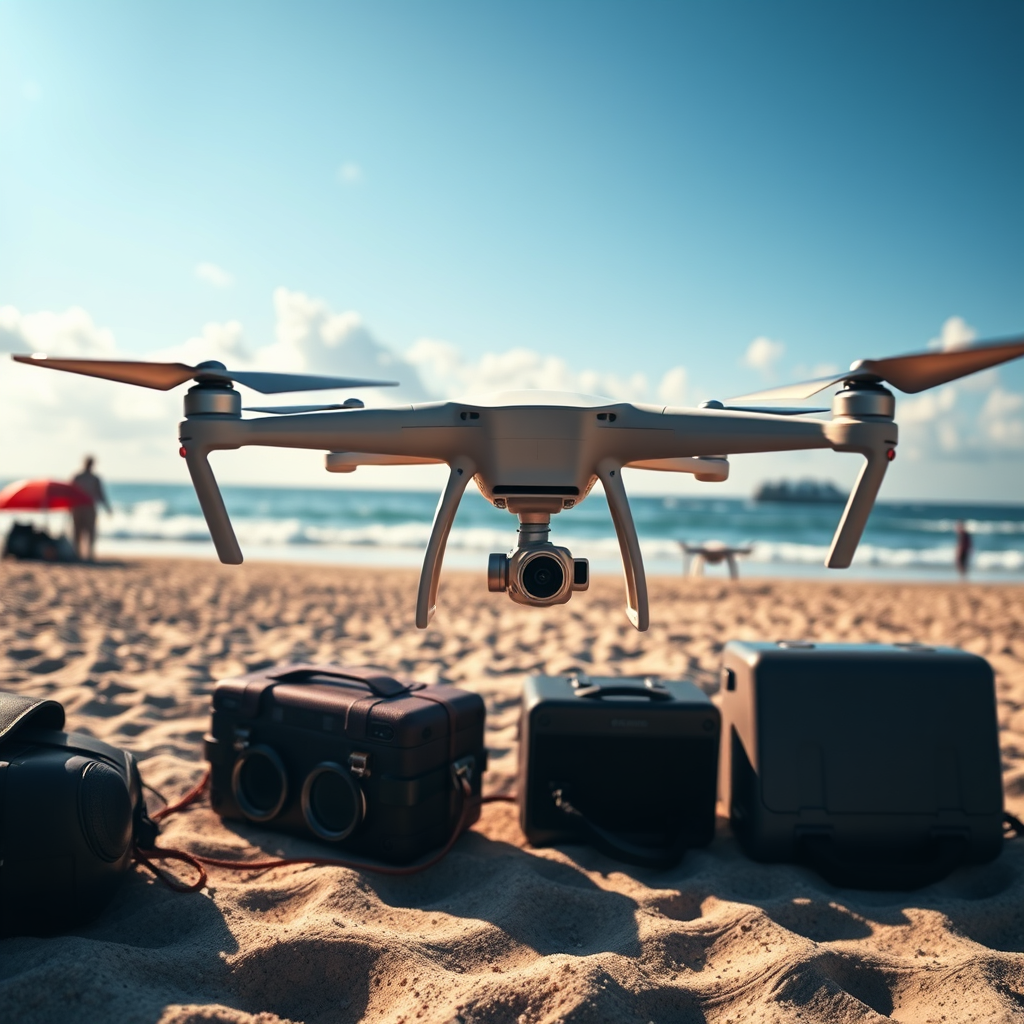
Yes, you can fly drones on the beach, but there are important regulations and guidelines to follow to ensure safety and compliance. Understanding local laws, respecting beachgoers, and adhering to safety measures will not only enhance your flying experience but also ensure that you do not disrupt others enjoying their time on the shore. This article will explore the essential considerations for flying drones at the beach, providing you with the tools to navigate this exhilarating hobby responsibly.
Understanding Local Regulations
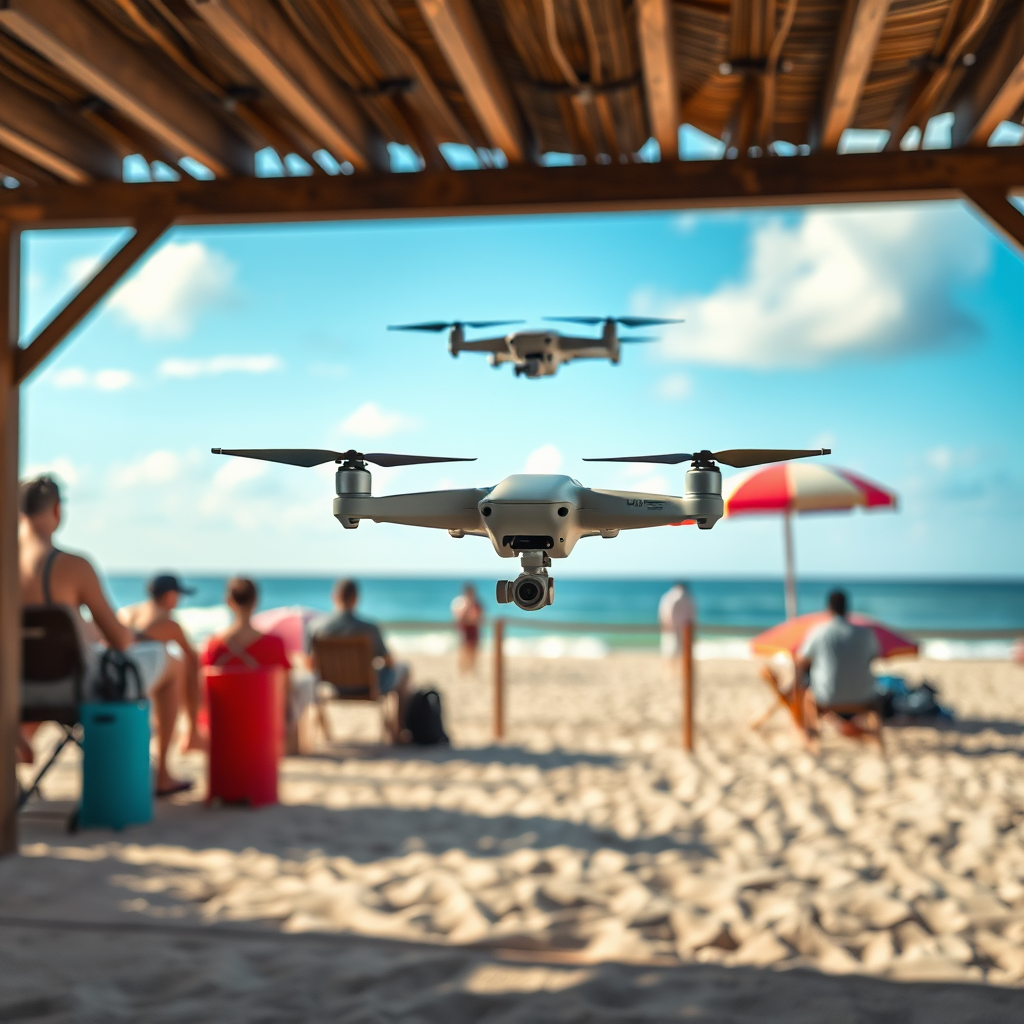
Before you take your drone to the beach, it is crucial to research the specific drone laws applicable to that location. In many jurisdictions, drone regulations vary widely and can include restrictions based on airspace, proximity to airports, and local ordinances. The Federal Aviation Administration (FAA) in the United States mandates that drone operators must follow certain federal guidelines, including registering their drone if it weighs more than 0.55 pounds. However, local authorities may impose additional rules, such as designated no-fly zones that could encompass popular beach areas.
Moreover, temporary restrictions can arise due to events such as festivals, wildlife nesting activities, or public safety concerns. It is essential to check for any advisories or temporary flight restrictions through resources like the FAA’s B4UFLY app, which provides real-time information about airspace regulations. Being informed will help you avoid hefty fines or legal issues, making your experience at the beach more enjoyable.
Safety Considerations
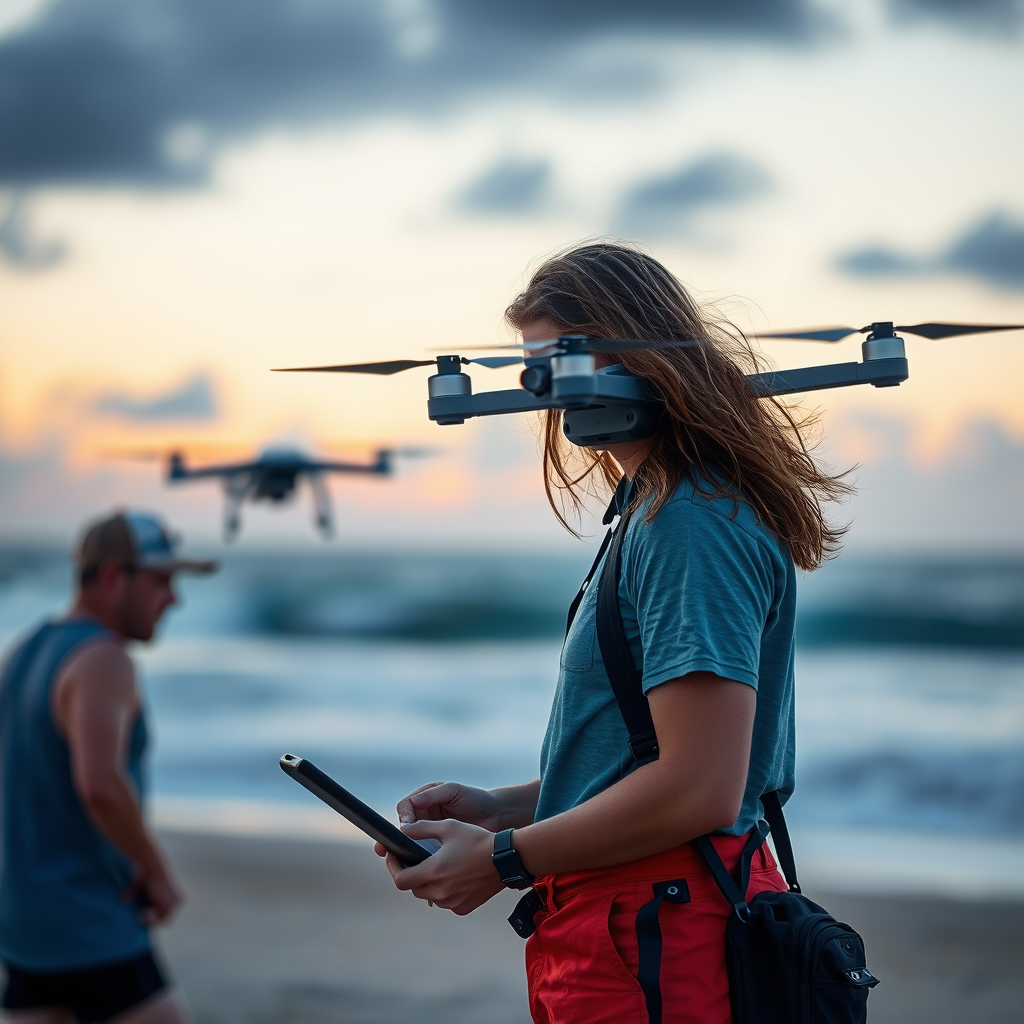
Safety should always be your top priority when flying drones, especially in public spaces like beaches where people and wildlife are present. Maintaining a safe distance from beachgoers is crucial; drones can pose a risk of injury if they malfunction or are improperly operated. As a general rule, keeping your drone at least 25 feet away from people is advisable. Additionally, it is vital to respect the natural habitat of wildlife, particularly in coastal areas where birds and other animals may be nesting or foraging.
Another key safety consideration is ensuring that your drone remains within your line of sight at all times. This not only adheres to FAA regulations but also allows you to maintain control over your drone and react quickly if necessary. Using a visual observer can be beneficial, especially in crowded areas, to help you navigate safely while keeping an eye on your drone’s position.
Ideal Weather Conditions
Weather conditions play a significant role in determining whether or not it is safe to fly your drone at the beach. Before heading out, always check wind speeds and weather forecasts. High winds can make it difficult to control your drone, increasing the risk of crashes or accidents. A steady wind speed of 10 mph or less is generally considered ideal for flying drones.
It is also crucial to avoid flying during high traffic times or stormy conditions. Beaches can attract crowds, particularly during weekends and holidays, which can pose challenges for drone safety and operation. Flying during early mornings or late afternoons may provide more favorable conditions, both in terms of weather and fewer bystanders.
Best Practices for Beach Drone Use
When flying drones at the beach, implementing best practices can greatly enhance your experience while minimizing risks. One of the most critical factors is using a drone with a good battery life, allowing for longer flight times and reducing the likelihood of emergency landings. Many modern drones offer flight times of 20-30 minutes, but it is wise to monitor the battery levels closely.
Additionally, bringing extra batteries is highly recommended. Having backups can save the day if your primary battery depletes faster than expected or if you encounter technical issues. It is also prudent to have a backup plan in case of emergencies, such as identifying safe landing spots or having a quick retrieval plan if your drone goes out of range.
Respecting Others’ Space
Respecting the space of other beachgoers is not only courteous but also essential for ensuring a pleasant experience for everyone. Flying in less crowded areas can significantly reduce the chance of disturbing sunbathers, swimmers, or people participating in beach activities. Opt for times when the beach is less busy, such as early mornings or weekdays.
Furthermore, always be mindful of the activities taking place around you. For instance, flying a drone over a volleyball game might distract players or even cause an accident. By being considerate of others, you not only promote a positive drone culture but also reduce the likelihood of complaints or confrontations.
Tips for Capturing Great Beach Footage
Capturing stunning footage while flying your drone at the beach can be immensely rewarding. To optimize your shots, consider the timing of your flights. Early mornings and late afternoons provide the best lighting conditions for photography and videography, resulting in captivating images that highlight the beauty of the beach.
Experimenting with different angles and heights can also elevate your footage. Aerial shots that capture the shoreline’s curve or the interplay of light on the water can create visually striking content. Additionally, consider using techniques like tracking shots to follow moving subjects, such as surfers or beachgoers, to add dynamism to your videos.
Finally, familiarize yourself with your drone’s camera settings and capabilities. Understanding how to adjust settings for exposure, ISO, and shutter speed will allow you to adapt to changing lighting conditions on the beach and create high-quality content.
In conclusion, flying drones on the beach can be a rewarding experience if you adhere to regulations and respect your surroundings. By understanding local laws, prioritizing safety, choosing ideal weather conditions, and implementing best practices, you can enjoy the thrill of capturing breathtaking aerial footage while ensuring a pleasant experience for yourself and those around you. Always stay informed and considerate to ensure a fun and safe flying adventure that enhances your enjoyment of this beautiful environment.
Frequently Asked Questions
Can you fly drones on the beach legally?
Yes, you can legally fly drones on the beach, but regulations vary by location. It’s essential to check local laws and regulations regarding drone use, as some beaches may have restrictions or require permits. Additionally, many beaches are near airports or other restricted airspaces, so always verify airspace regulations with the FAA or relevant authorities before launching your drone.
What are the common challenges of flying drones on the beach?
Flying drones on the beach poses several challenges, including strong winds, saltwater corrosion, and crowded areas. Wind can affect drone stability, making it difficult to control, while saltwater can damage your drone’s components. It’s advisable to fly during calmer weather and maintain a safe distance from people and wildlife to avoid accidents and comply with local regulations.
How can I ensure my drone is safe when flying at the beach?
To ensure your drone’s safety while flying at the beach, first, conduct a thorough pre-flight check, including battery levels and propeller conditions. Use a drone with a strong wind resistance rating and consider investing in a protective case to shield it from sand and salt. Additionally, keep your drone within visual line-of-sight and avoid flying too close to the water to prevent accidents.
Why is it important to check for wildlife before flying drones on the beach?
Checking for wildlife before flying drones on the beach is crucial to protect both animals and your drone. Many beaches are home to nesting birds and other wildlife that can be easily disturbed by drone activity. Disturbing wildlife can lead to environmental harm and potential legal consequences, as many areas have laws against disturbing protected species.
What are the best practices for flying drones on the beach?
The best practices for flying drones on the beach include flying during off-peak hours when there are fewer people, maintaining a safe distance from crowds and wildlife, and being aware of changing weather conditions. Always adhere to local regulations, respect no-fly zones, and avoid flying over private property. Using a drone with GPS and follow-me features can also enhance your flying experience by ensuring stability and safety.
References
- https://www.faa.gov/uas/getting_started/where_to_fly
- https://www.nps.gov/articles/drone-flying-in-national-parks.htm
- https://www.loc.gov/item/2020633538/
- https://www.wired.com/story/faa-drone-regulations/
- https://www.bbc.com/news/technology-52061315
- https://www.nytimes.com/2021/04/26/technology/drone-flying-rules.html
