
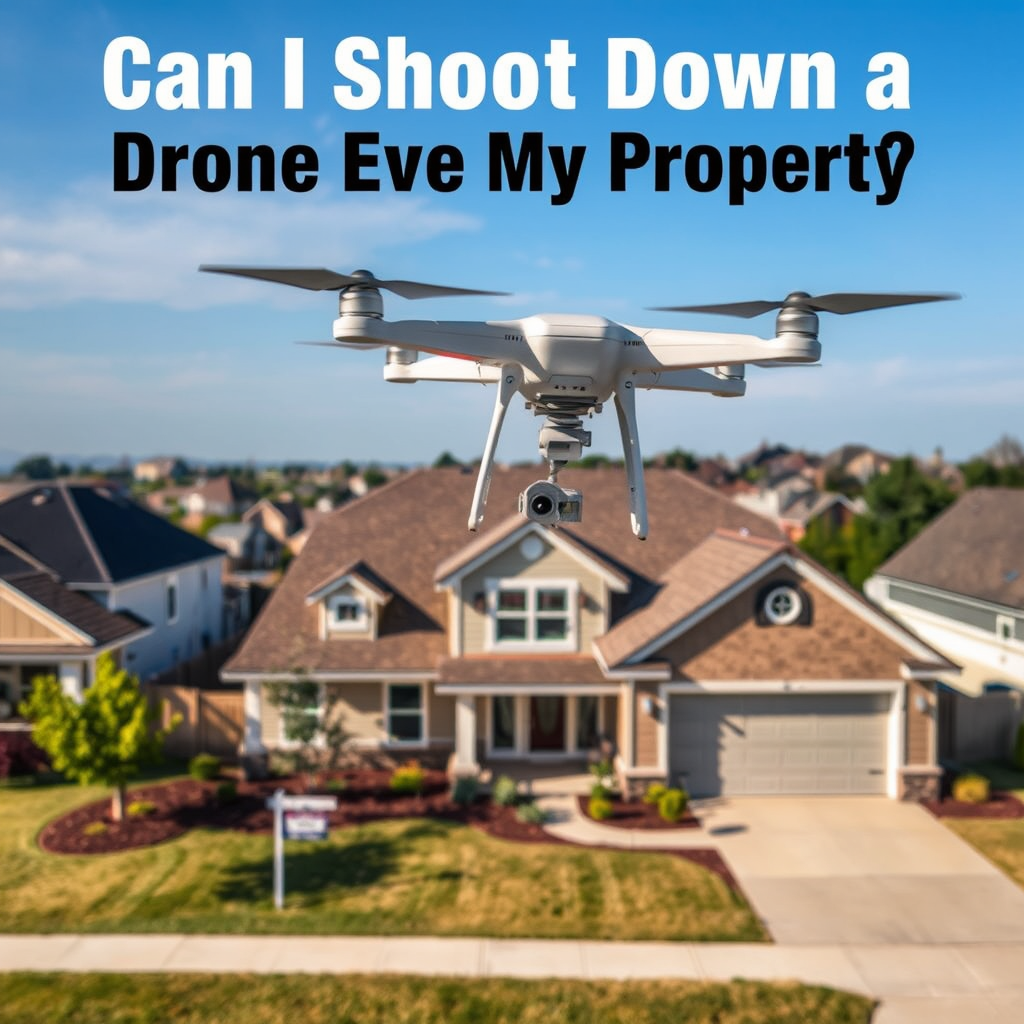
Yes, you can’t legally shoot down a drone over your property. While it might be tempting to take matters into your own hands, doing so can lead to serious legal repercussions. The proliferation of drones has raised significant concerns regarding privacy, safety, and property rights. This article will explore the legal considerations surrounding drone use, the potential consequences of taking drastic actions against drones, and safer, more effective alternatives for dealing with drones on your property.
Understanding Drone Laws
The first step in addressing any drone-related issues is to understand the legal framework governing drone operations.
– Federal regulations: The Federal Aviation Administration (FAA) is the primary regulatory body overseeing airspace in the United States, including the operation of drones, classified as unmanned aerial vehicles (UAVs). The FAA has established guidelines that dictate where and how drones can be flown. For instance, drones must typically be flown below 400 feet and away from populated areas unless proper permissions are obtained. Any attempt to interfere with these regulations, especially through violent means, could lead to serious federal charges.
– State laws: In addition to federal regulations, various states have enacted their own laws regarding drone use, which can vary significantly. Some states have laws that specifically address privacy concerns or define no-fly zones, while others may have laws that allow for certain uses of drones in agricultural or law enforcement contexts. This patchwork of regulations means that your rights regarding drones may differ based on your location, making it essential to be well-informed about both federal and state laws.
Potential Legal Consequences
Engaging in the act of shooting down a drone can have severe legal ramifications.
– Criminal charges: Taking direct action against a drone, such as shooting it down, can lead to felony charges for destruction of property. Drones are considered personal property, and damaging or destroying them can result in criminal prosecution. Depending on the circumstances, you could face charges that carry hefty fines and potential jail time.
– Civil liability: Beyond criminal charges, there is also the possibility of civil lawsuits. The owner of the drone may pursue legal action against you for damages, claiming that you unlawfully destroyed their property. This can involve significant financial penalties, as well as the potential for compensatory damages if the court finds in favor of the drone owner. Therefore, the repercussions of shooting down a drone extend far beyond immediate legal trouble; they can lead to long-term financial consequences as well.
Alternatives to Shooting Down a Drone
Rather than resorting to drastic measures, there are several lawful and effective alternatives to address concerns regarding drones.
– Reporting to authorities: If you believe a drone is operating illegally, your best course of action is to report it to local law enforcement or the FAA. Authorities have protocols for investigating unlawful drone operations, particularly if they are intruding on your privacy or endangering public safety. Providing detailed information about the drone’s location, behavior, and any identifying features can assist authorities in addressing the issue.
– Using technology: In some cases, drone detection systems can be employed to monitor drone activity around your property. These systems can alert you when a drone enters your airspace. Additionally, some individuals resort to using signal jammers to disrupt the drone’s control signals; however, it is crucial to note that the use of jammers is illegal in many areas and can lead to severe penalties. Always ensure you are compliant with local laws before considering any technological solutions.
Privacy Concerns and Drones
Drones can pose a significant threat to personal privacy, making it vital to understand the implications of their use.
– Invasion of privacy: Drones equipped with cameras can inadvertently or intentionally infringe on your privacy rights. If a drone is hovering over your property and capturing images or video without your consent, this can be considered an invasion of privacy. The legal standing on this issue varies, but many states have laws aimed at protecting individuals from unauthorized surveillance.
– Legal protections: Familiarizing yourself with local privacy laws can empower you to take appropriate action against intrusive drone activity. For instance, several states have enacted laws specifically prohibiting the use of drones for surveillance purposes without consent, providing individuals with legal recourse if their privacy is violated. Knowing these laws can help you assert your rights effectively.
Best Practices for Drone Management
Managing drone-related concerns effectively requires a proactive approach.
– Communicate with operators: If you are aware of the drone operator, consider reaching out to them directly. Expressing your concerns about privacy or safety can often lead to a resolution without escalating the situation. Many drone operators are unaware of the discomfort their activities may cause and may be willing to adjust their flying patterns.
– Know your rights: Staying informed about your legal rights regarding drone surveillance and trespass is essential. This knowledge can help you navigate situations where you feel your rights are being infringed upon. Educating yourself will also allow you to engage thoughtfully with local lawmakers and advocate for stronger protections if needed.
Seeking Legal Advice
When dealing with drone-related issues, consulting with legal professionals can provide clarity and guidance.
– Consult with an attorney: If you are facing persistent drone issues or have concerns about privacy violations, seeking legal counsel is advisable. An attorney who specializes in property law or privacy rights can provide tailored guidance based on your specific circumstances and local laws.
– Understand your rights: A legal expert can help clarify what actions you can take if a drone is violating your property rights or privacy. They can also assist in filing complaints with the appropriate authorities if necessary.
In conclusion, while the idea of shooting down a drone may seem like a straightforward solution to an invasion of privacy, the legal ramifications can be severe. Engaging in such actions can lead to criminal charges and civil liabilities that far outweigh the temporary relief it might bring. Instead, exploring lawful alternatives such as reporting drone activities to authorities, utilizing technology to monitor drone presence, and understanding your legal rights can provide a more effective and safer approach to dealing with drones on your property. Stay informed and proactive to protect your rights in an increasingly drone-populated world.
Frequently Asked Questions
Can I legally shoot down a drone that is flying over my property?
Legally shooting down a drone is generally prohibited in most jurisdictions, as it can be considered destruction of property or even a criminal offense. Instead of resorting to violence, it is recommended to report the drone to local authorities, especially if it poses a privacy concern or is trespassing. Understanding local laws regarding drones and property rights is crucial before taking any action.
What should I do if a drone is invading my privacy?
If a drone is invading your privacy, the best course of action is to document the incident and report it to local law enforcement or a regulatory agency like the Federal Aviation Administration (FAA). You may also consider speaking to the drone operator if it is safe to do so. Familiarizing yourself with privacy laws regarding drone usage can help you understand your rights.
How can I legally protect my property from unwanted drones?
To protect your property from unwanted drones, you can start by installing physical barriers, such as privacy fences, or using foliage to obscure your property from aerial view. Additionally, you can utilize drone detection systems that alert you when a drone enters your airspace. Engaging with local regulations and community discussions about drone usage can also help advocate for privacy protections.
Why are drones allowed to fly over private property?
Drones are typically allowed to fly over private property because airspace is regulated by federal law in many countries, meaning that air traffic is often considered public. This allows drone operators to fly legally as long as they comply with regulations set by aviation authorities, such as maintaining a certain altitude and not flying over people. Understanding these regulations can help property owners navigate the challenges posed by drones.
Which options do I have to deter drones from flying over my property?
To deter drones from flying over your property, you can use various methods such as noise deterrents, reflective surfaces, or even drone jamming devices (where legal). Additionally, you can contact local law enforcement to address unauthorized drone flights and even petition for local drone regulations that provide better privacy protections. Educating your community about drone issues can also foster a collaborative approach to managing drone activity.
References
- https://en.wikipedia.org/wiki/Drone_regulation
- https://www.faa.gov/uas/getting_started/
- https://www.theguardian.com/us-news/2020/aug/12/drones-private-property-shooting
- https://www.ncsl.org/research/technology-and-innovation/state-drone-laws.aspx
- https://www.aclu.org/news/privacy-technology/drones-and-the-law
- https://www.nytimes.com/2021/01/07/us/drone-private-property.html
- https://www.nolo.com/legal-encyclopedia/can-i-shoot-drone-over-my-property-32621.html
- https://www.popularmechanics.com/technology/infrastructure/a28981322/drone-laws-legal-issues/
